France - Provence
Provence never appealed to me, it was my mum's dream, but why not go - at least they have excellent wine and cheese there, so off we go to make Mum's dream come true!
Orange
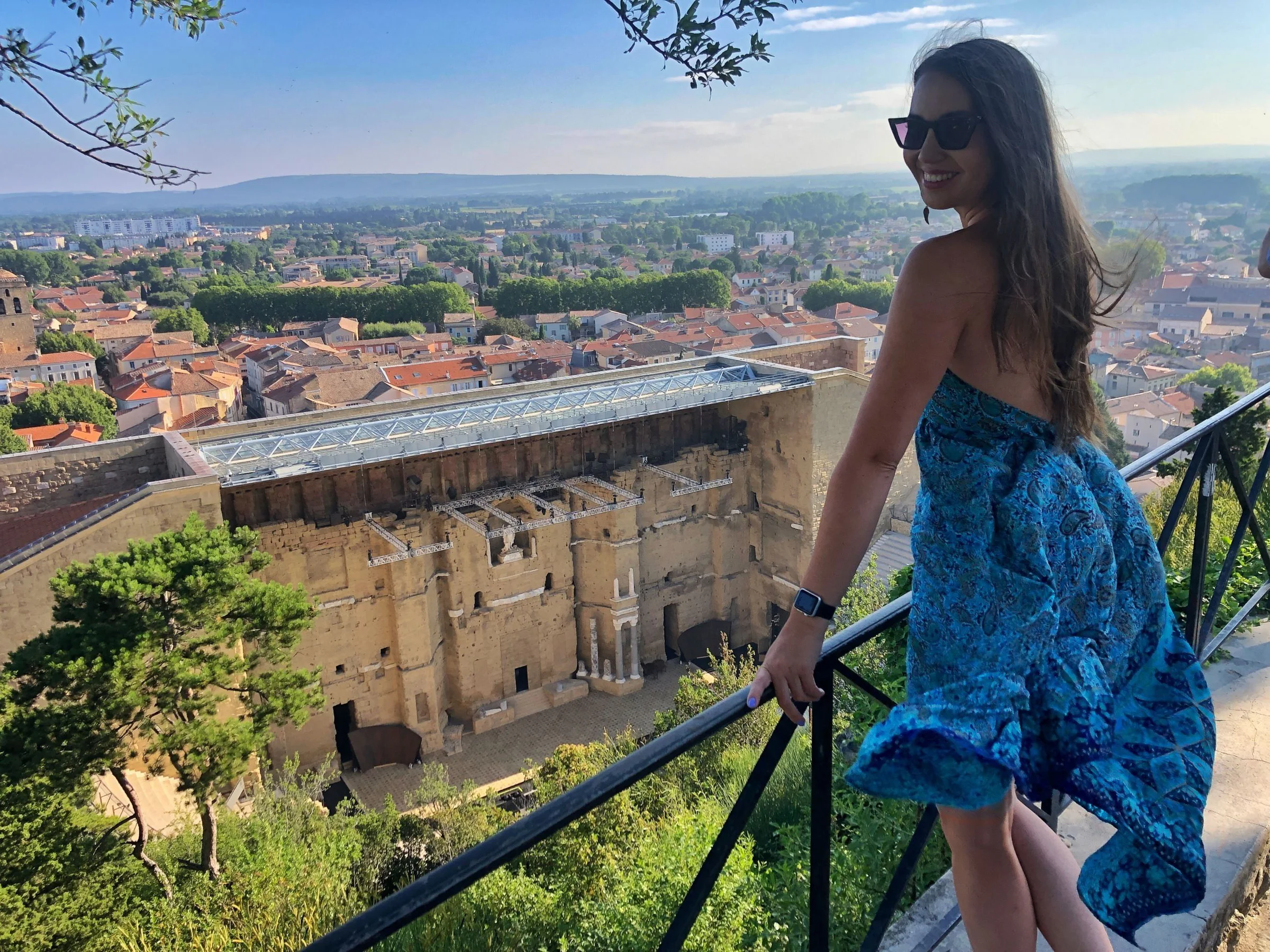
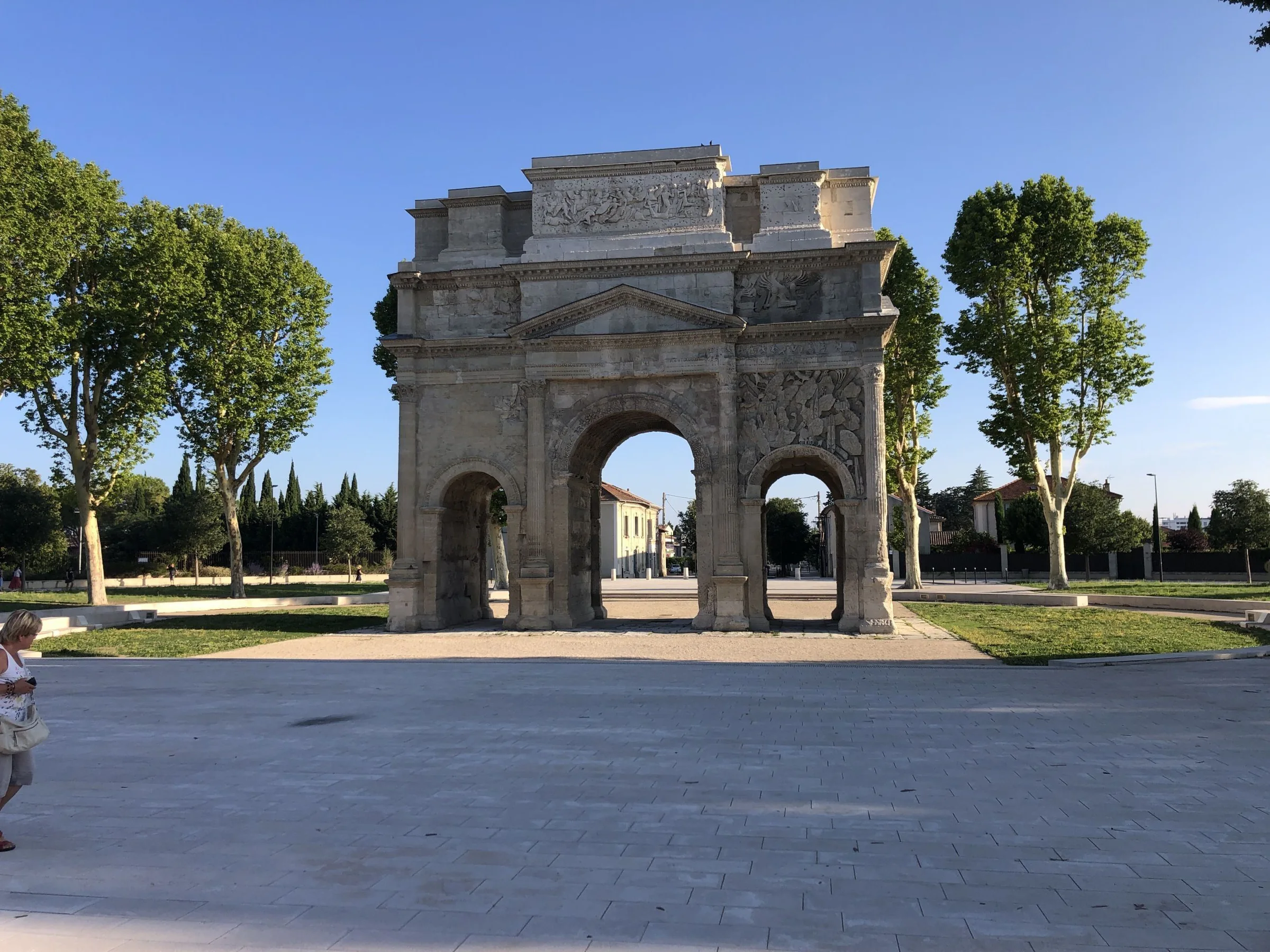
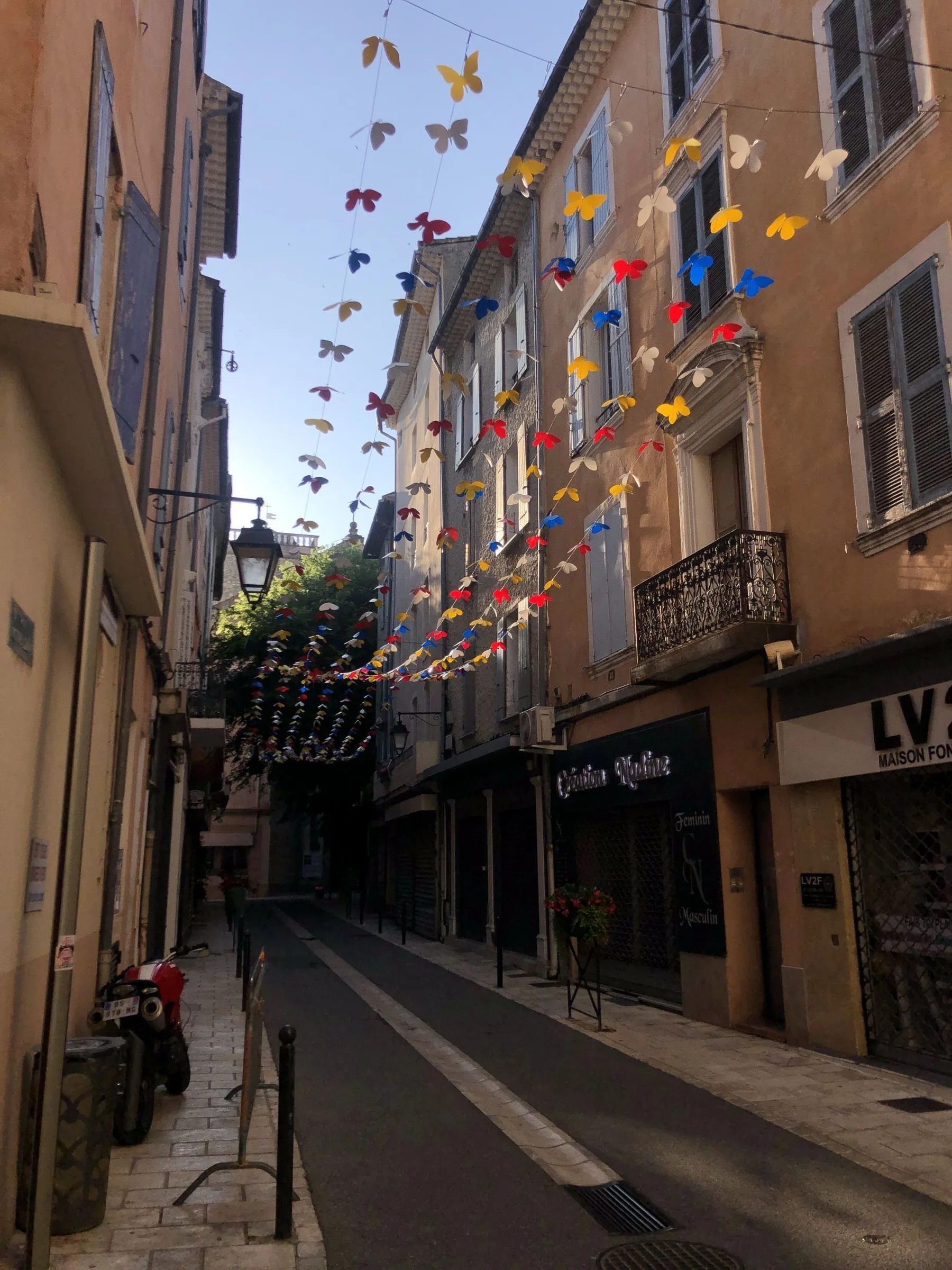
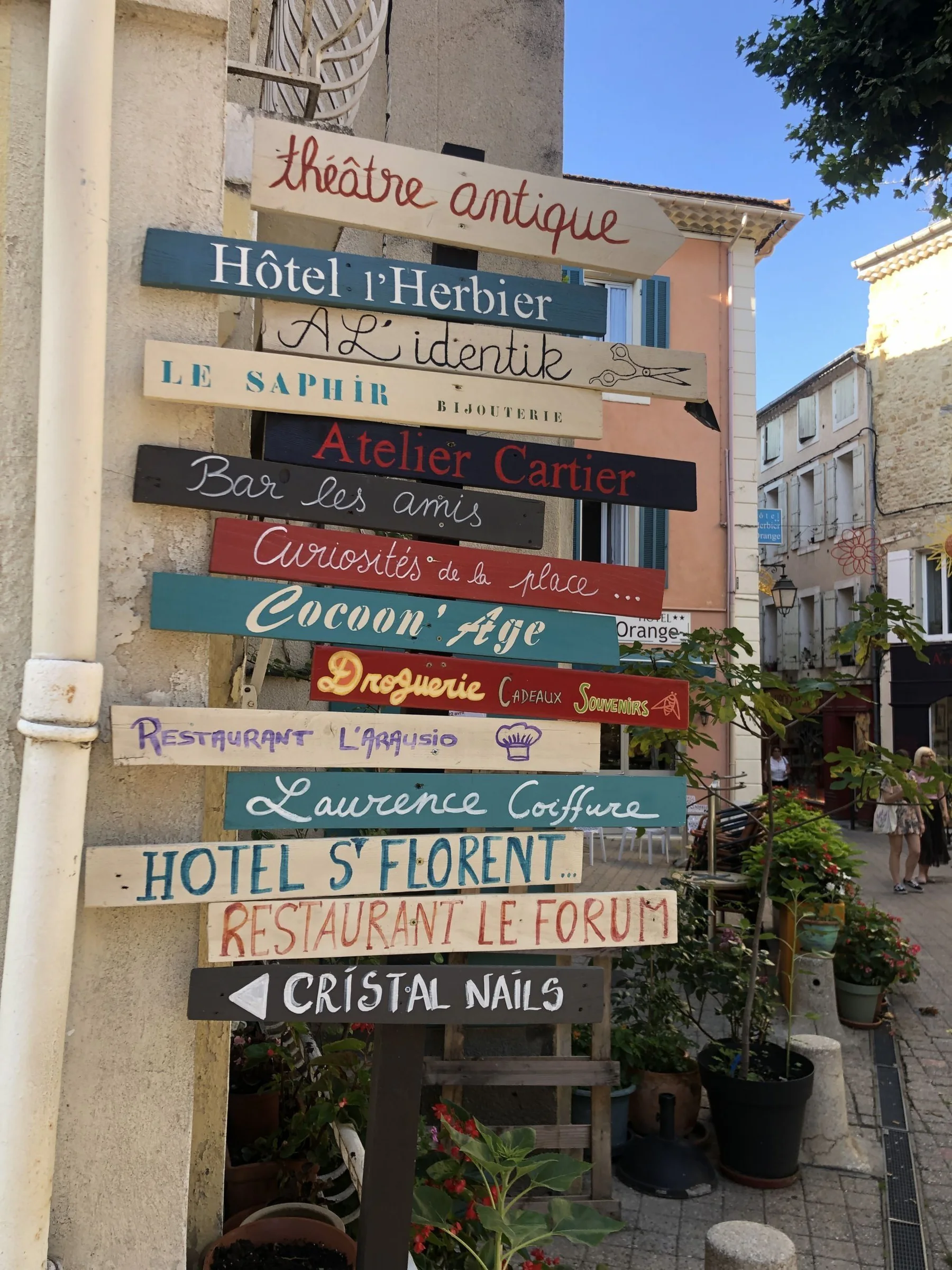
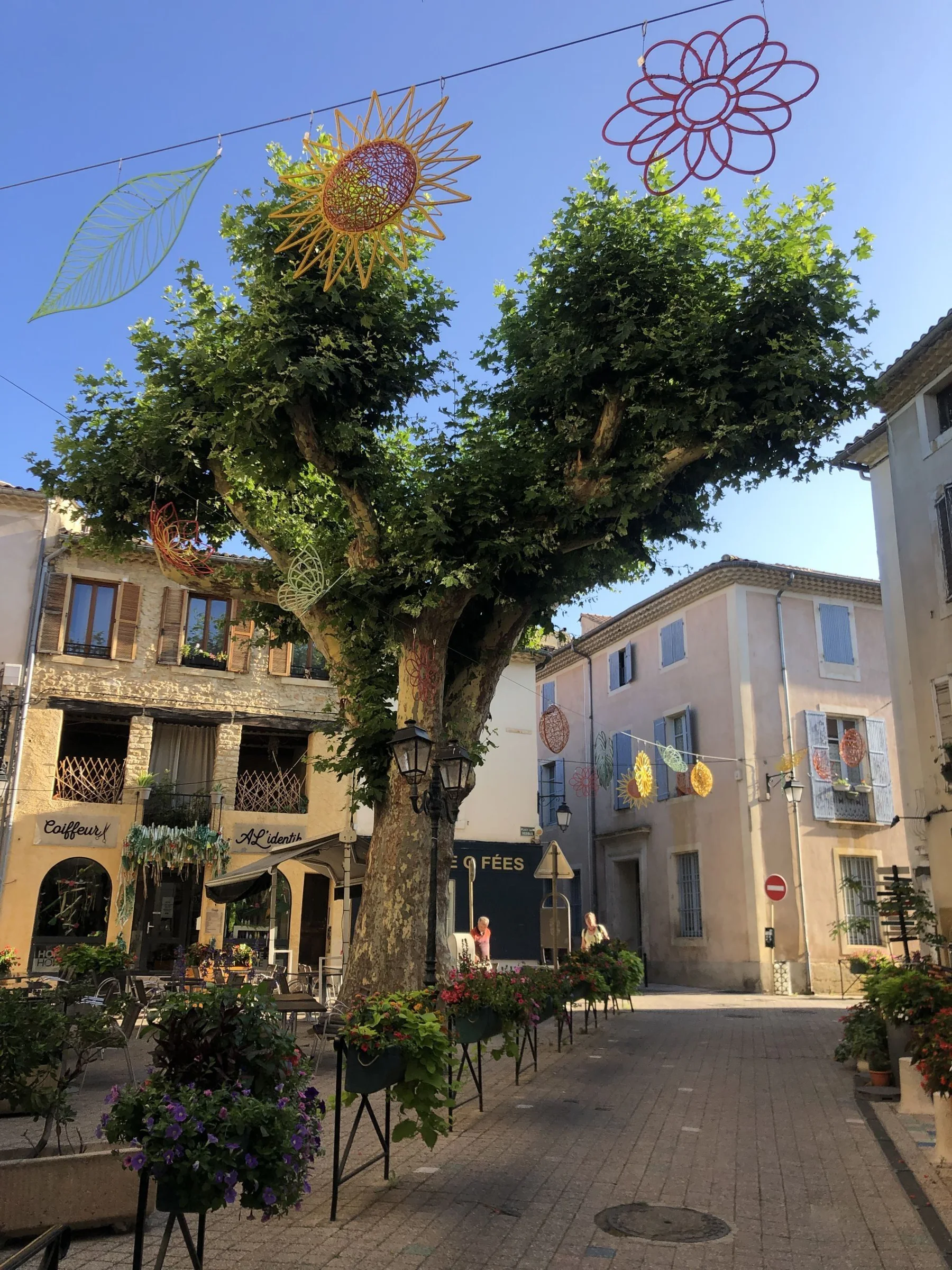
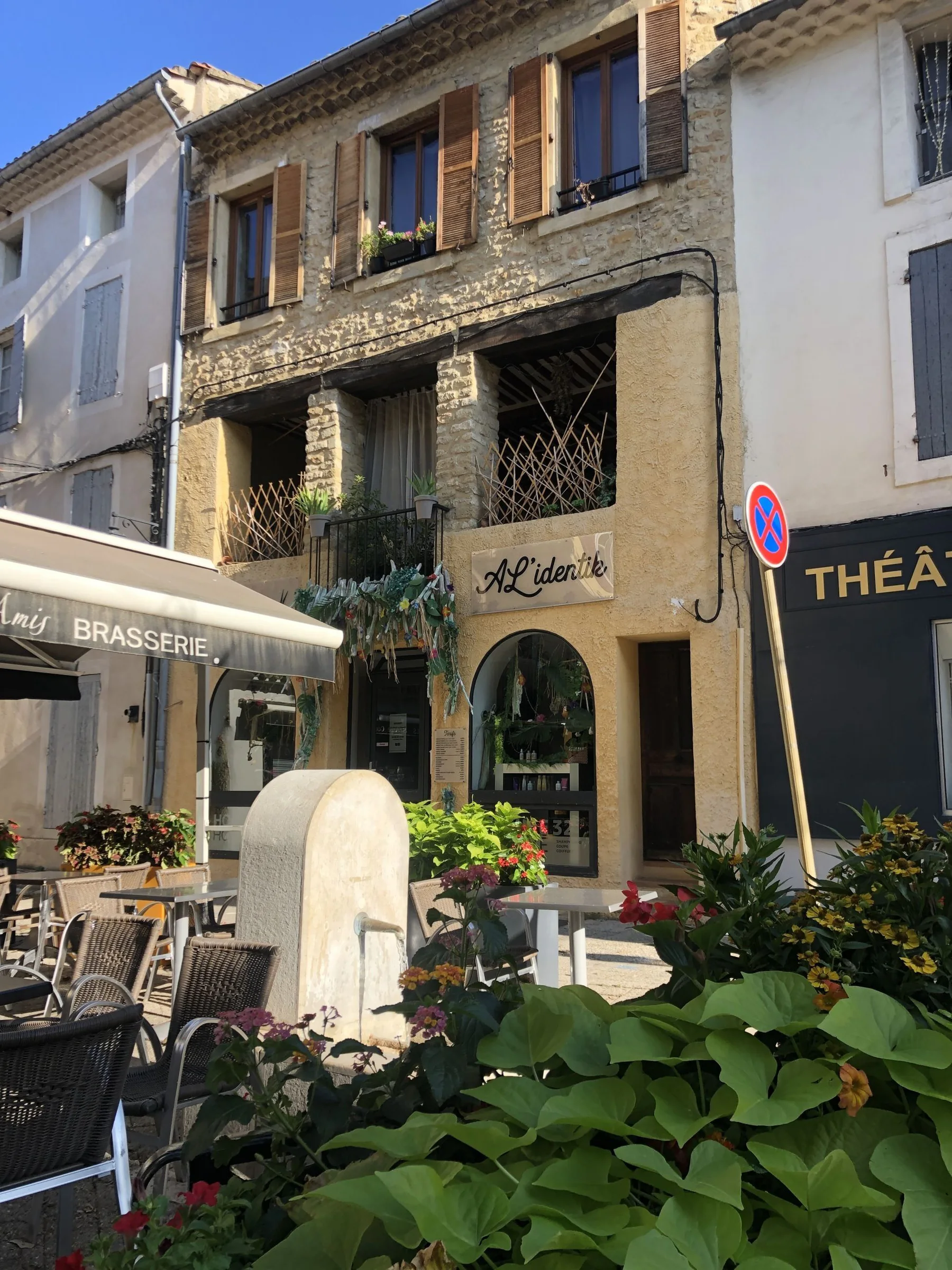
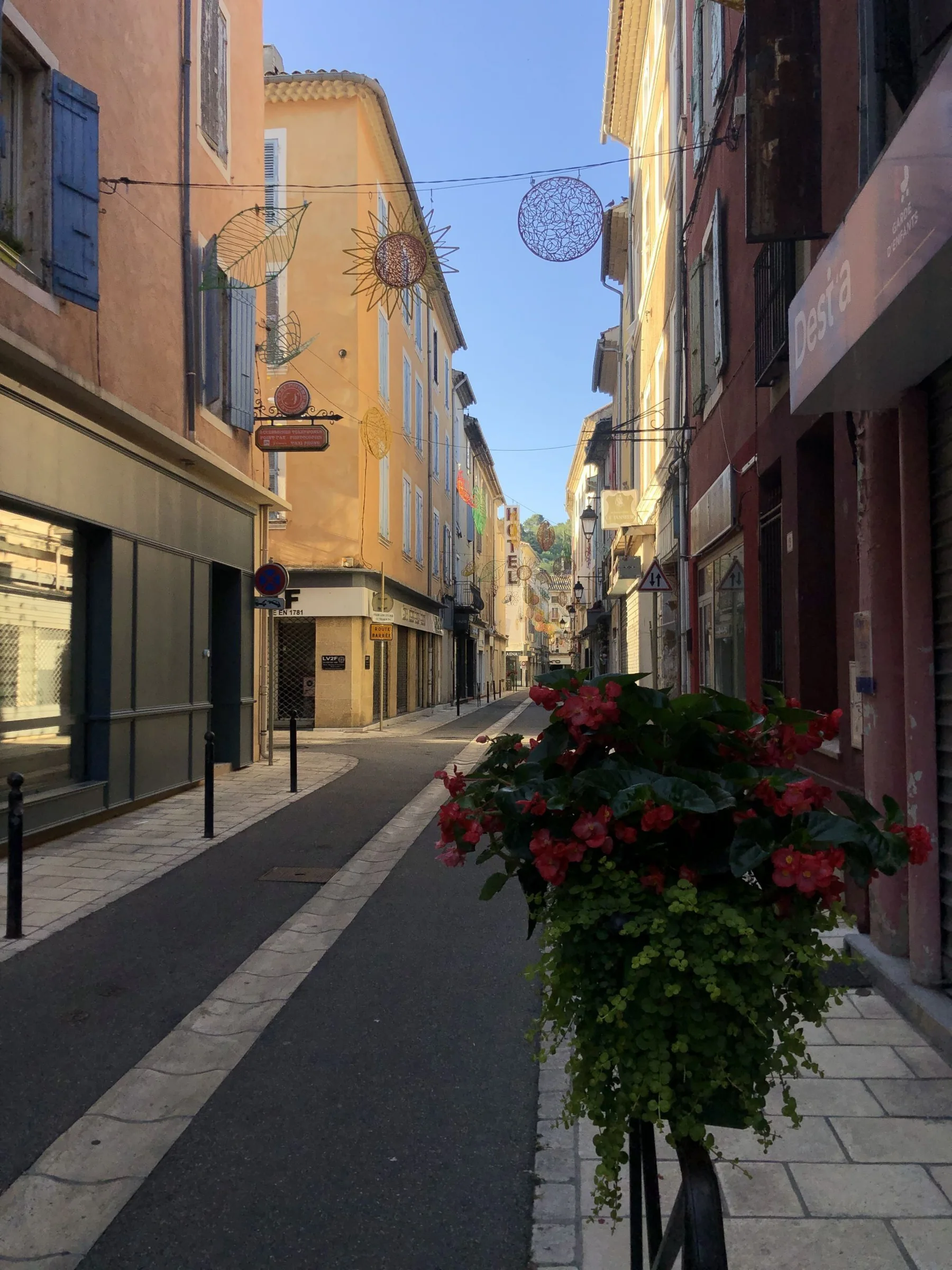
We start in Orange, a small town with the best-preserved ancient theatre in the world. This place will charm you with its little streets, markets, cafés and history. You can park by the stone arch - similar to the one in Paris.
Avignon
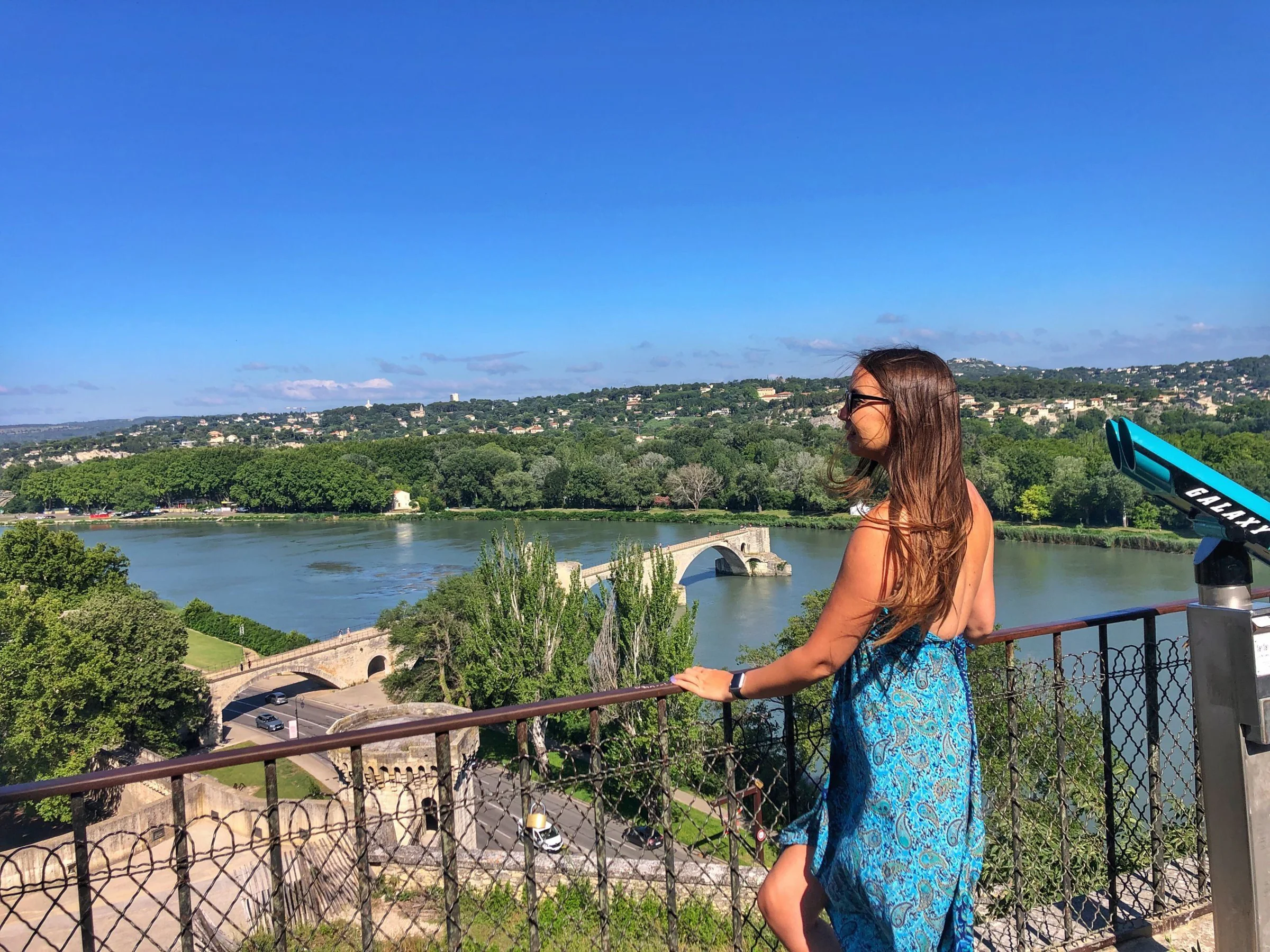
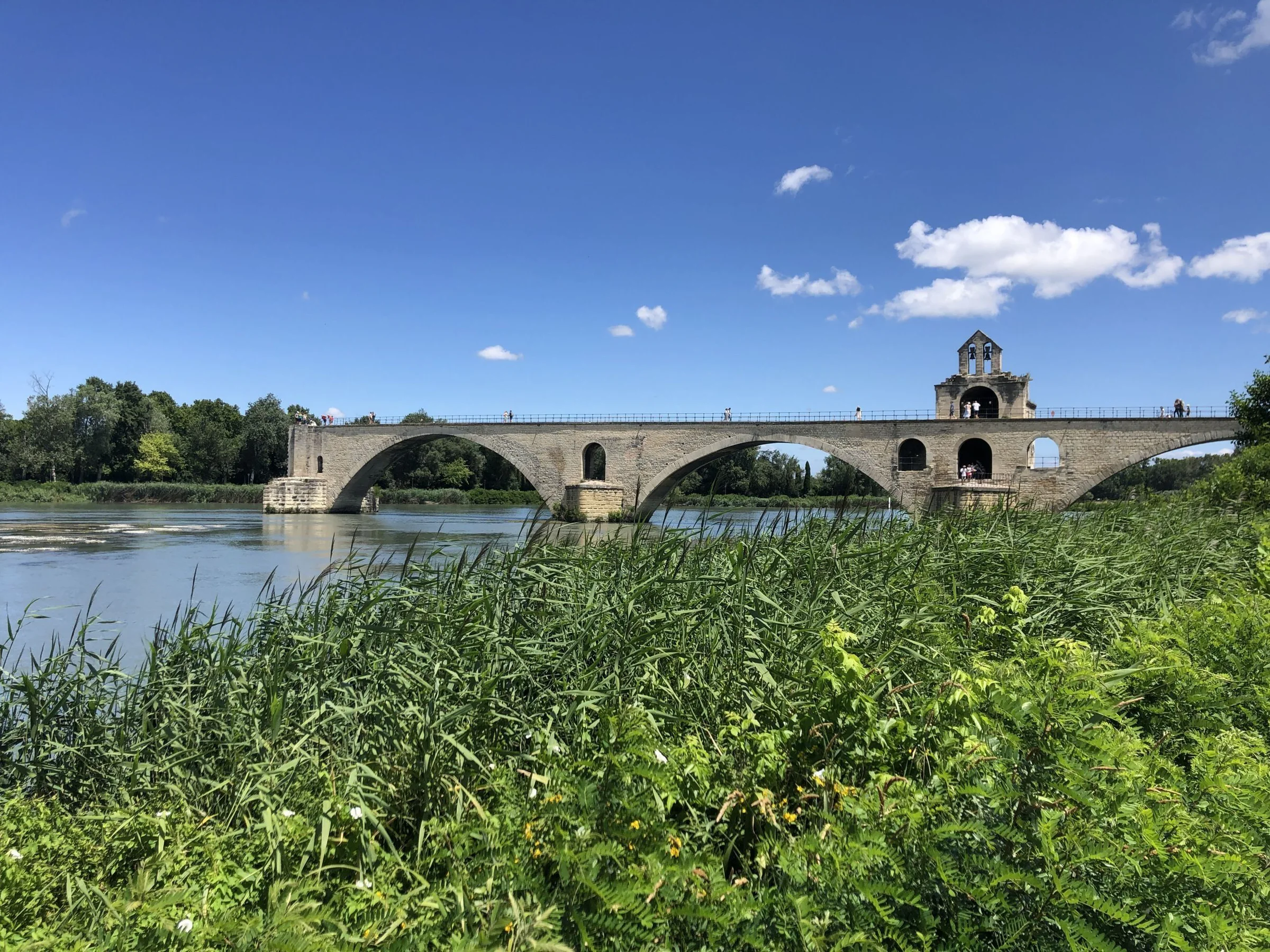
About half an hour from Orange is Avignon, home to the city's best-known symbol, the Avignon Bridge - St. Bénezet.
It originally had 22 arches and measured 900 metres. In the 17th century a flood came and tore down 18 arches. Today the bridge has only 4.
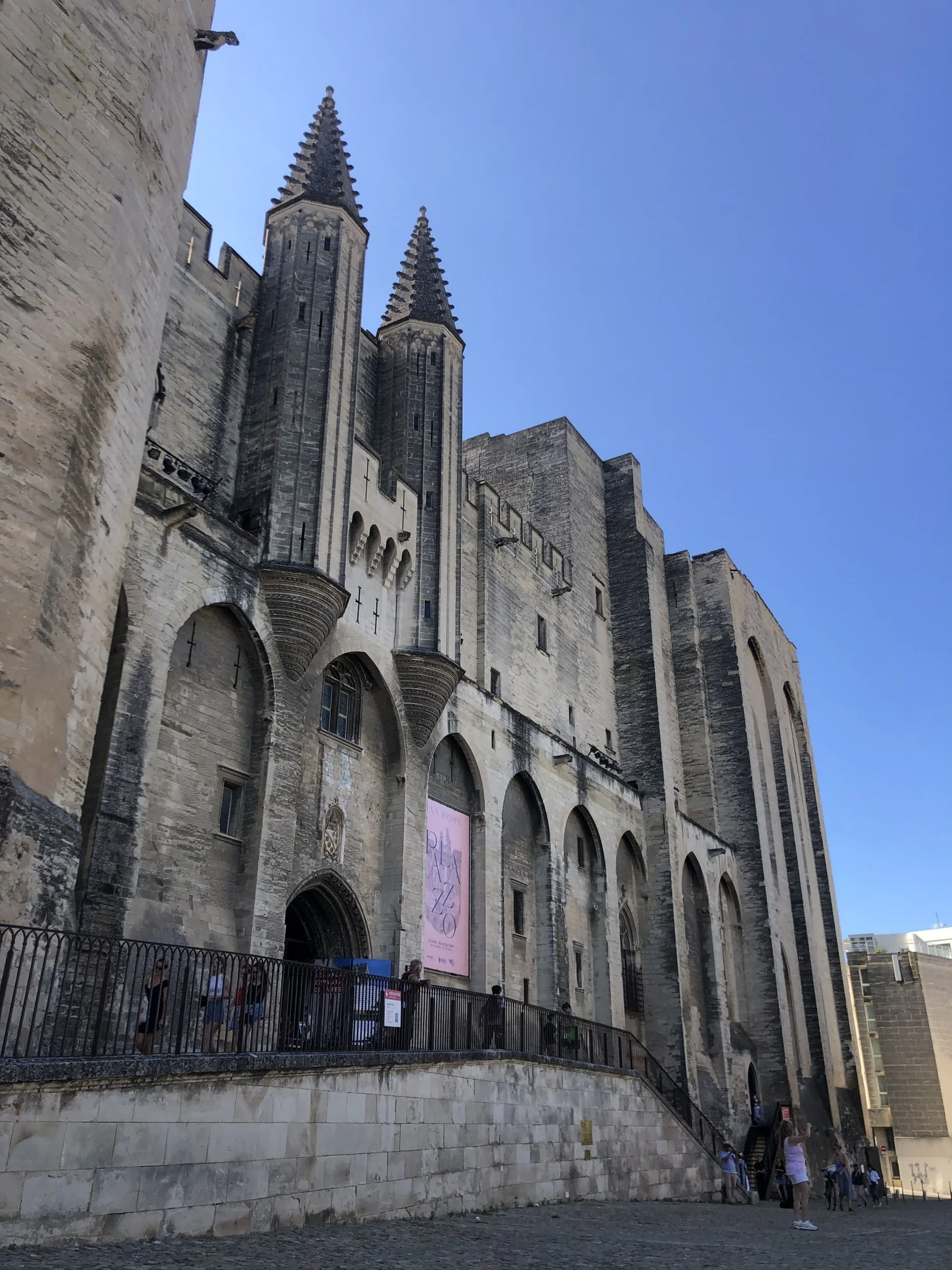
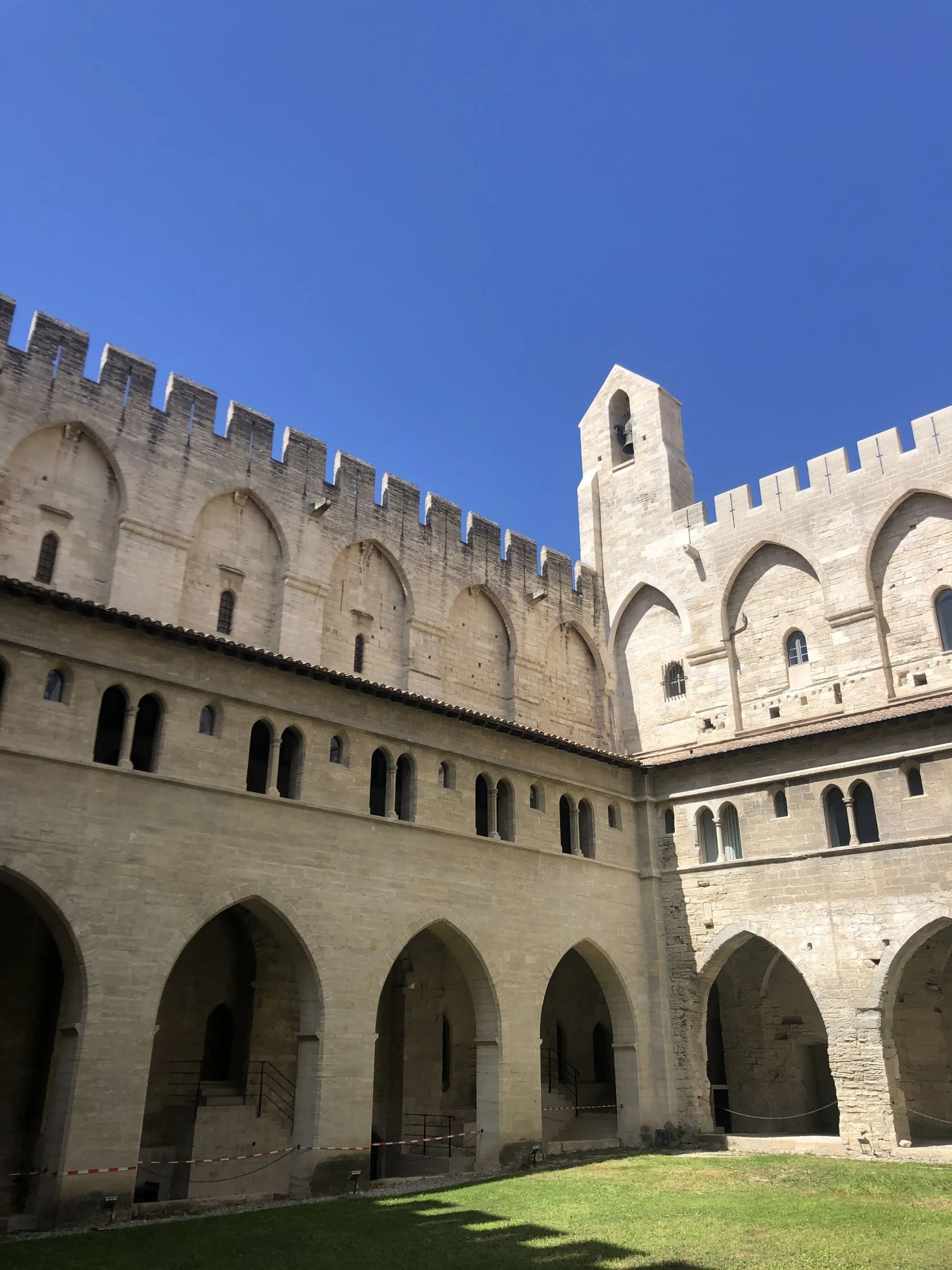
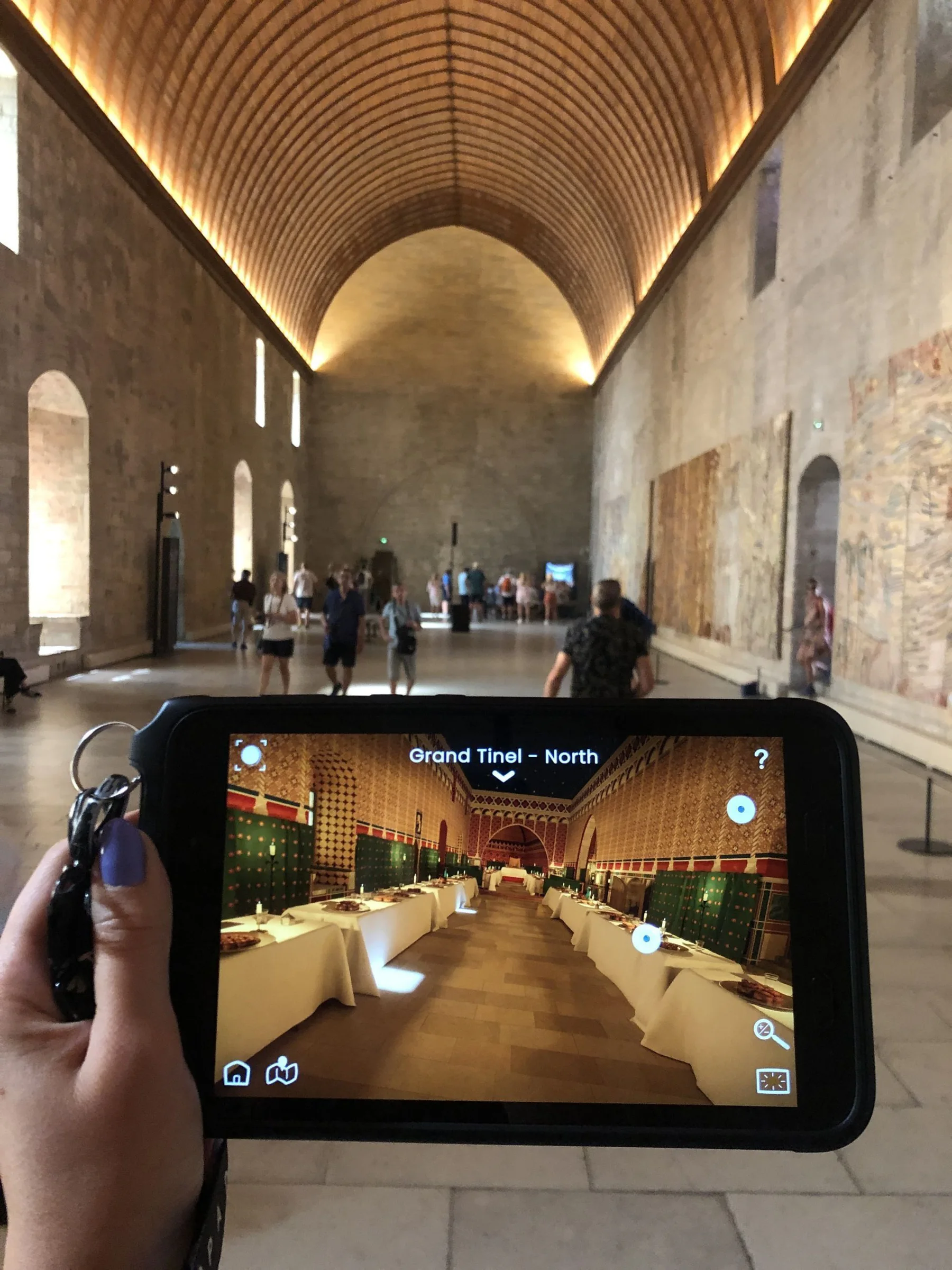
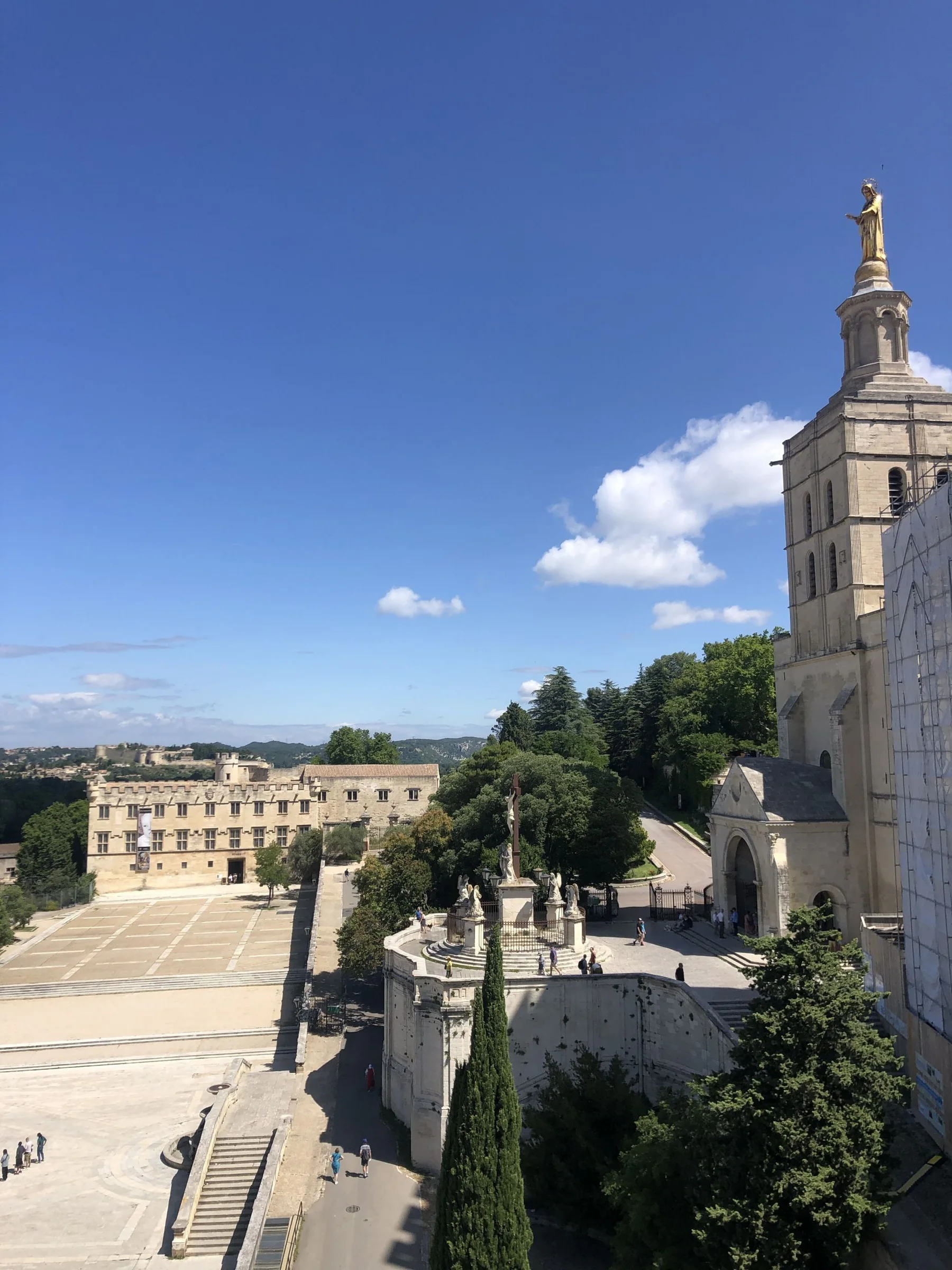
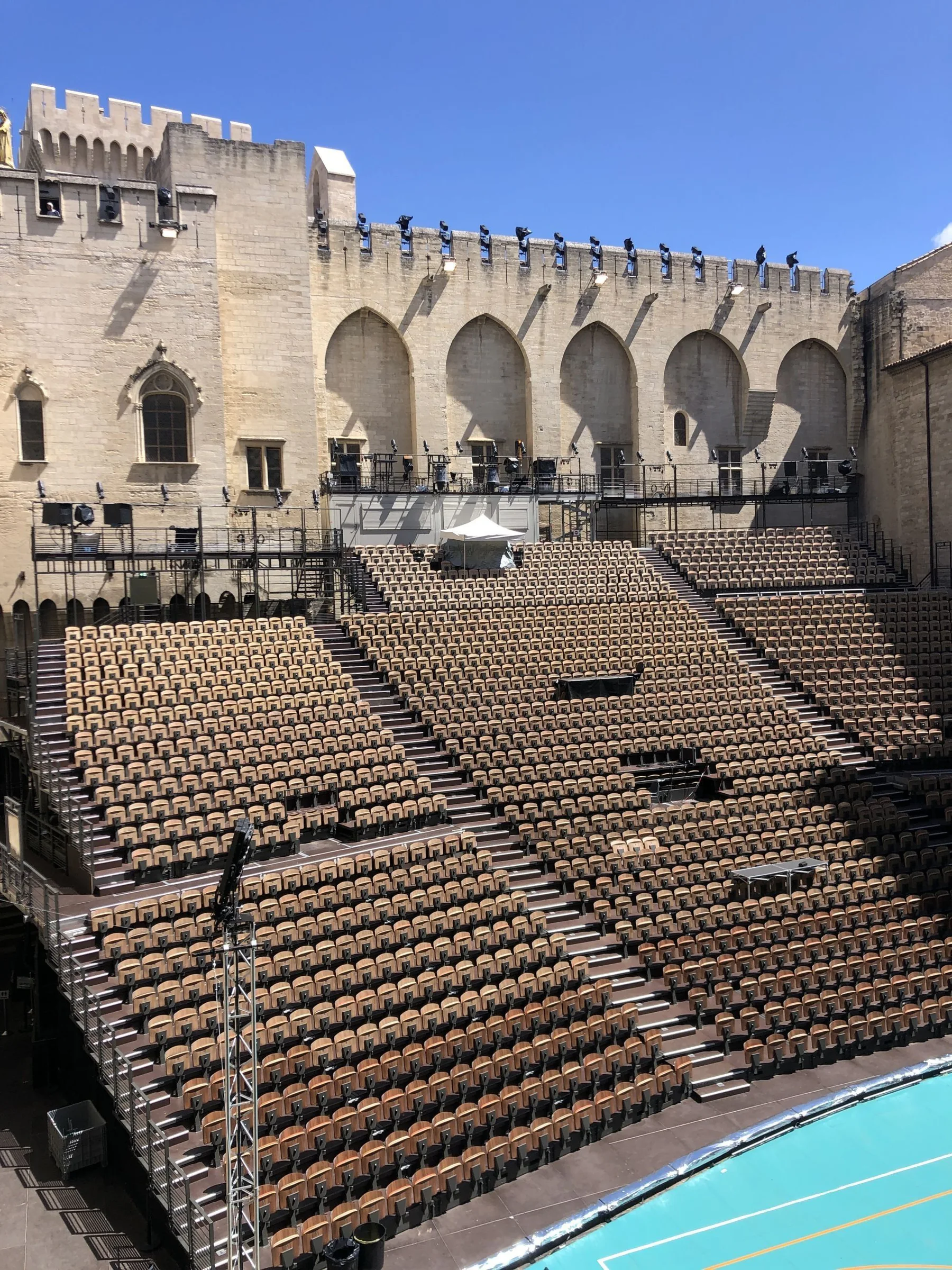
But the city of Avignon is above all the city of the popes. The Papal Palace was built in the 14th century by Pope Benedict XII. Entry to the palace is 15 euros and doesn't include entry to the Avignon Bridge. At the entrance to the palace, don't forget to pick up a tablet that guides you through the whole palace and shows the rooms in their original form.
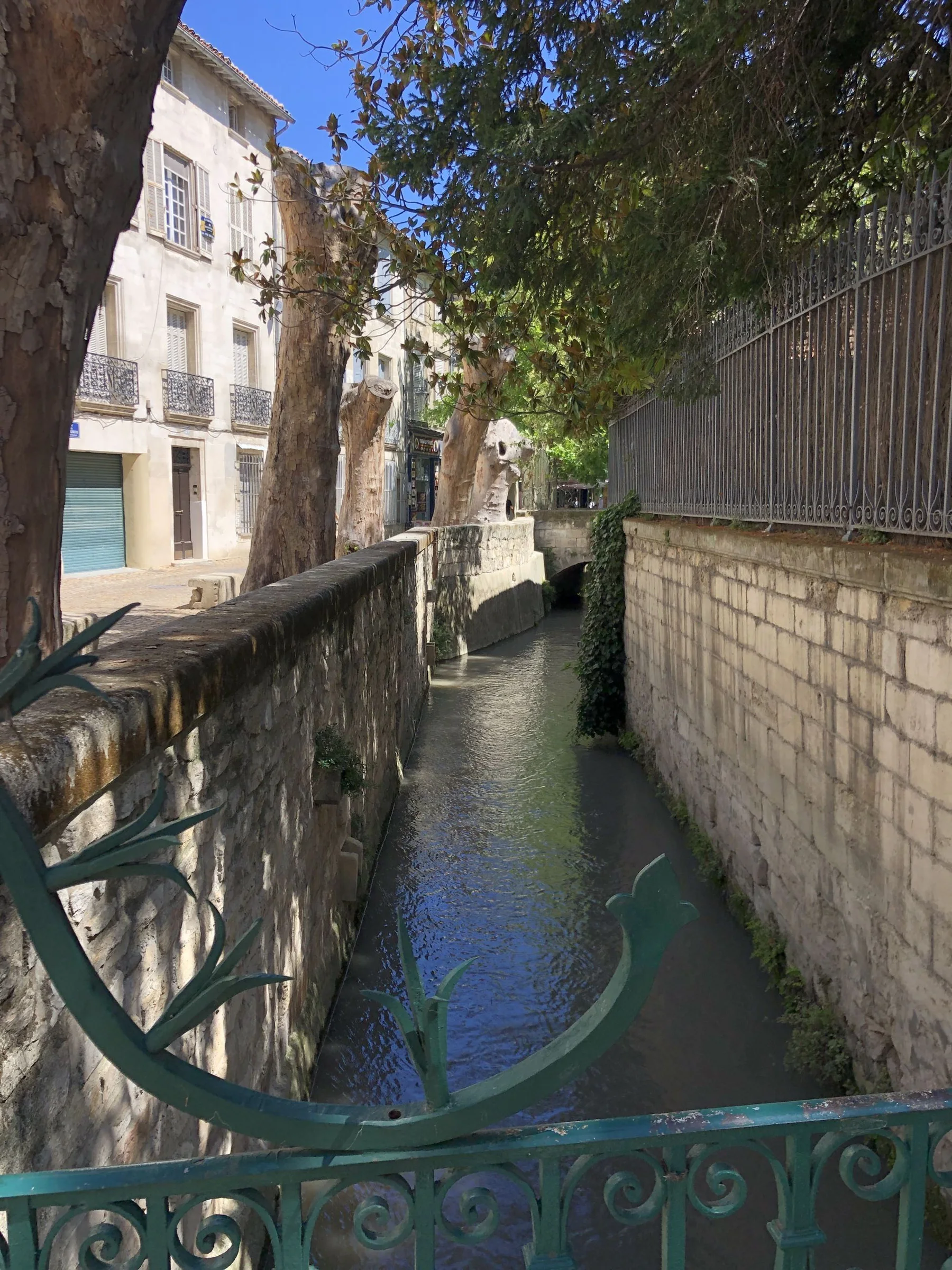
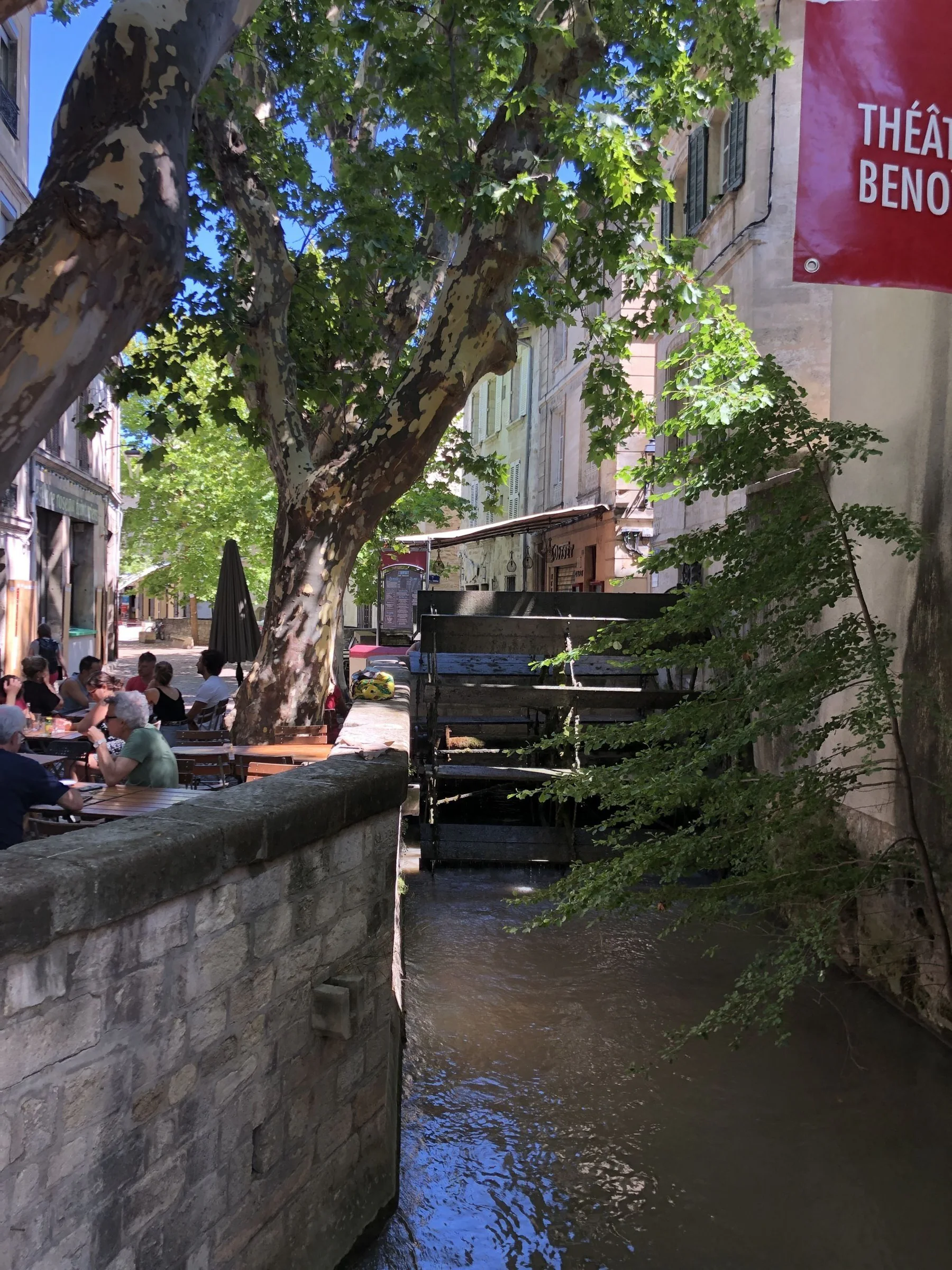
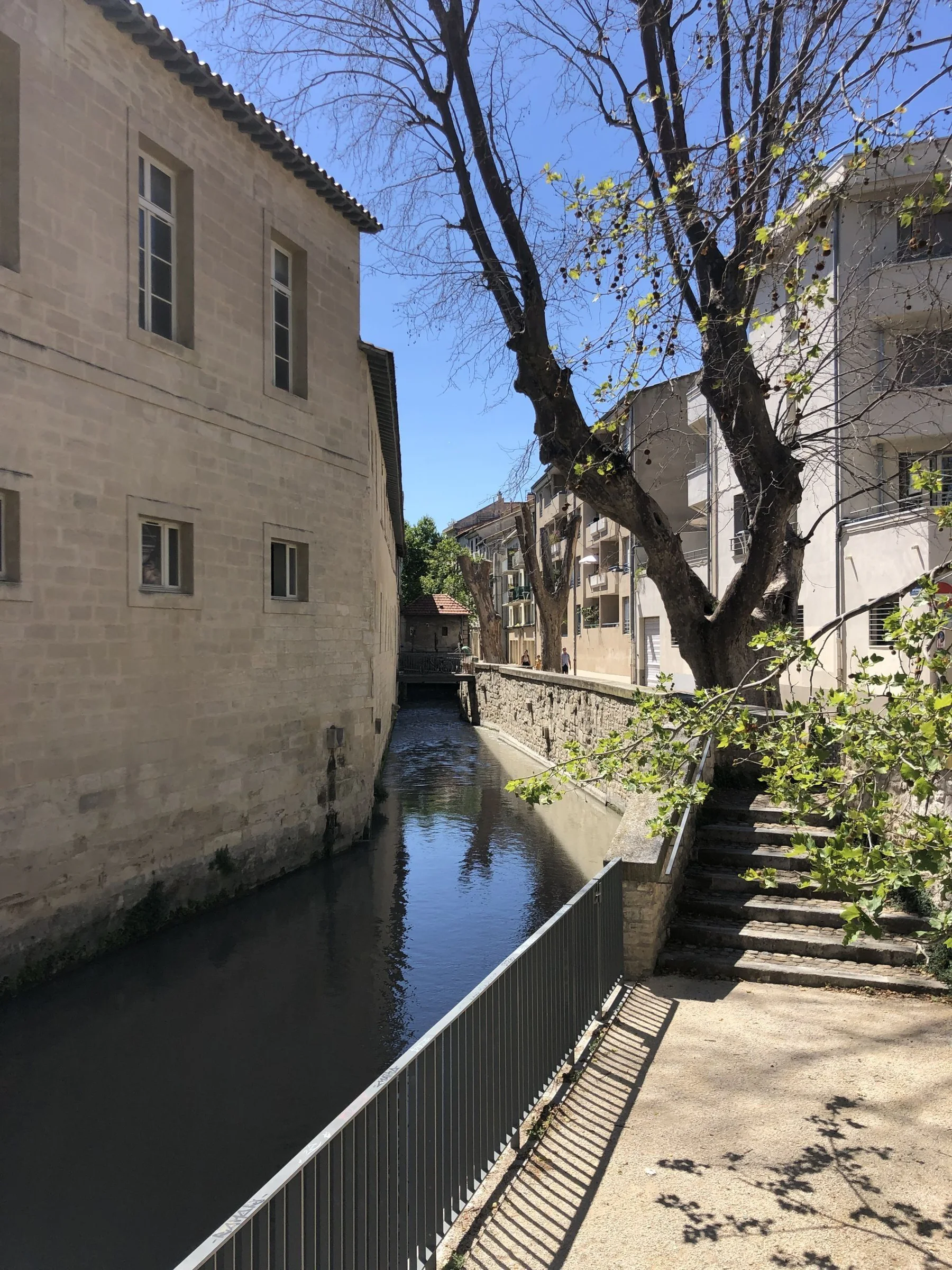
Street of the Water Wheels, also known as the Venice of Avignon - map
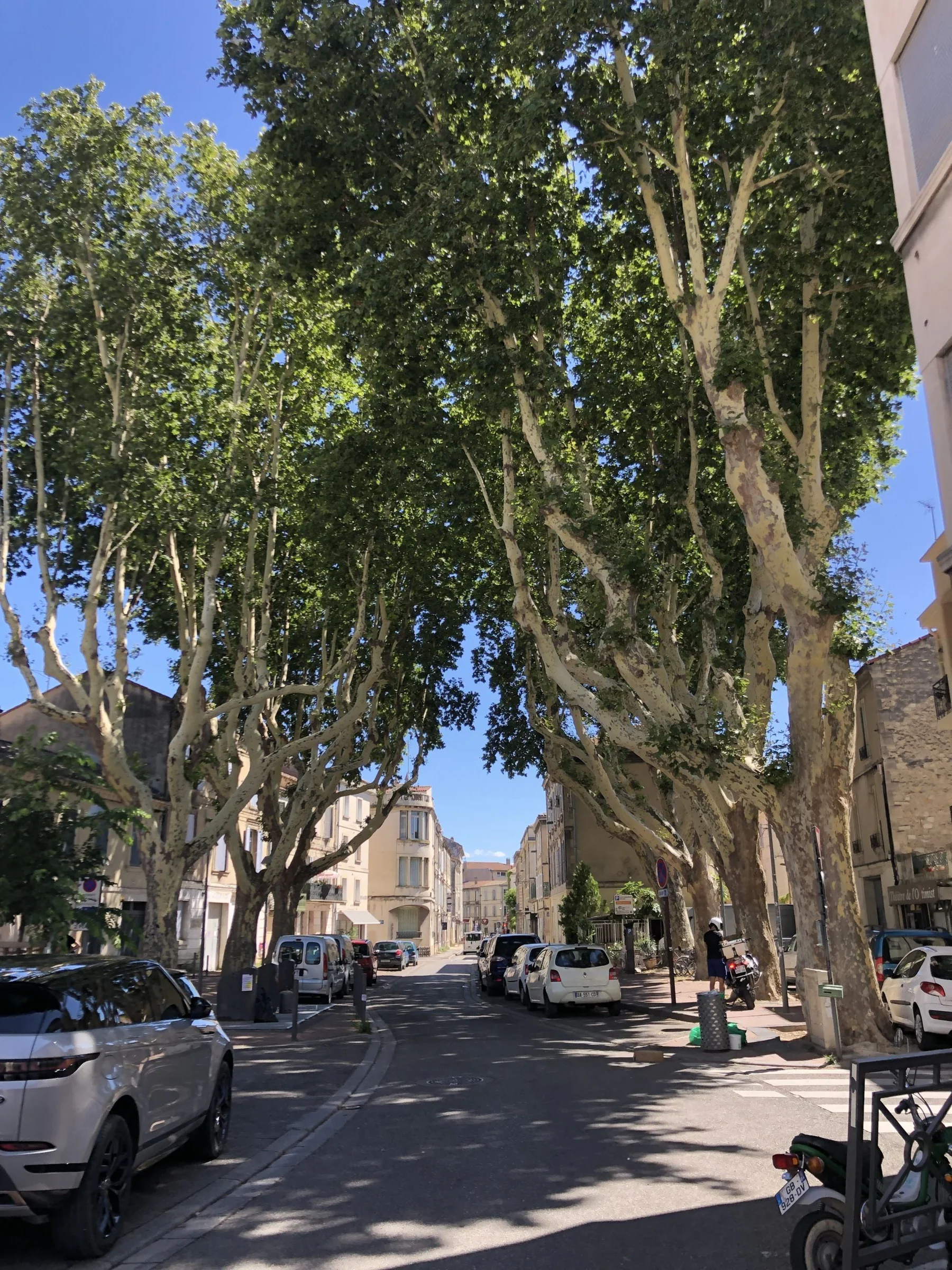
It's an old cobbled street full of cafés and restaurants. It's about 1 km from the Papal Palace. You'll appreciate it especially on warm summer days. The street is lined with plane trees and a pleasant breeze comes off the water.
Street of the Water Wheels, also known as the Venice of Avignon - map
It's an old cobbled street full of cafés and restaurants. It's about 1 km from the Papal Palace. You'll appreciate it especially on warm summer days. The street is lined with plane trees and a pleasant breeze comes off the water
Bonnieux
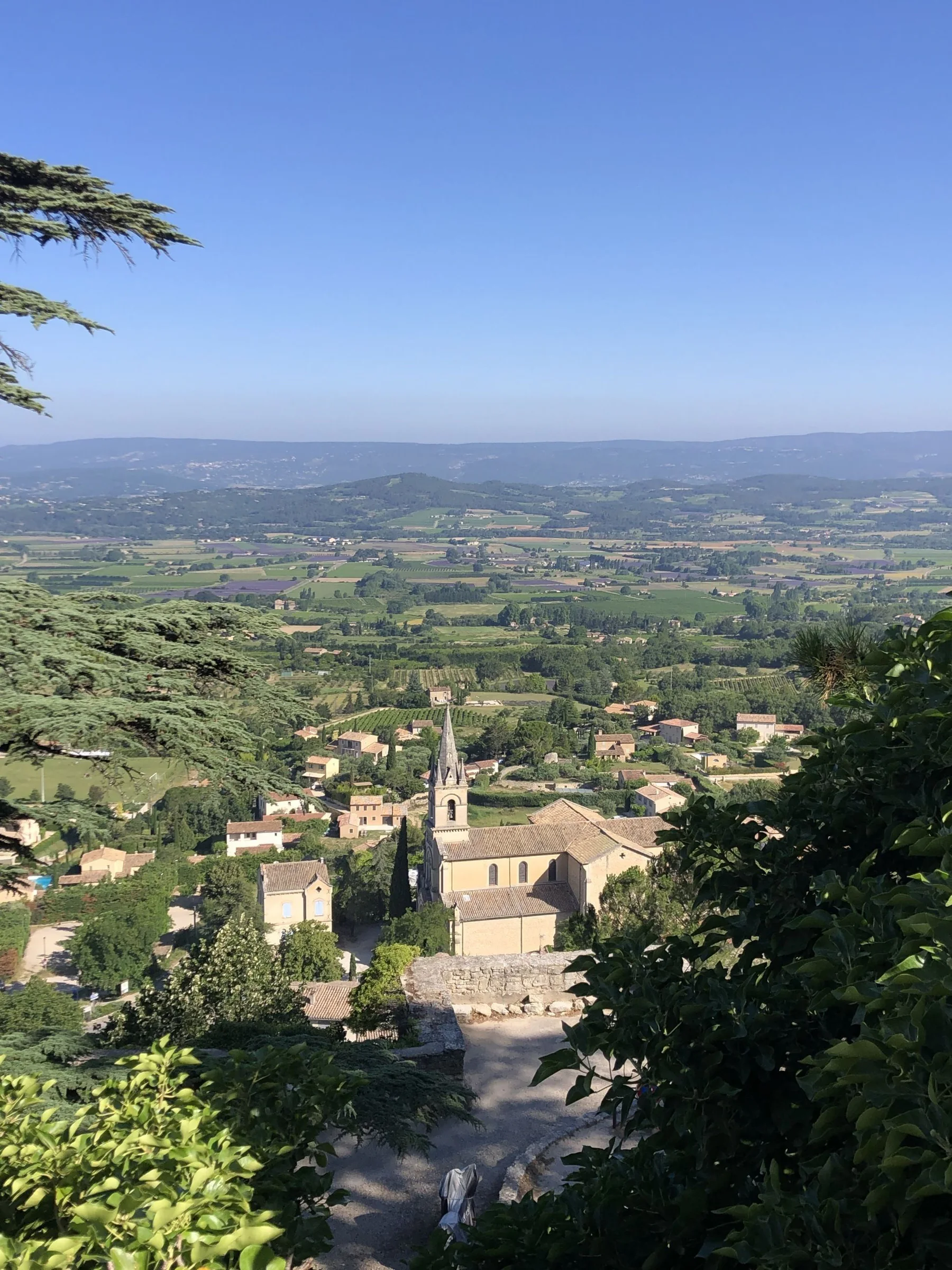
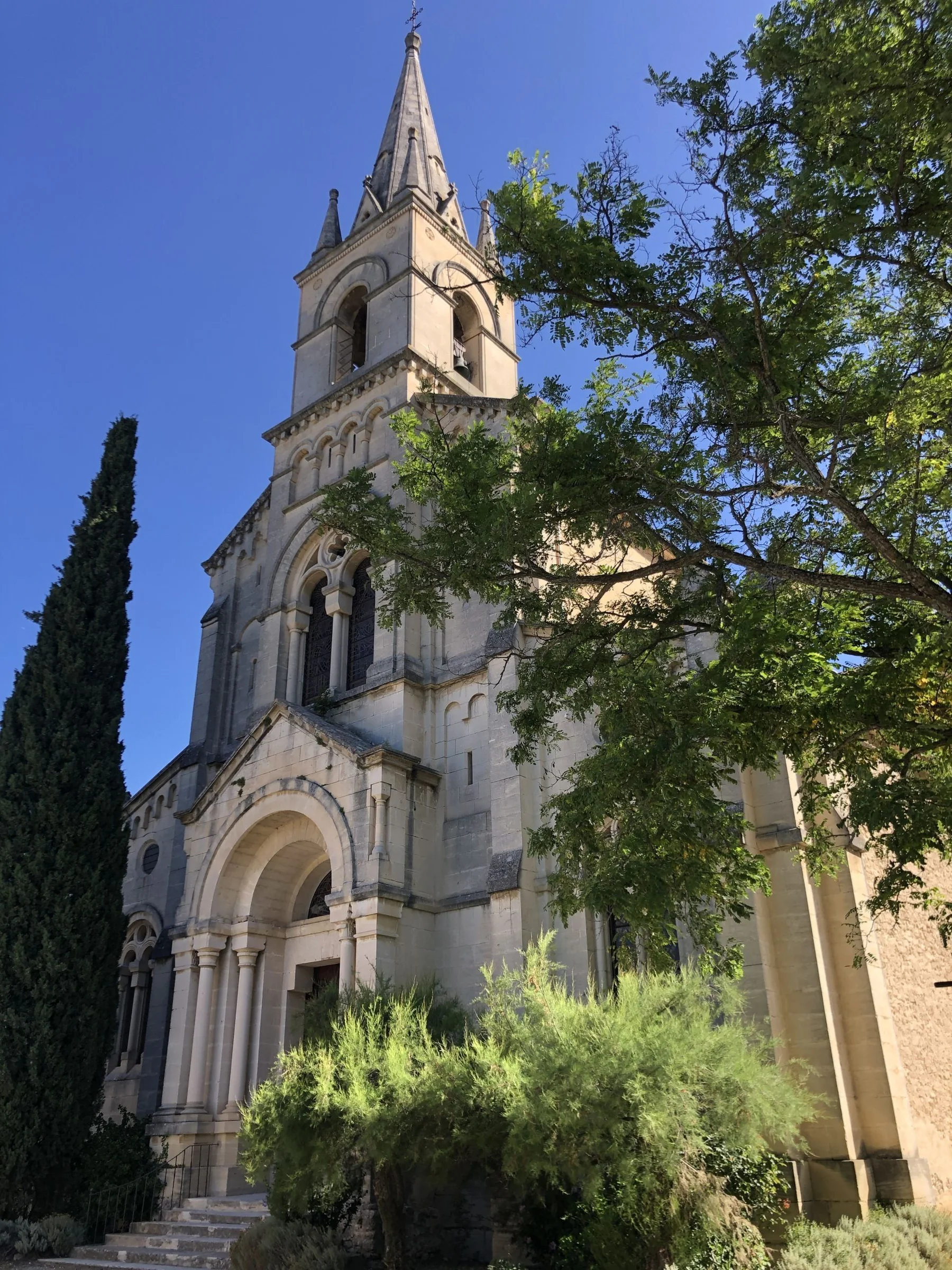
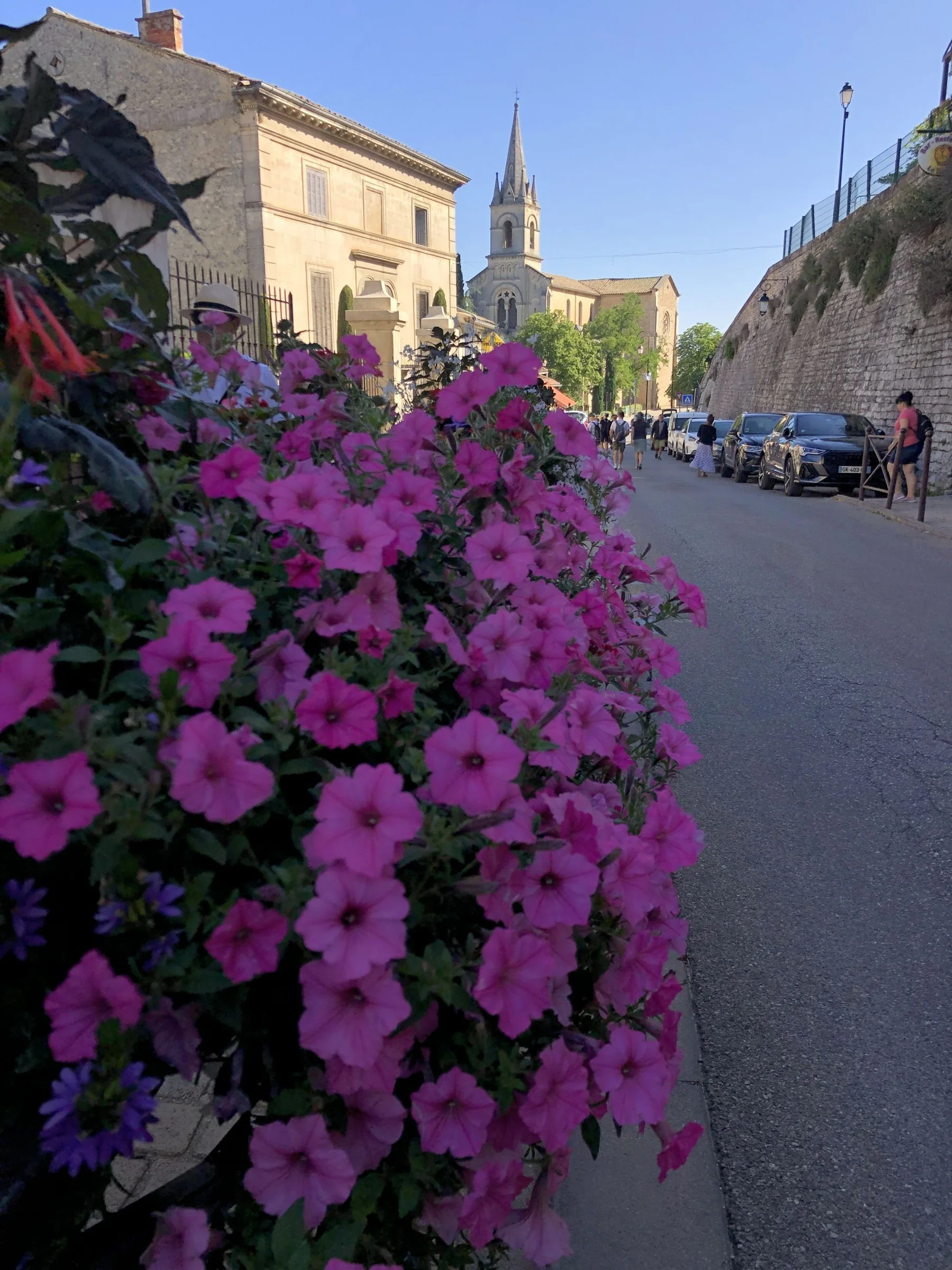
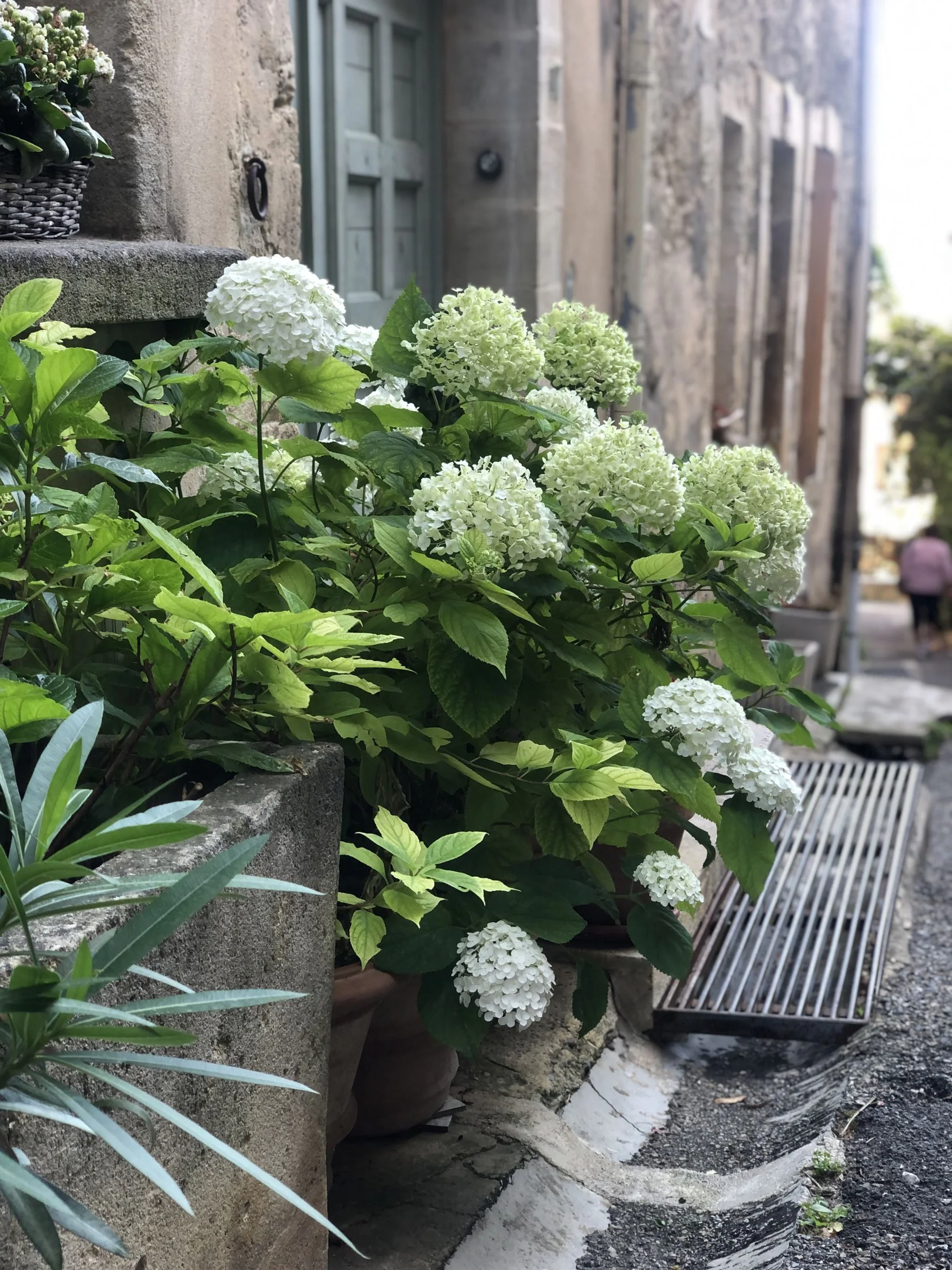
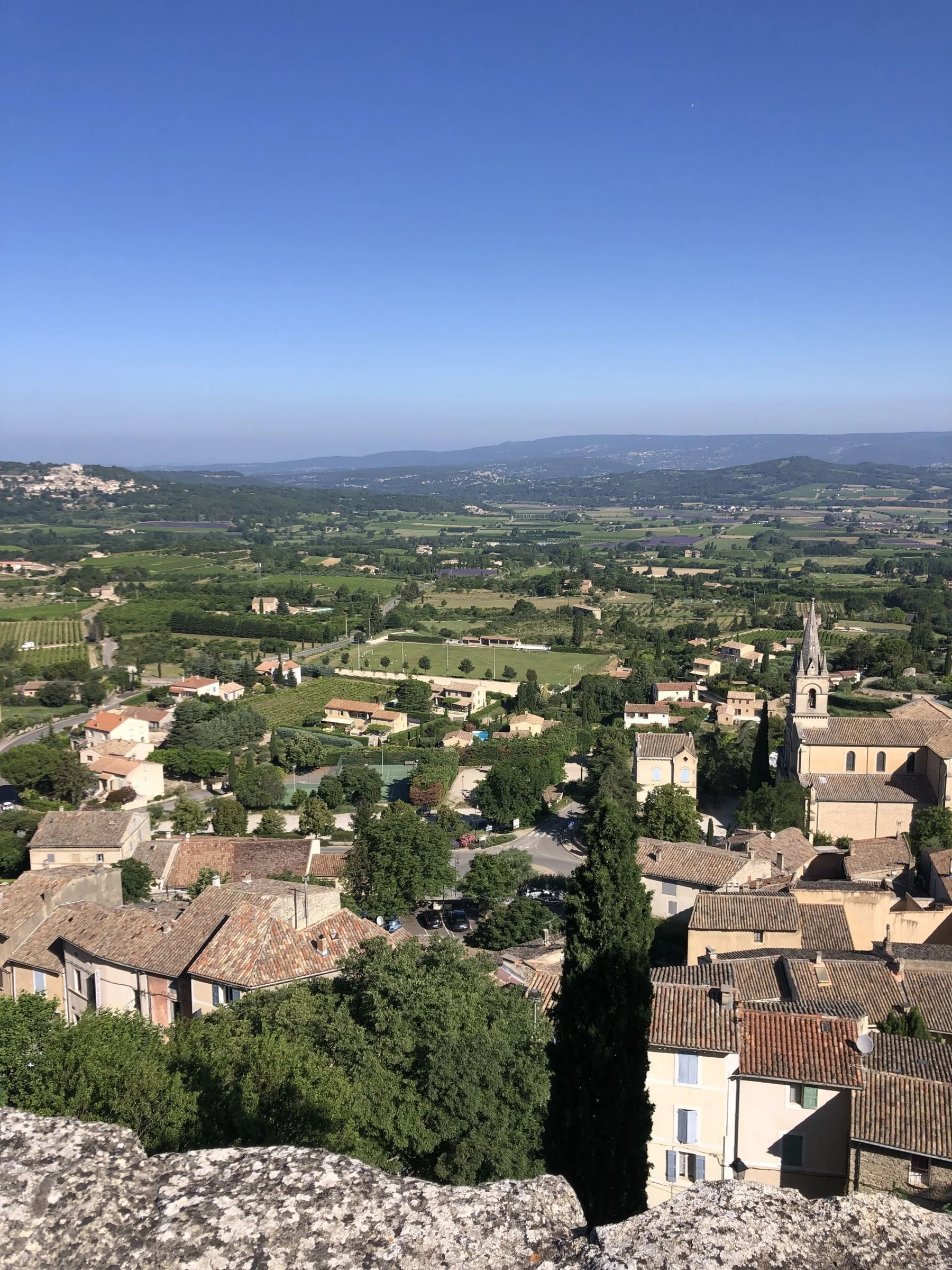
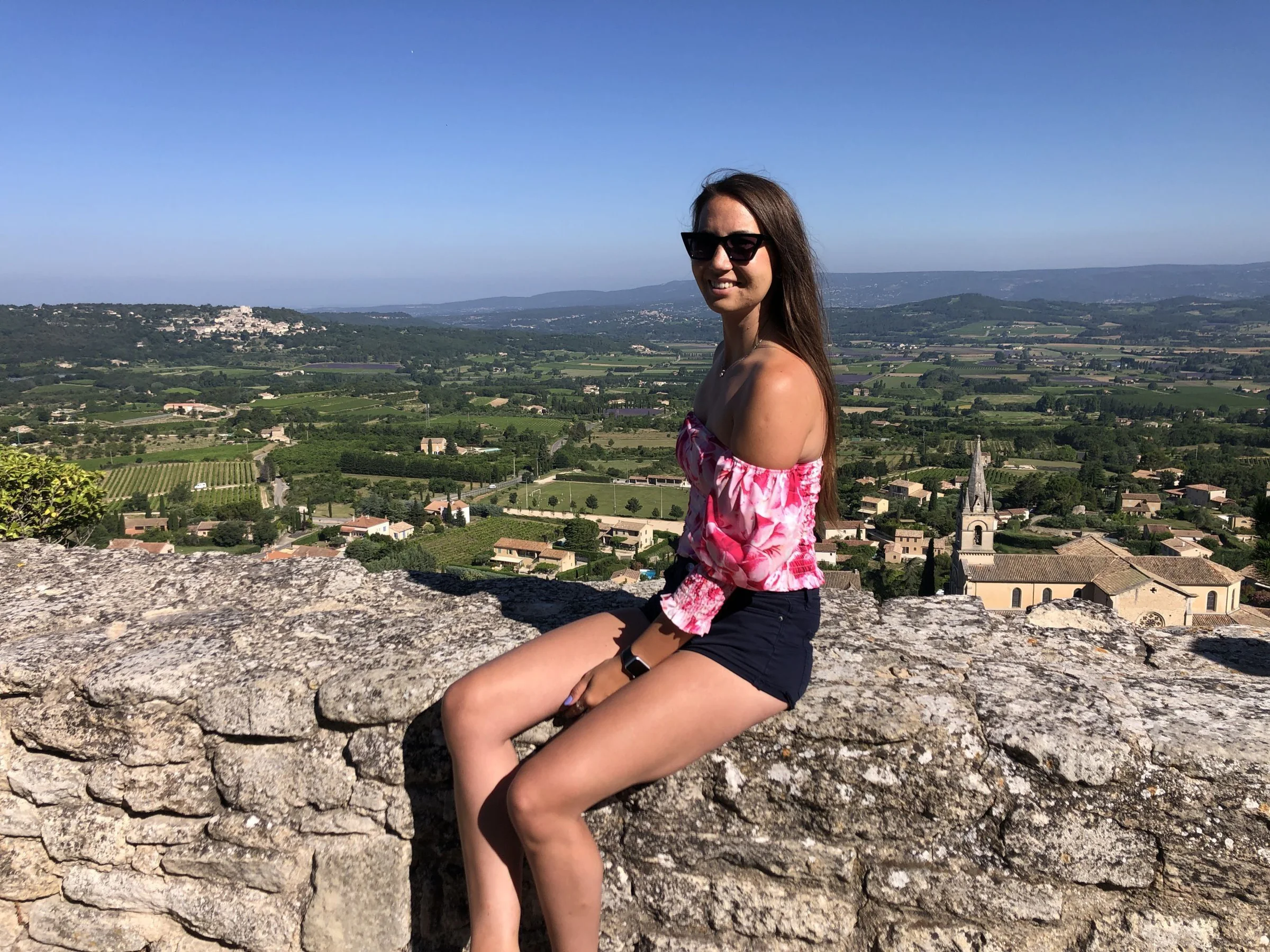
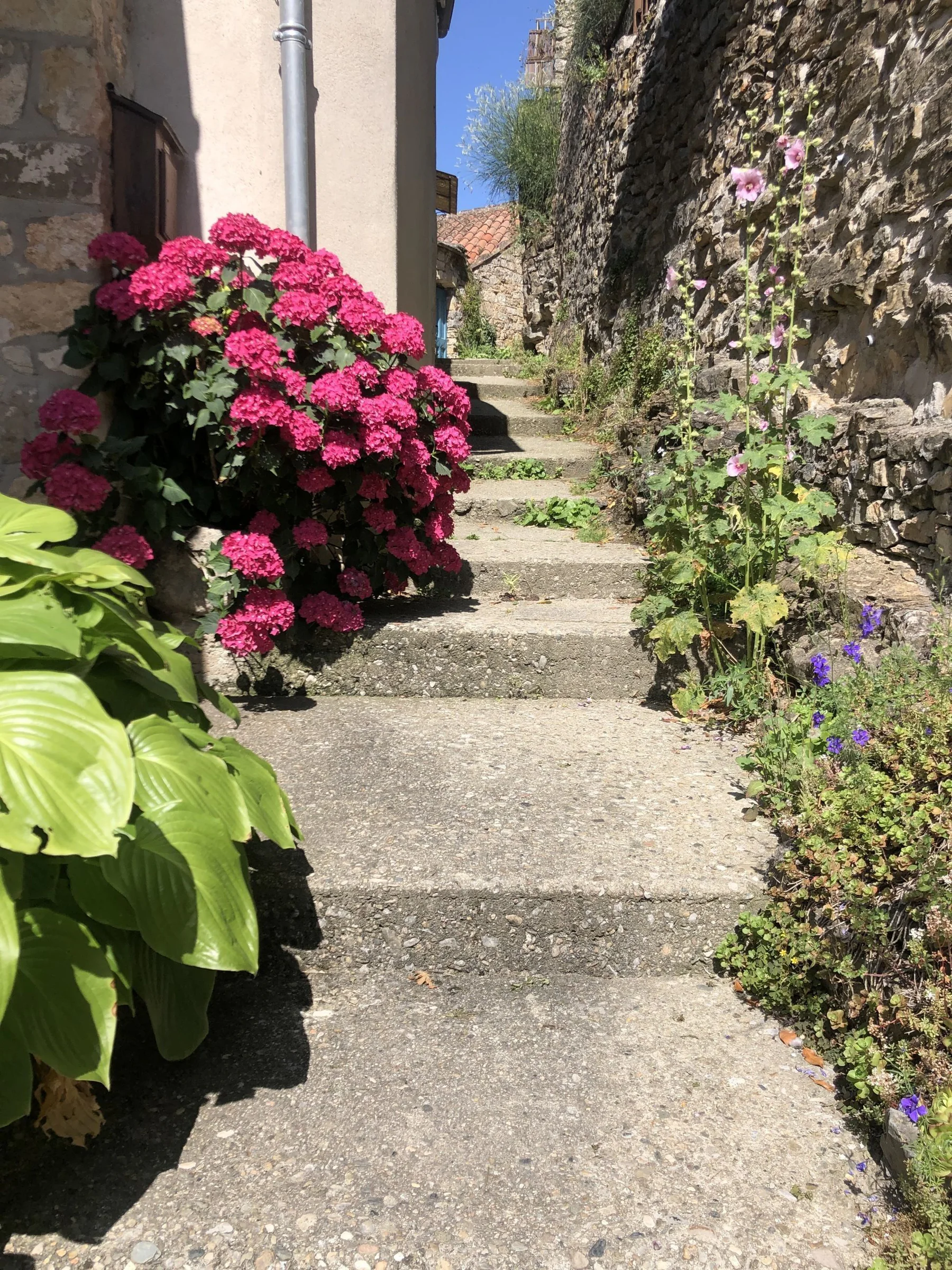
The stone town of Bonnieux (pronounced bon-yuh) boasts gorgeous views over the whole valley. The streets of the town are very narrow, but full of flowers, restaurants and cafés, and by the church there's an excellent bakery with croissants.
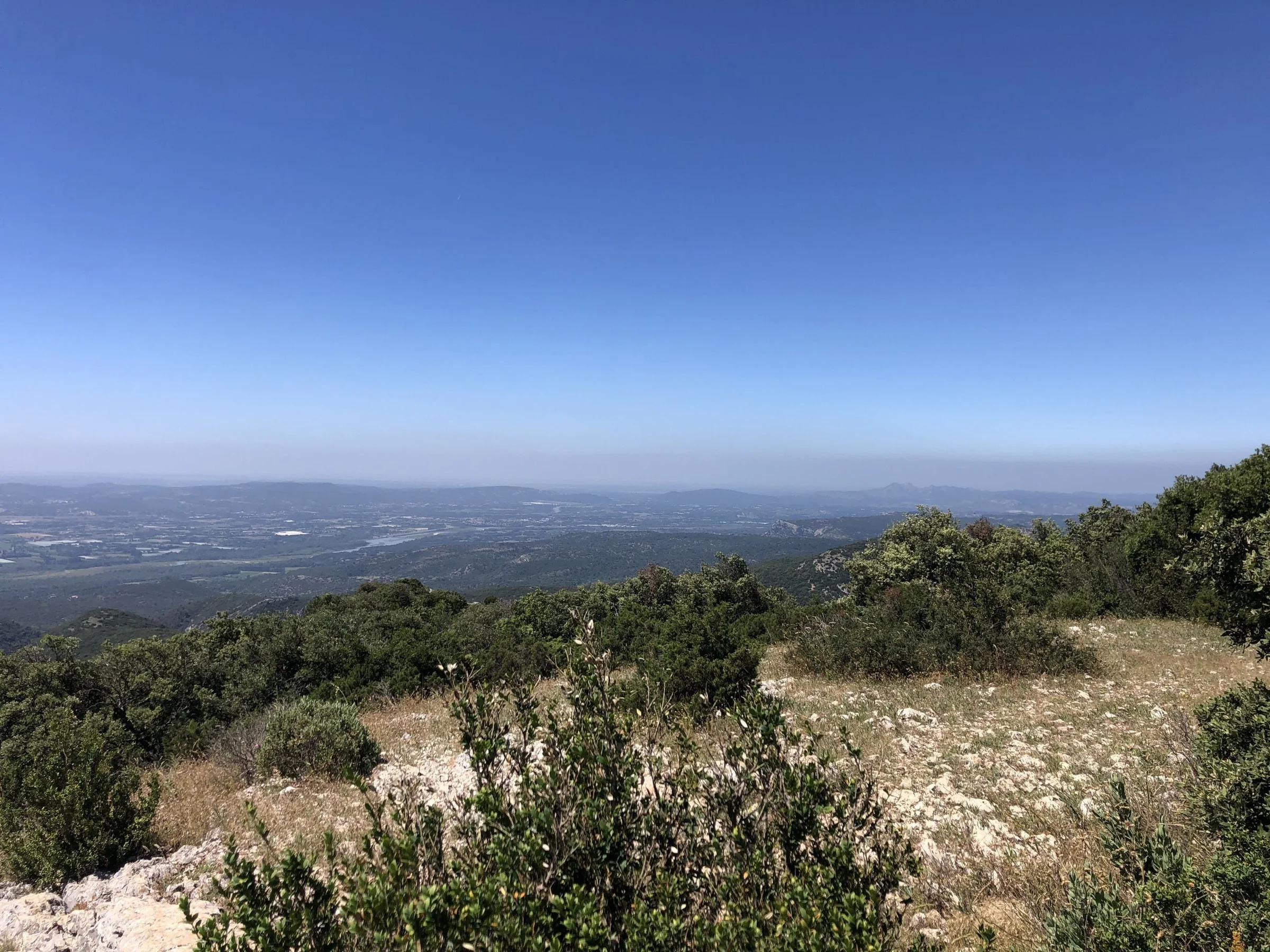
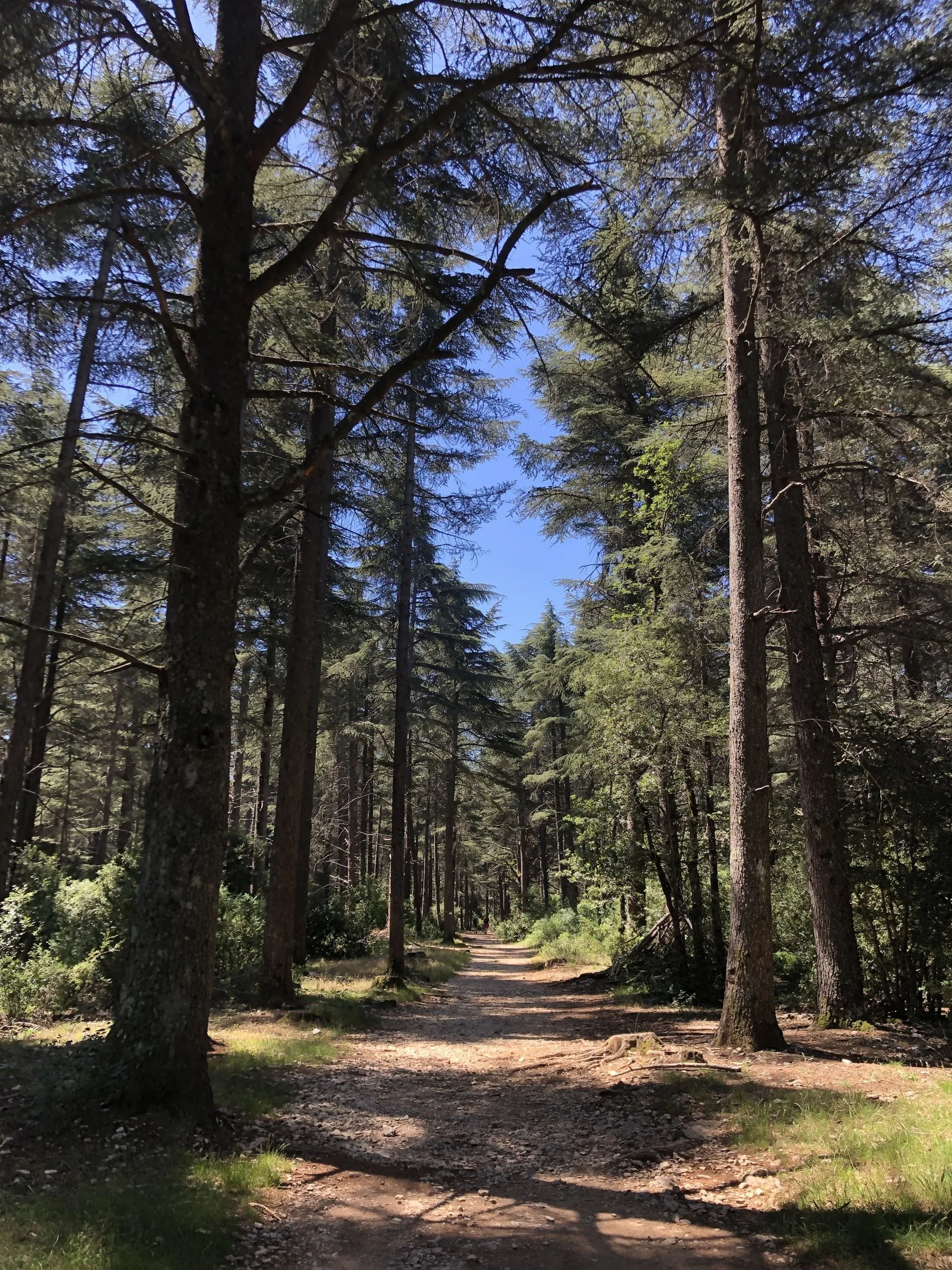
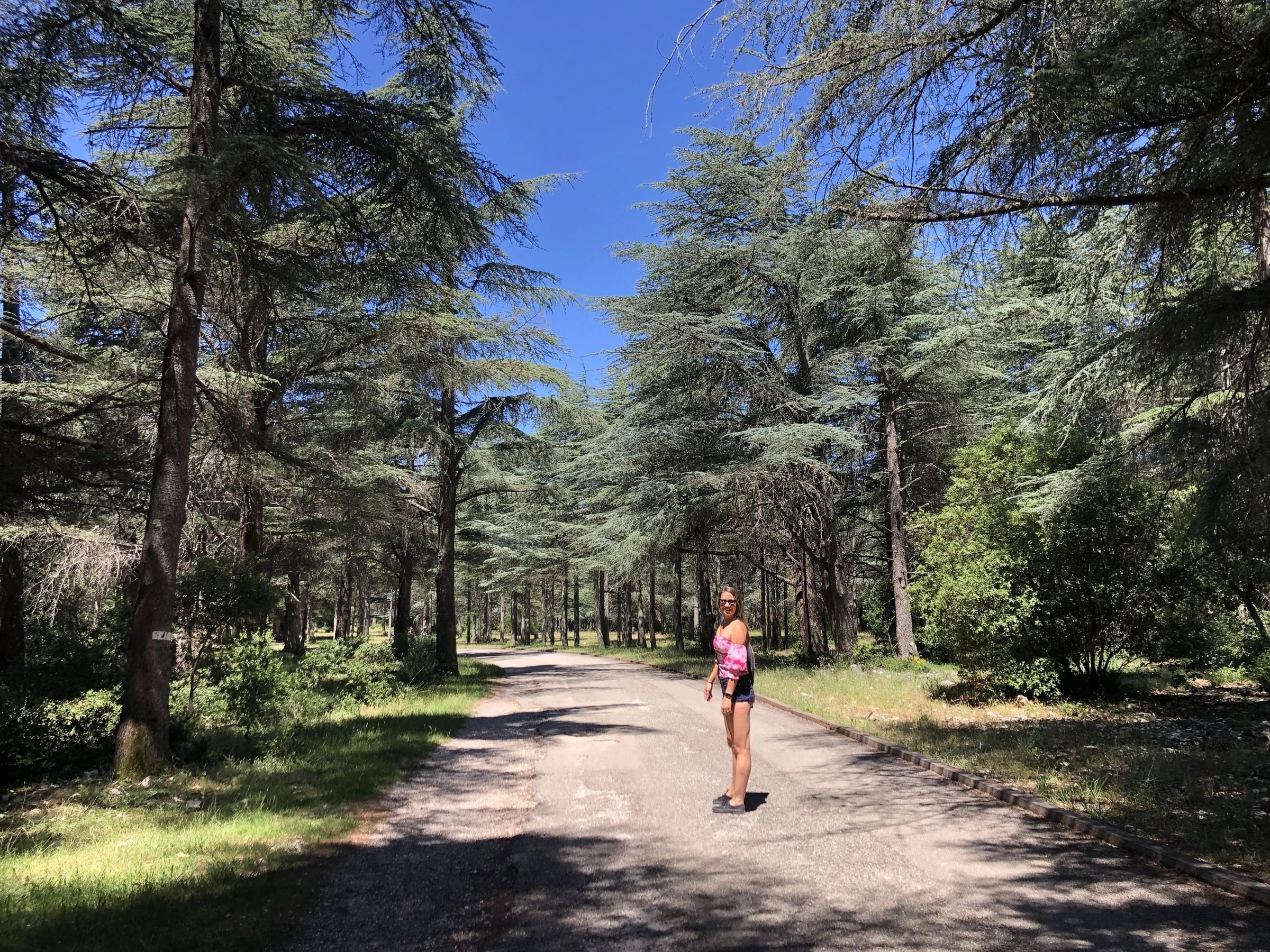
Luberon cedar forest with the Les Portalas viewpoint
Luberon is only a few tens of minutes from the town of Bonnieux, and even children can manage a walk through the cedar forest. Luberon is a protected landscape area and the cedars were planted here in the 19th century. The walk to the Les Portalas viewpoint takes 1.5 hours from the car park.
Roussillon
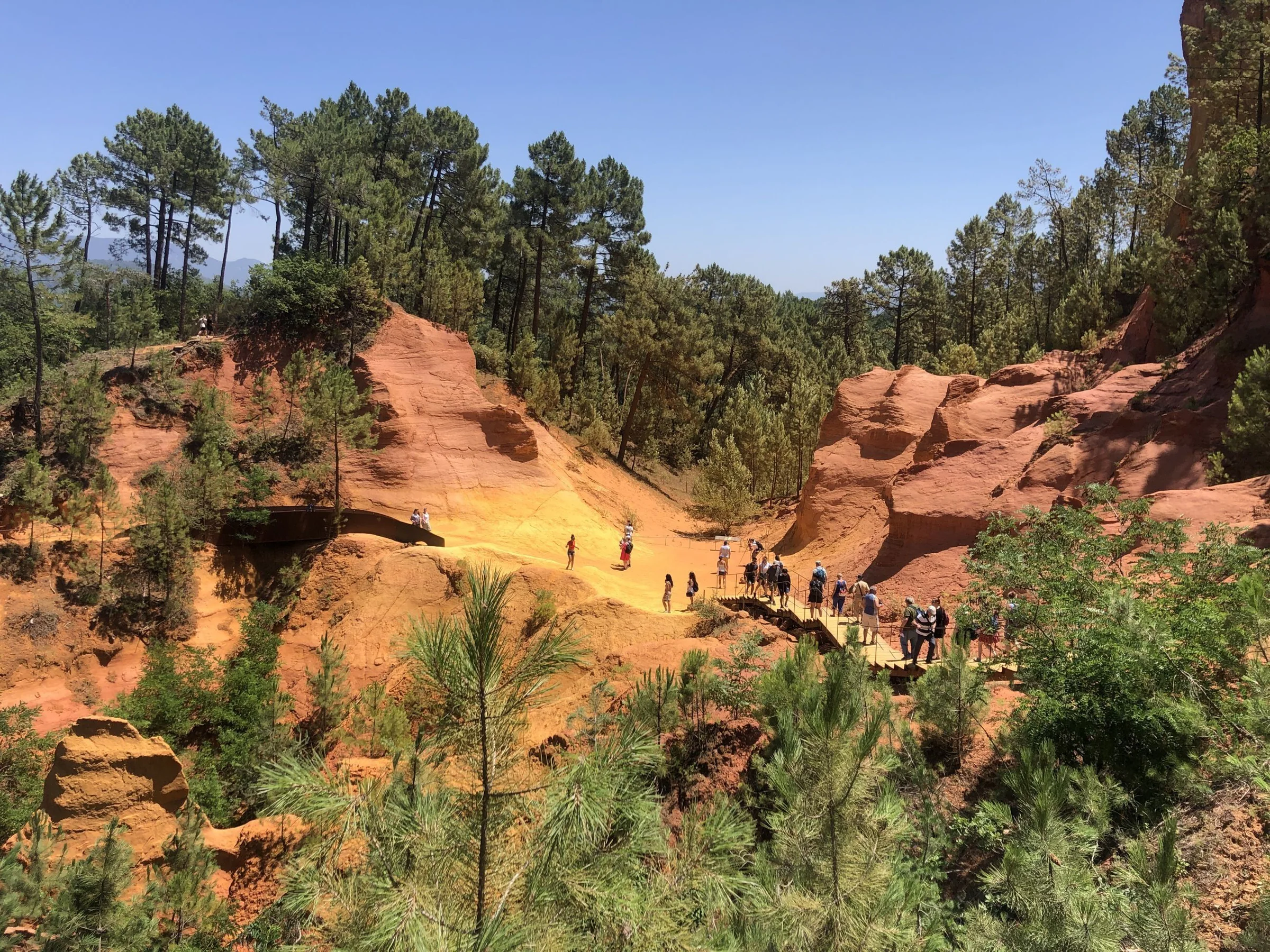
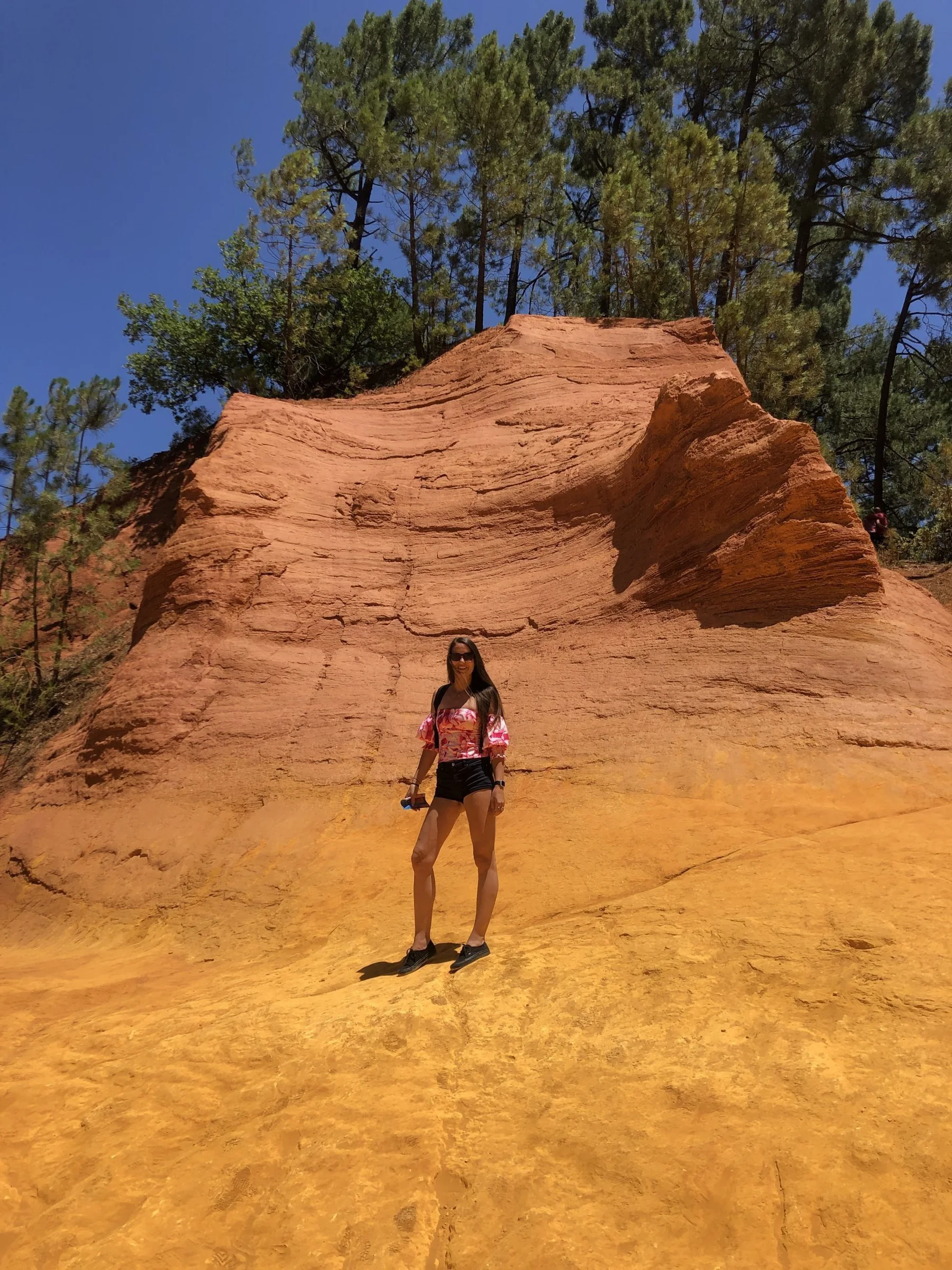
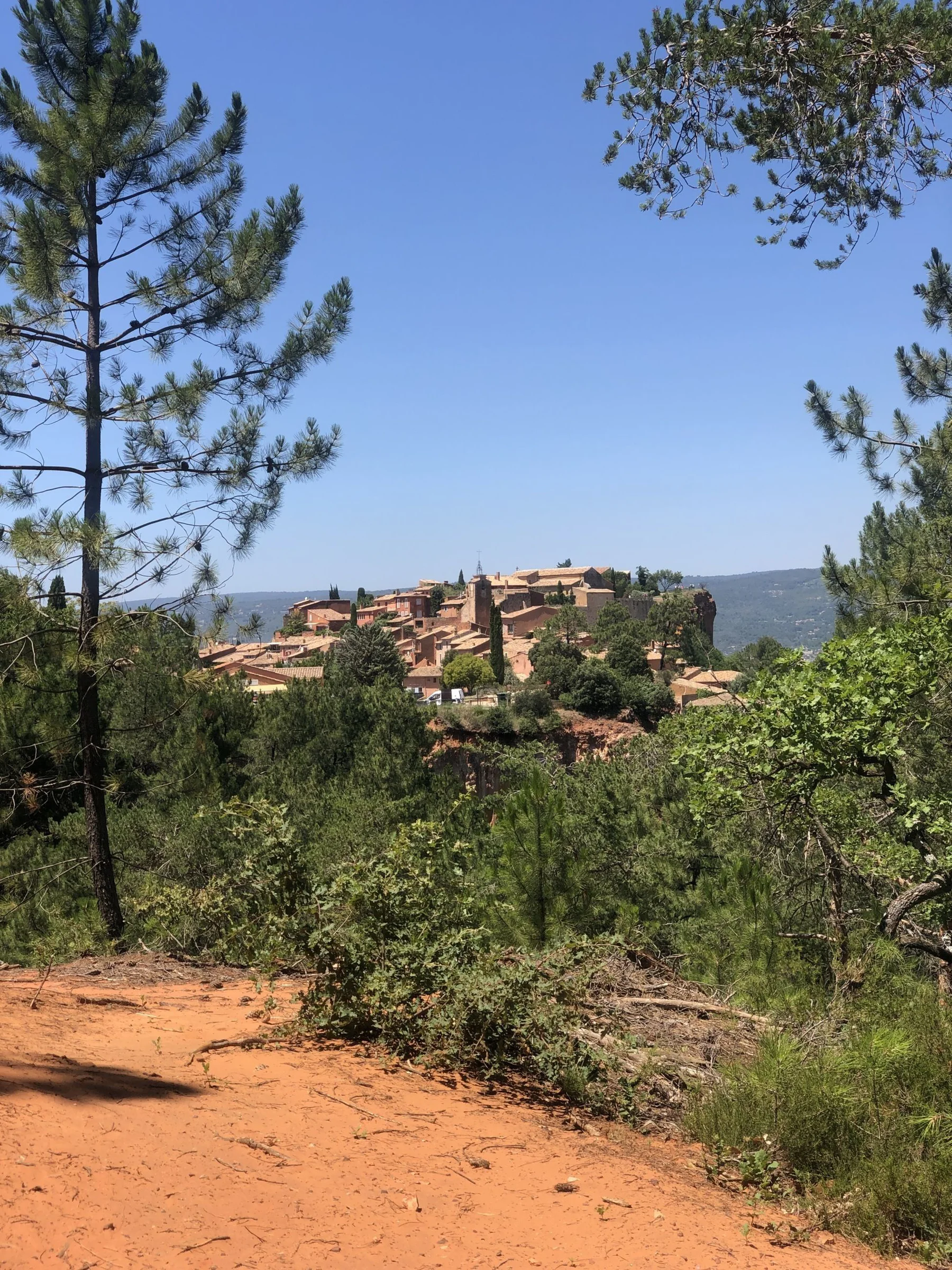
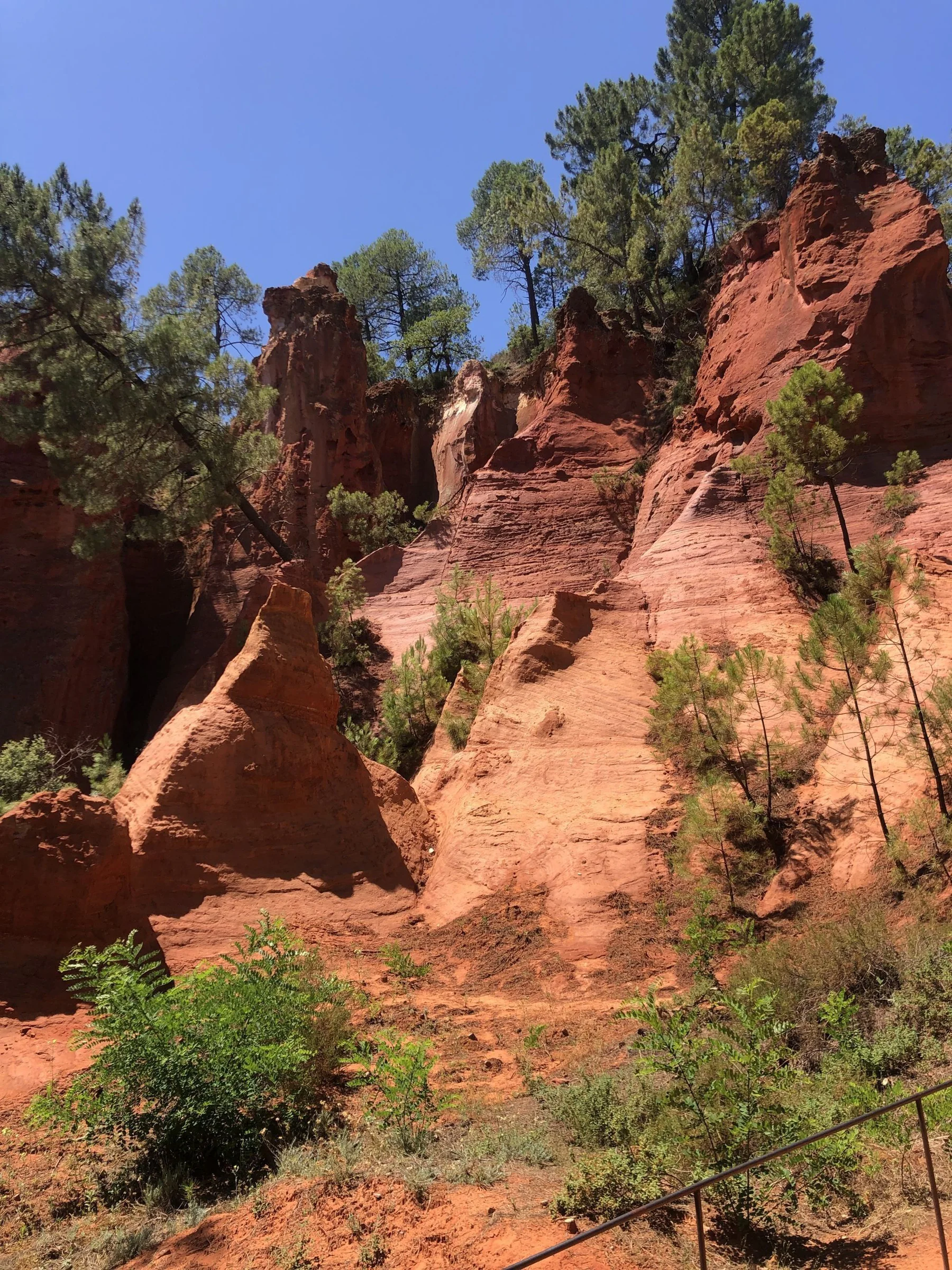
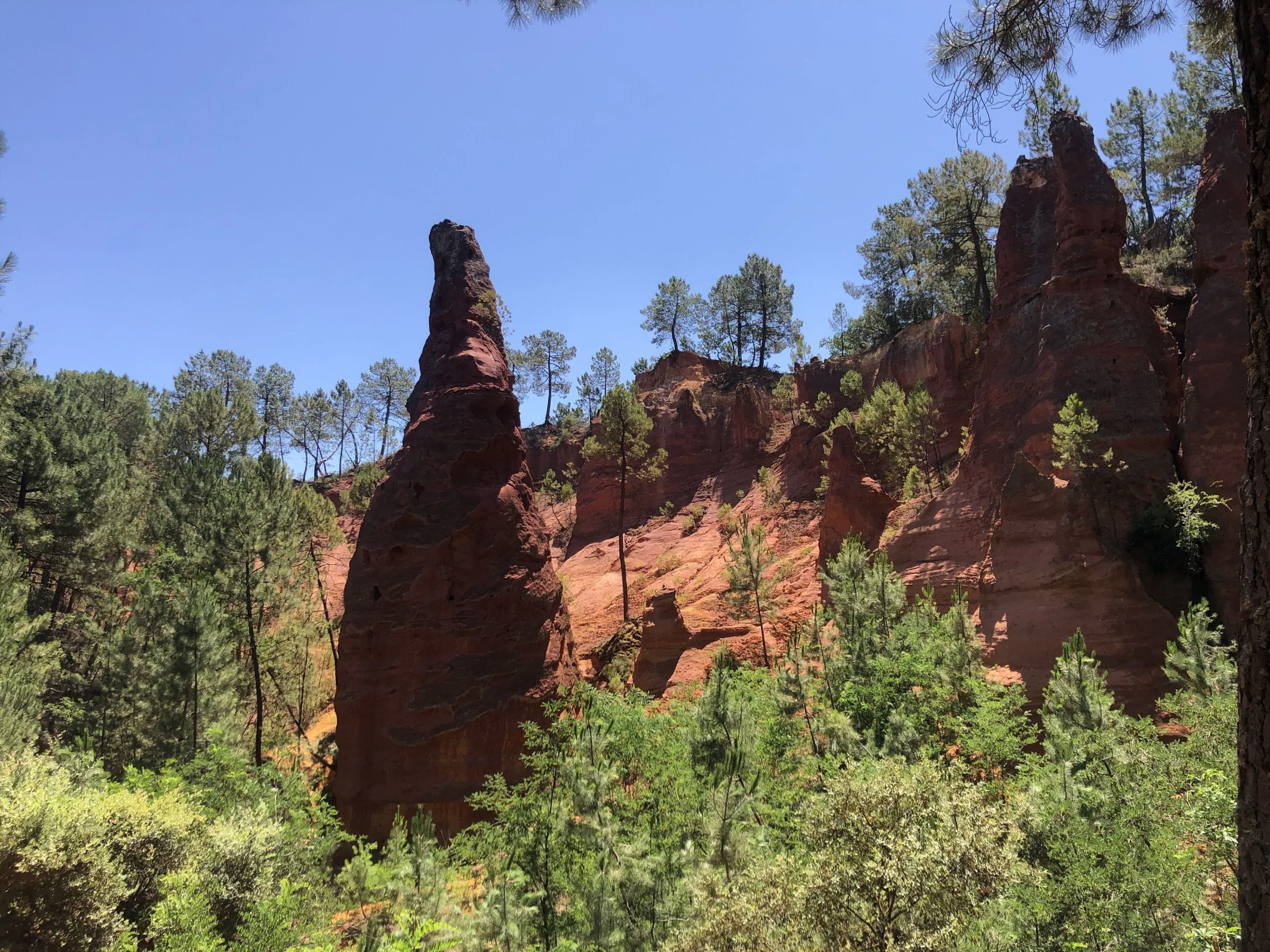
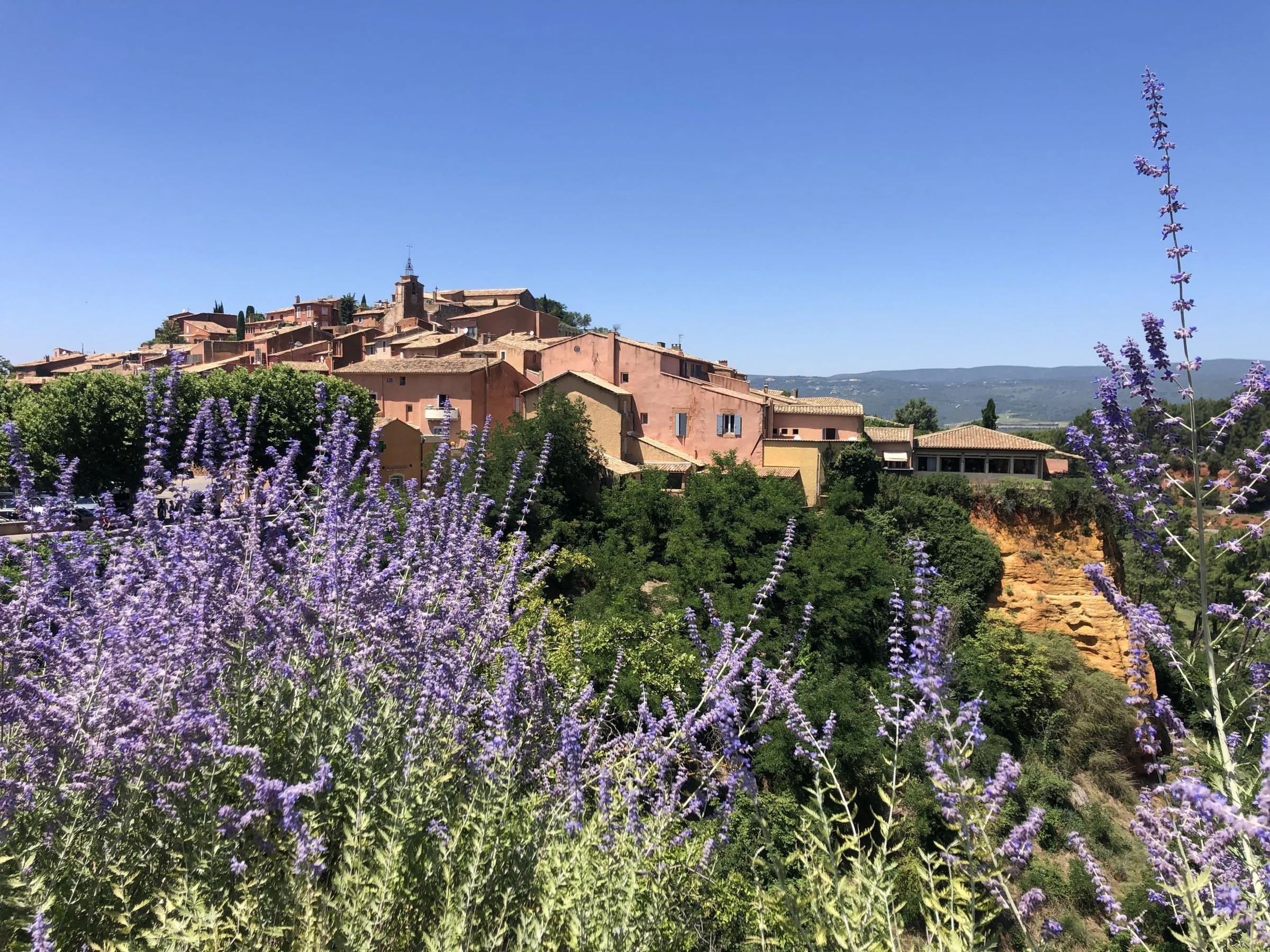
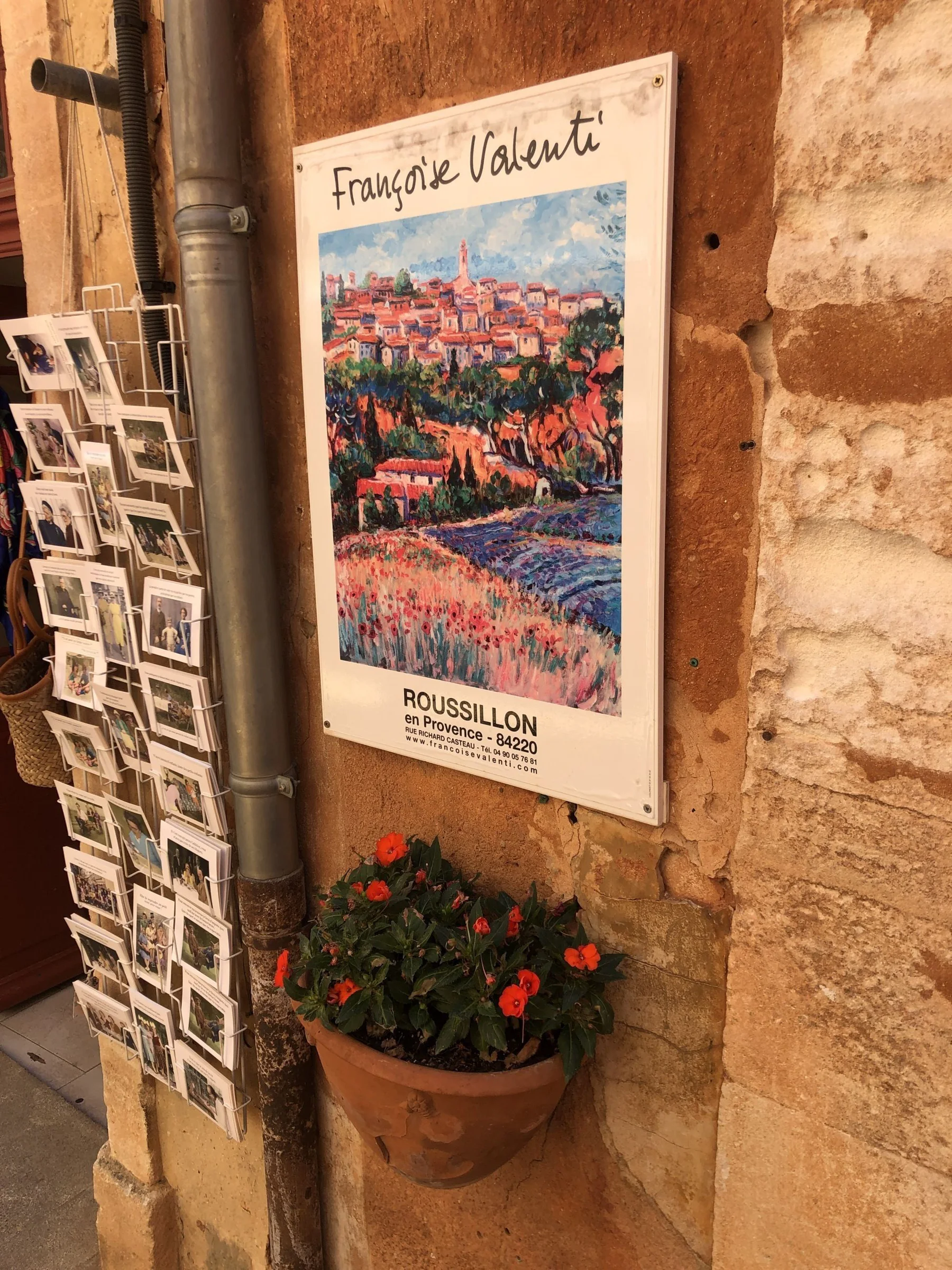
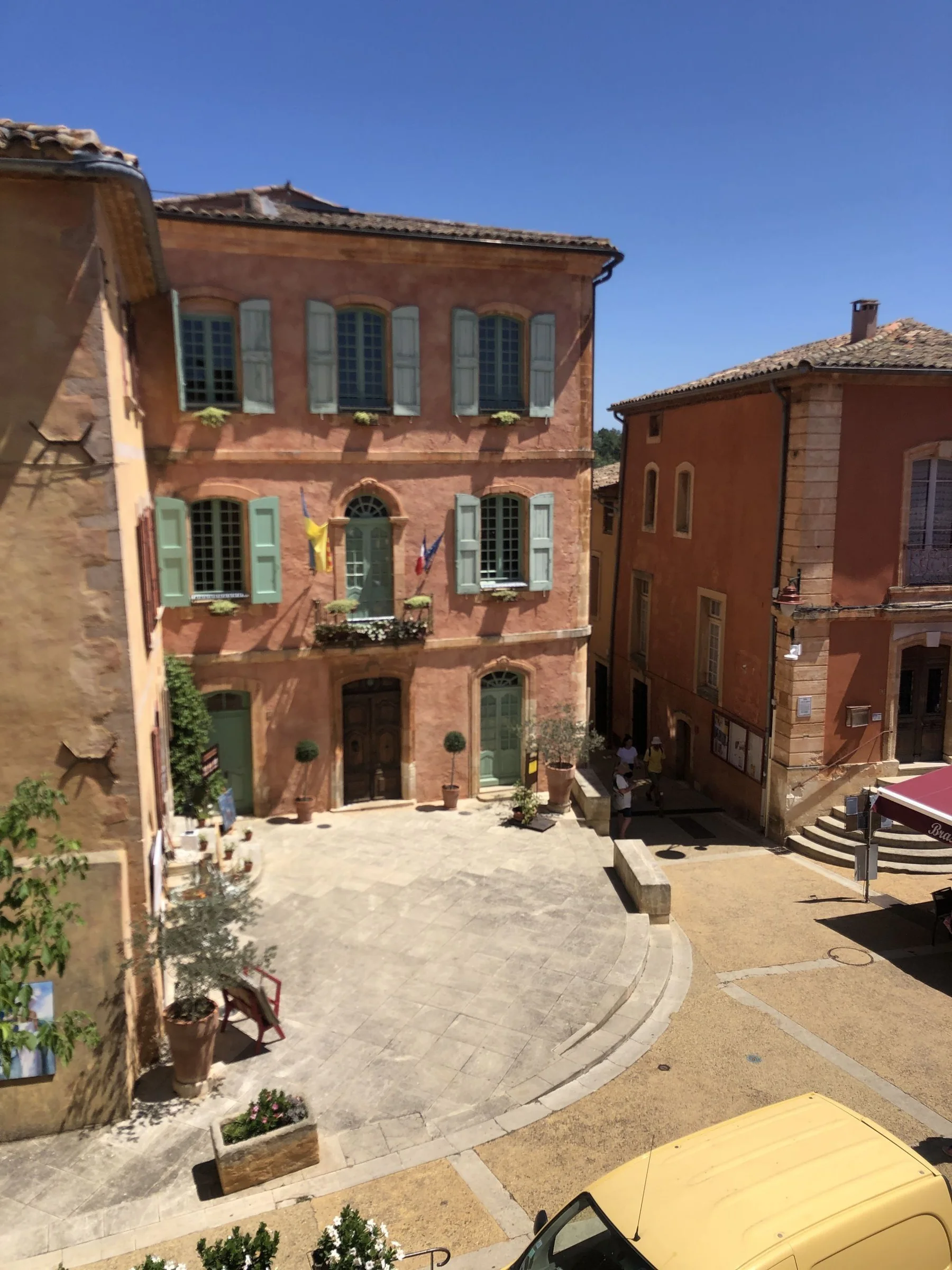
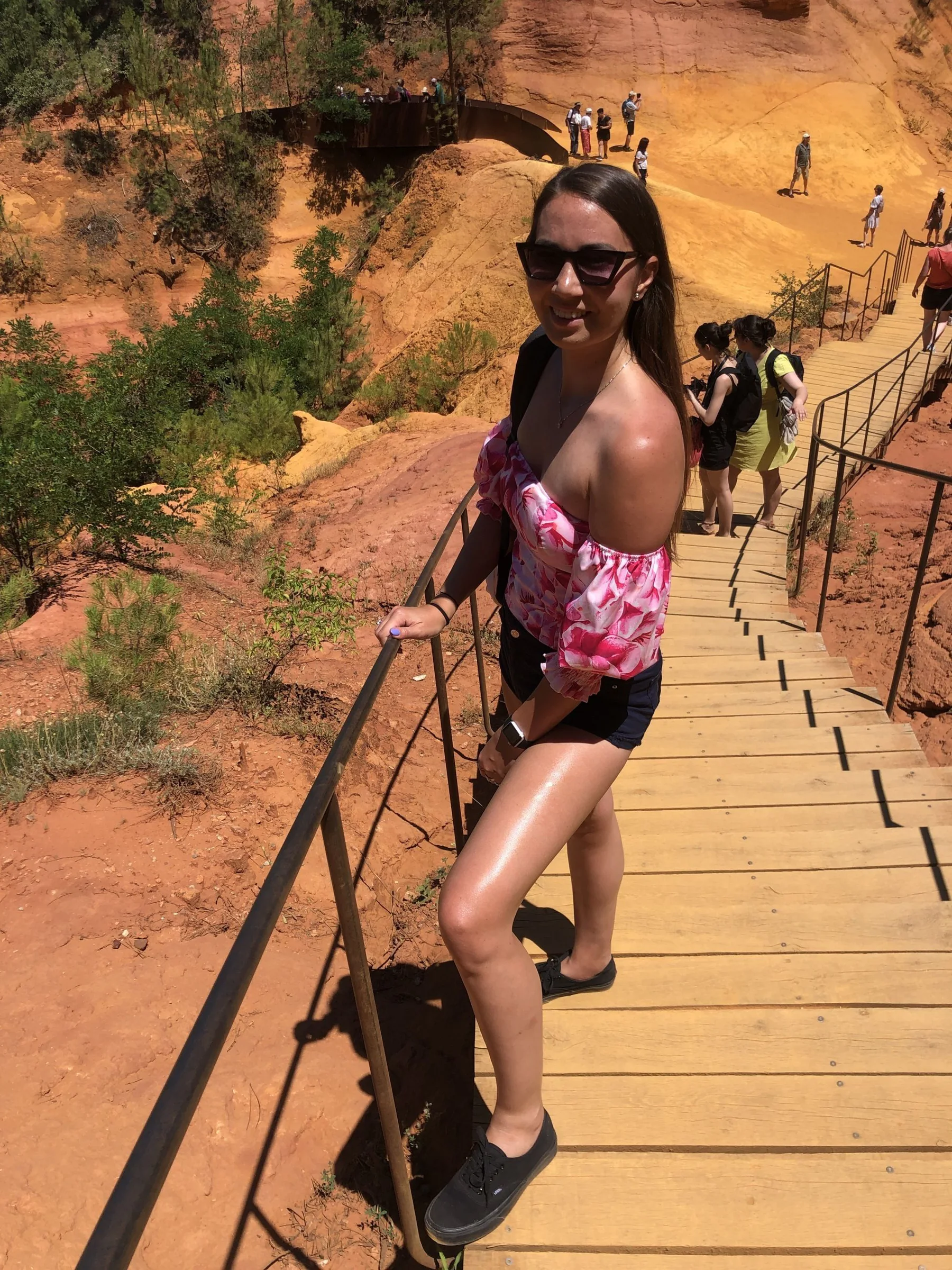
For me one of the nicest stops in Provence. The town of Roussillon sits on a rocky plateau and has enchanting old streets and a beautiful view. But people come here above all for the ochre hills. A ticket is 3 euros per person. You can choose from 2 routes - a shorter one (35 min) and a longer one (50 min). Both are very easy, and on the longer one you'll meet almost no people and you get bigger rocks in return.
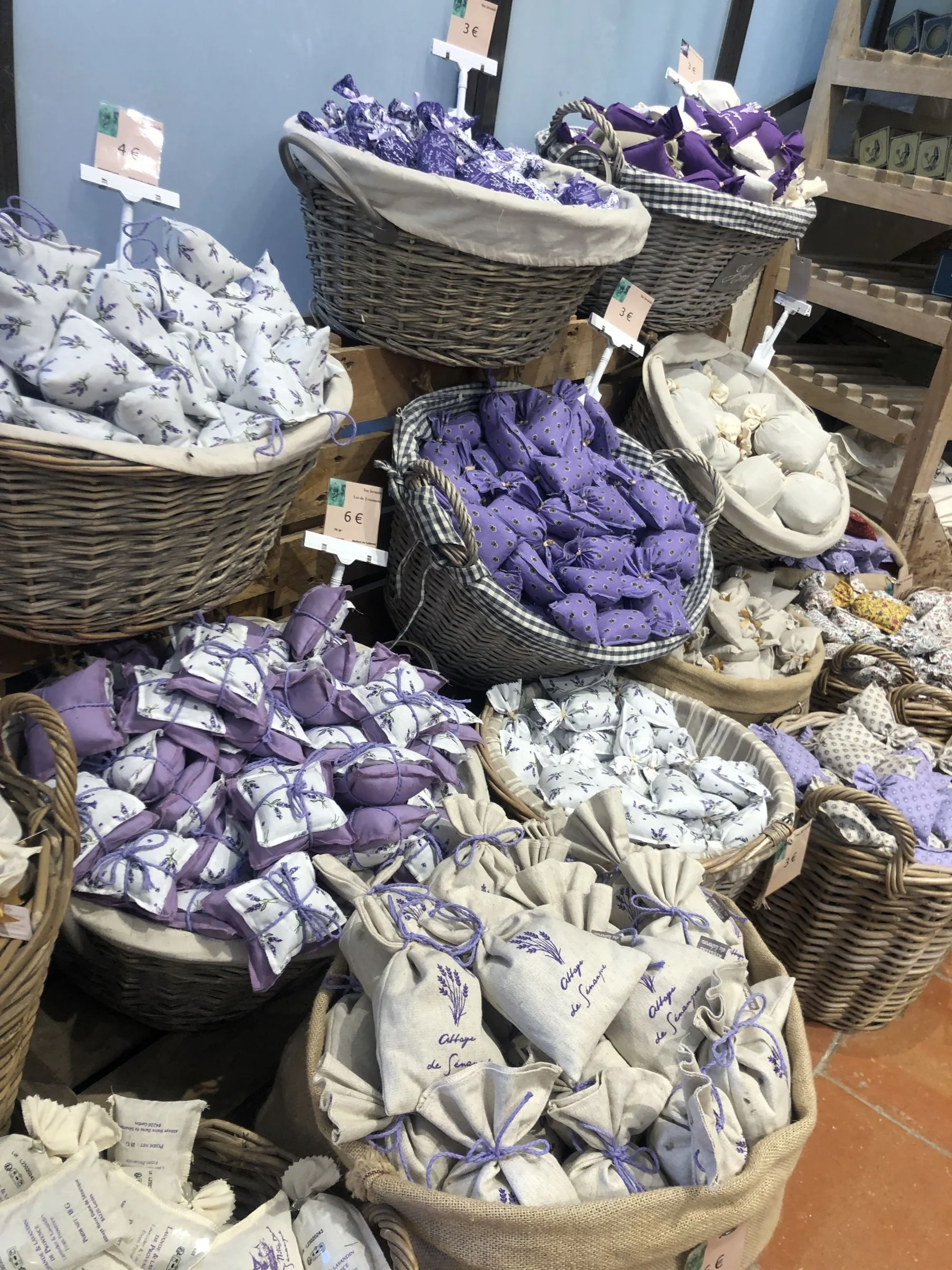
Abbaye Notre-Dame de Sénanque
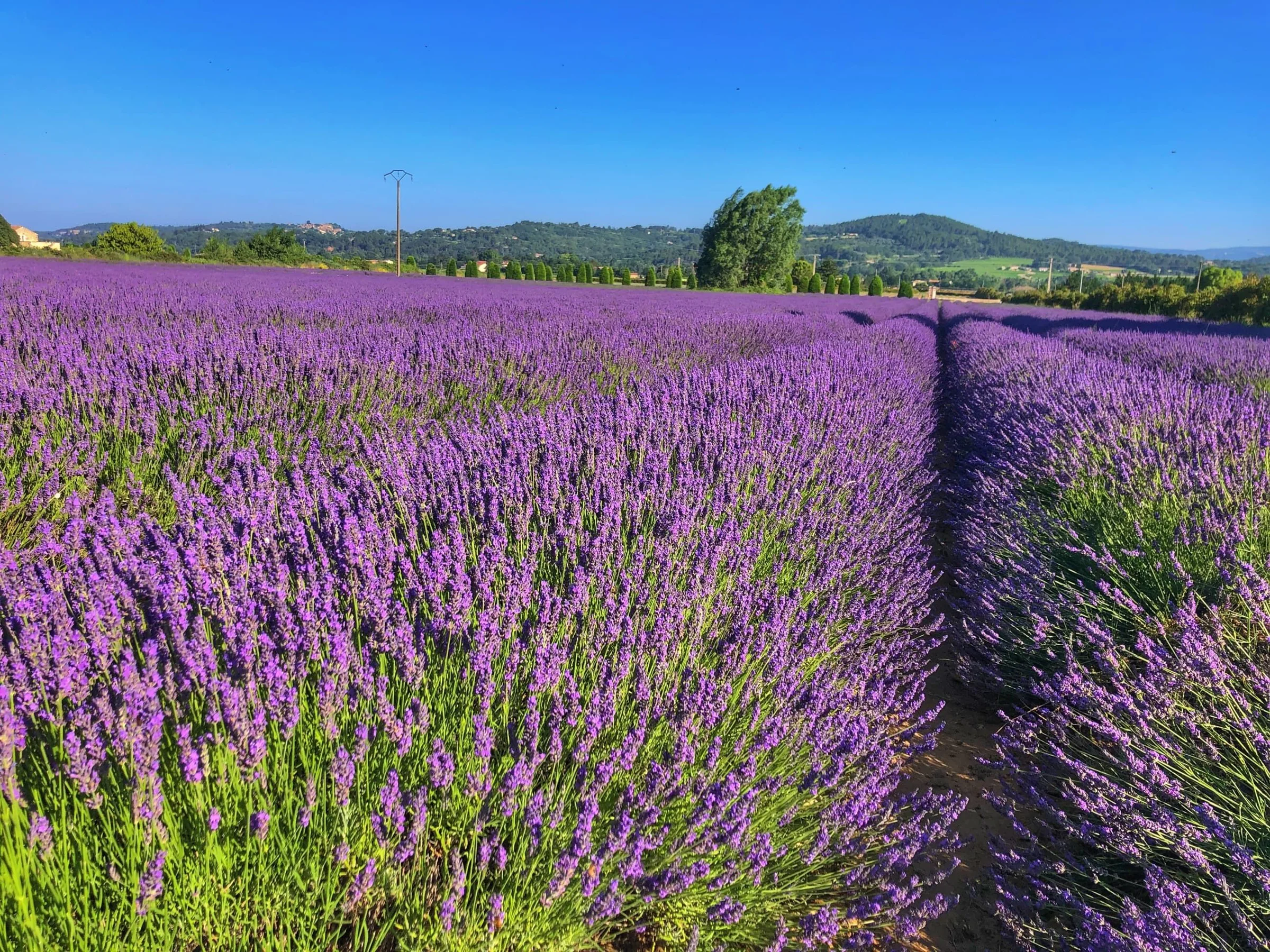
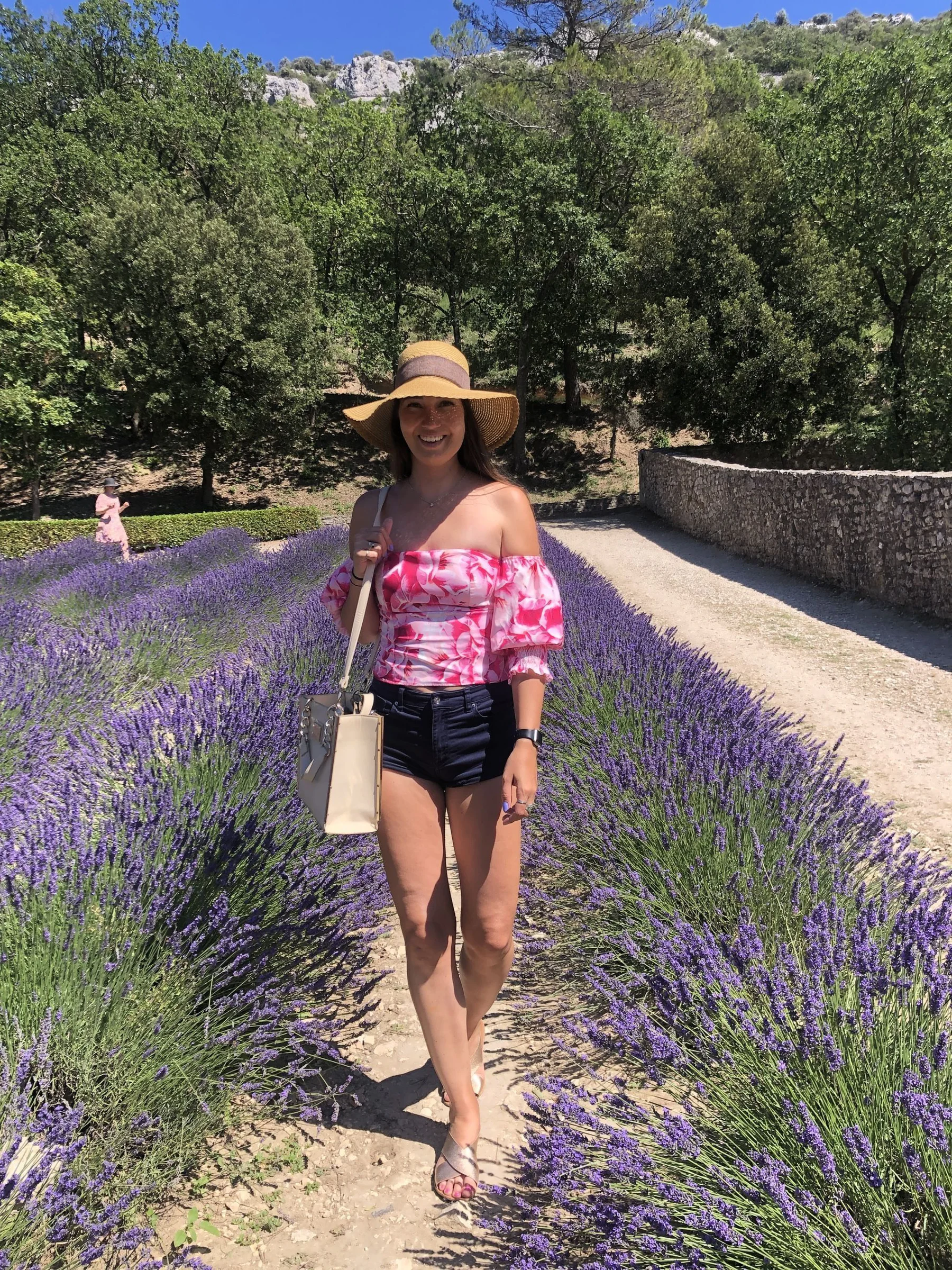
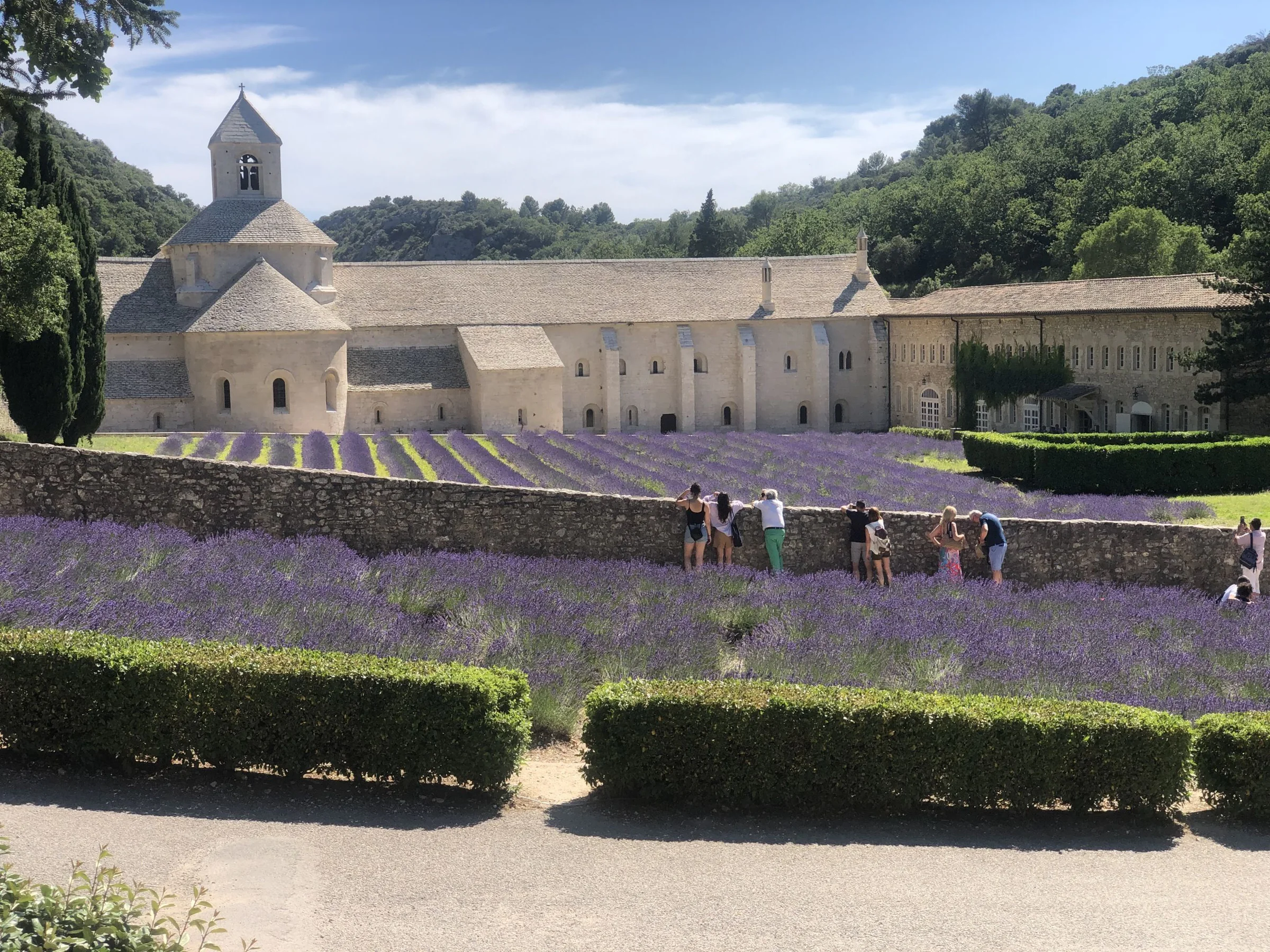
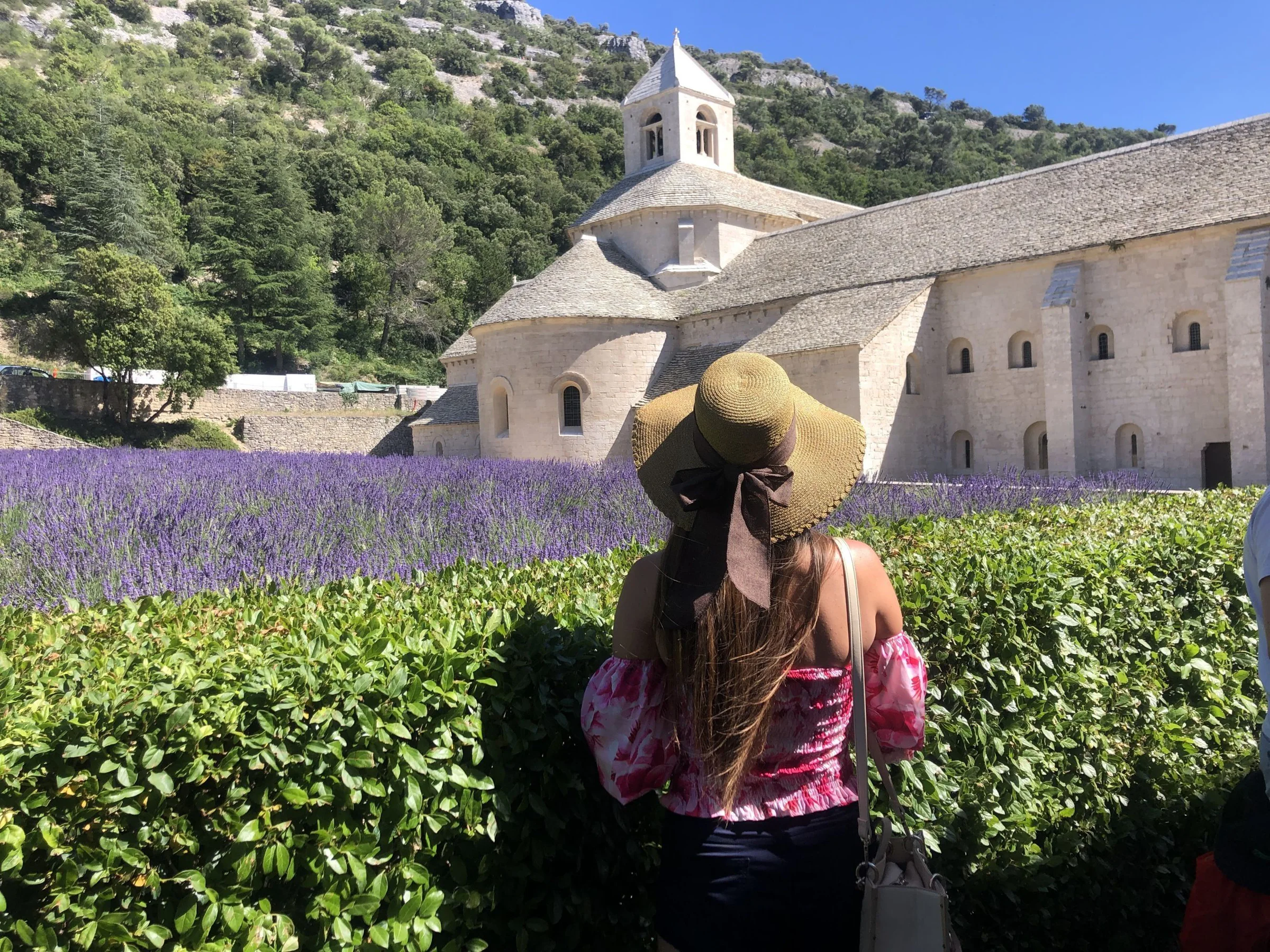
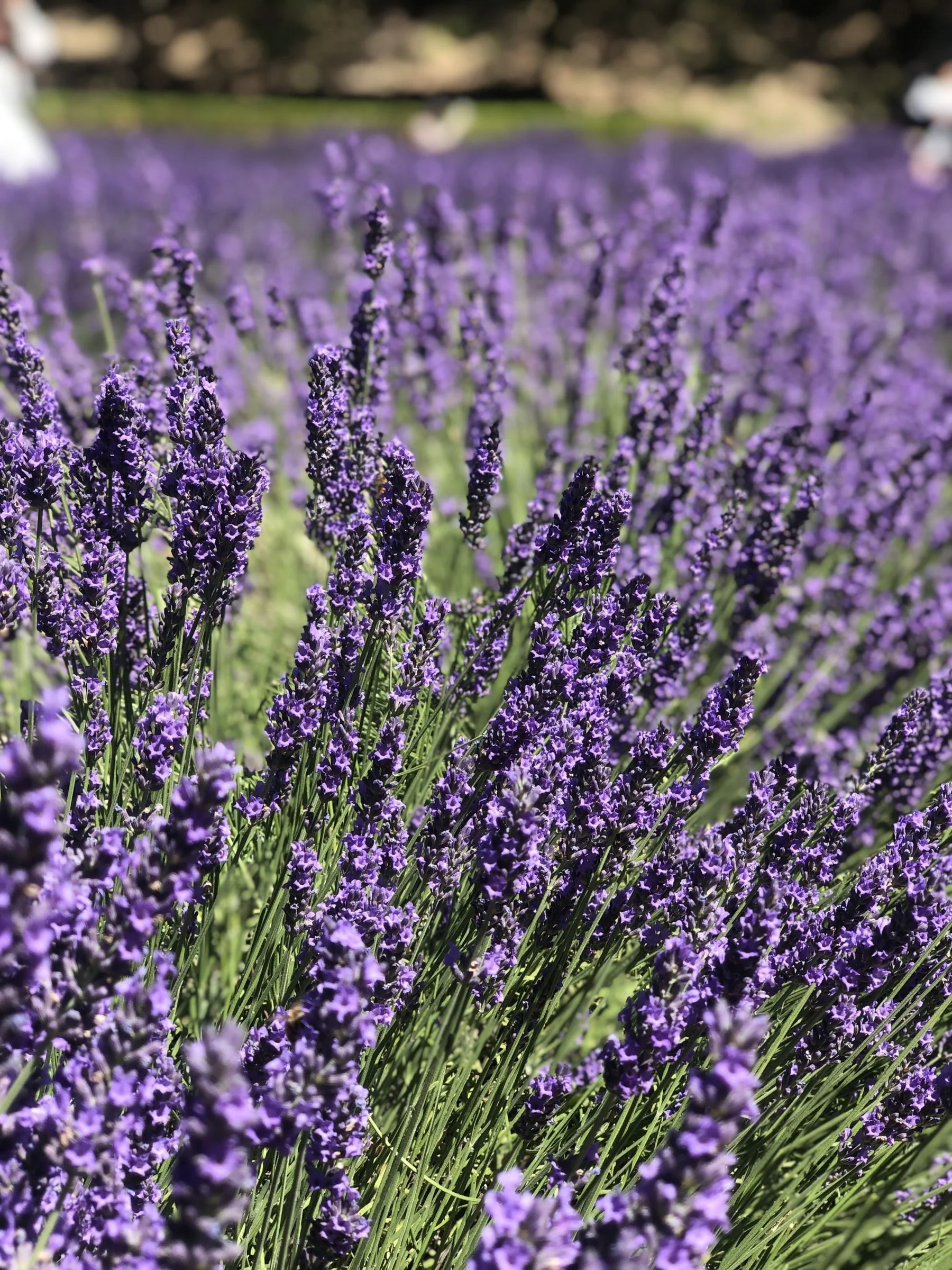
This abbey with its lavender fields definitely belongs among the TOP sights in Provence too. Admit it, isn't it beautiful?

Fontaine de Vaucluse
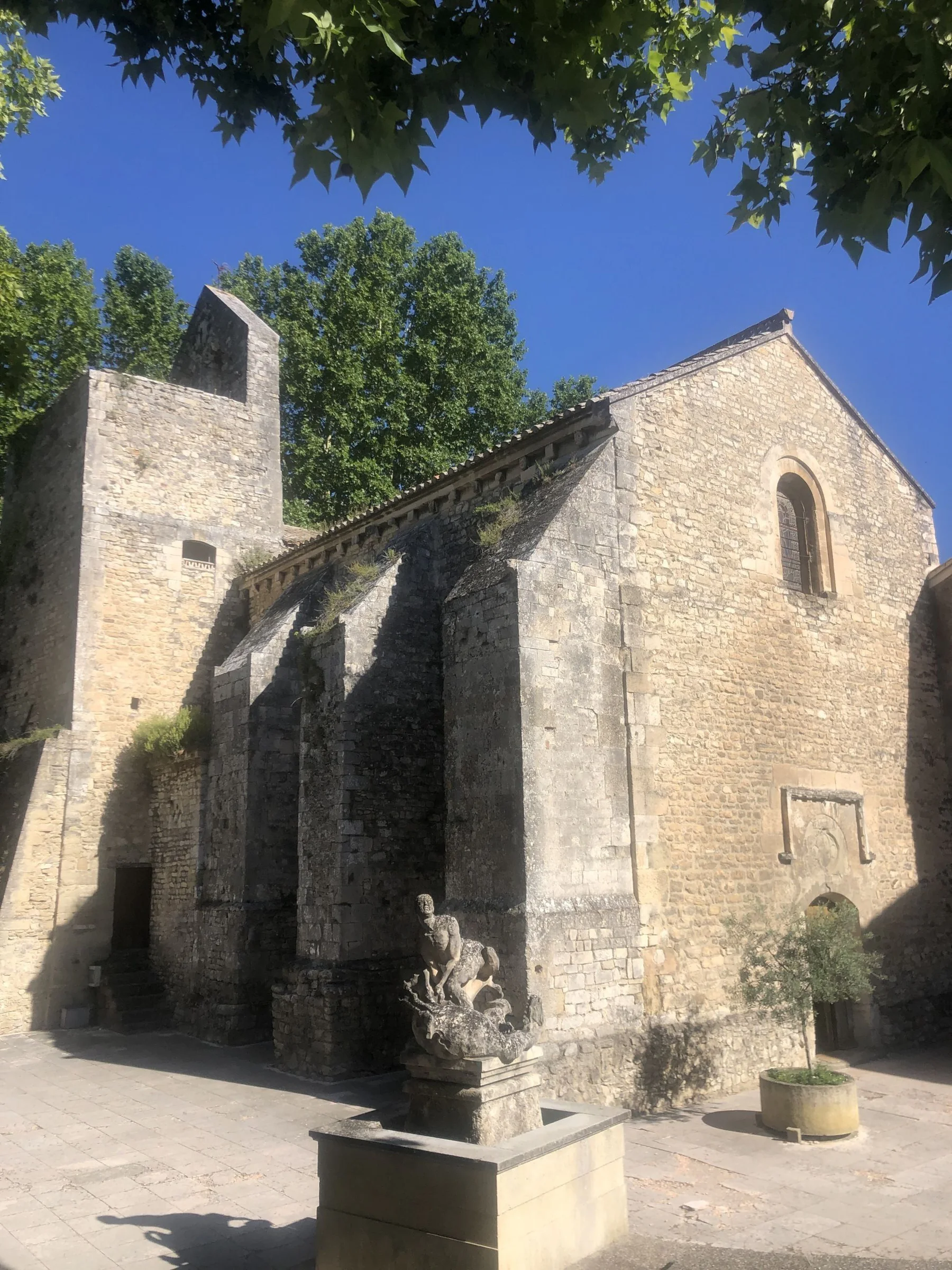
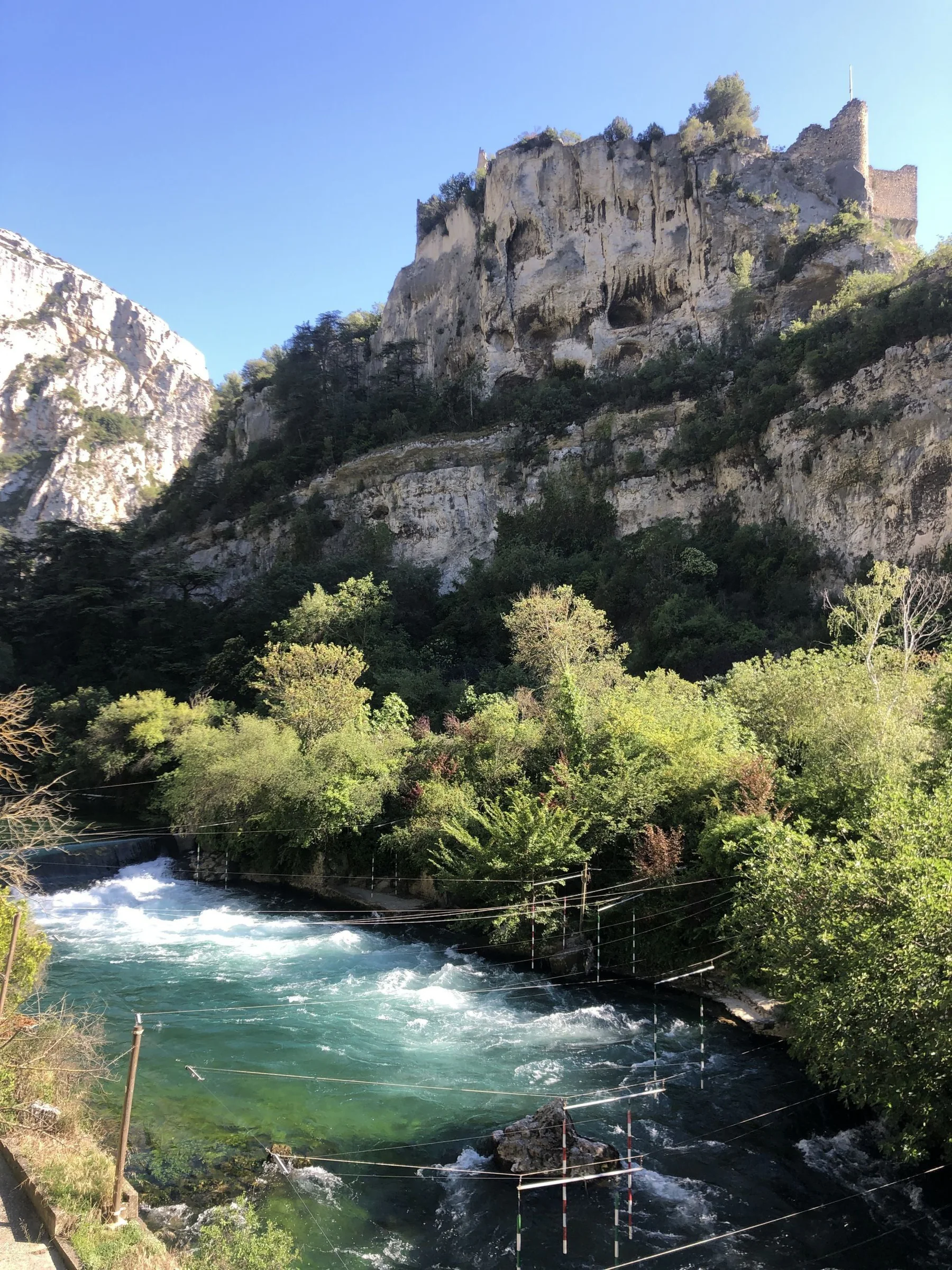
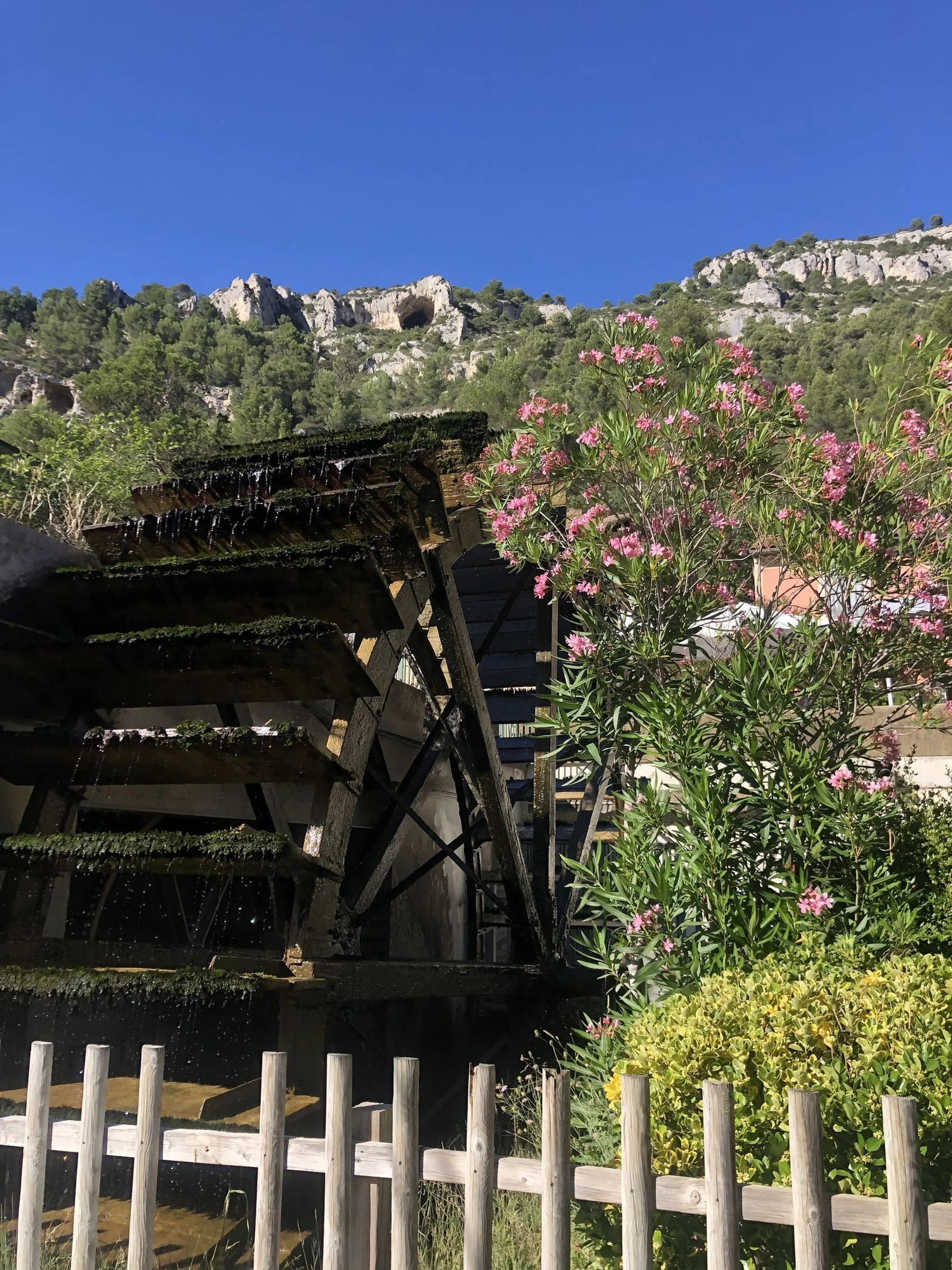
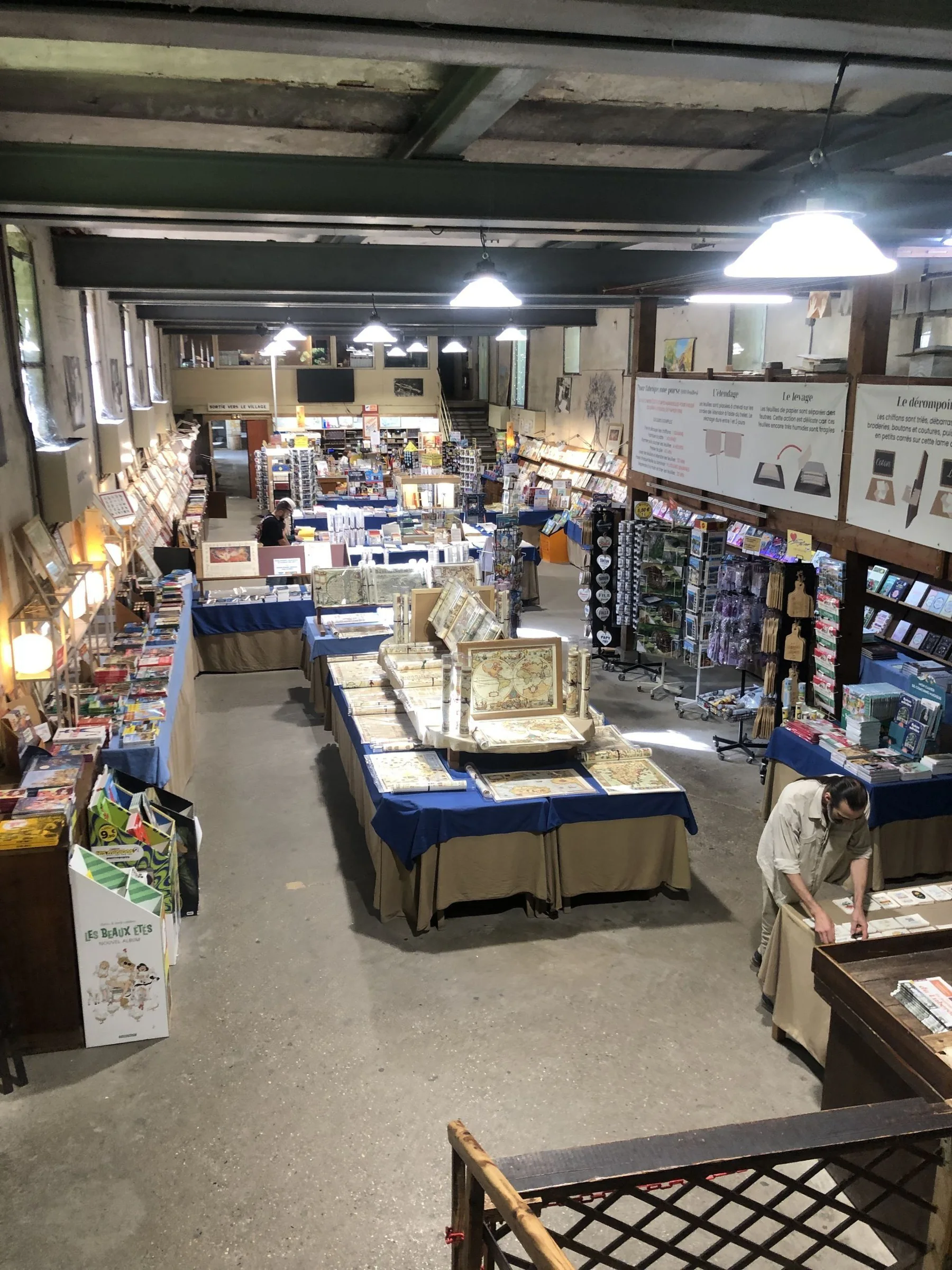
This town became famous for one of the most powerful natural springs in the world. The spring of the river gushes from the depths at the foot of a gorge surrounded by 200-metre-high rocks. Every second, 90,000 litres of water well up here. The energy from the spring is used by the local paper mill, which works with 15th-century technology. A walk through the town ends at the abyss of a collapsed cave, where there is a pool more than 300 m deep. Many divers and submarines have explored its depth, but the bottom has never been reached.
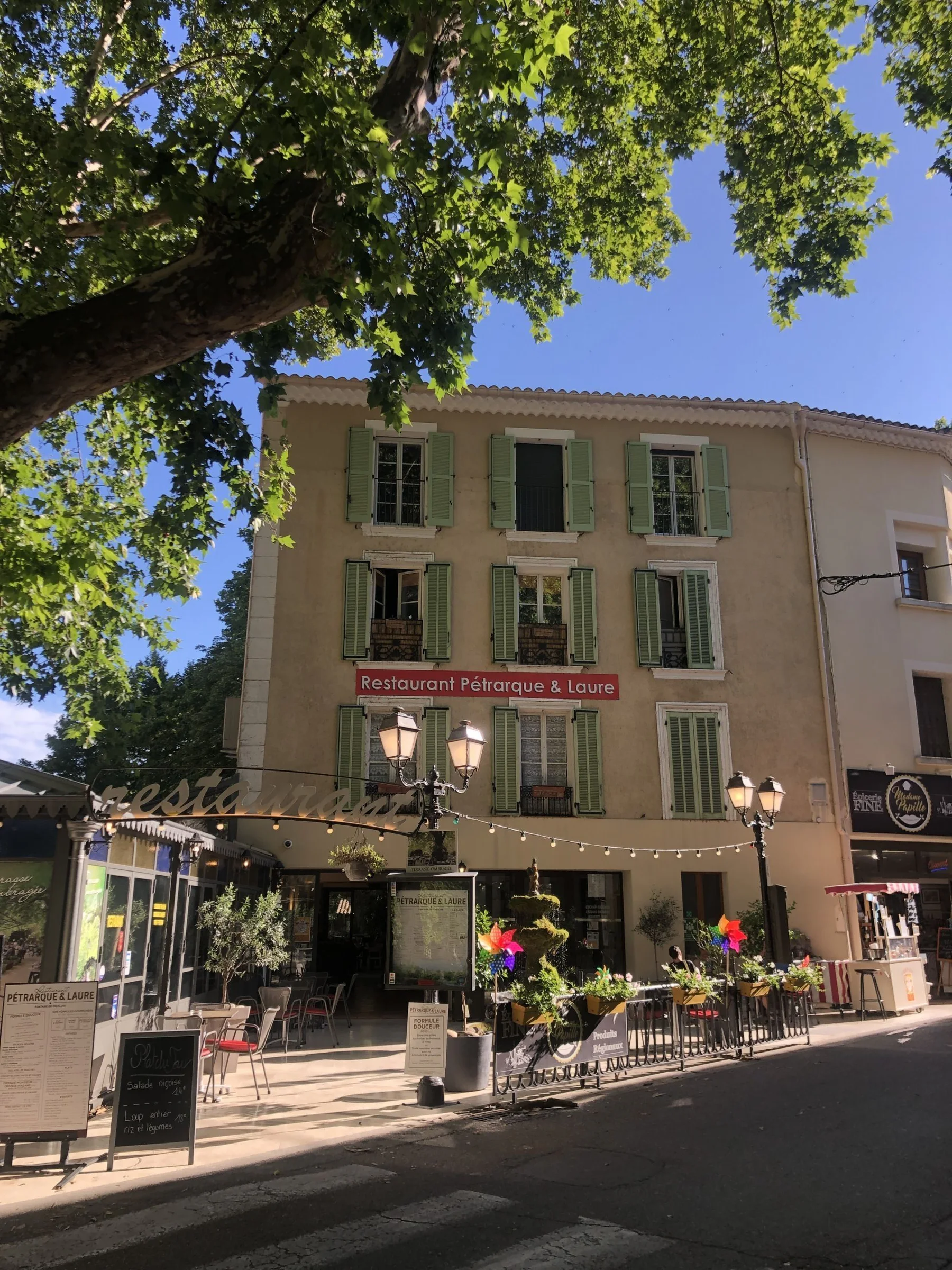
The Italian poet Petrarch lived here. He fell in love with Laura, but she didn't return his love. It was by this pool that he wrote lots of poems for her. In the centre of the town you'll find a restaurant named after them.
Van Gogh's Arles
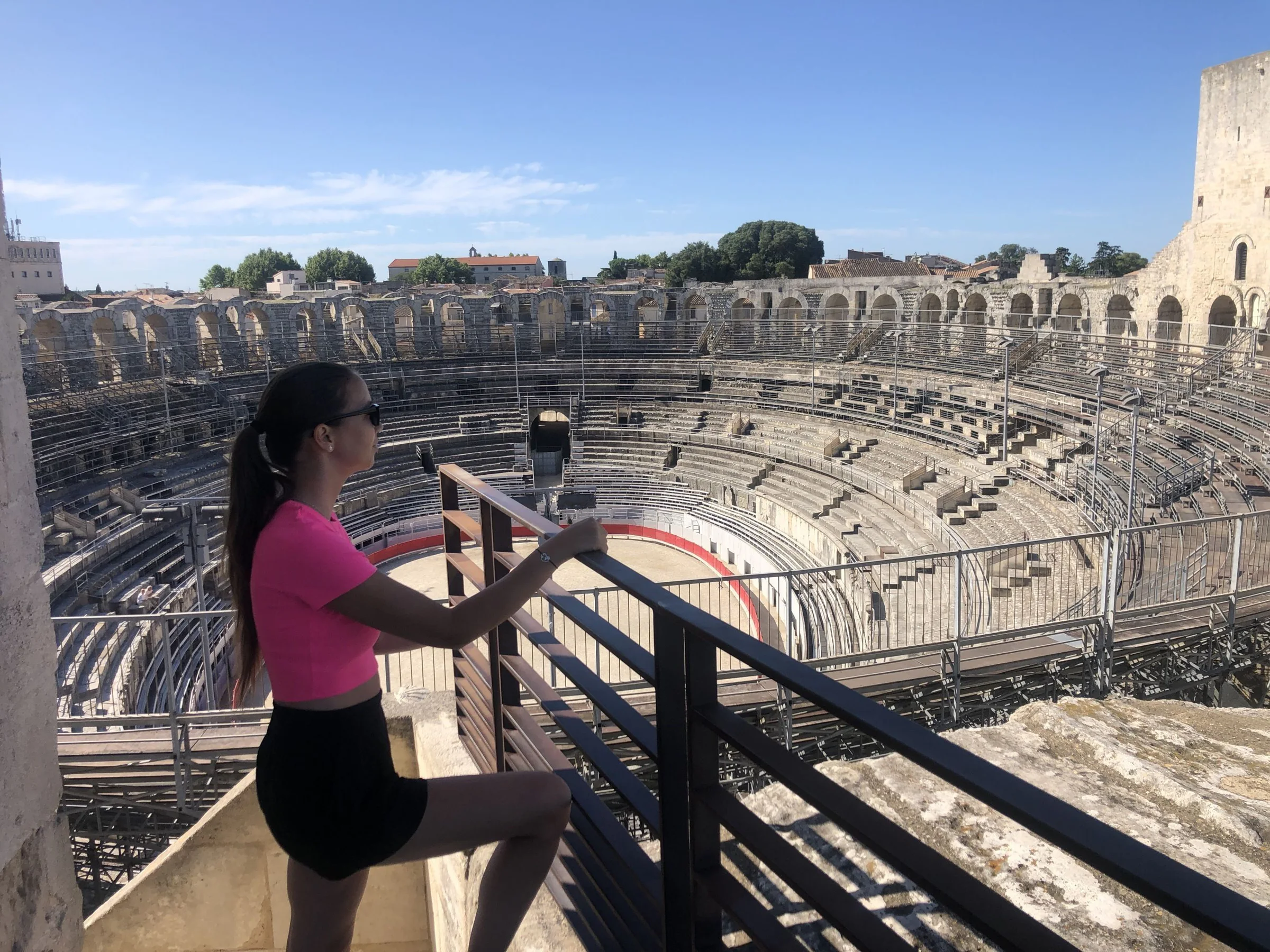
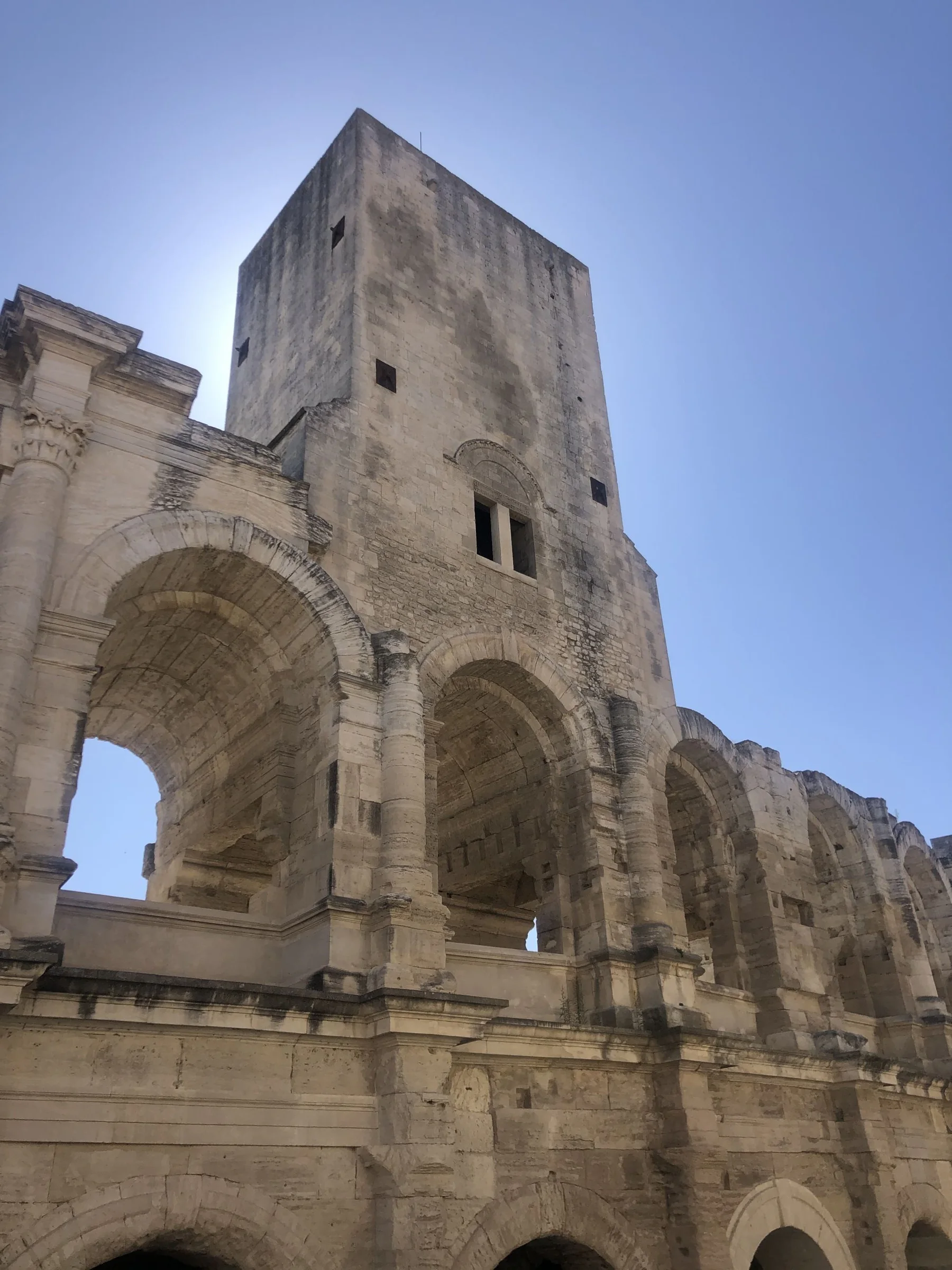
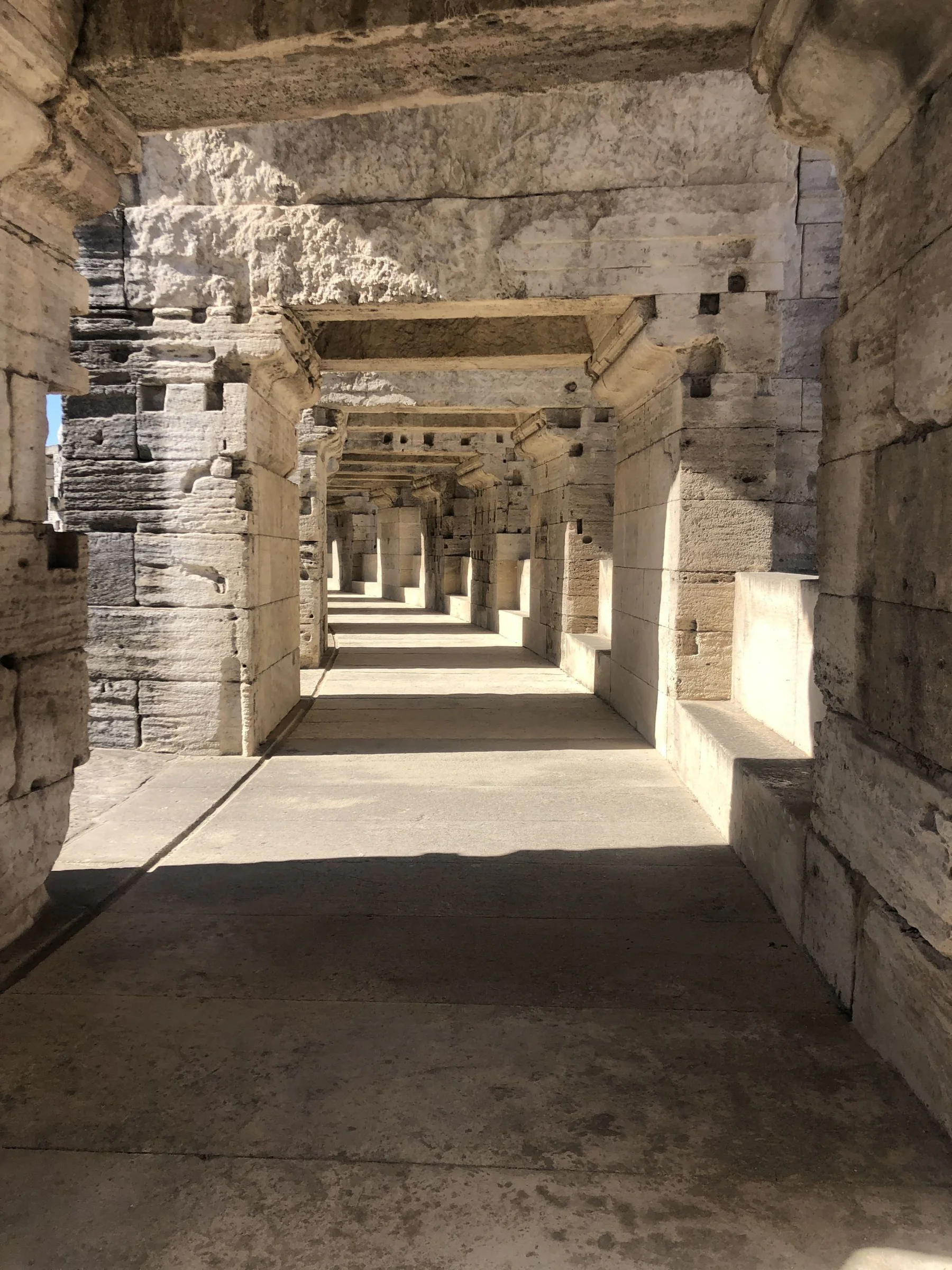
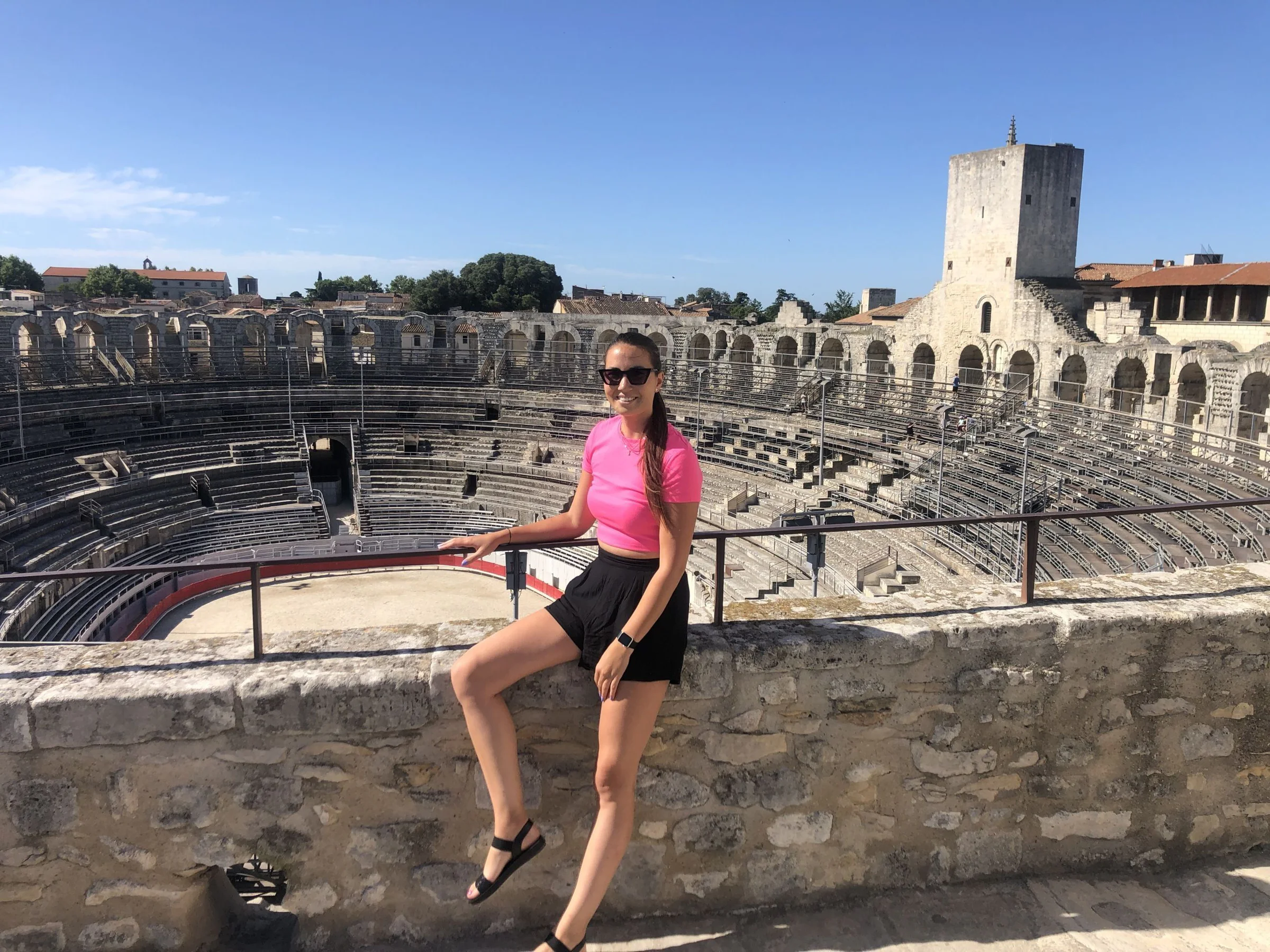
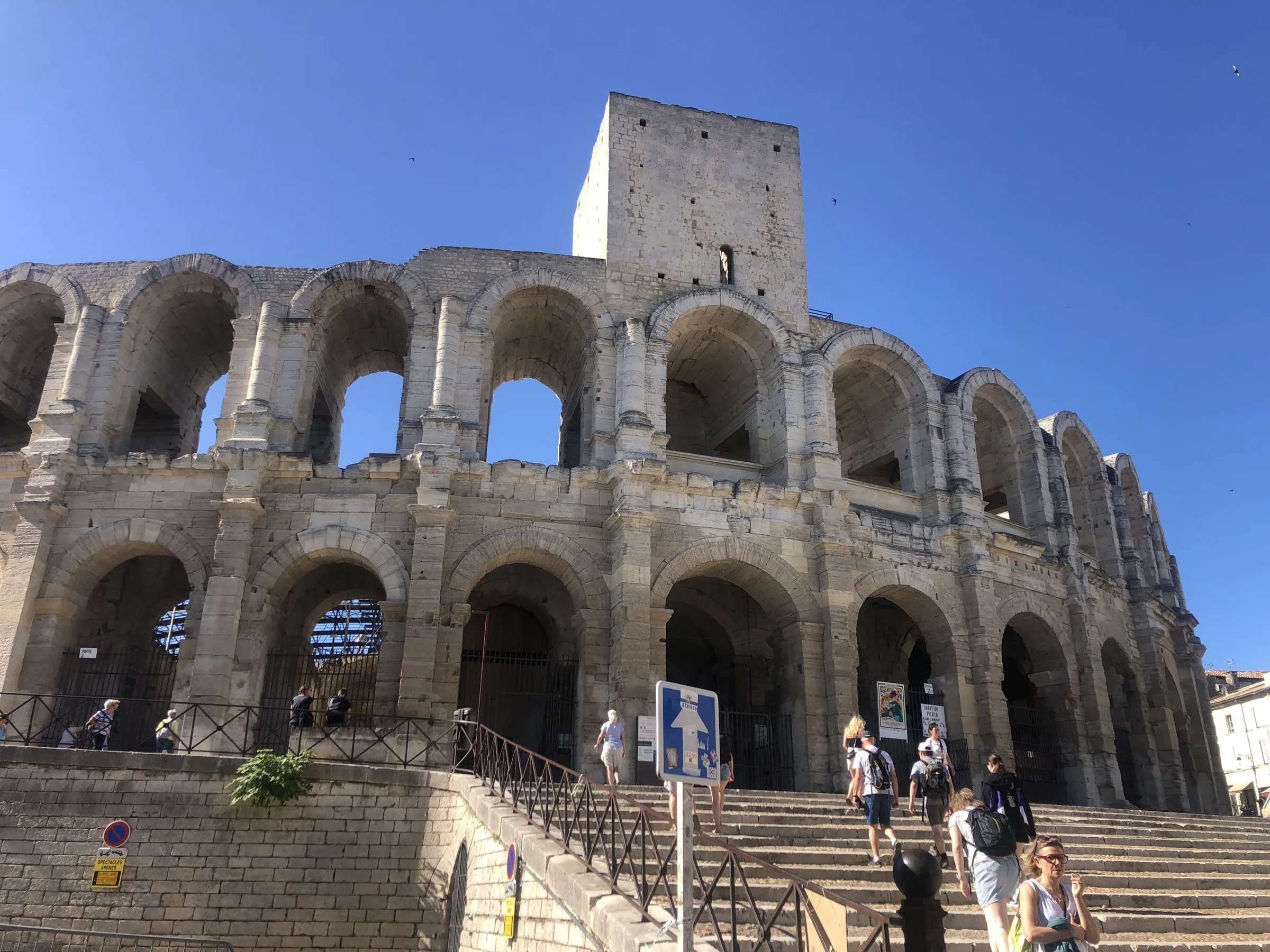
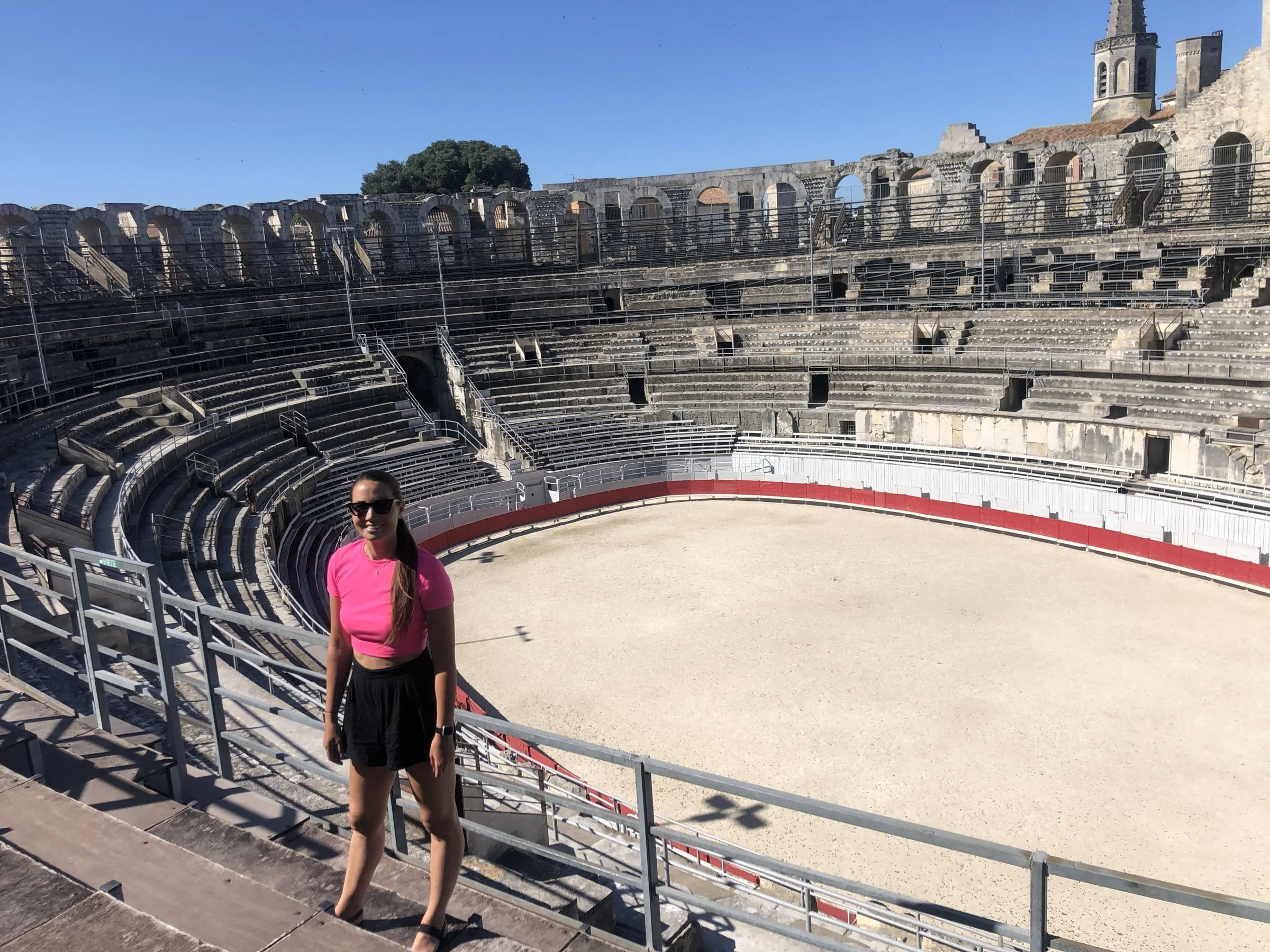
Arles has a huge arena that holds up to 20,000 spectators, and twice a year "bullfights" are held here. It's more of a chase between the bull and the matador, who has to take a rosette from the bull's horn. The arena was built in the 1st century.
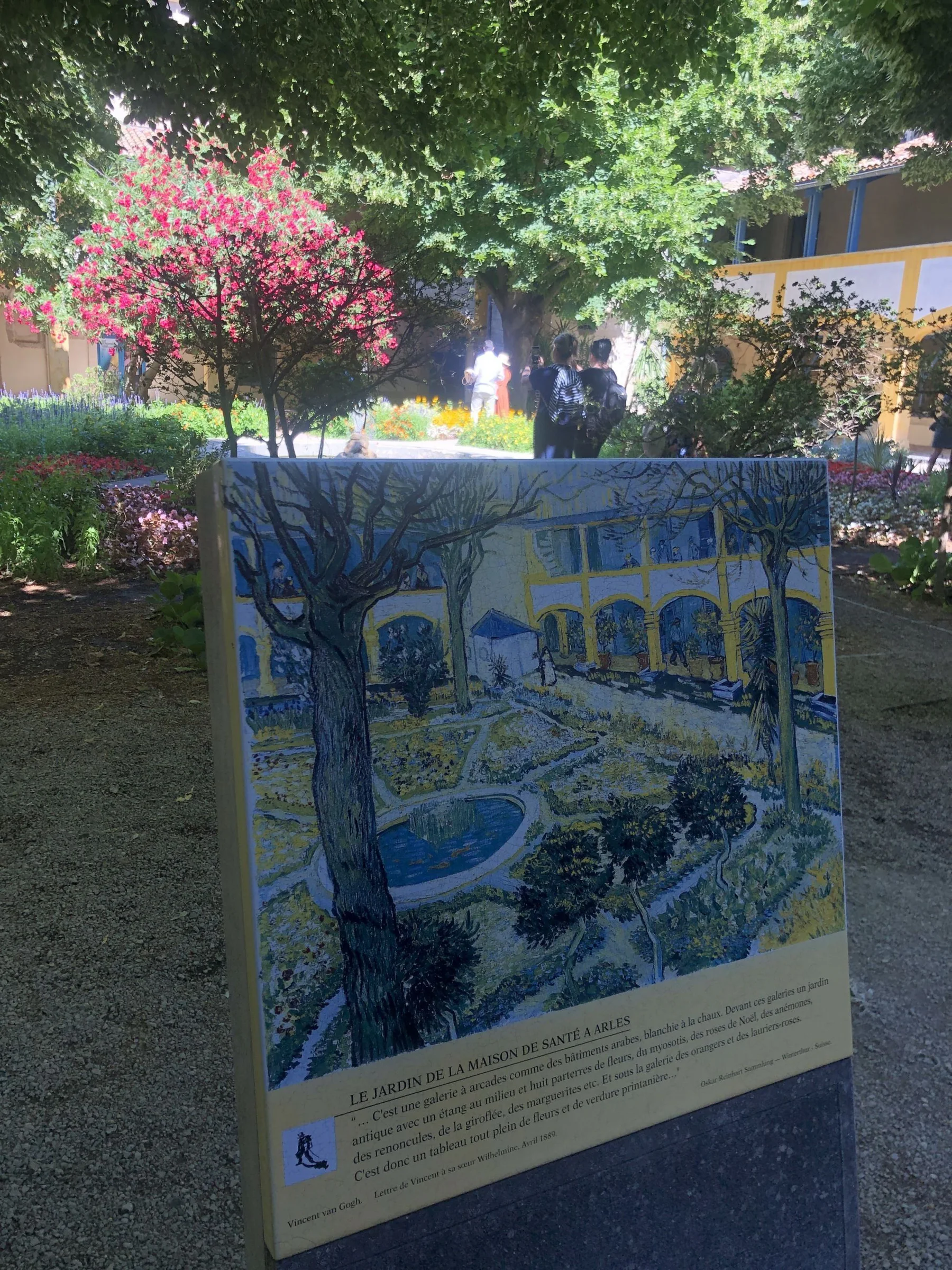
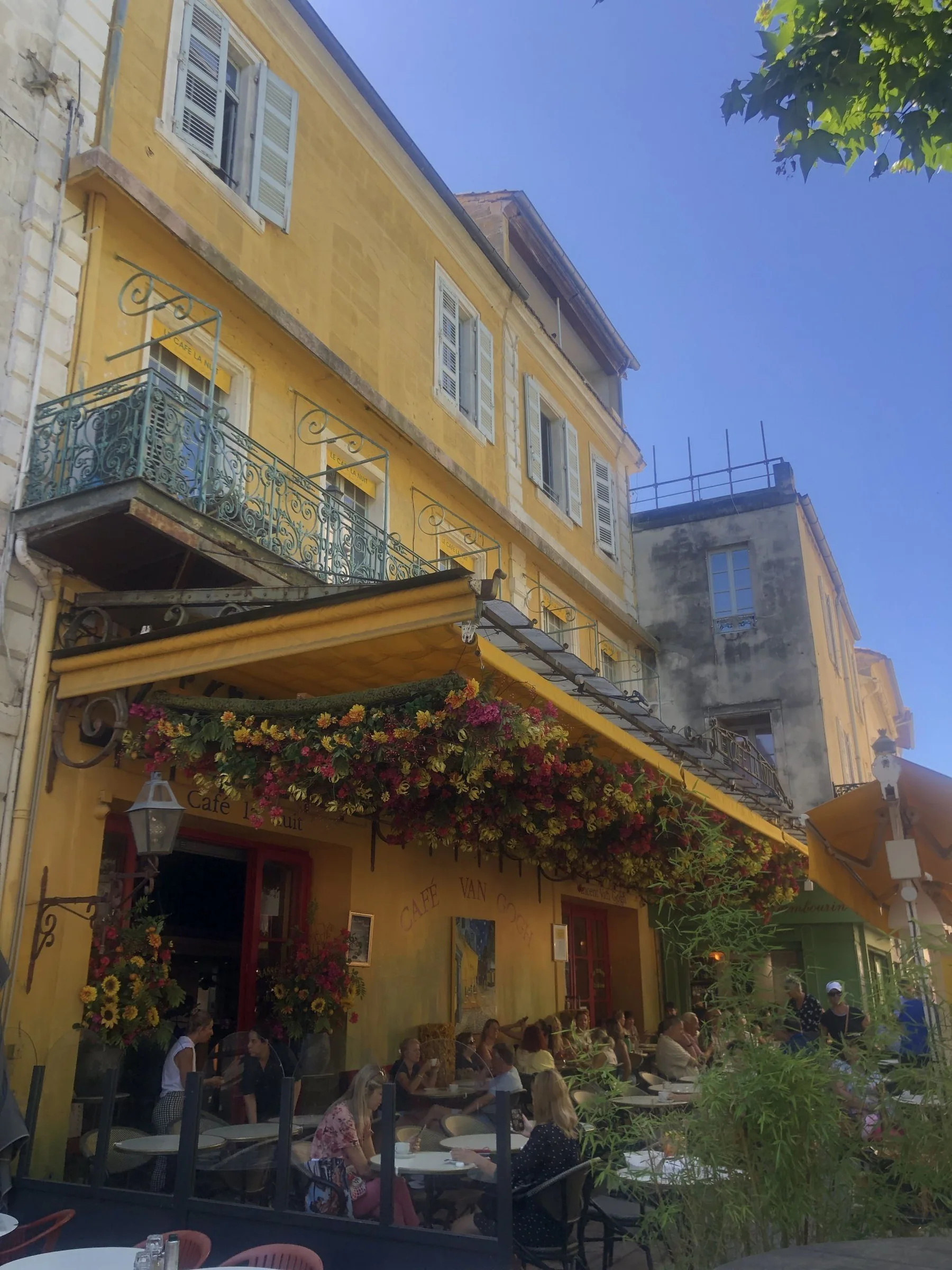
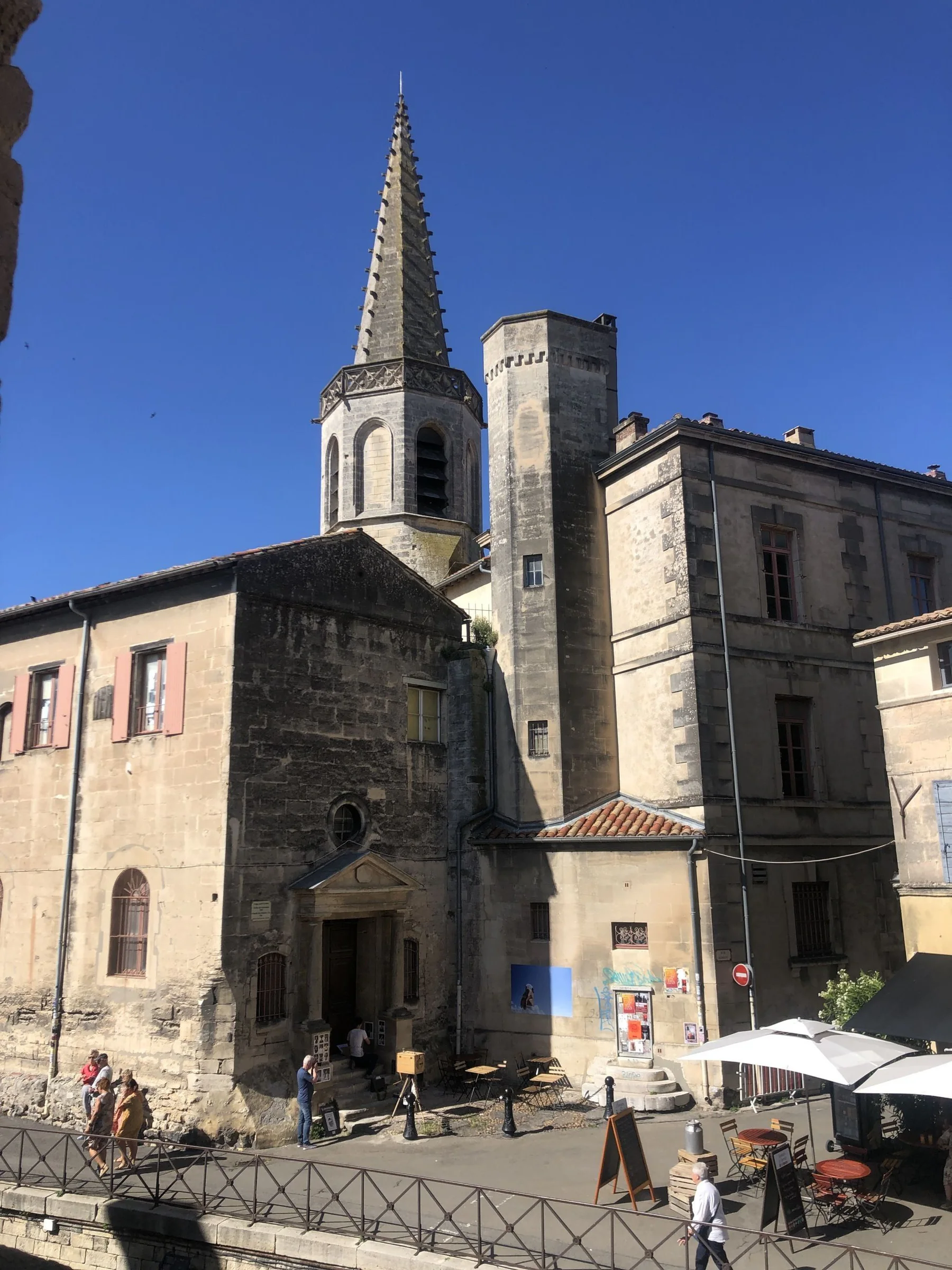
The city of Arles is also famous for Vincent van Gogh, who suffered from depression, cut off his ear and was hospitalised in the local hospital. Today the hospital is a cultural centre with works of art. A few streets from the hospital there's a café the painter liked to visit. You'll definitely recognise the outdoor terrace from his painting Café Terrace at Night.
Saintes-Maries-de-la-Mer - Camargue
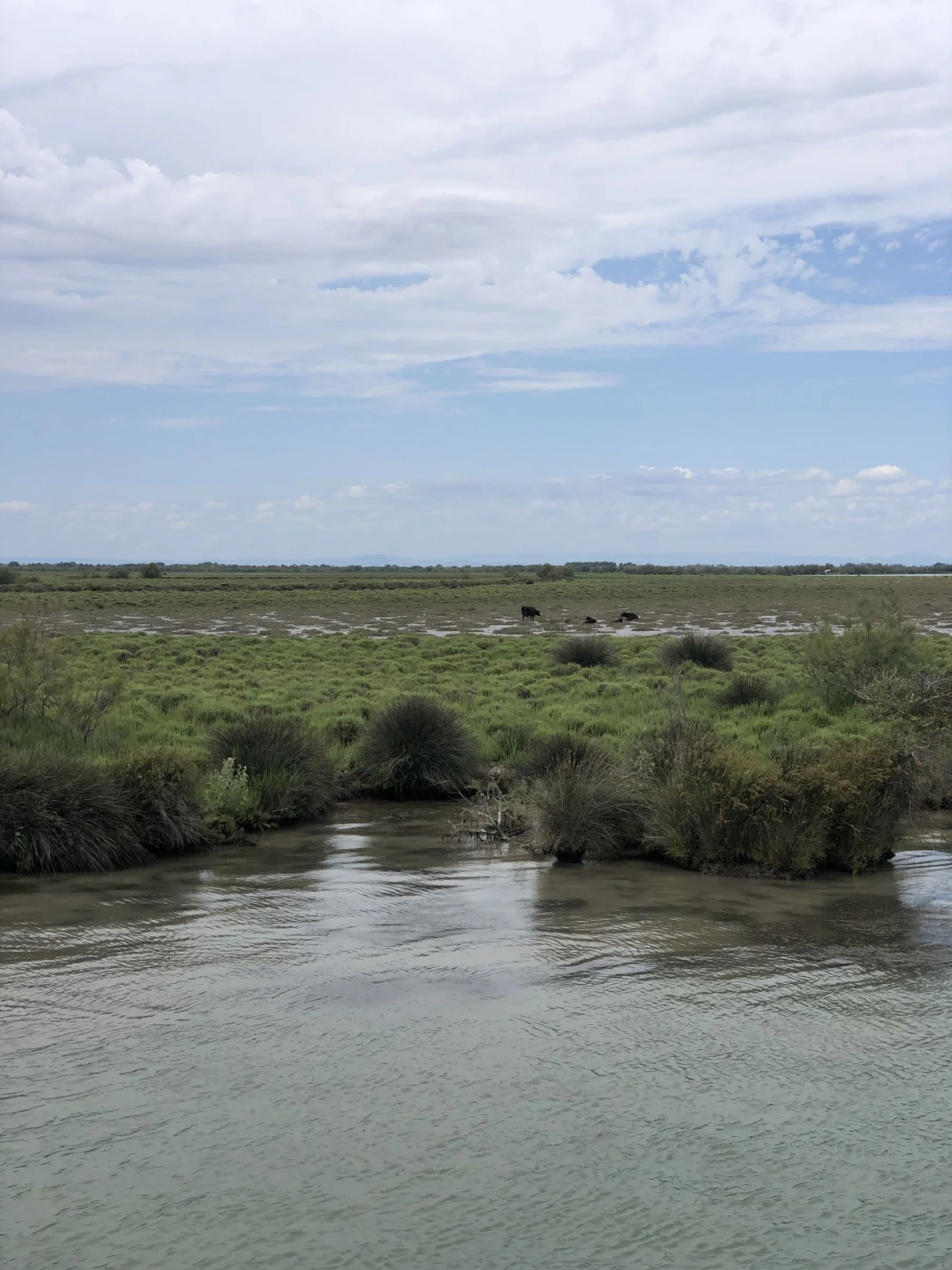
Camargue is a protected nature reserve and it's close to Arles, where the Rhône splits into two smaller rivers, and the Camargue nature reserve lies right between them.
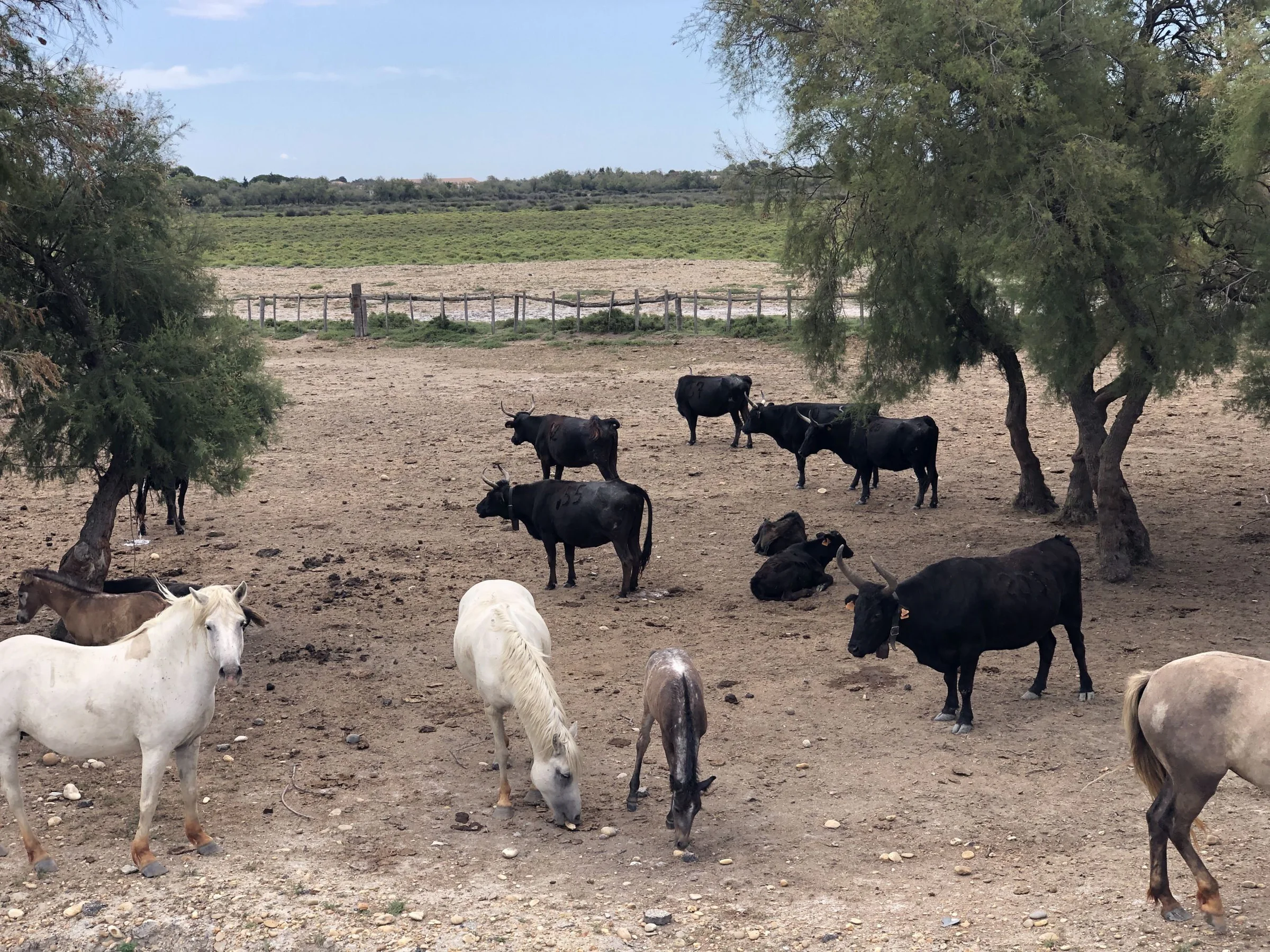
Typical for this reserve are the Camargue white horses running free, black bulls, pink flamingos, wetlands and marshes.
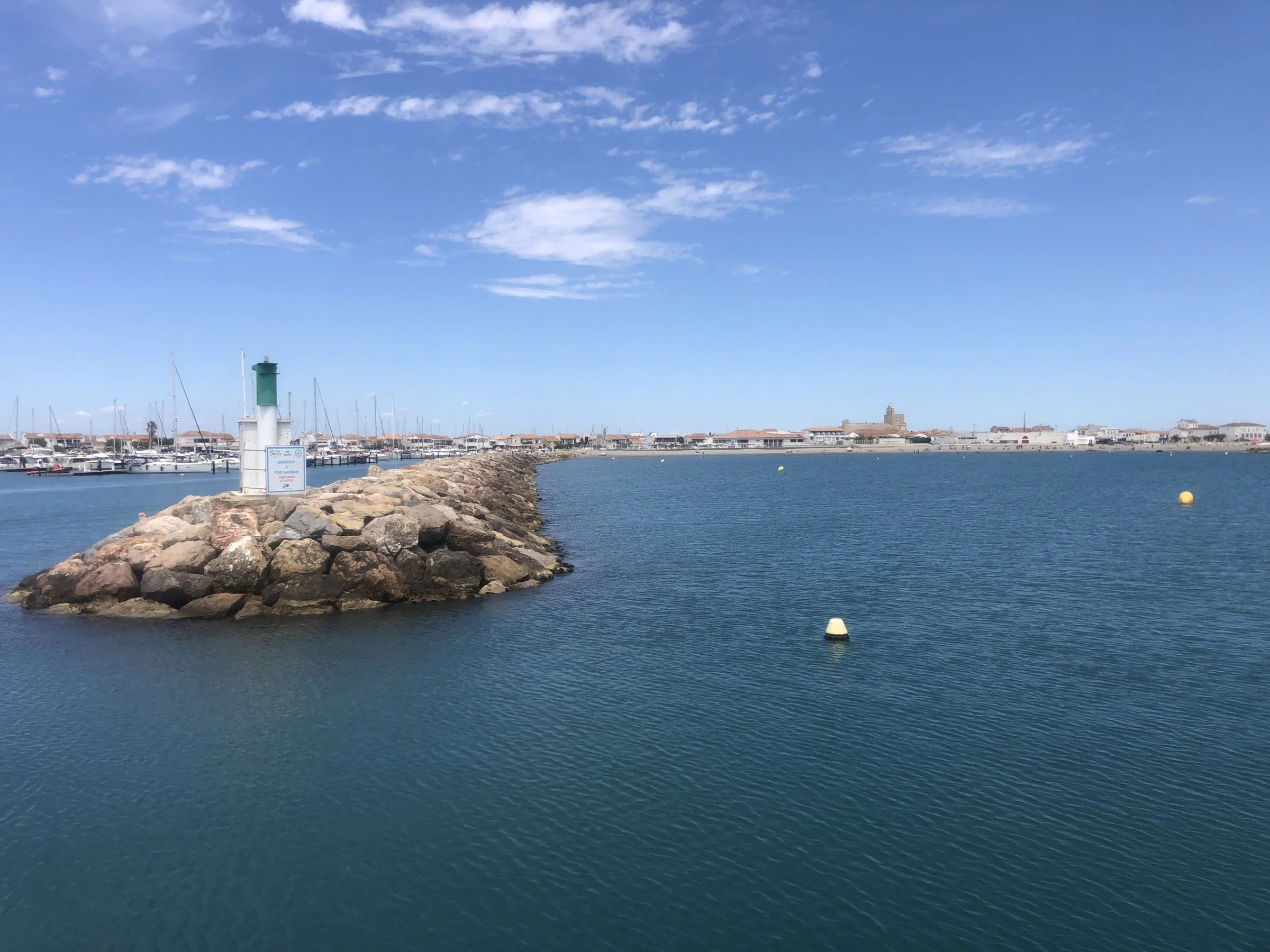
A 1.5-hour boat trip leaves from the town of Saintes-Maries-de-la-Mer and costs 16 euros. Unfortunately a storm with lightning was rolling in on us, so we didn't see the free-running horses. Luckily we at least saw the pink flamingos as we were leaving the town.
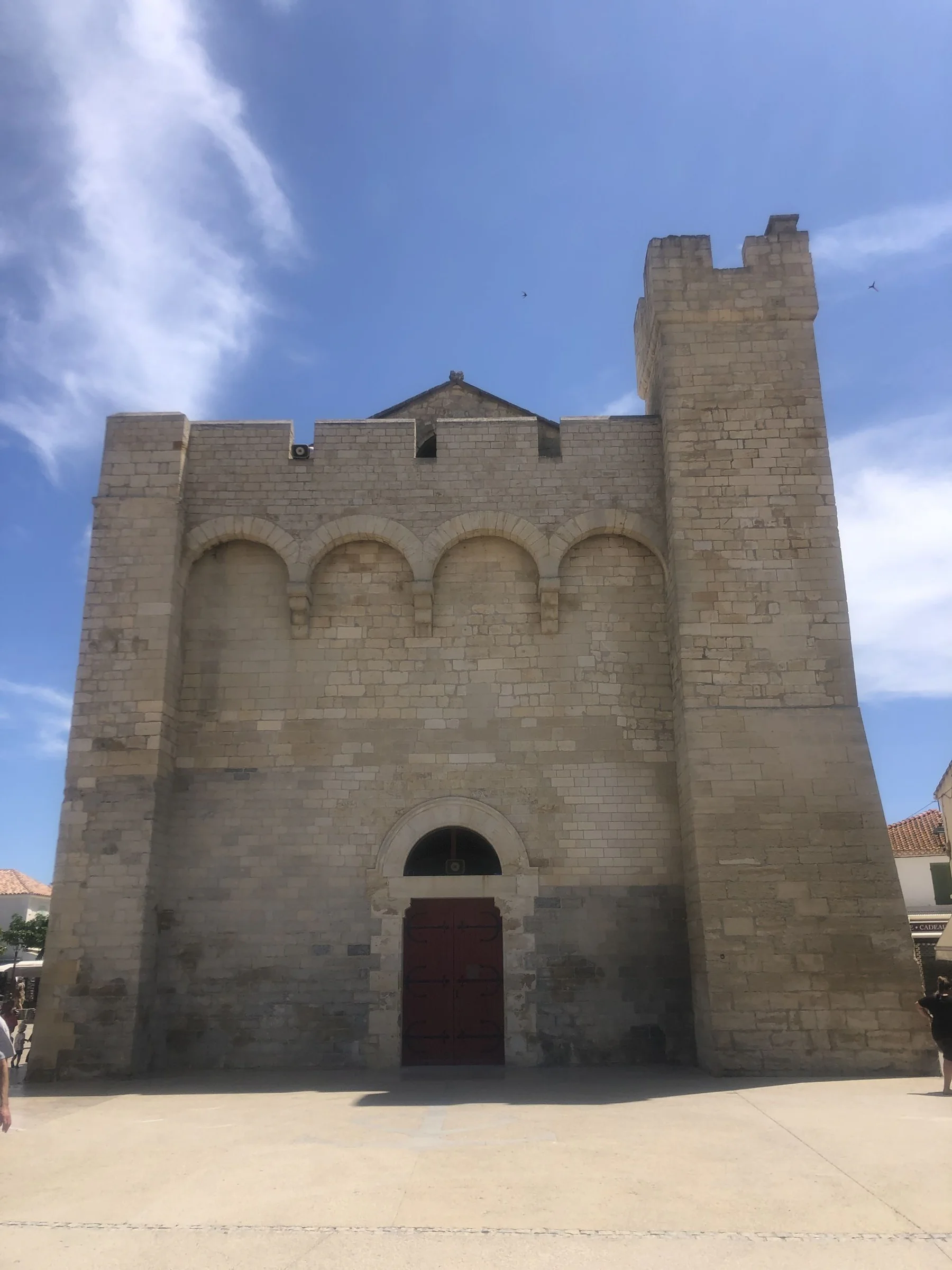
The dominant feature of Saintes-Maries-de-la-Mer is the church, which looks more like a fortress. It used to provide protection against pirates and robbers.
Aigues-Mortes
(pronounced "eg mort")
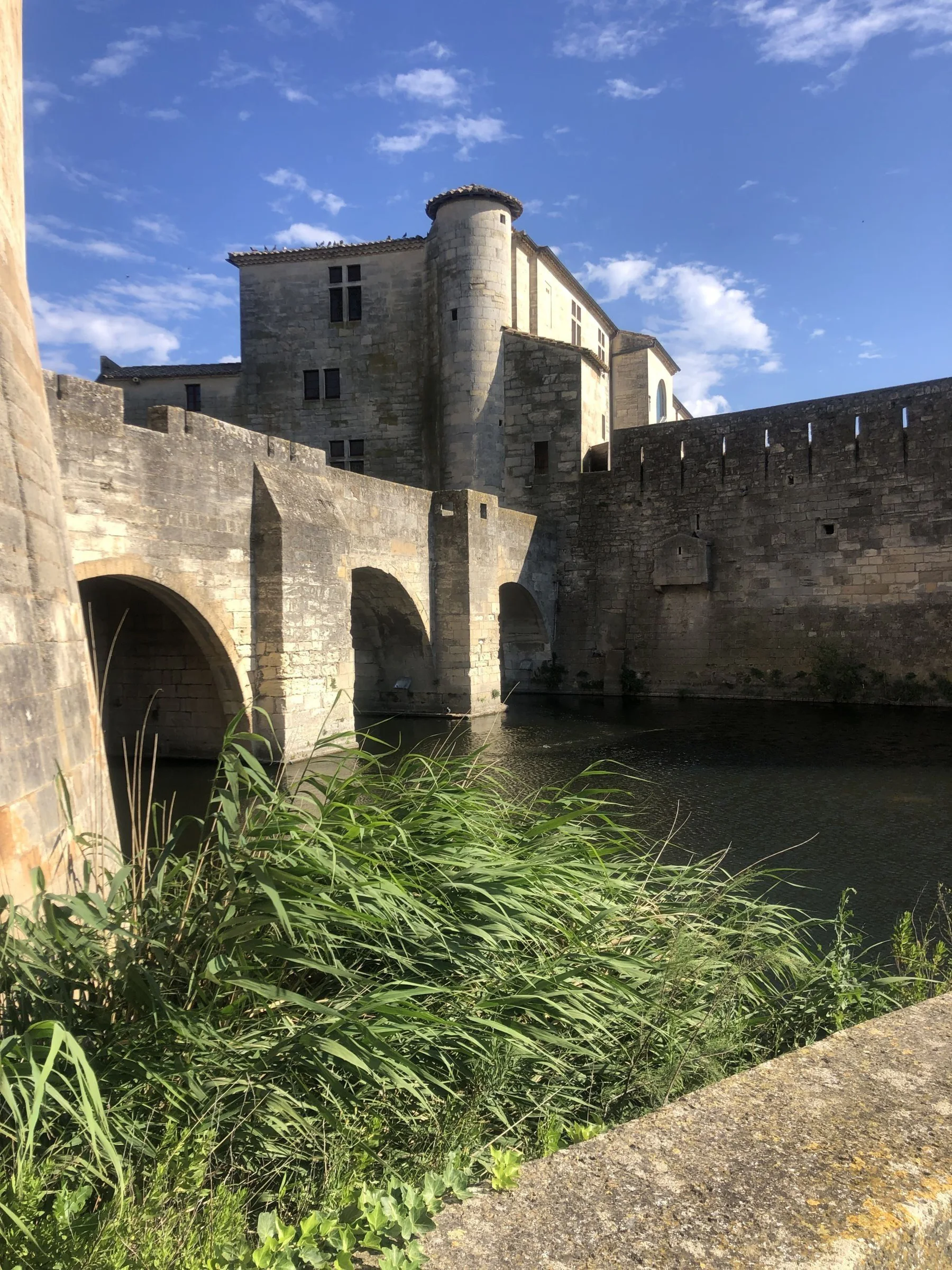
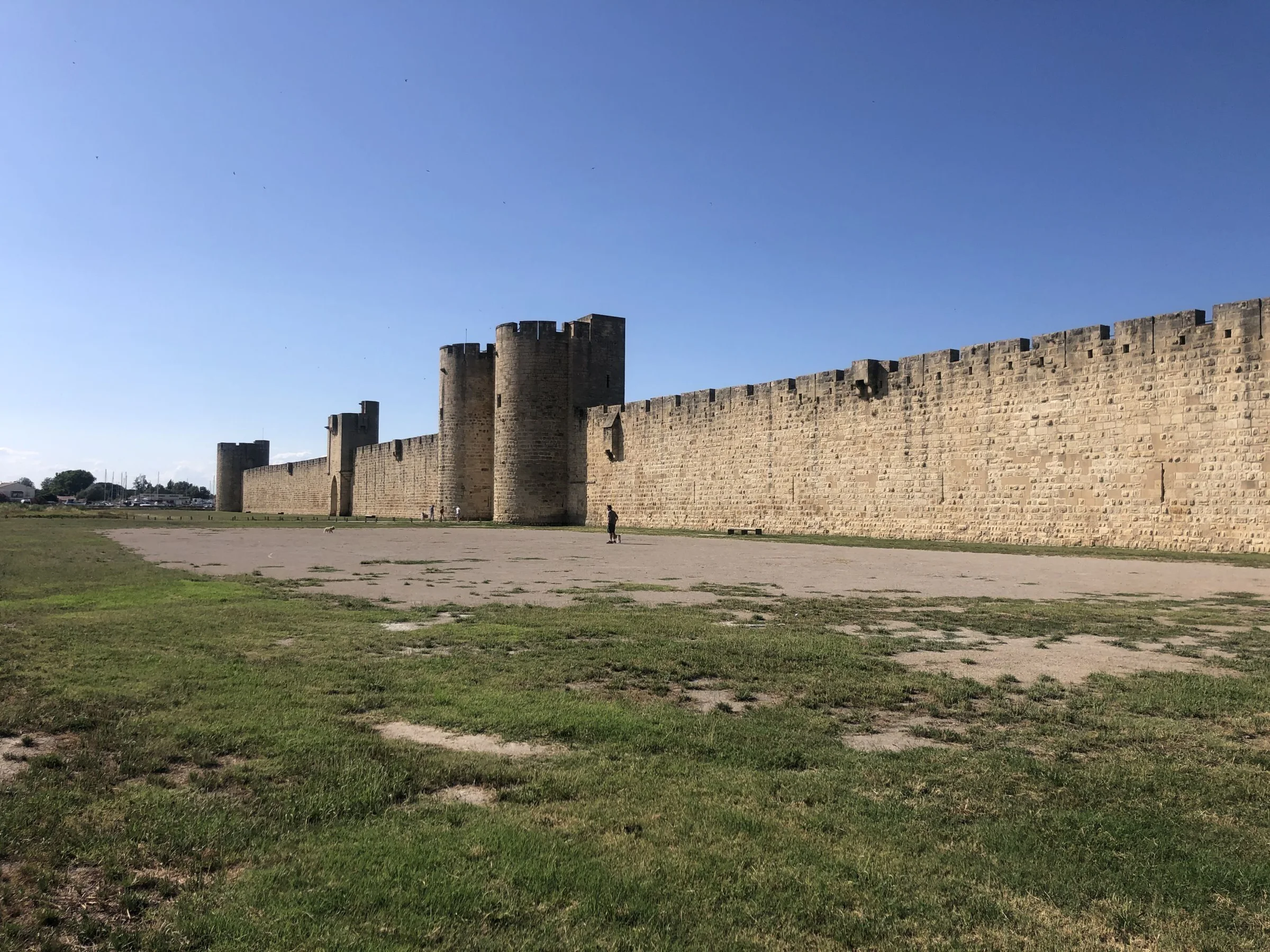
A fortified town from the 13th century.
Massive walls with 15 towers and 10 gates still surround the town today. The main tower, Tour de Constance, is 54 metres tall and 22 metres in diameter. Its walls are 6 metres thick and so it served as a prison. It's connected to the walls only by a moat. Entry to the walls is 6 euros.
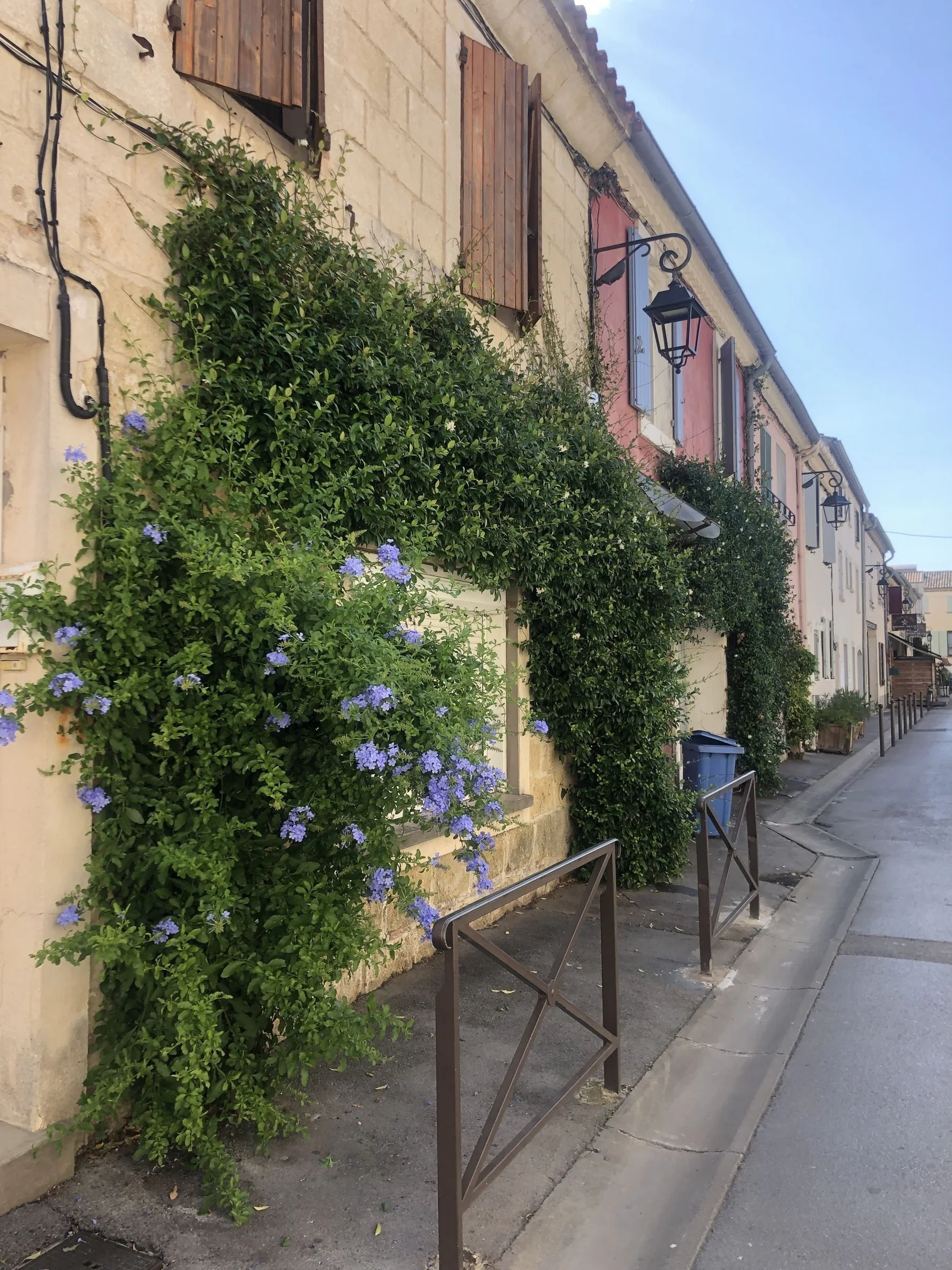
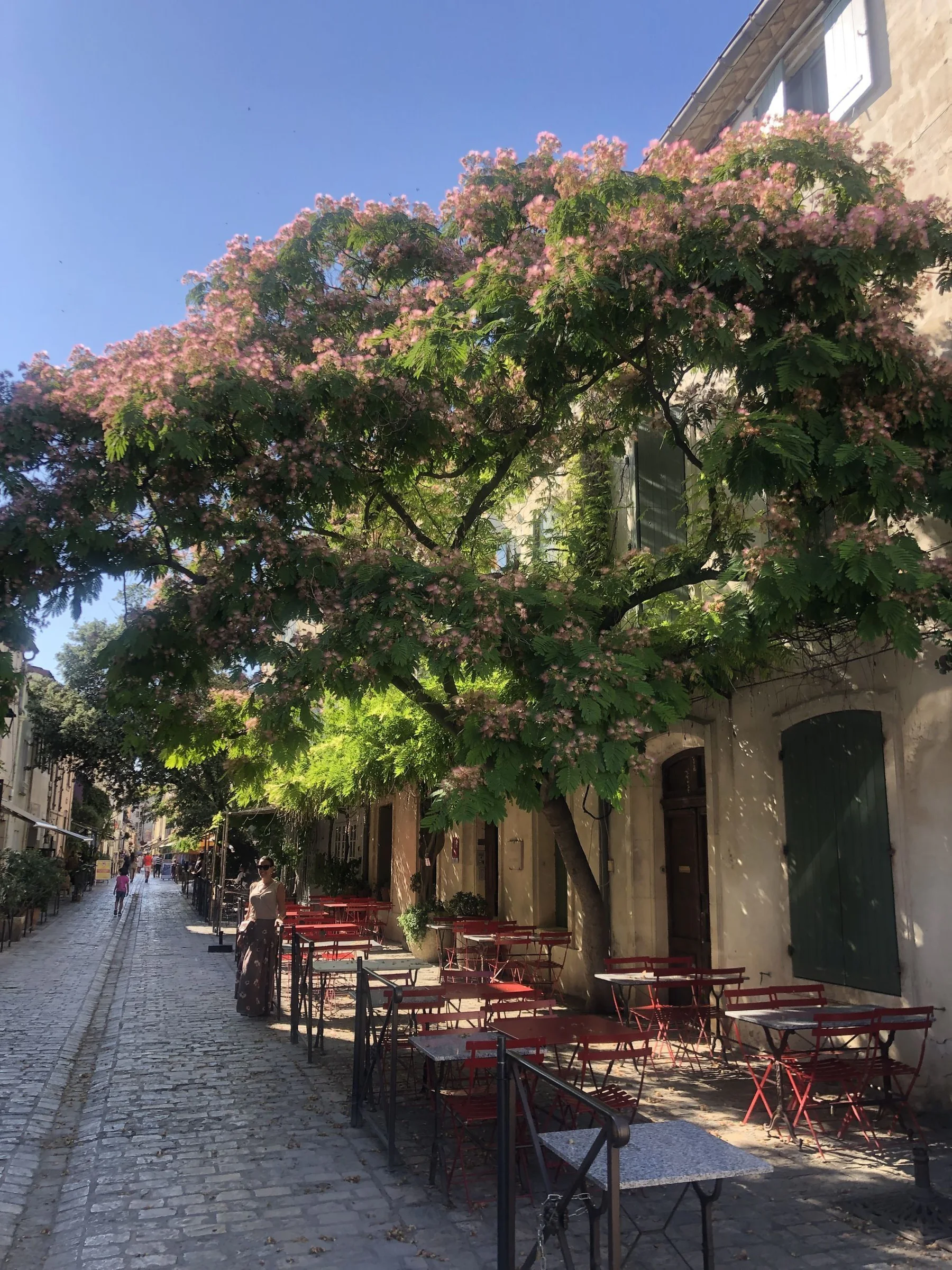
The town has countless cafés, restaurants and little shops.
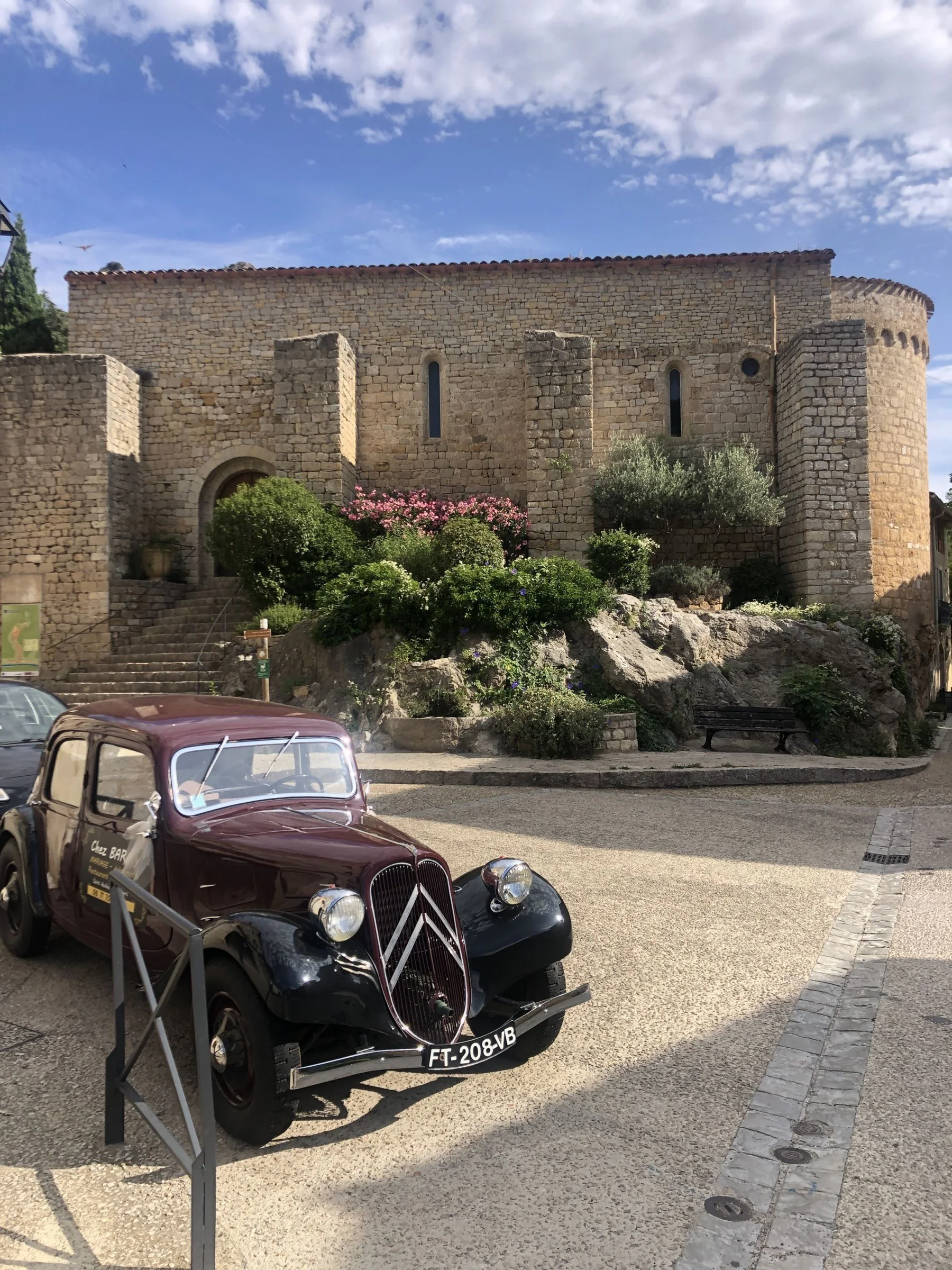
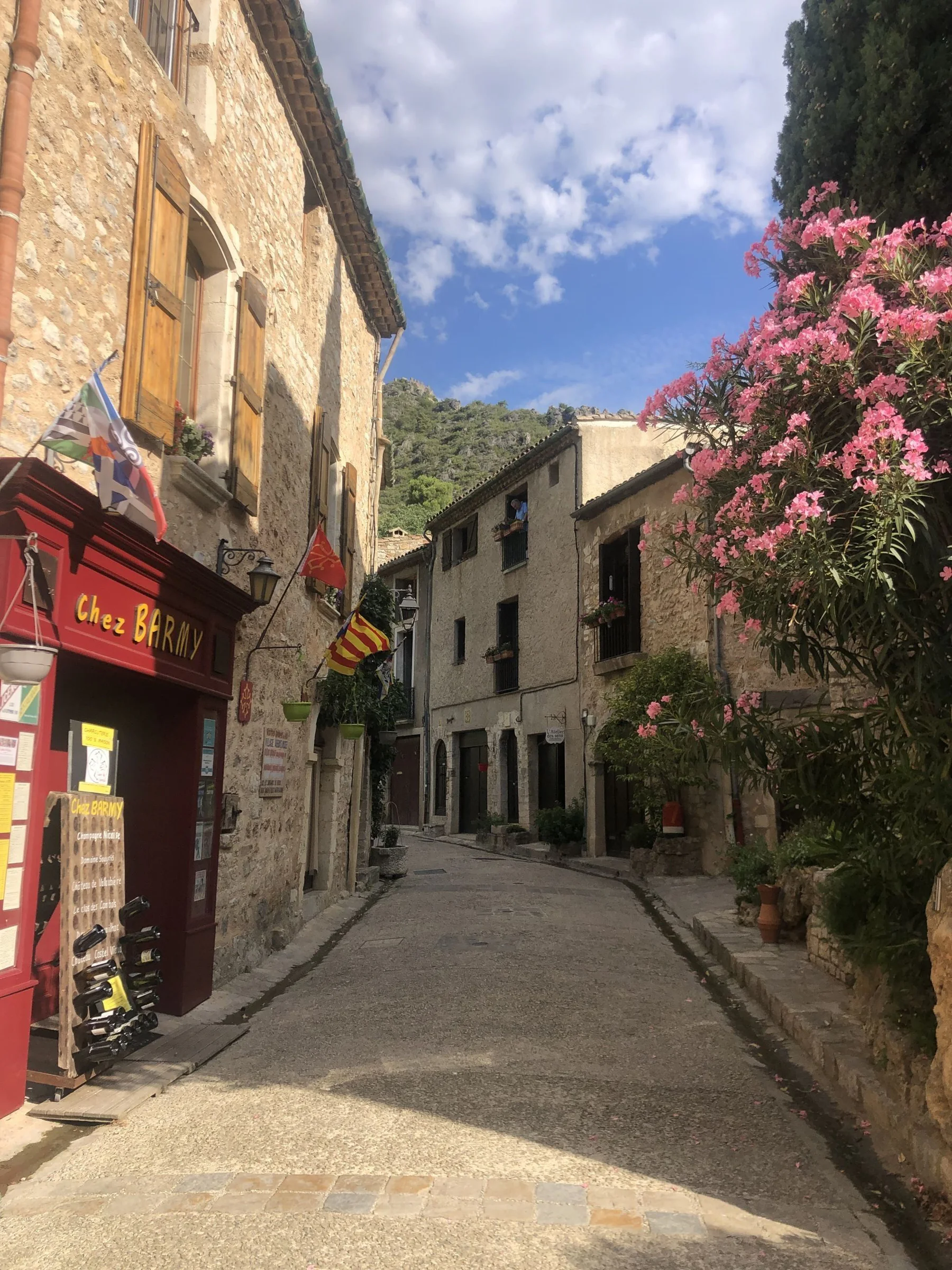
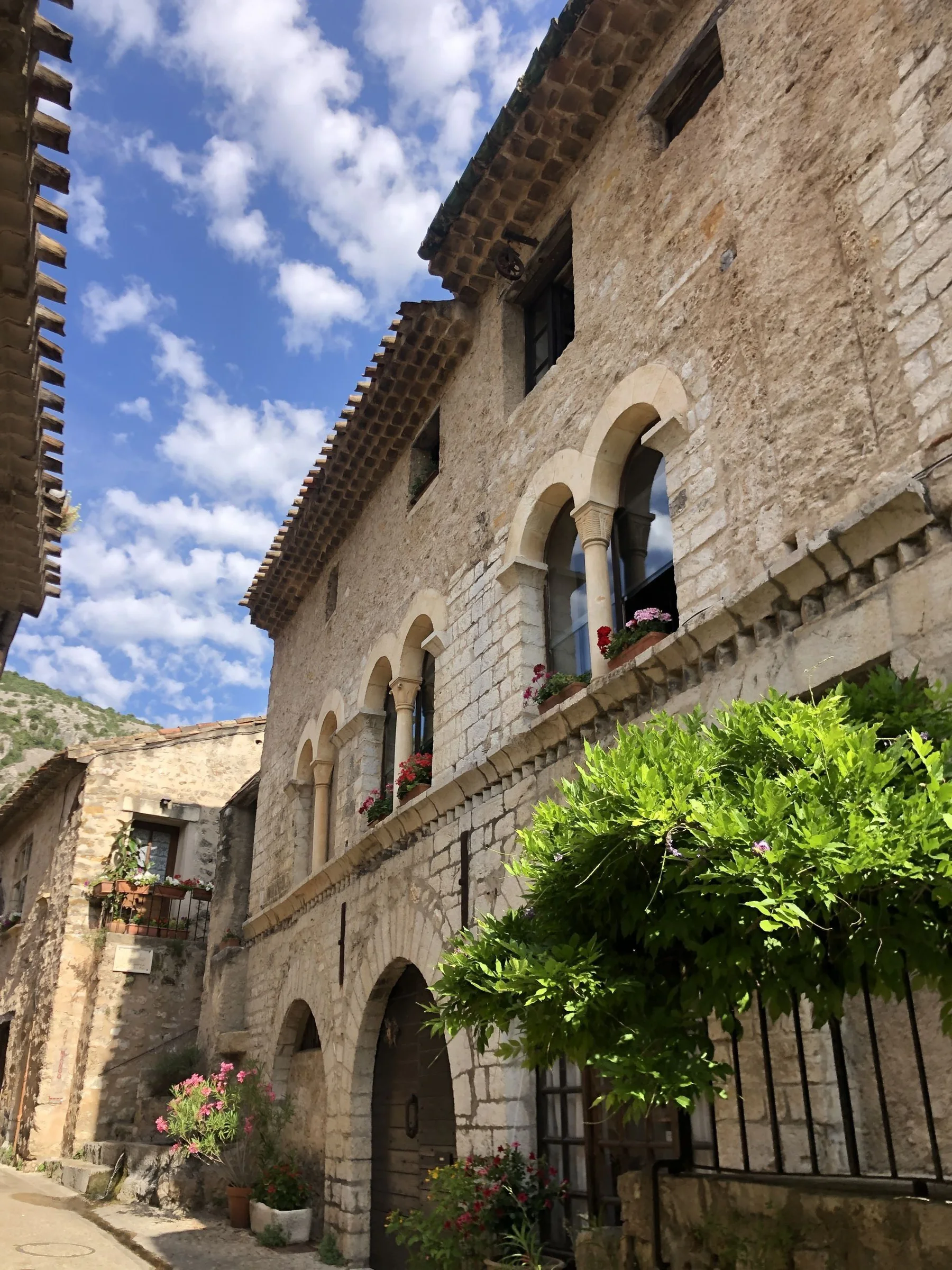
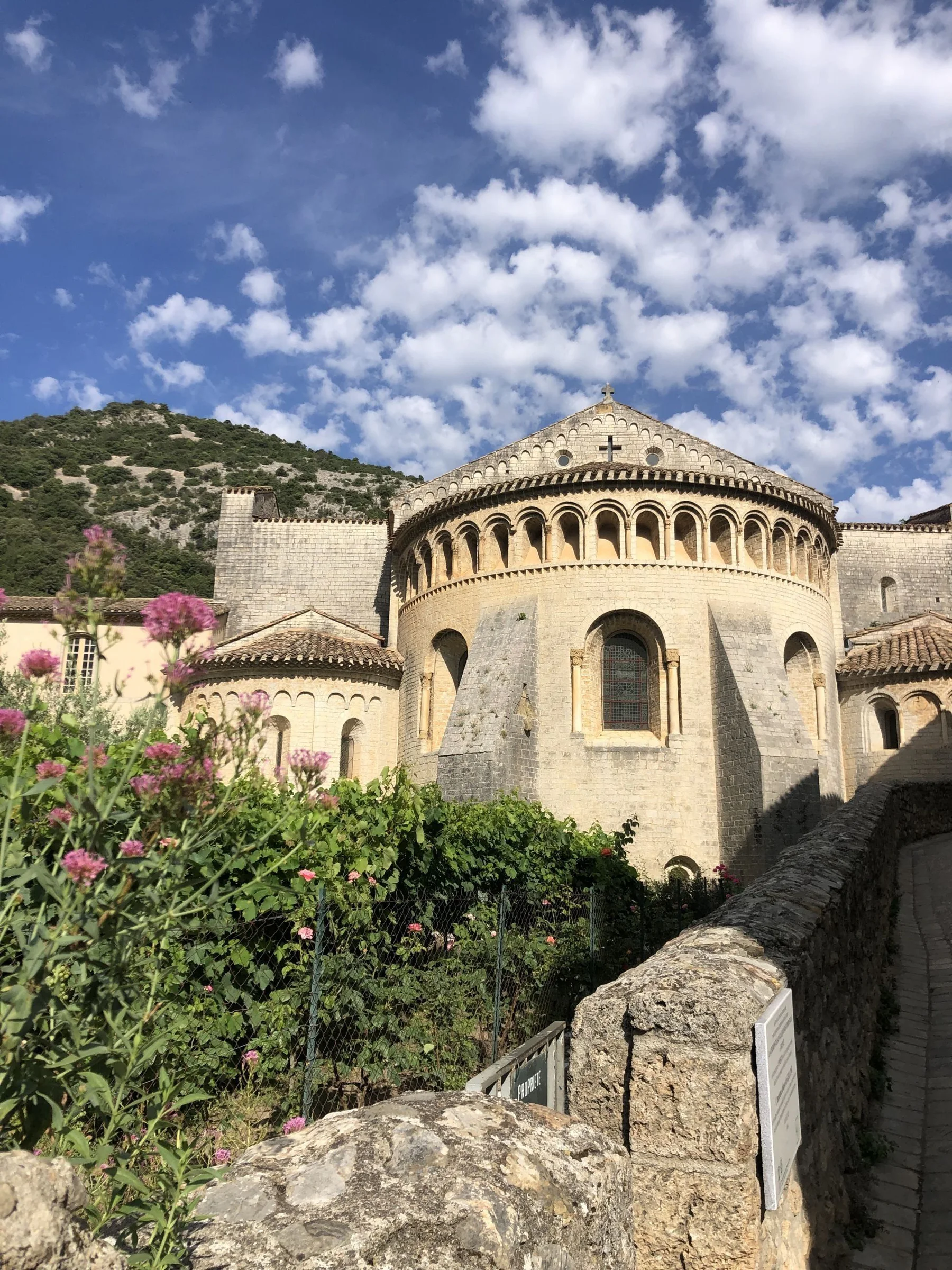
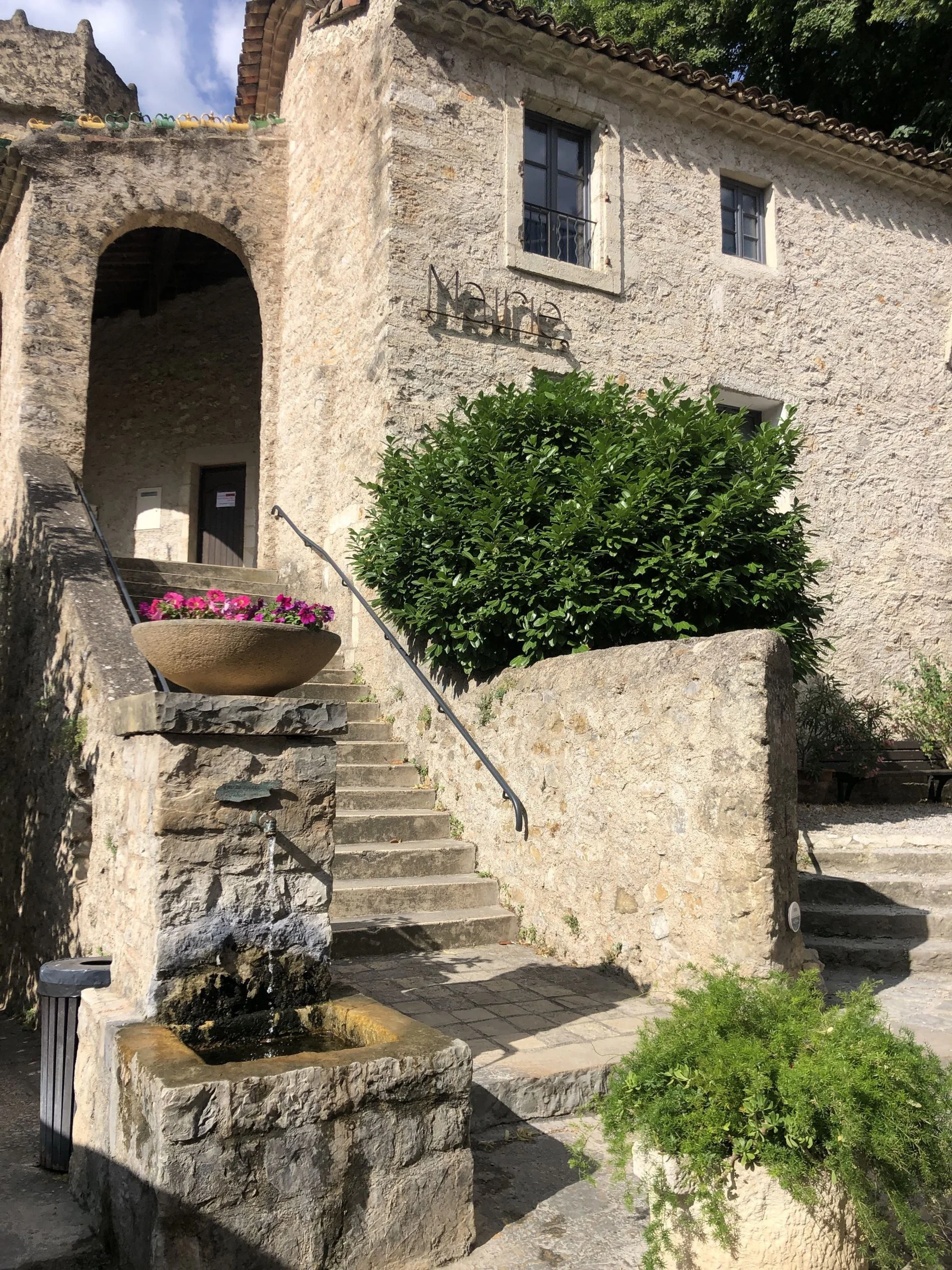
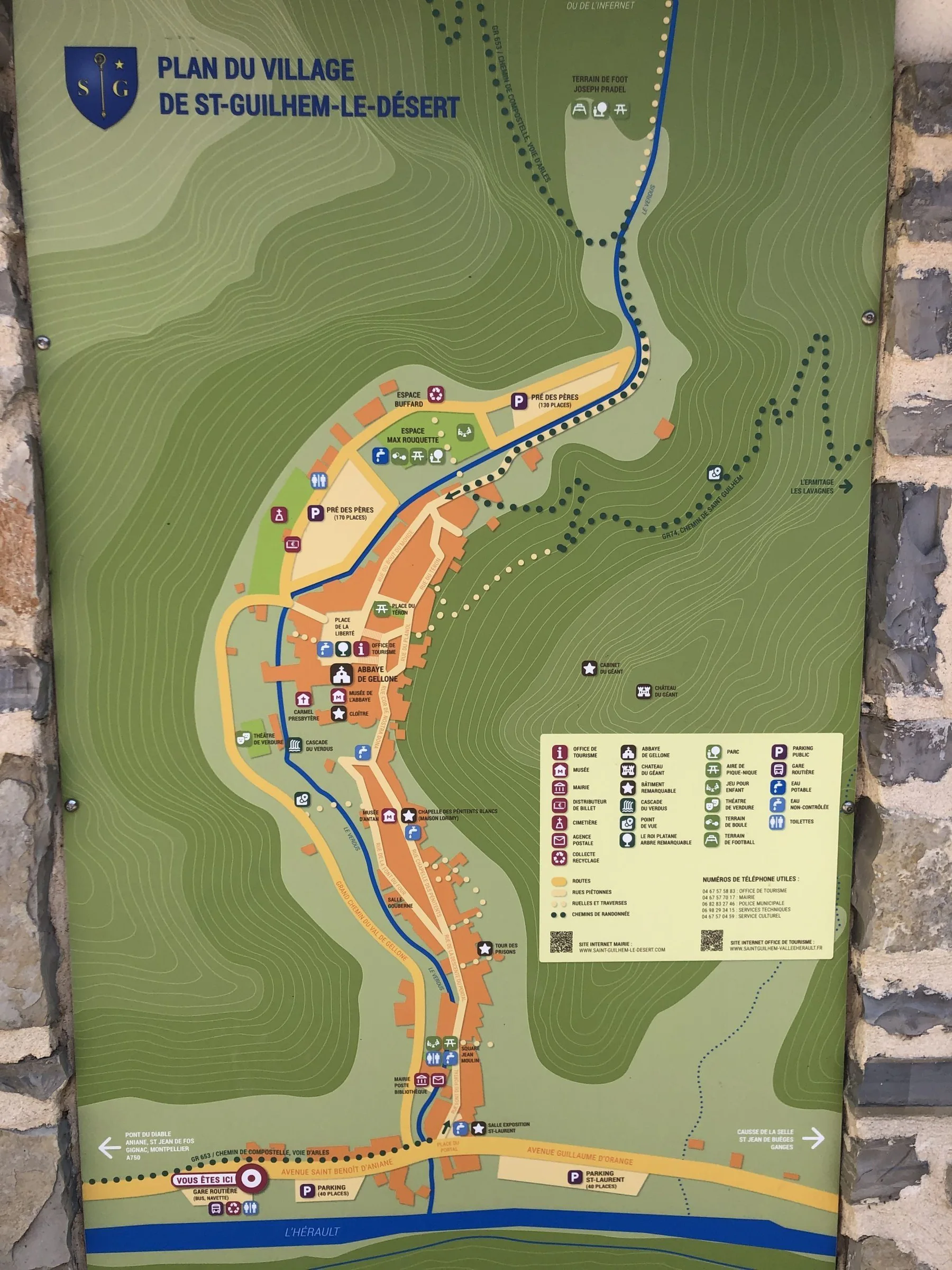
Saint-Guilhem-le-Désert
From Provence we move on to the French karst region.
This picturesque stone town set in a canyon between cliffs has a significant abbey. Thanks to owning holy relics, above all a fragment of the True Cross, the monastery became one of the important stops on the pilgrimage route to Santiago de Compostela.
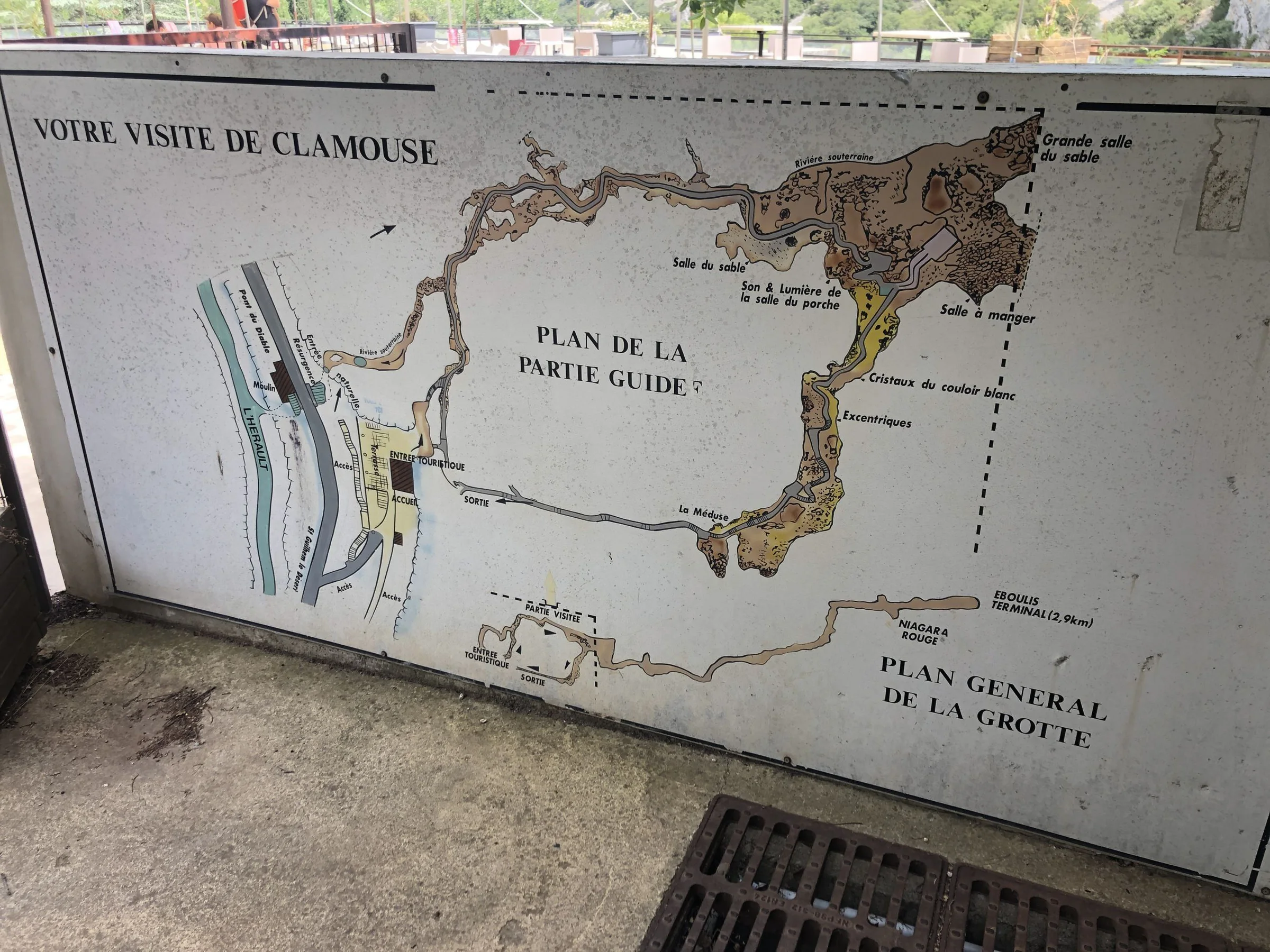
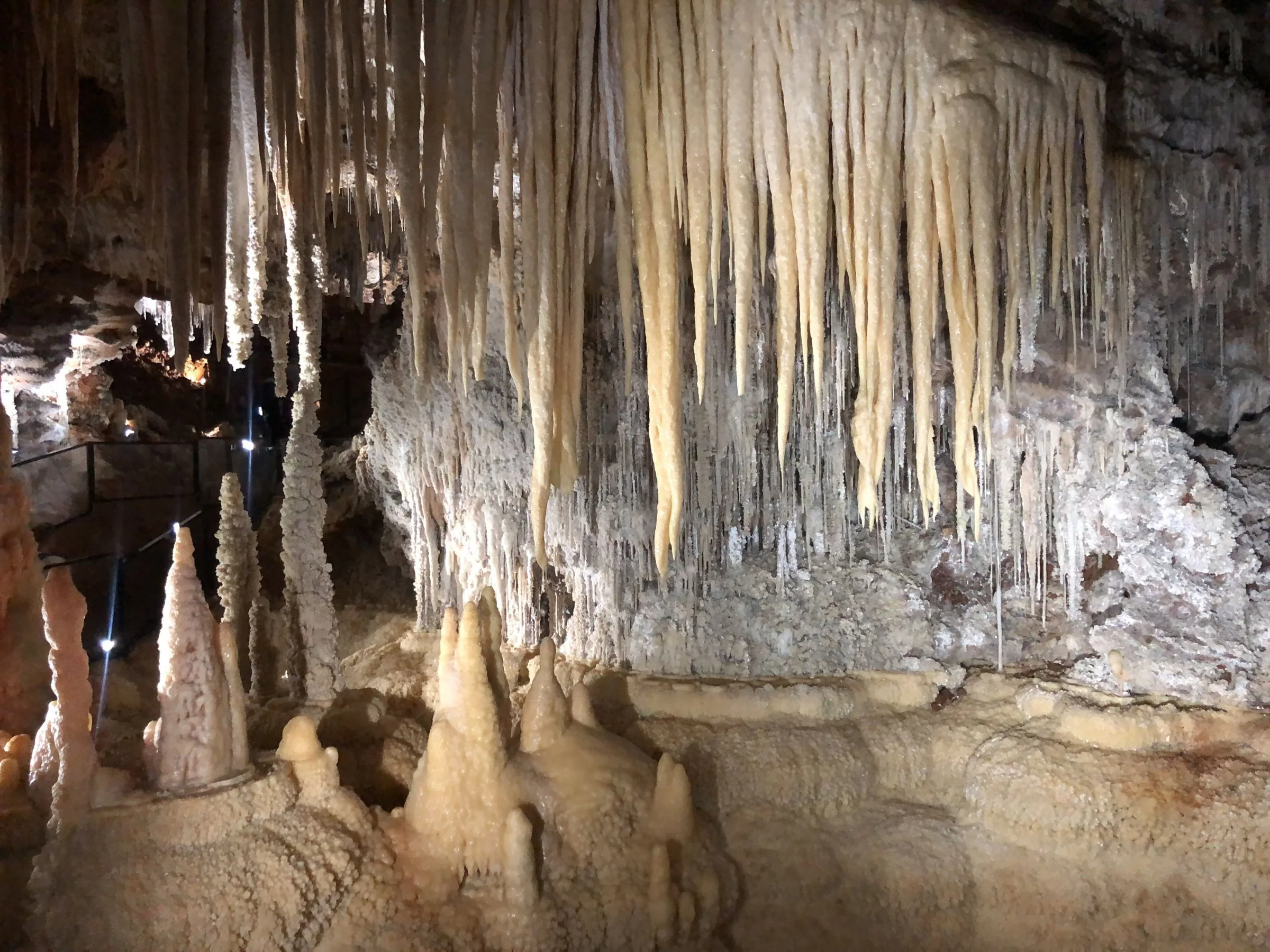
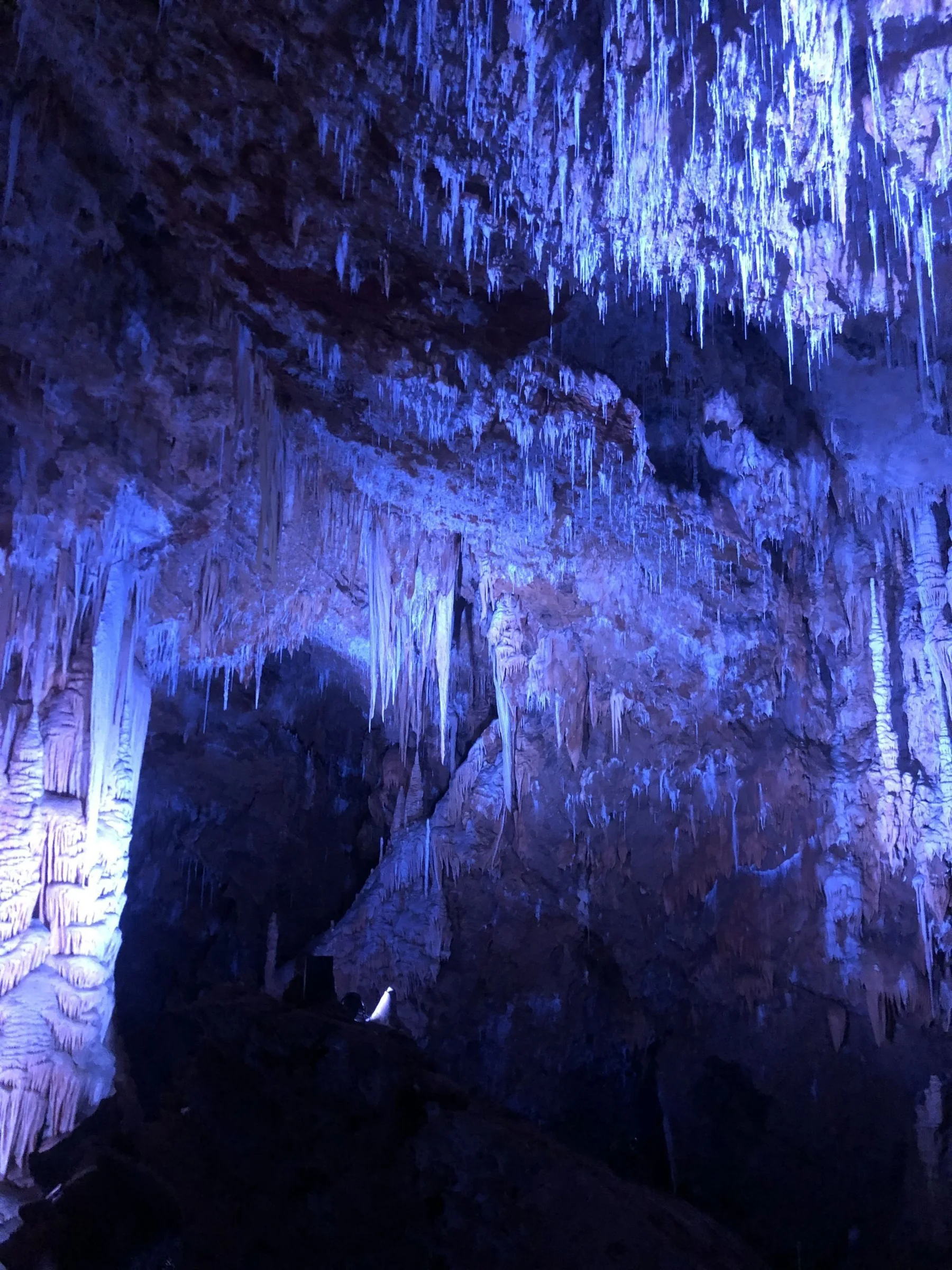
Clamouse Cave
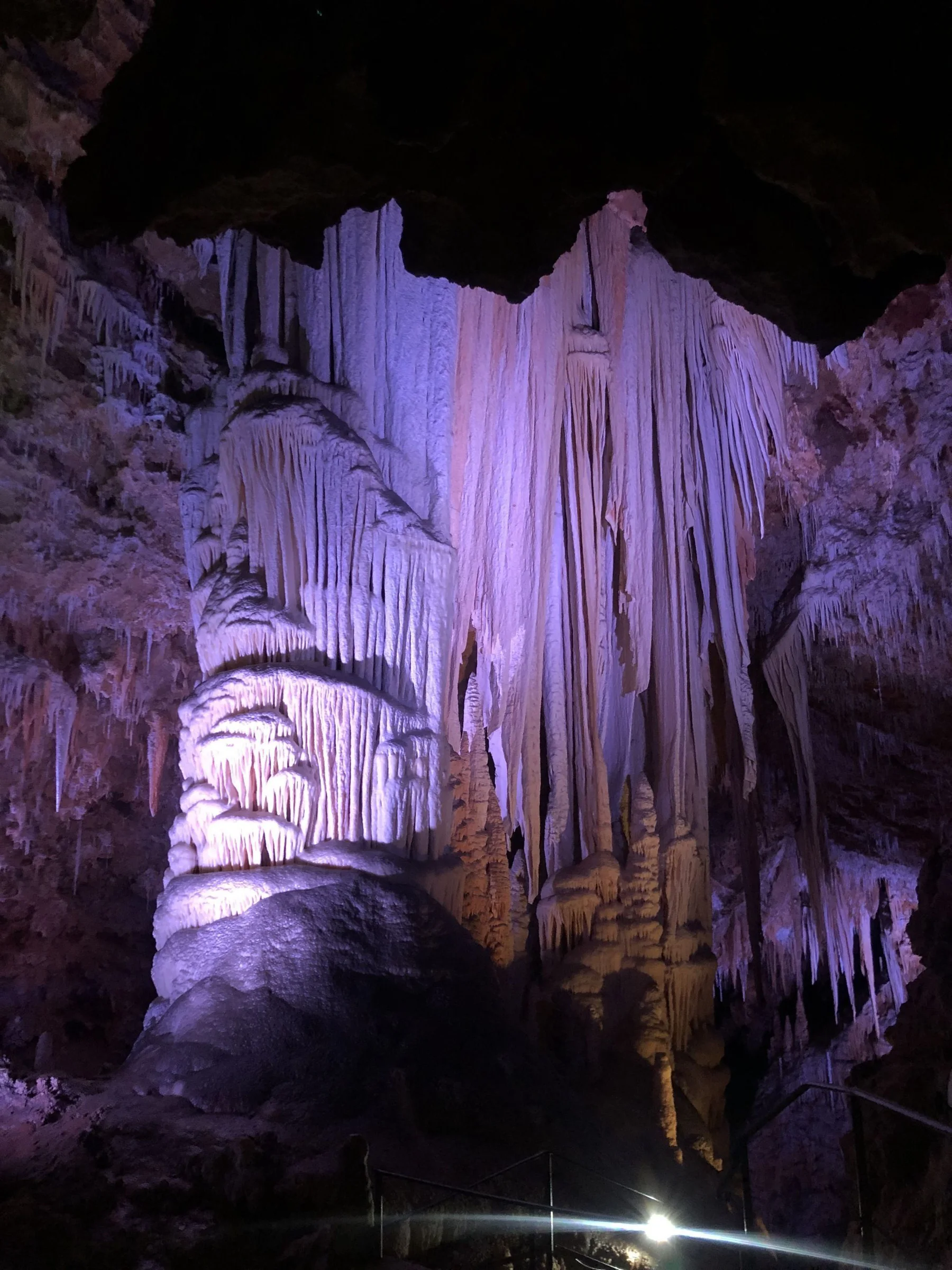
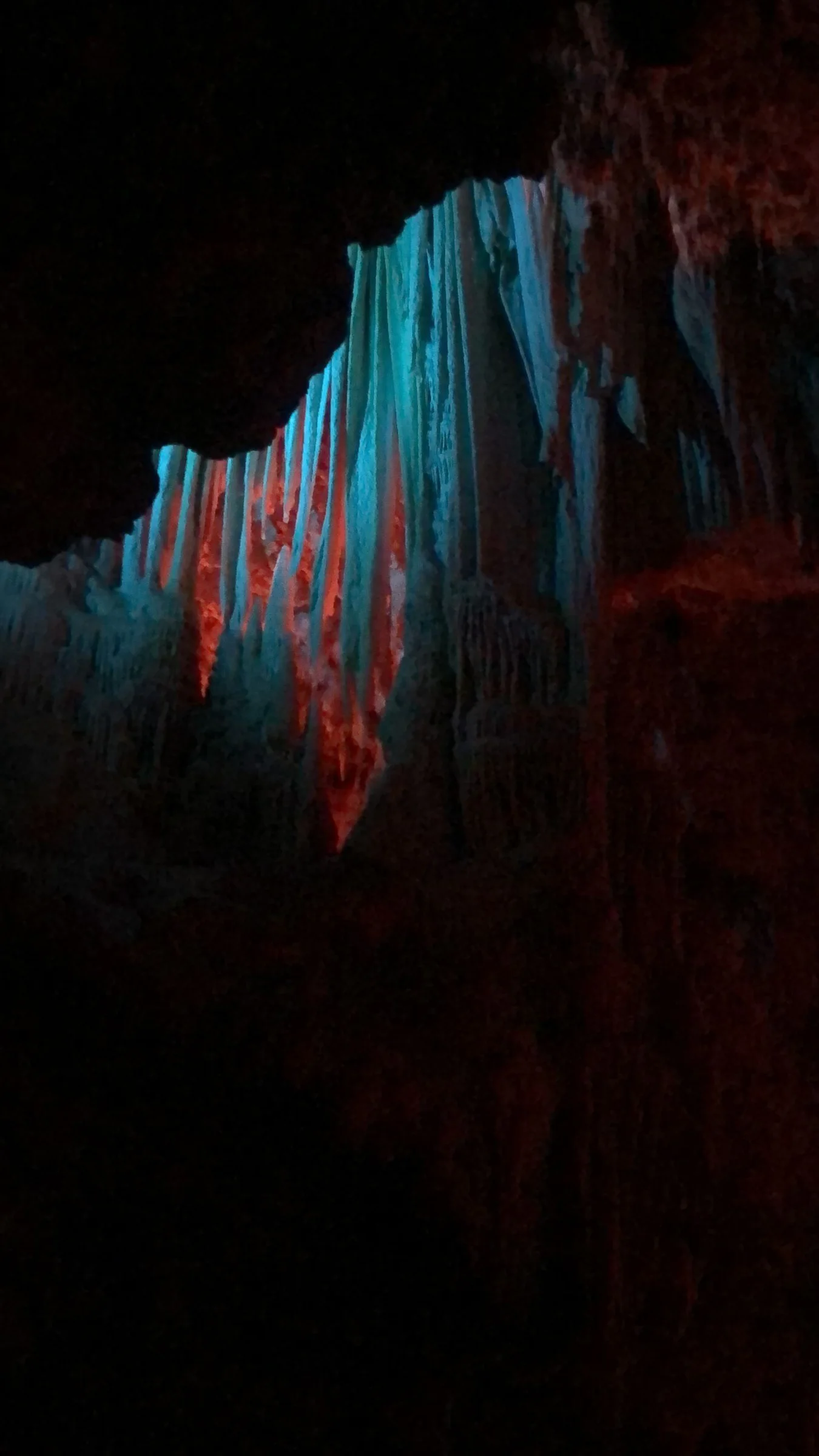
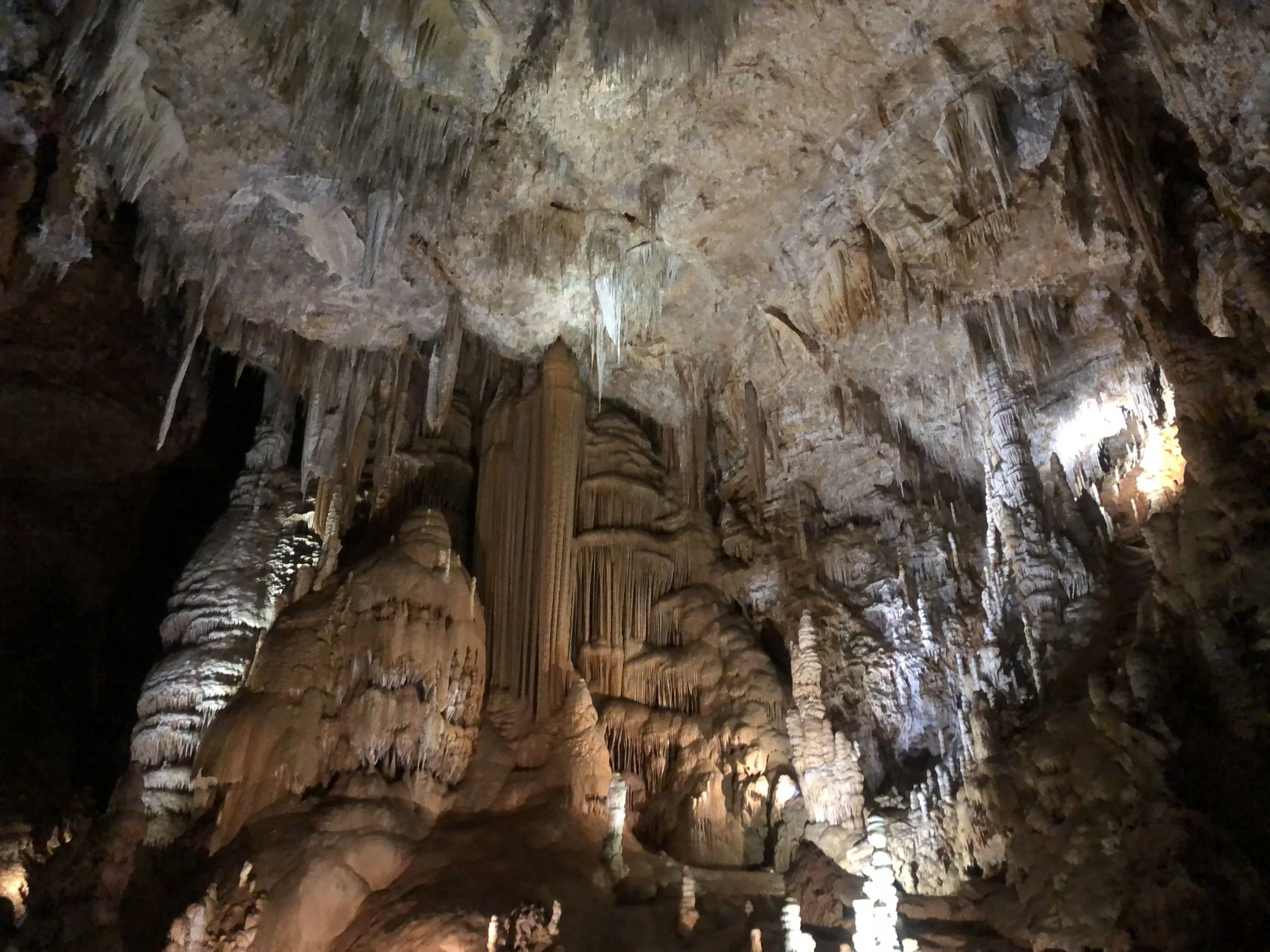
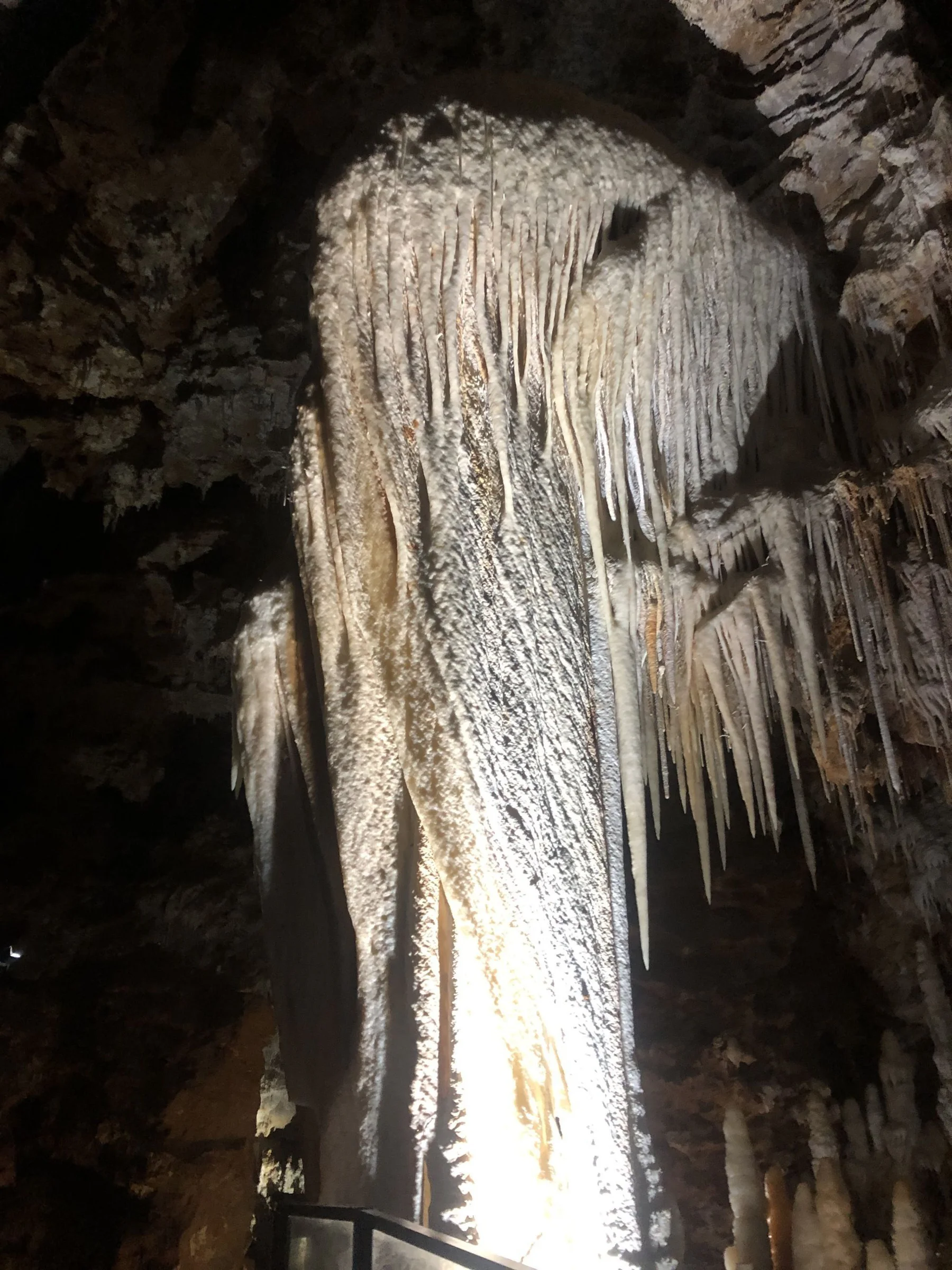
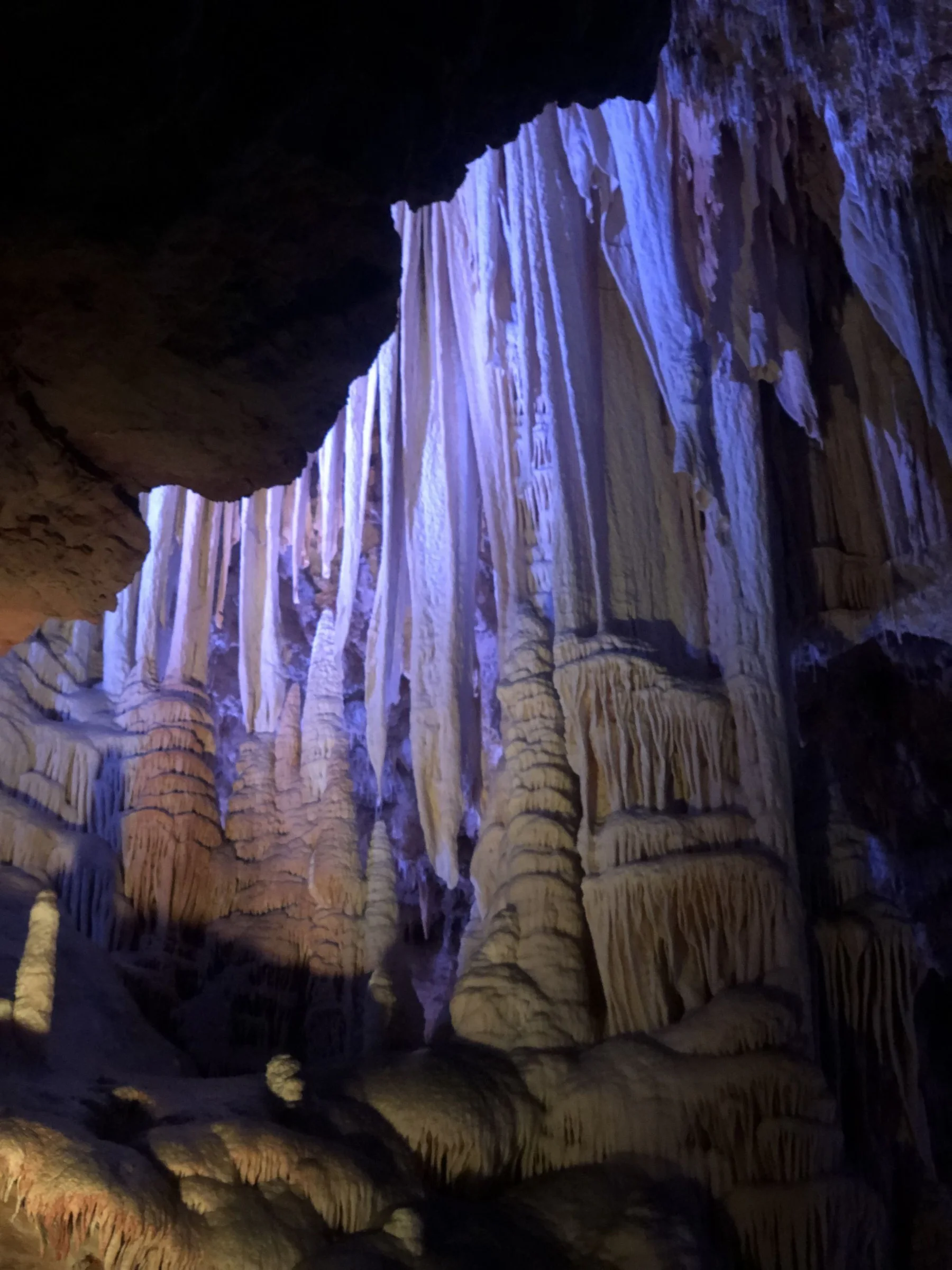
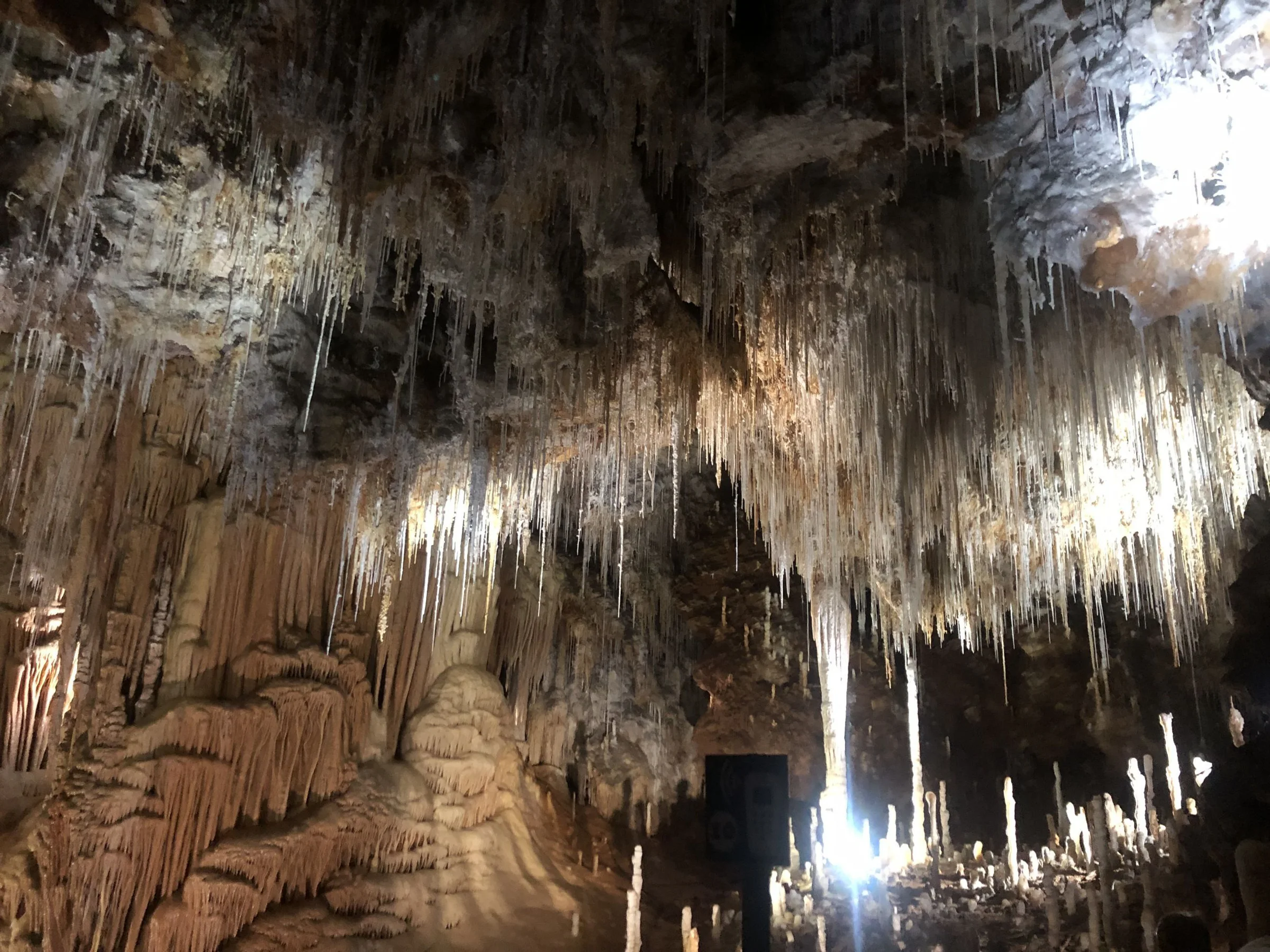
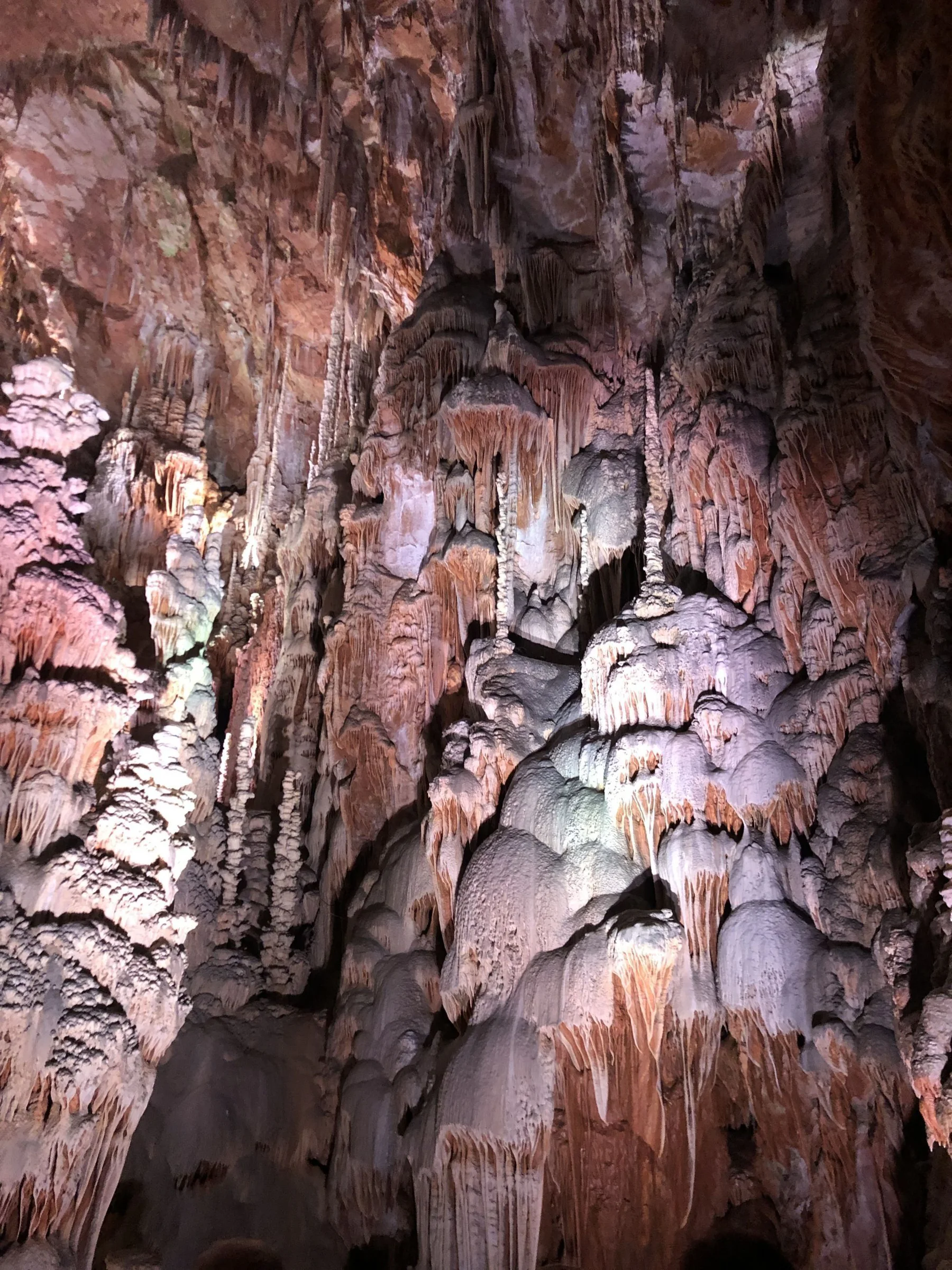
One of the most beautiful caves was discovered in 1945. The temperature in the cave is 15 degrees all year round, but you can manage in a summer outfit. I do recommend trainers, though, because in flip-flops or other summer shoes you could slip. The guided route is 900 metres long and takes 1.5 hours. In the "great hall" they start a projection with music. Flash photography isn't allowed. Everything important to see is lit with LED lamps.
Entry is 13.90 euros.
The Devil's Bridge
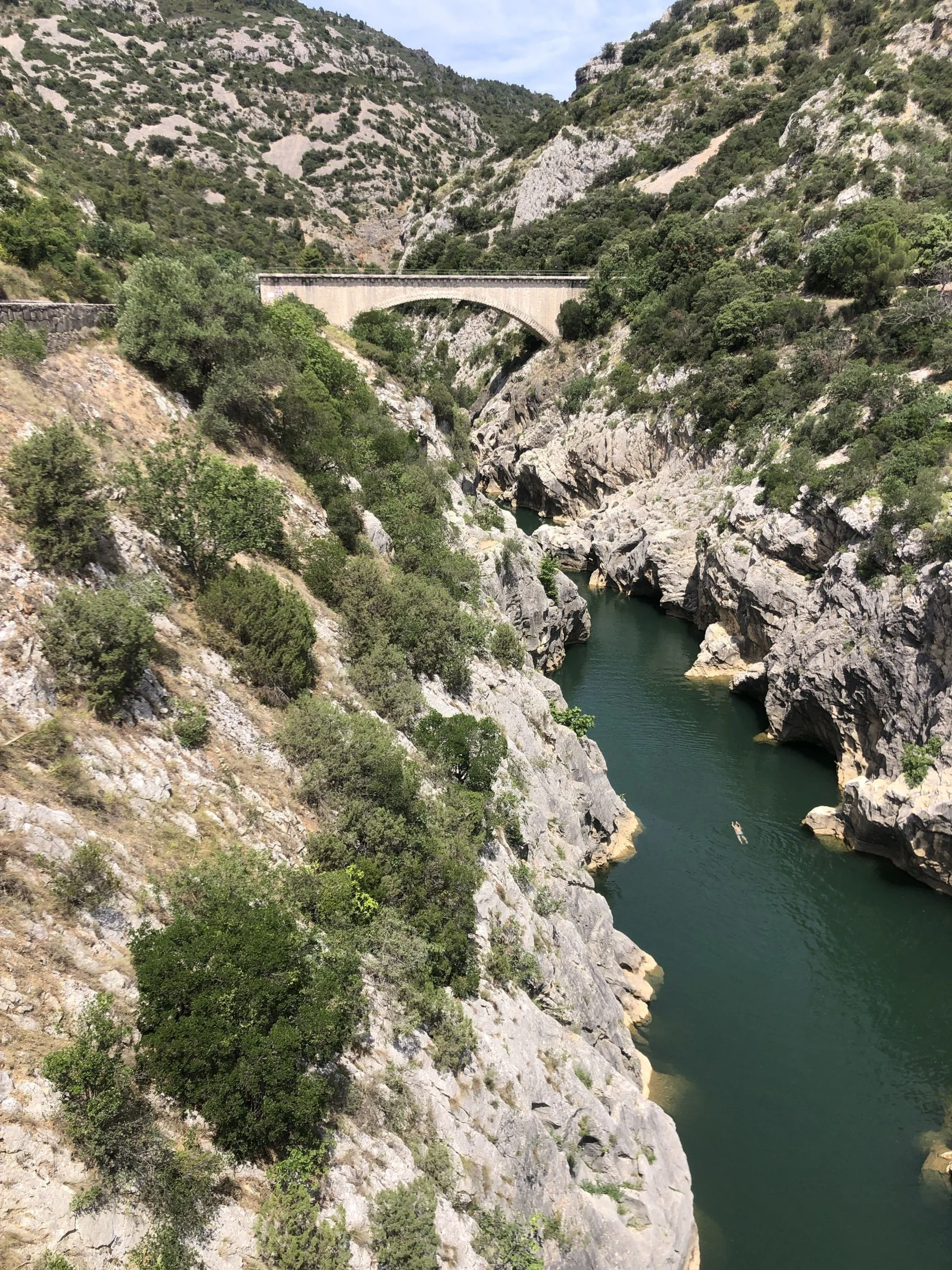
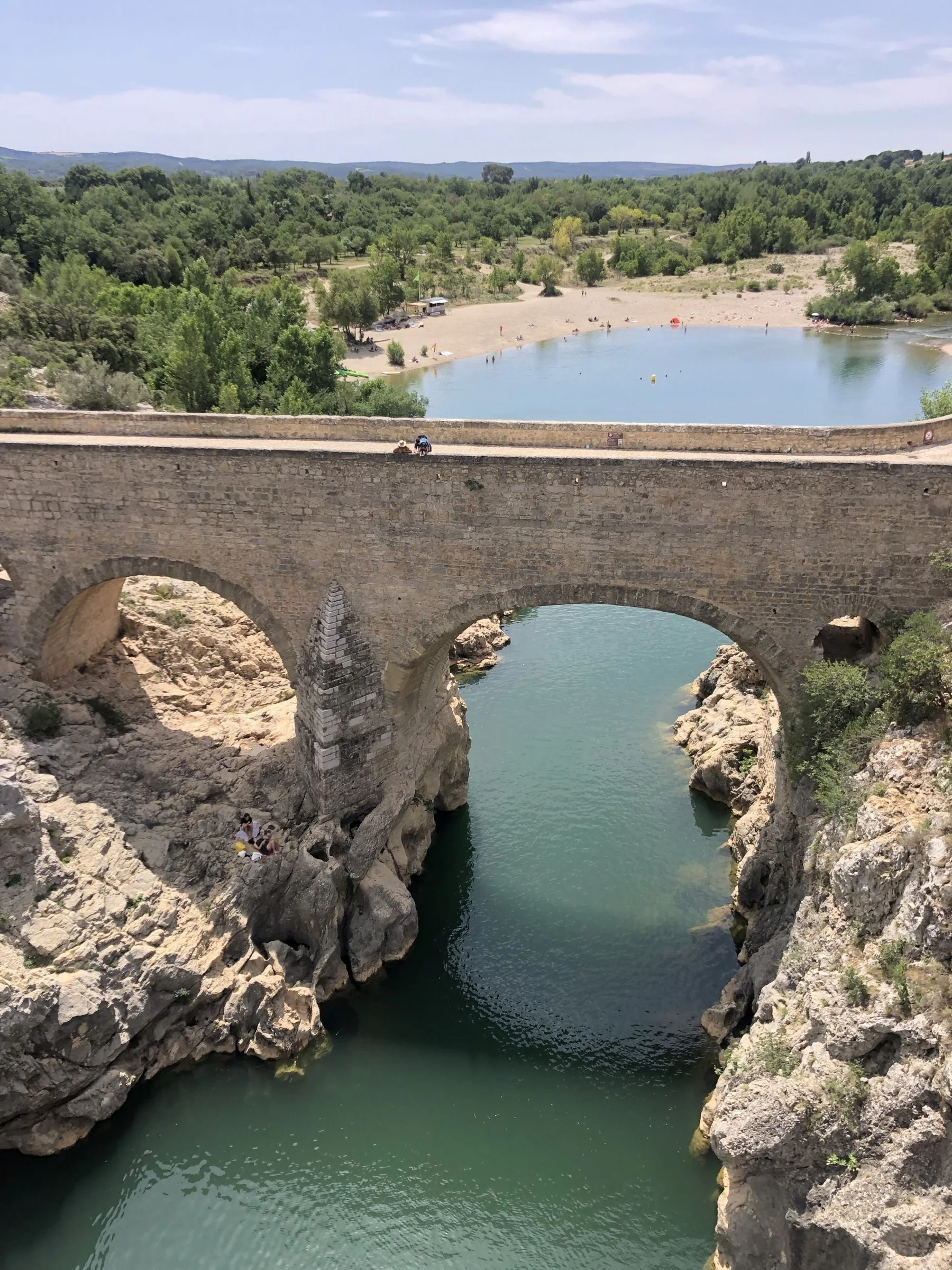
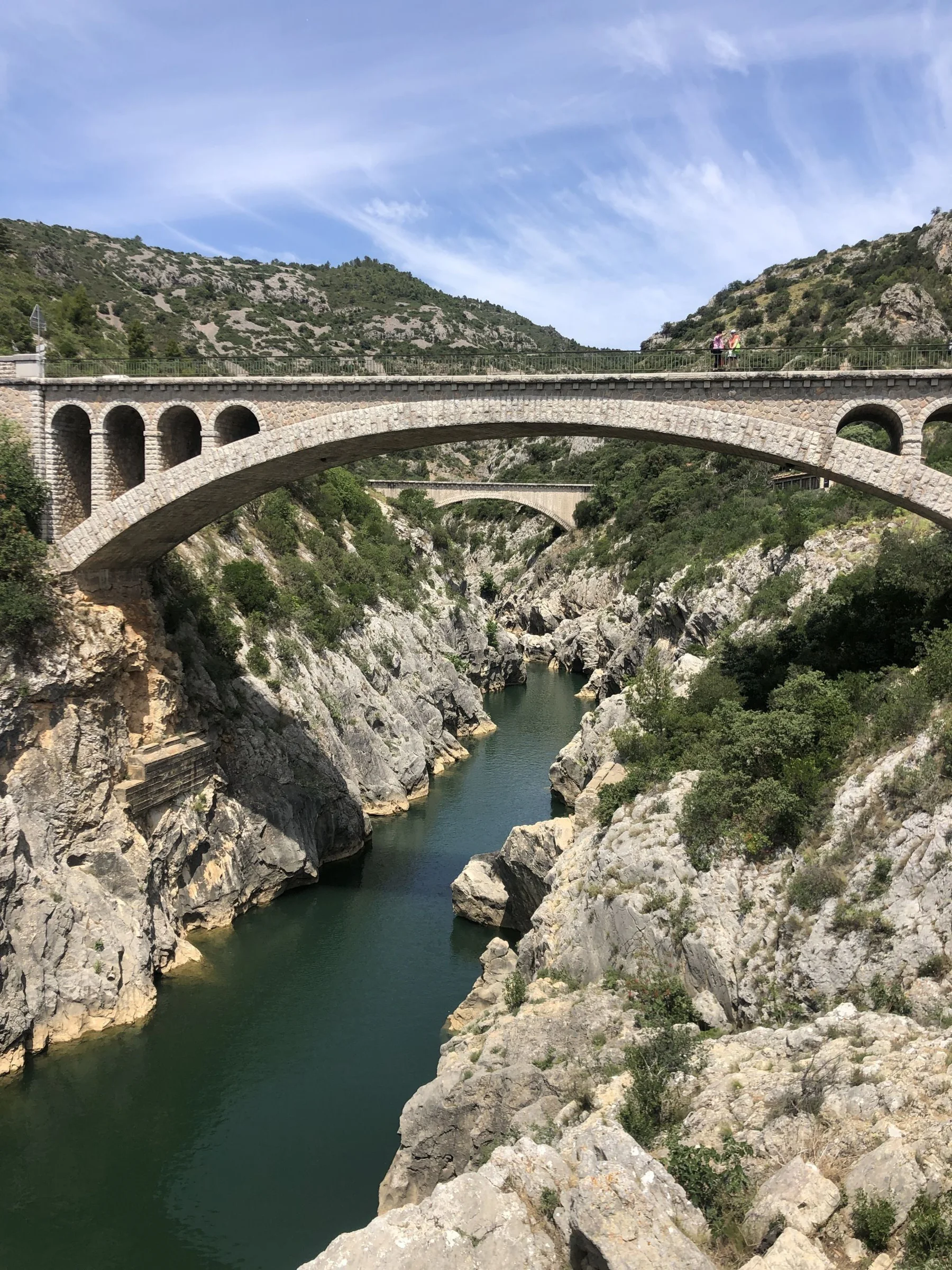
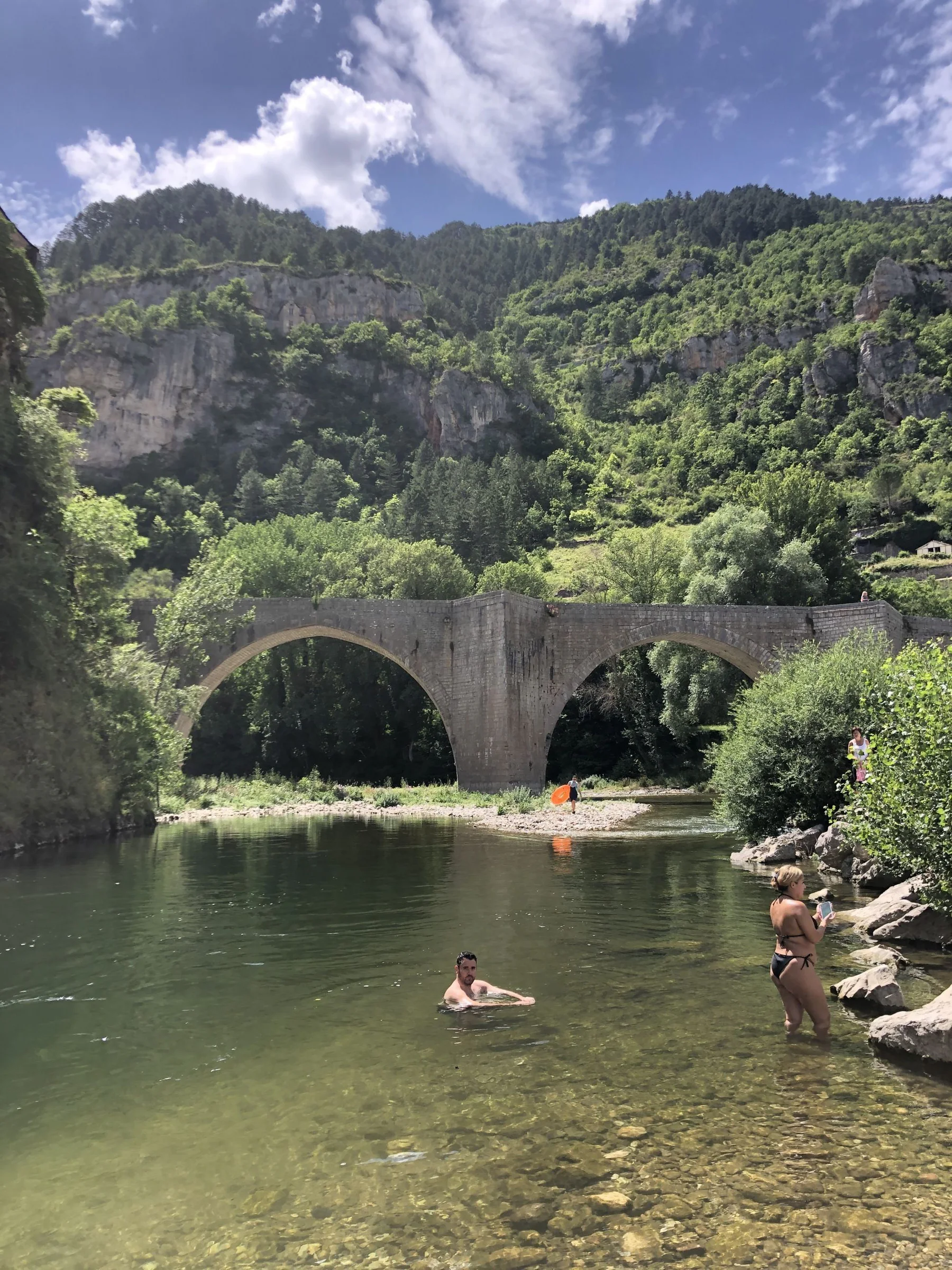
The Devil's Bridge was built in 873.
Jumping from it is strictly forbidden and yet young people jump from it anyway. In the last few years several people have been killed jumping here.
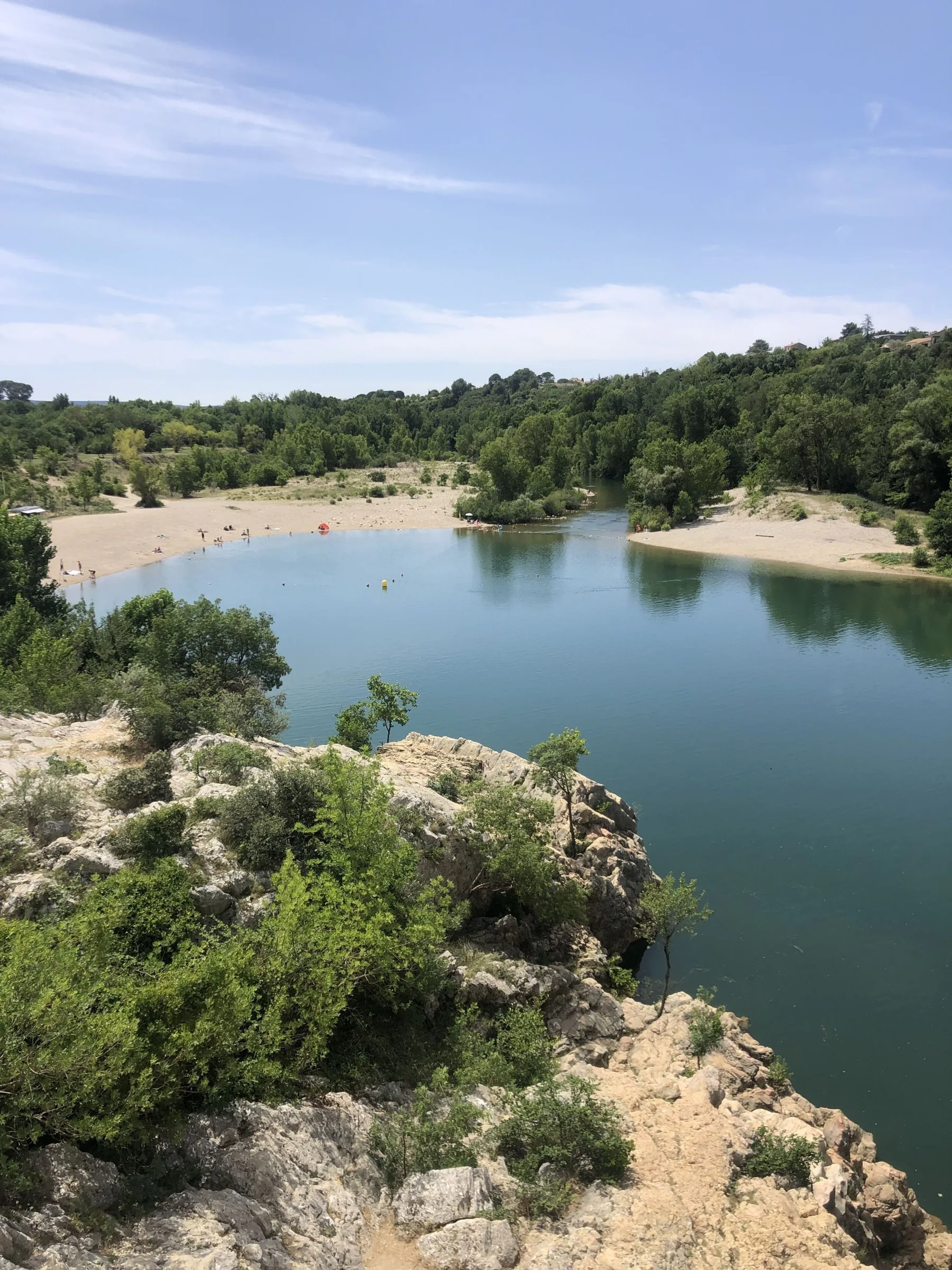
Behind the bridge there's a beautiful beach and you can swim all the way to the gorge, which is freely accessible. You can rent canoes or paddleboards here. The water is crystal clear and a few fish swim in it.
Montpellier
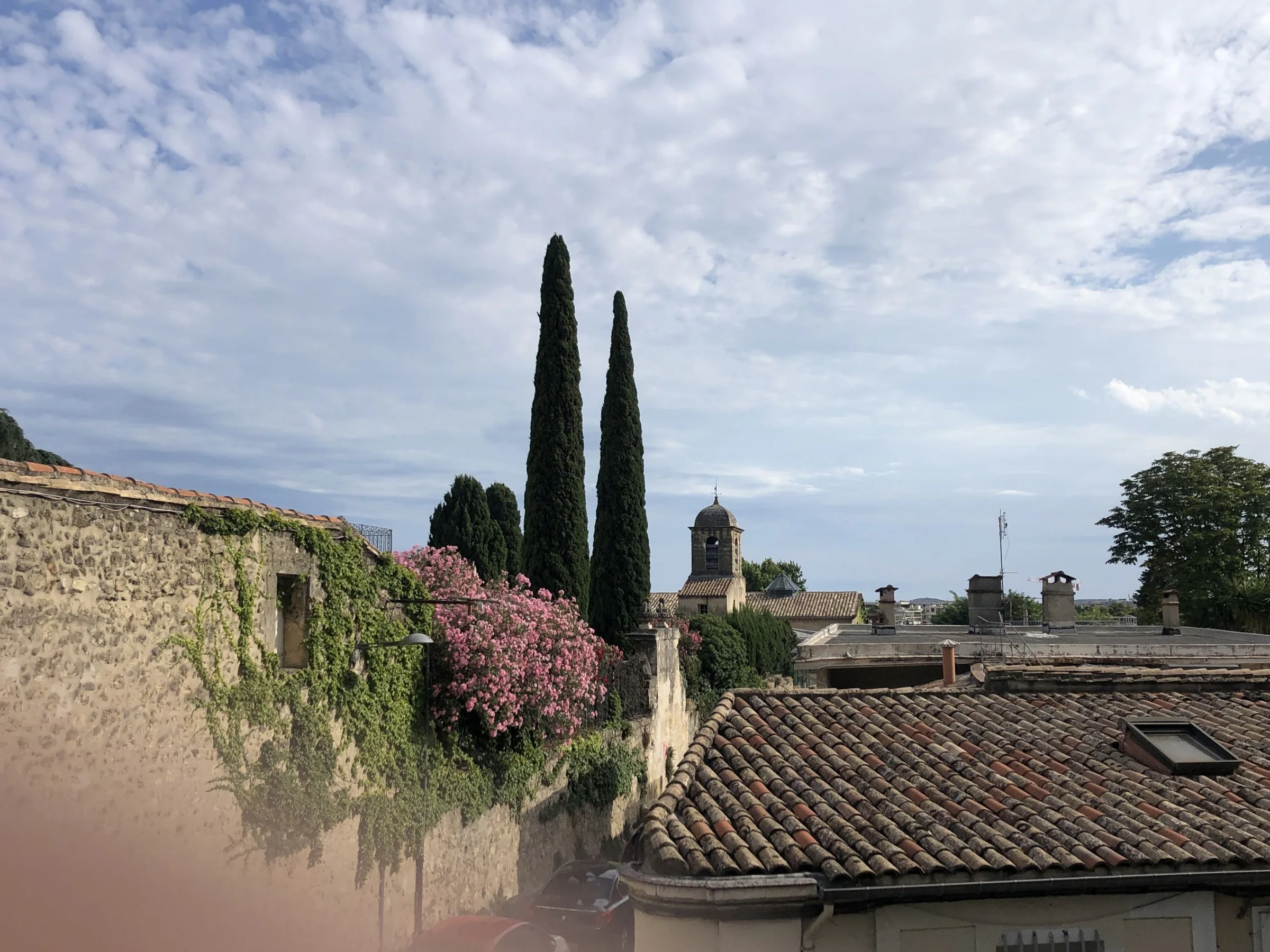
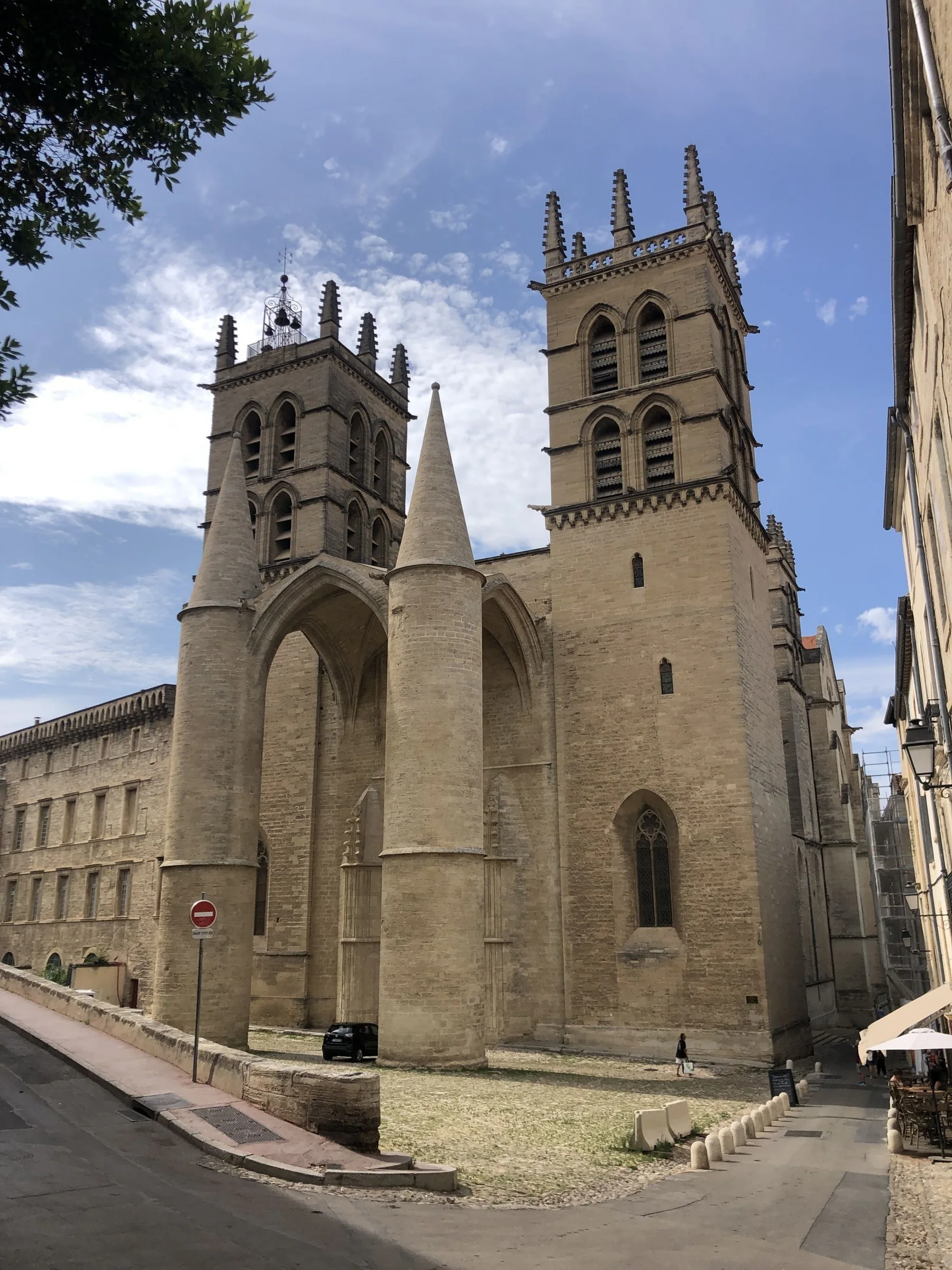
Millau Viaduct
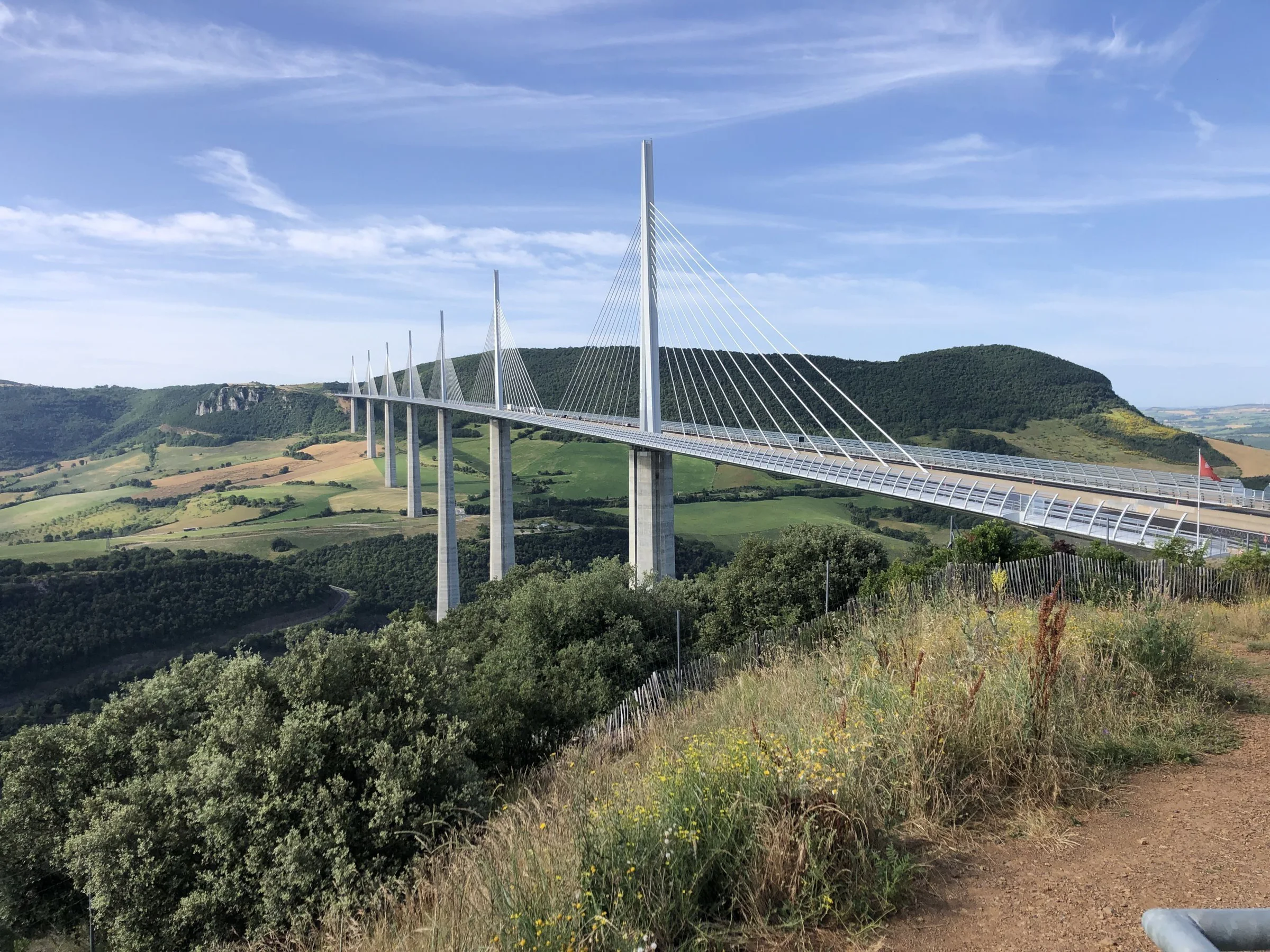
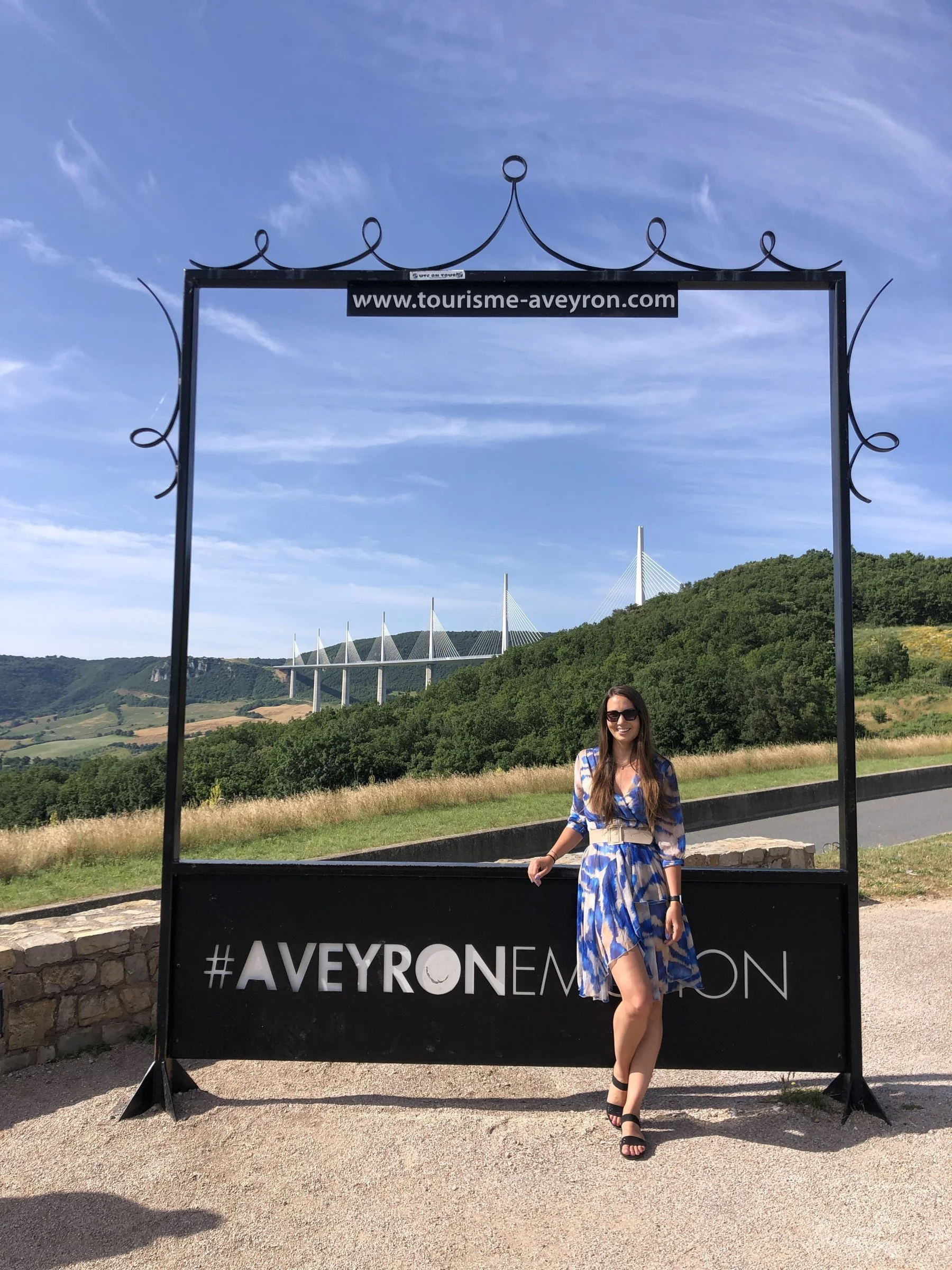
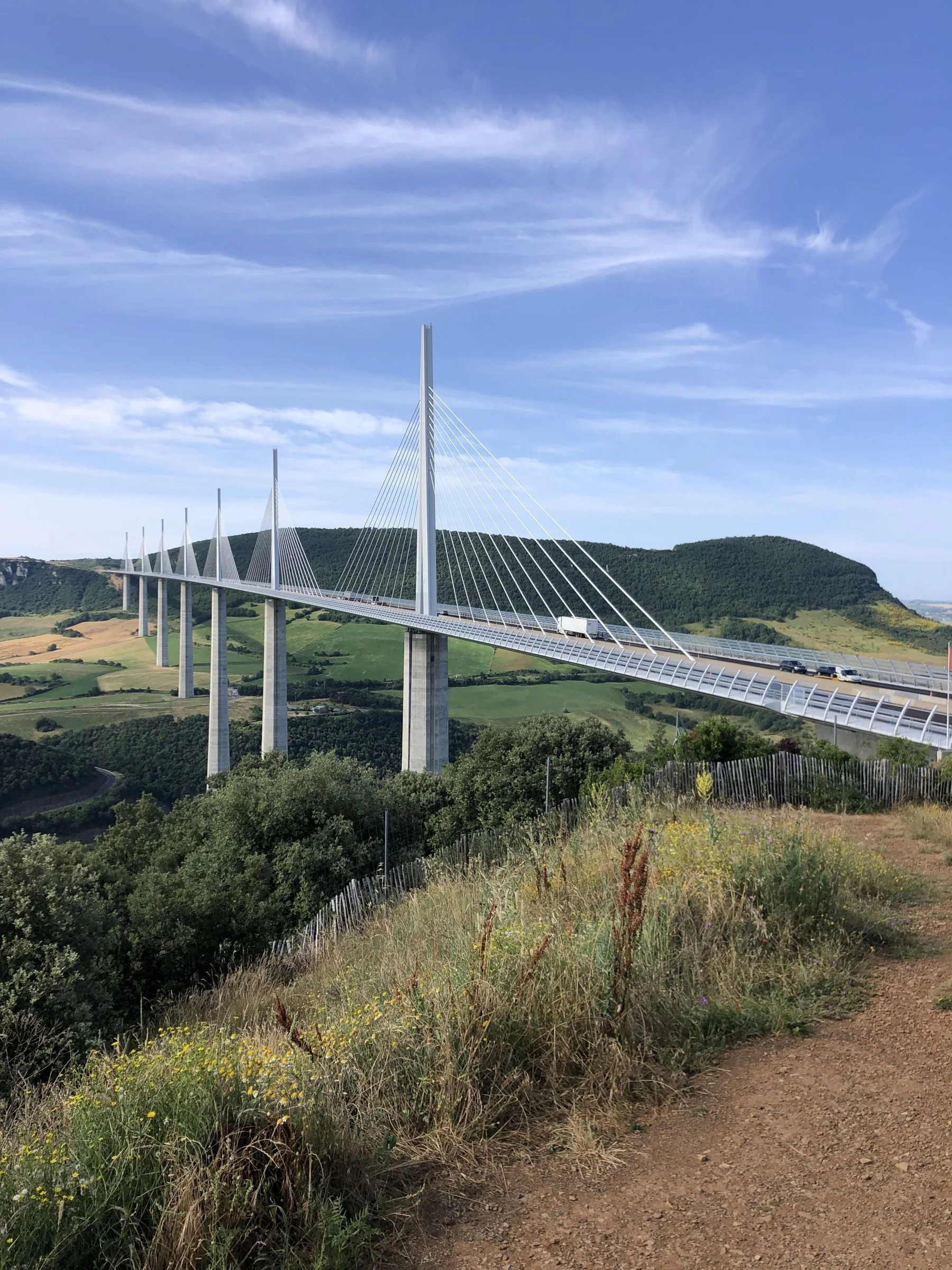
The Millau Viaduct is the tallest in Europe and the second tallest in the world. It's surpassed only by the Puente Baluarte bridge in Mexico. The bridge is suspended on seven concrete pillars of different heights, from 77 m up to 246 m, it is 2.46 km long and weighs 36,000 tonnes. Construction of the bridge began on 16 October 2001 and it was officially opened 38 months later. There's a toll to cross the bridge! I think it's 11 euros for a car.
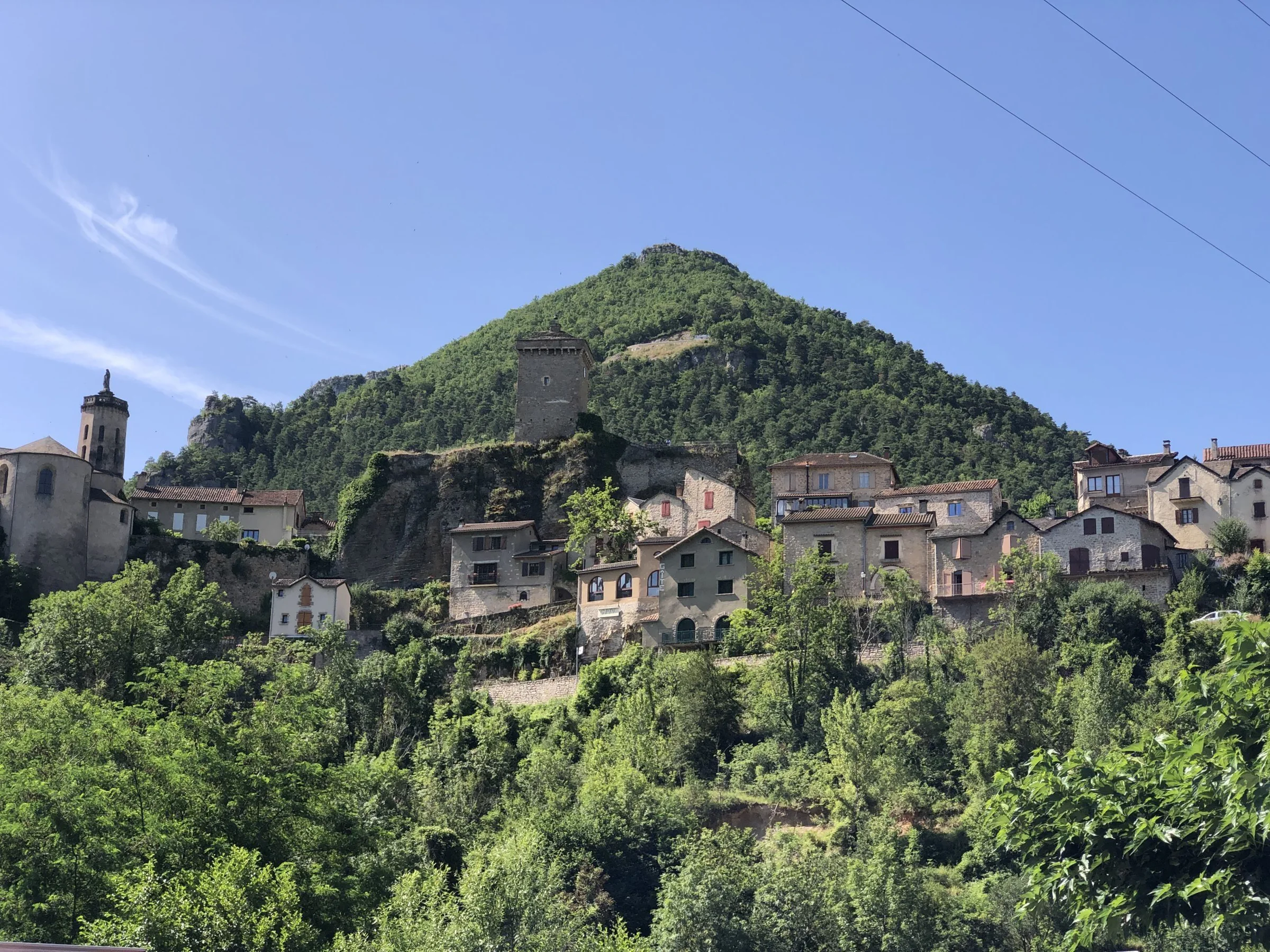
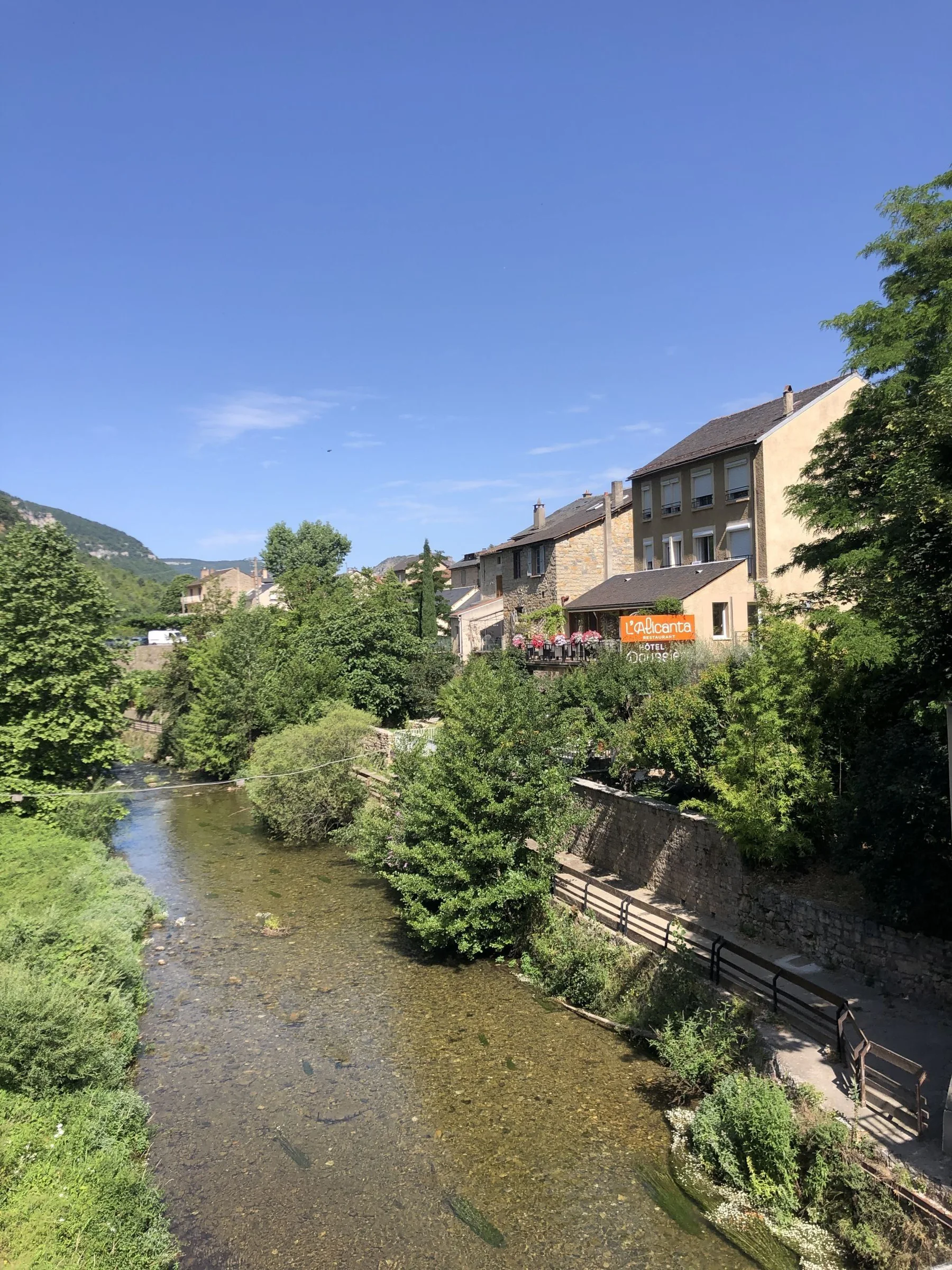
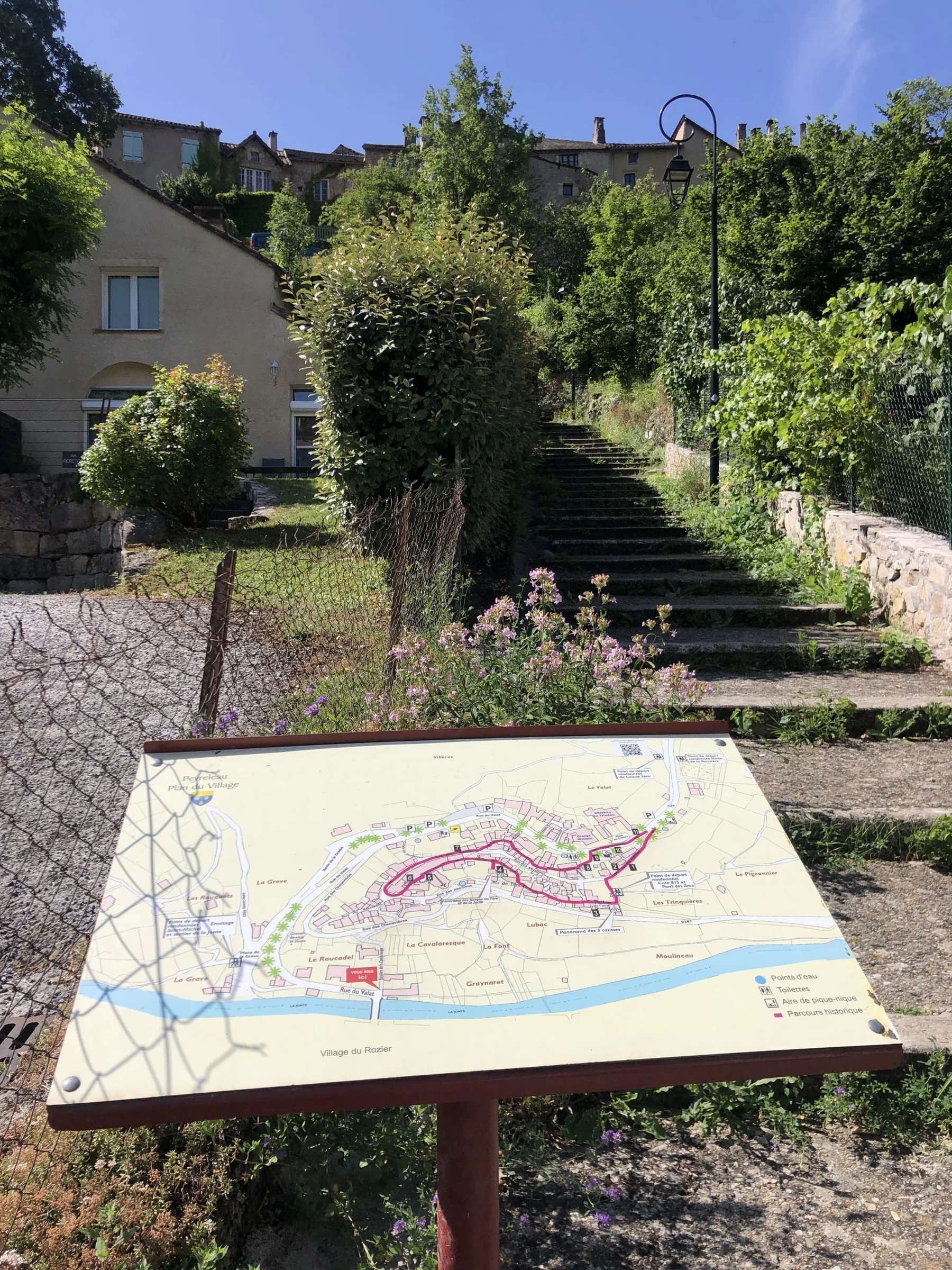
Le Rozier
Aven Armand Cave
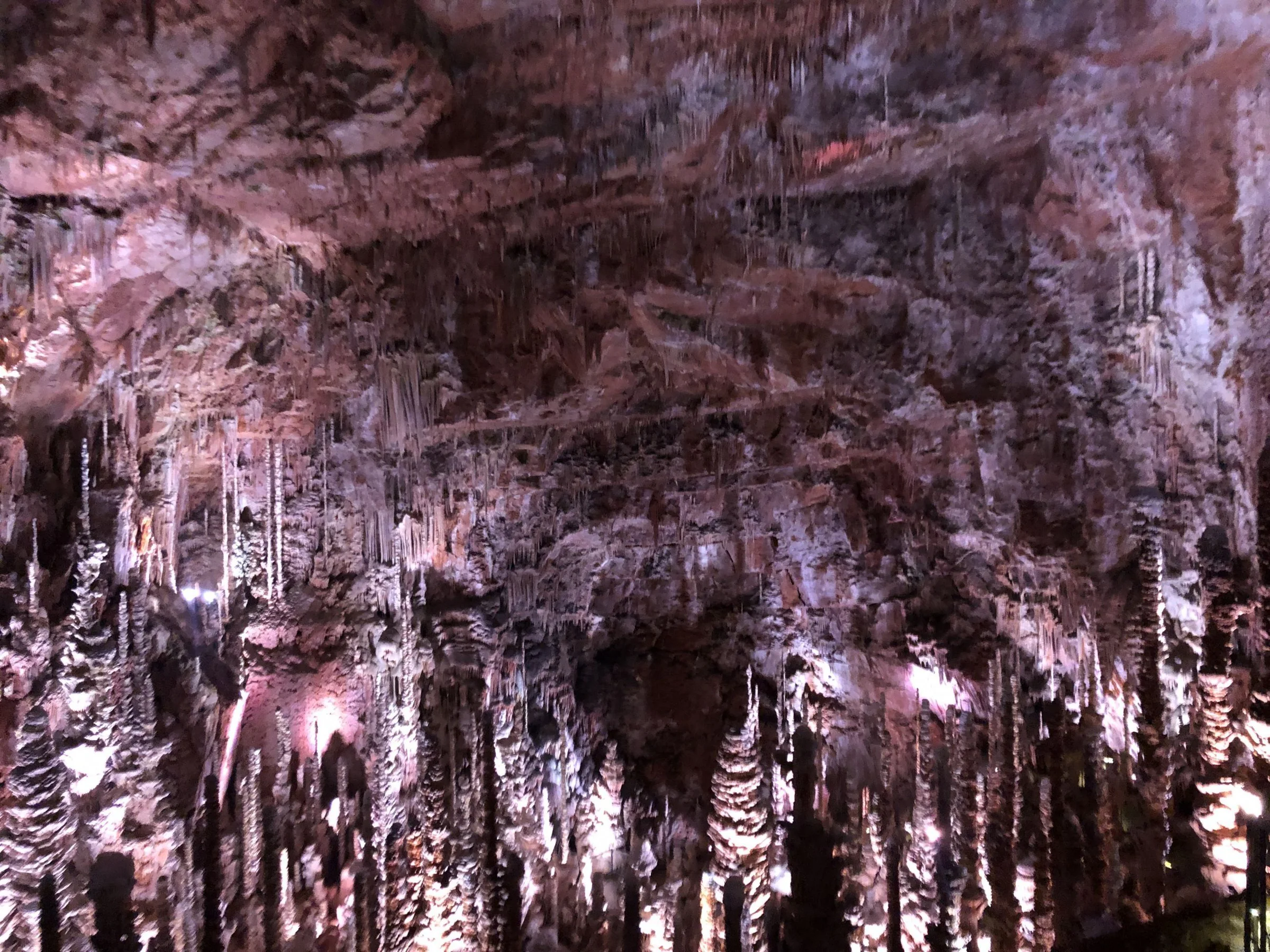
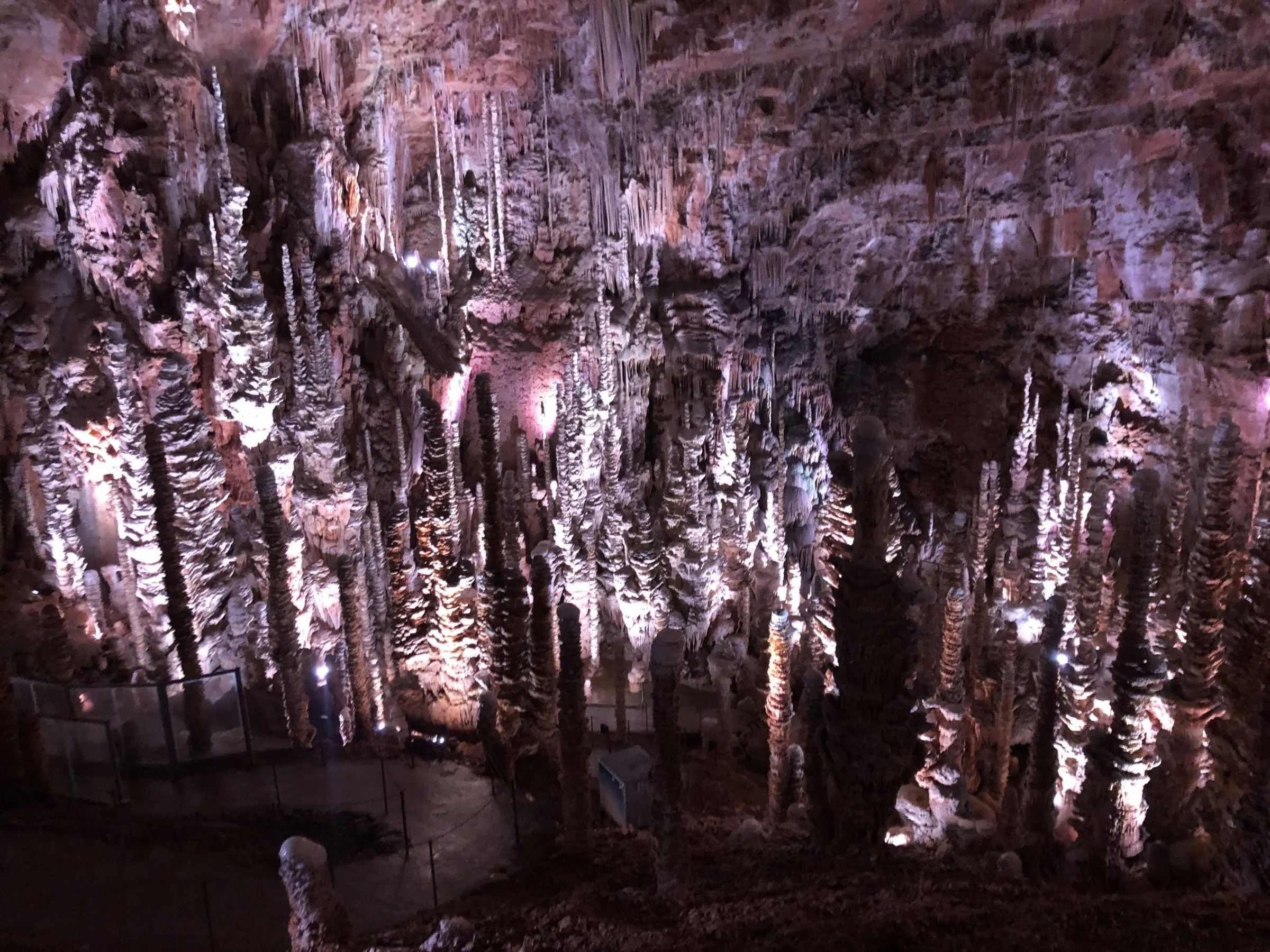
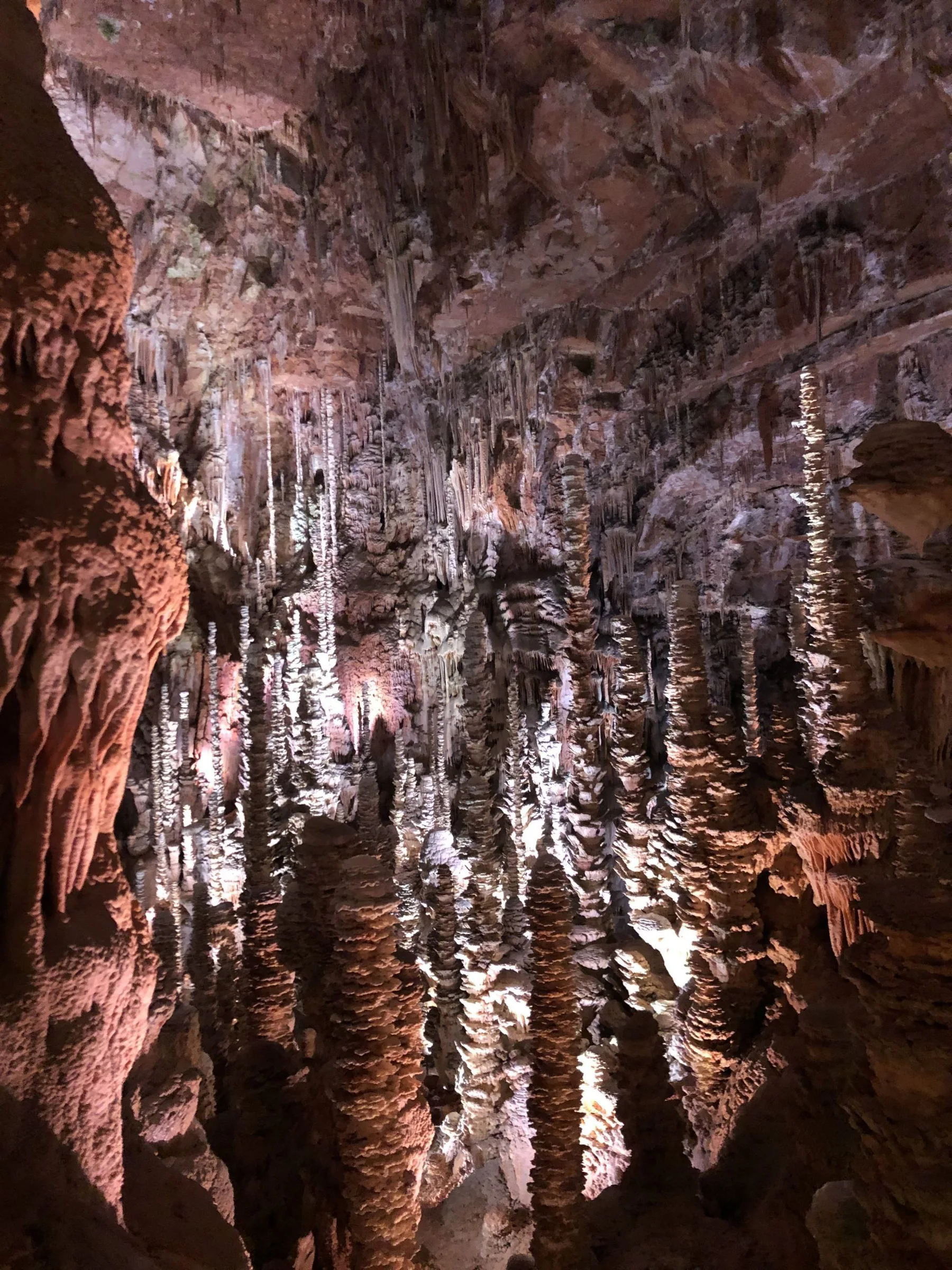
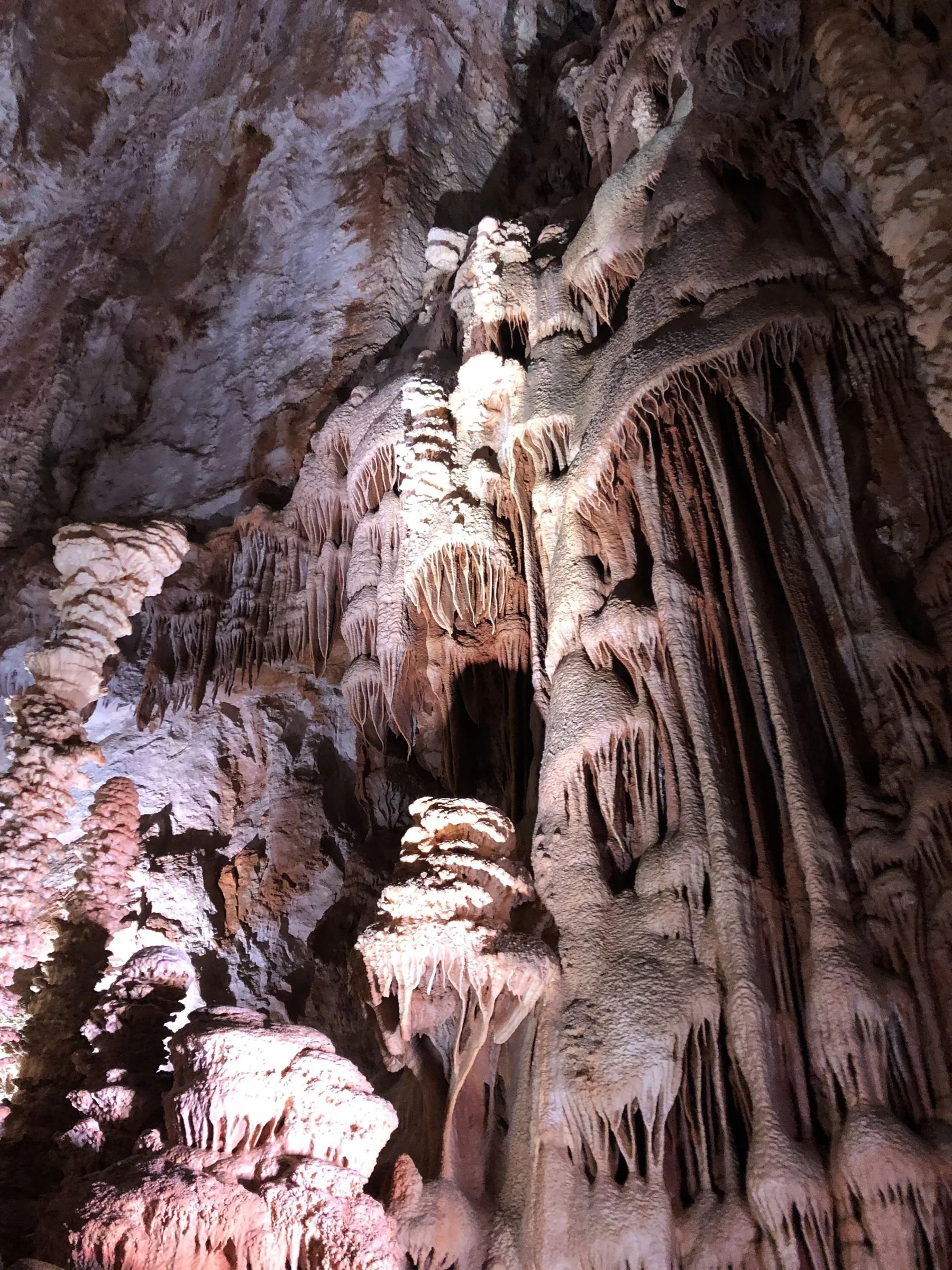
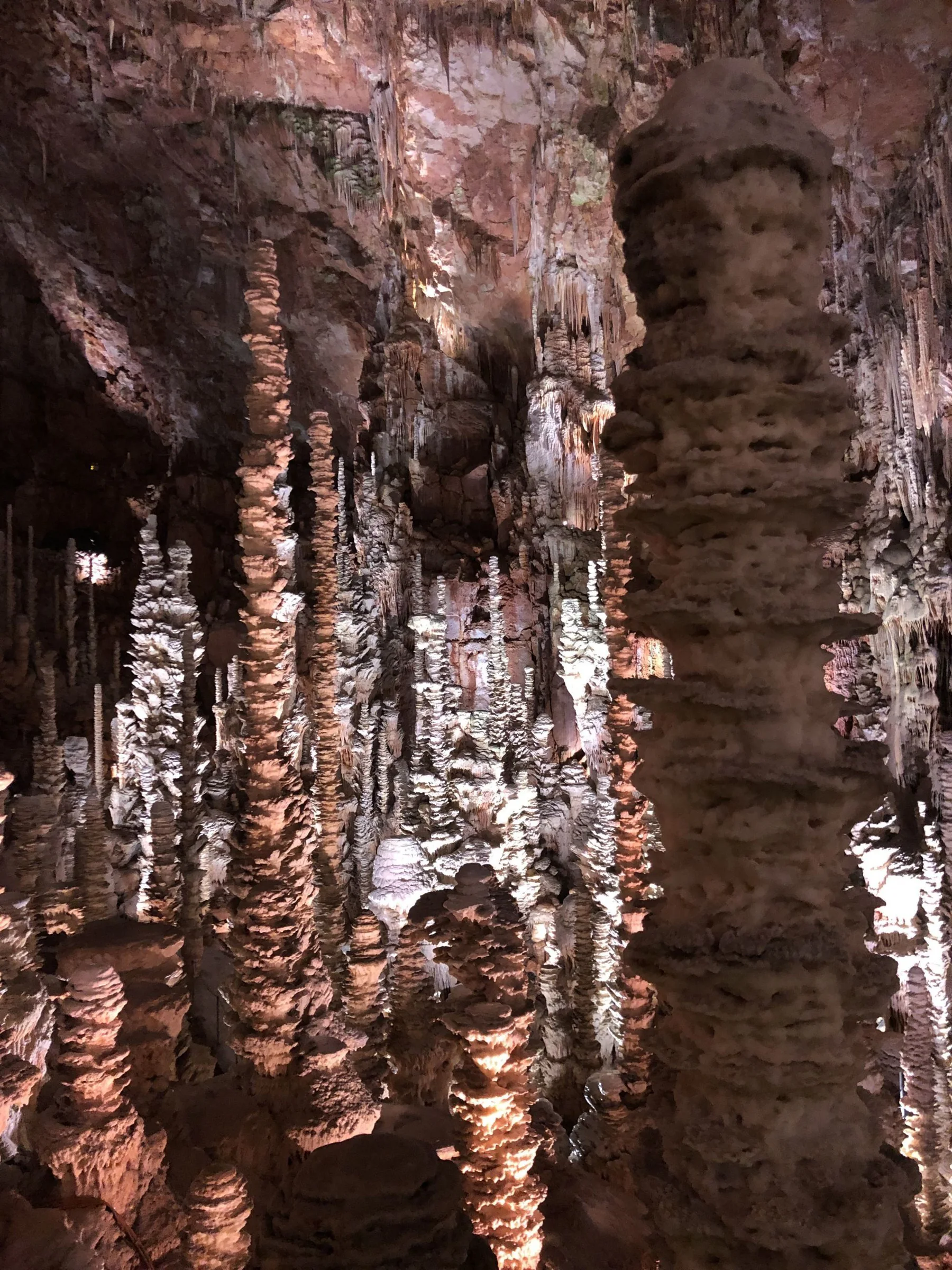
The cave was discovered by Louis Armand, after whom it is also named. He discovered it on 19 September 1897. The cave is known above all for its forest of 400 stalagmites, some of which reach up to 30 m in height. These stalagmites are among the tallest in the world. The main cave dome lies 100 m below the surface. The cave was opened to the public on 11 June 1927, after a 208 m access tunnel was dug. You reach the cave by funicular.
Entry 16.90 euros.
Sainte-Enimie
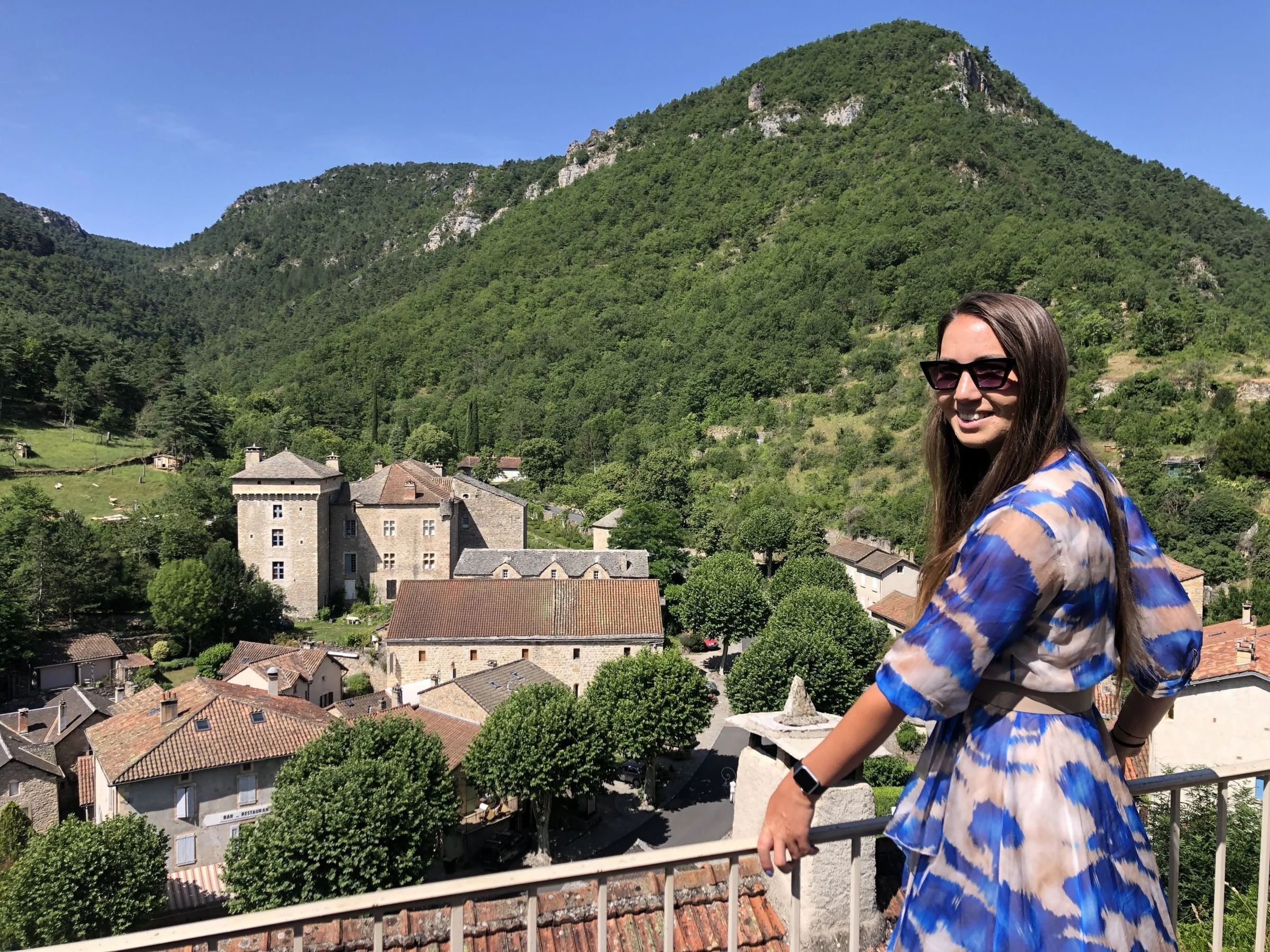
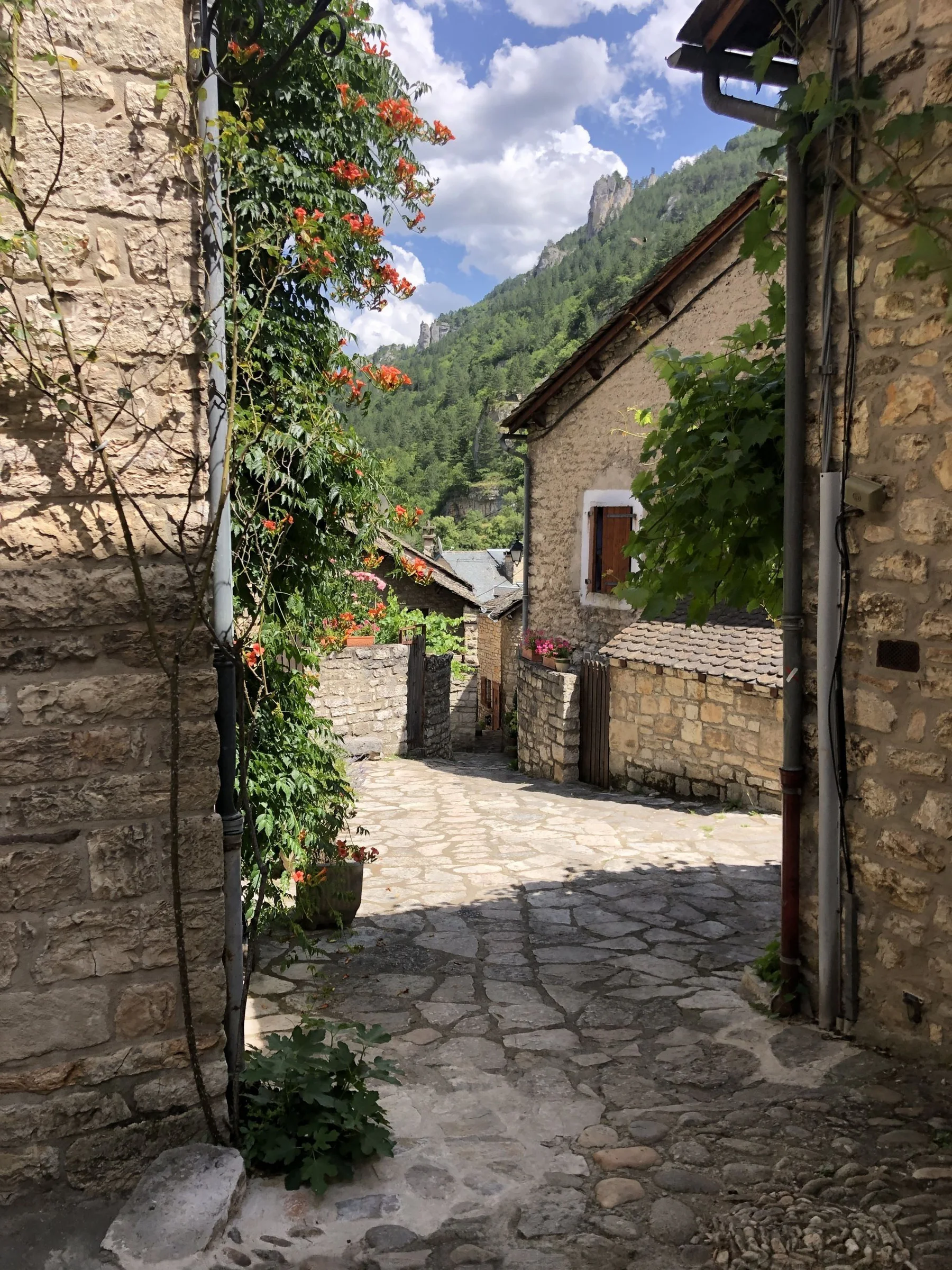
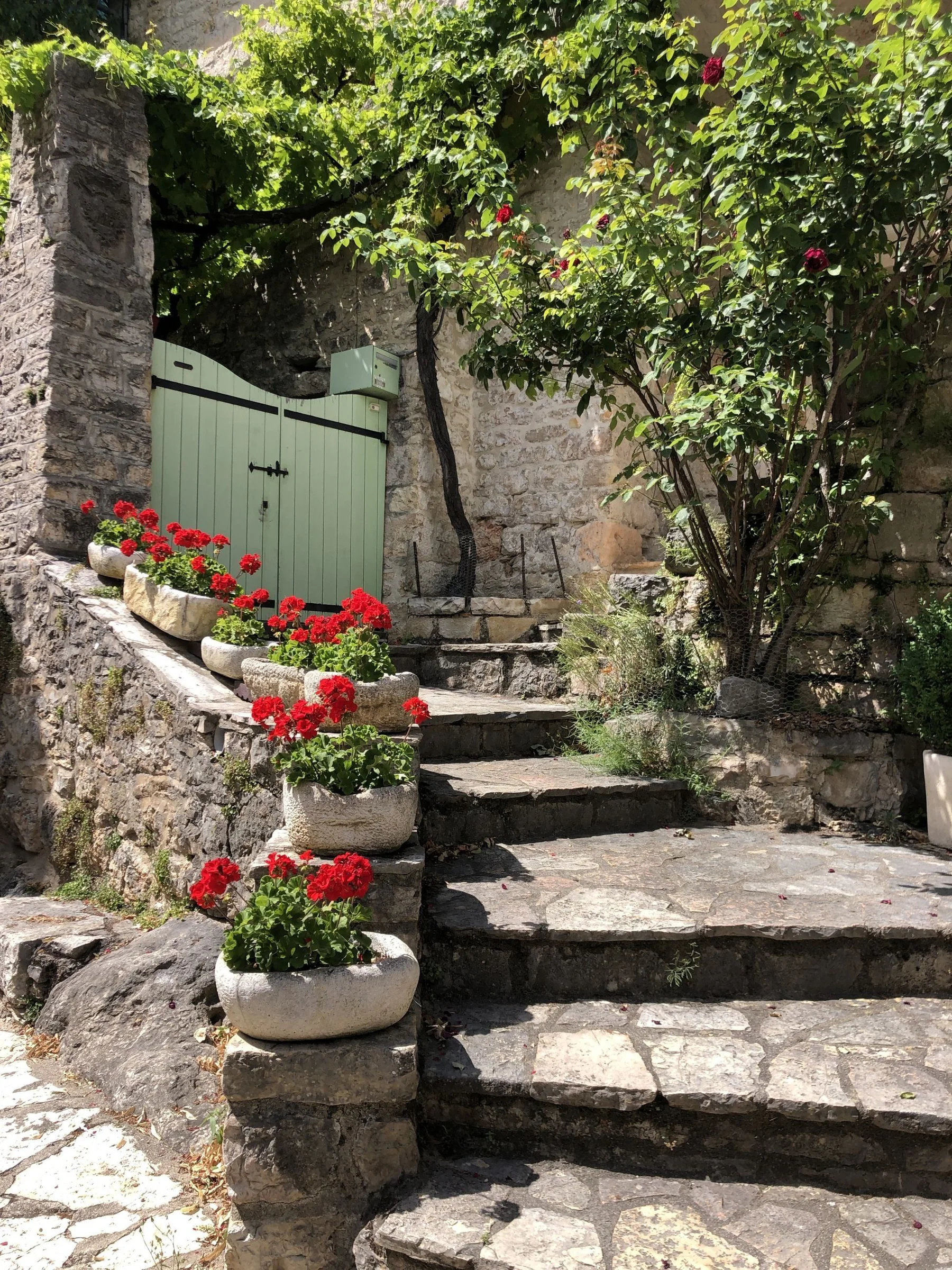
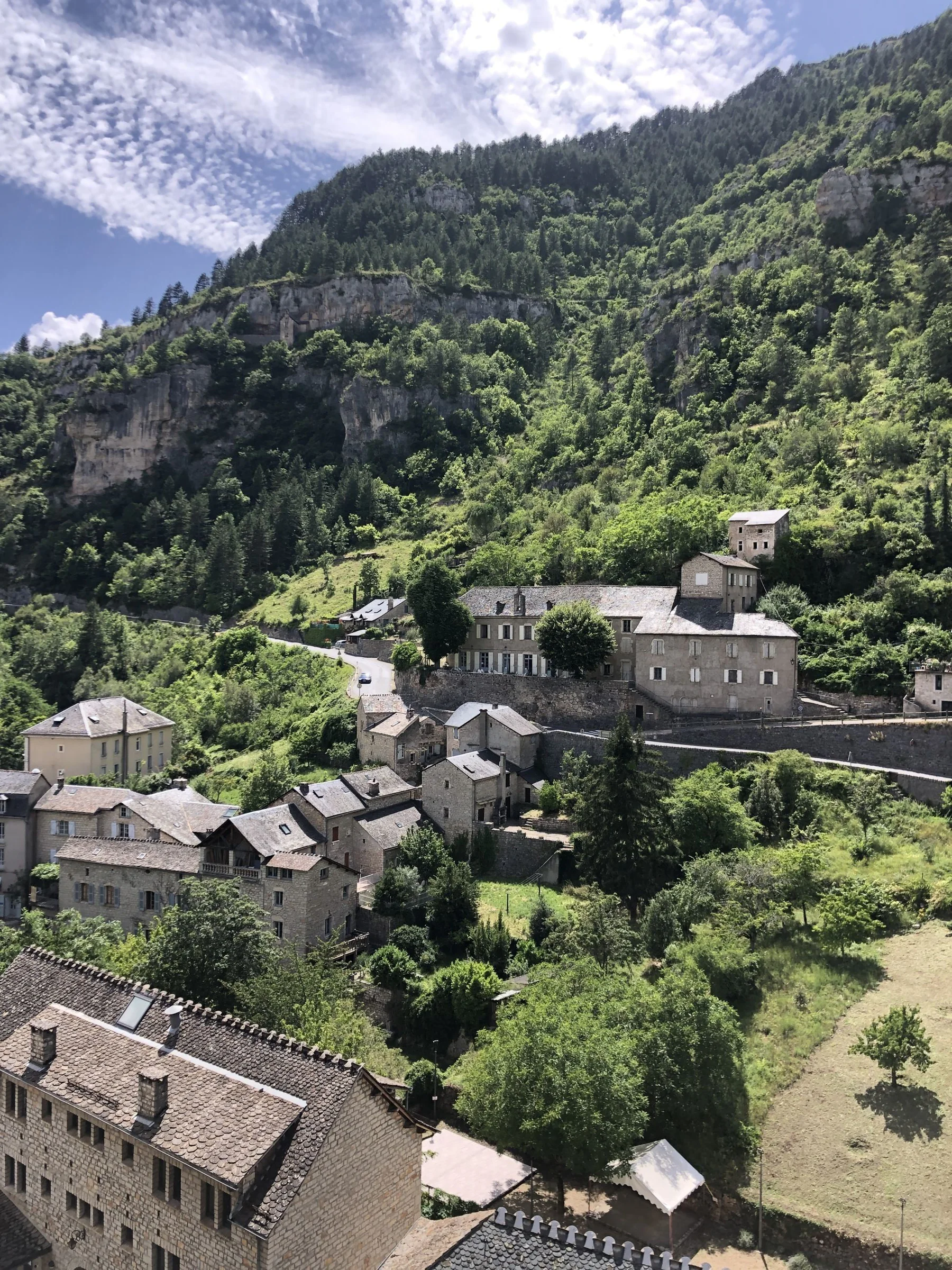
Another of the beautiful little towns in the Tarn valley, which came into being around 951. The paths here are stone, so they're a bit slippery and quite unpleasant to walk on. There's drinking water on almost every corner of the town. In fact, everywhere in Provence I saw taps (see the photo) with drinking water. So you can freshen up and top up your water on every corner.
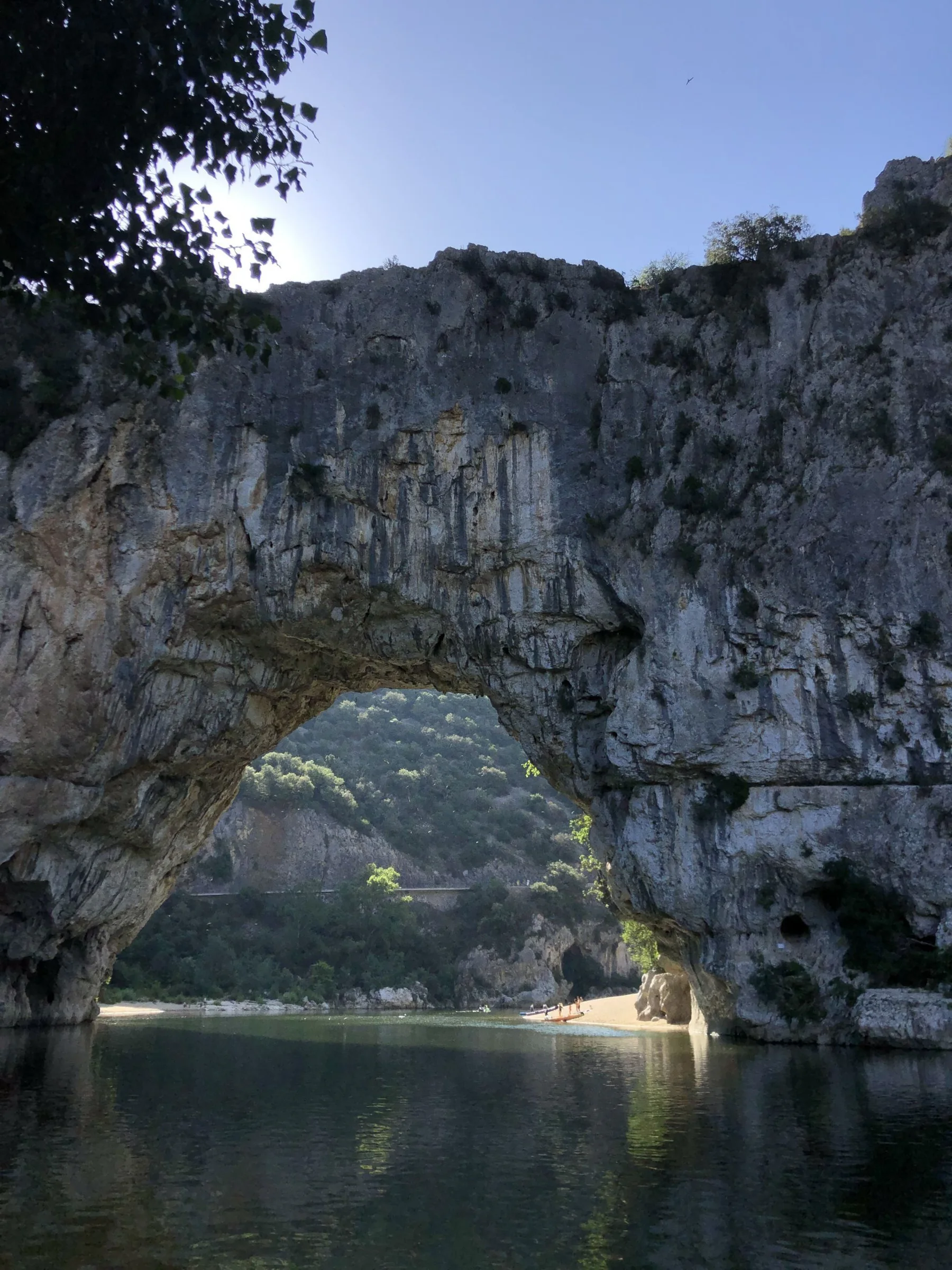
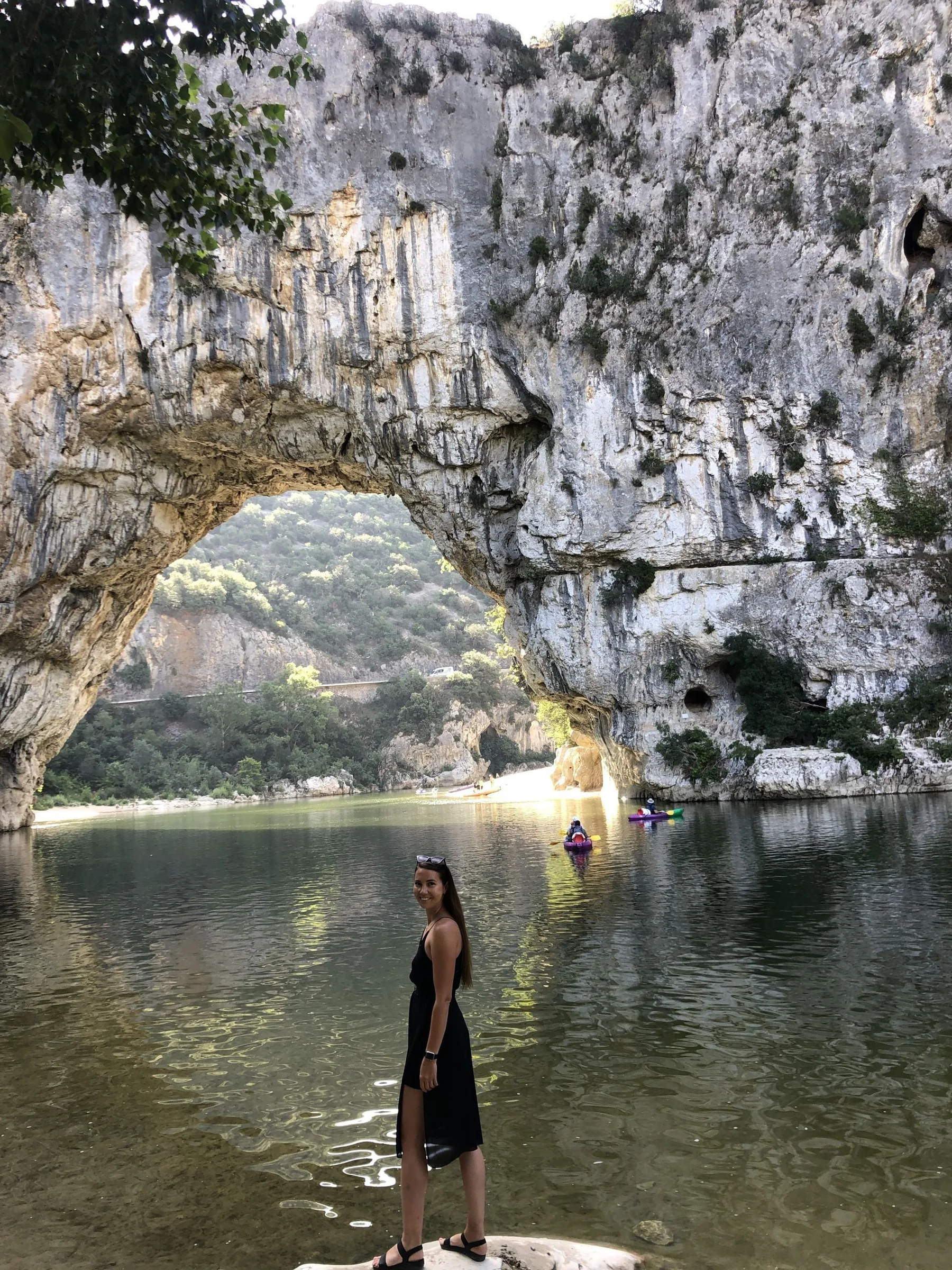
Pont d'Arc
A natural rock bridge 54 metres high and 60 metres wide. It was formed naturally by the Ardèche river.
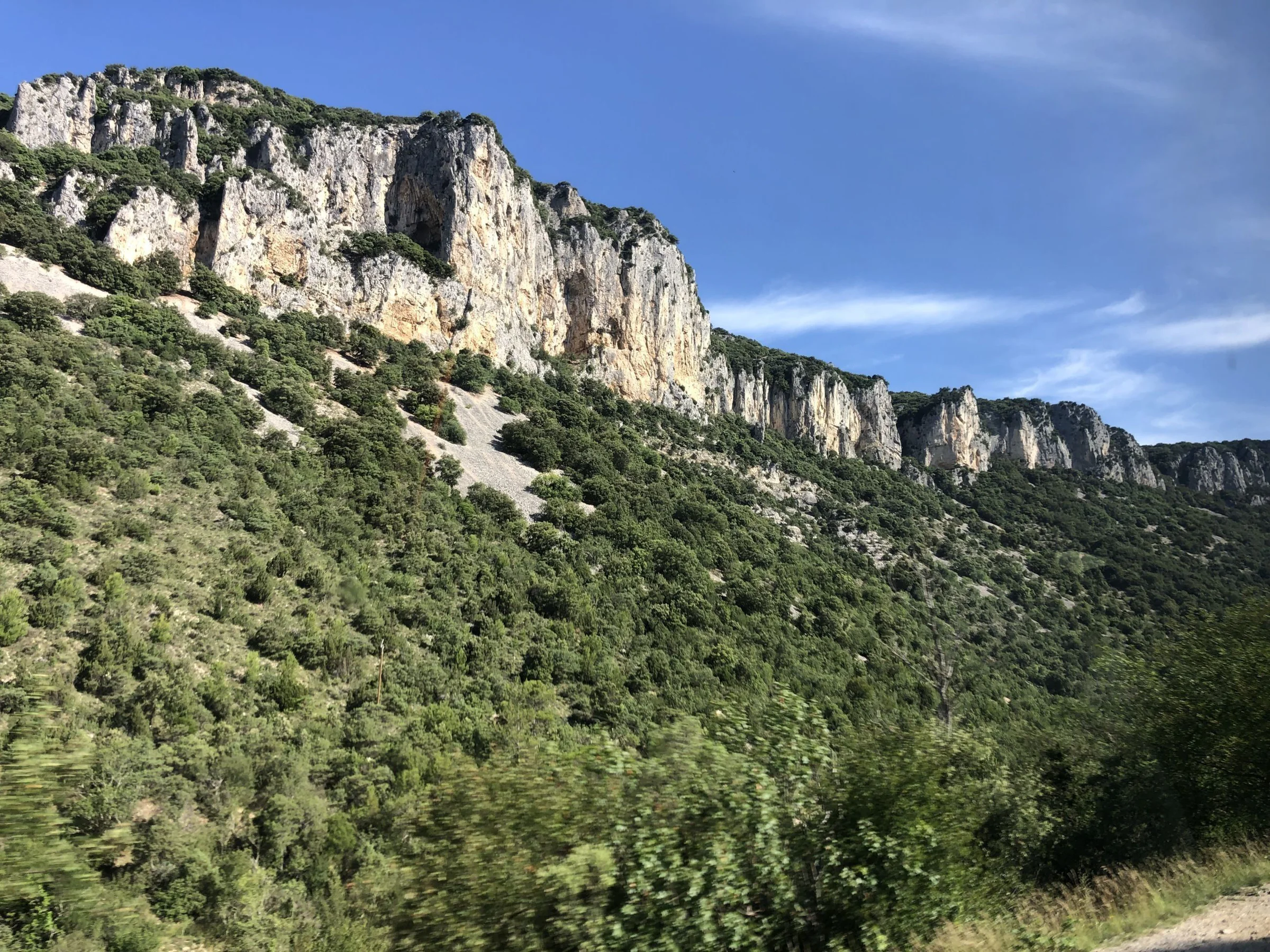
Ardèche Gorge
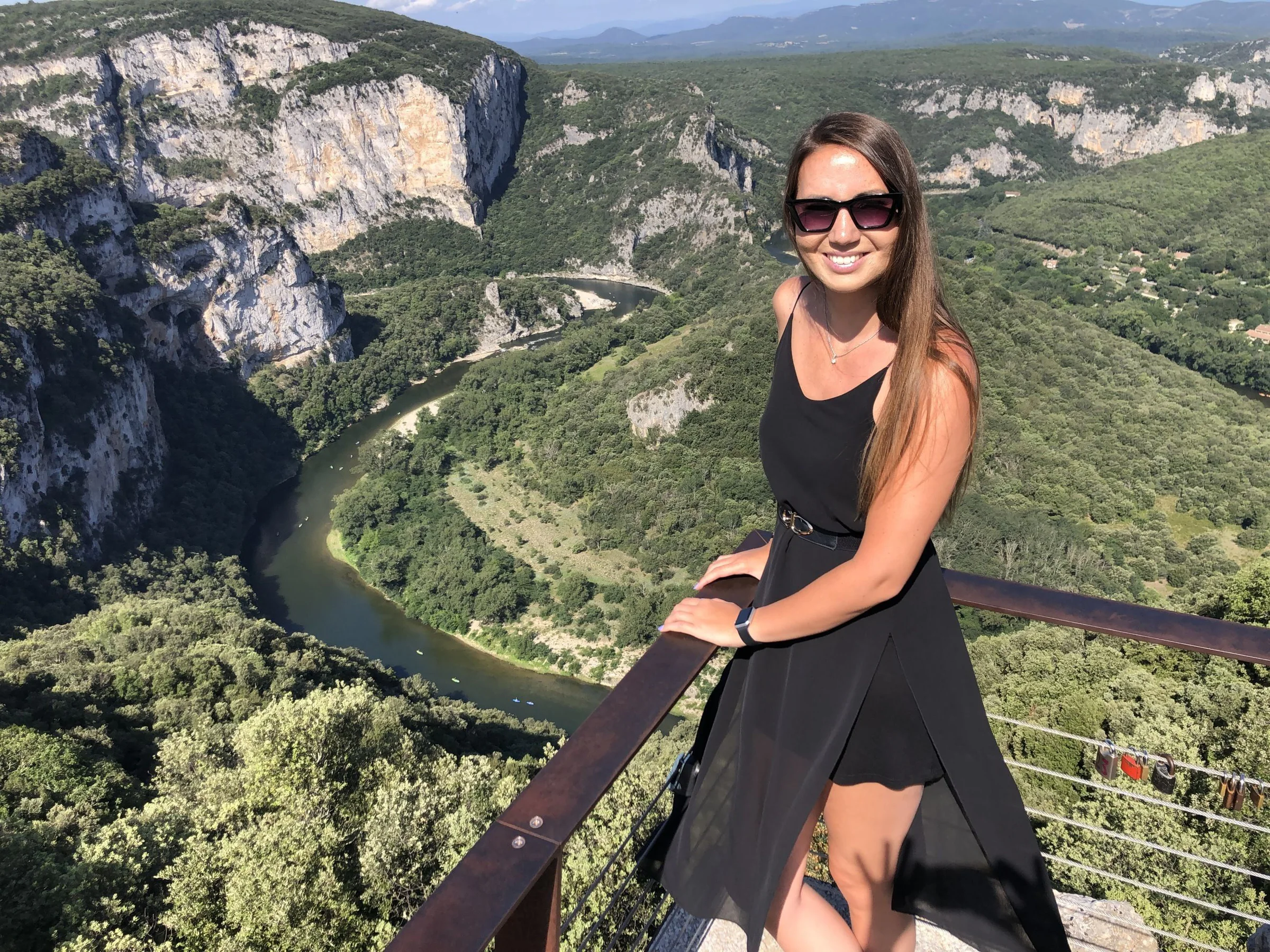
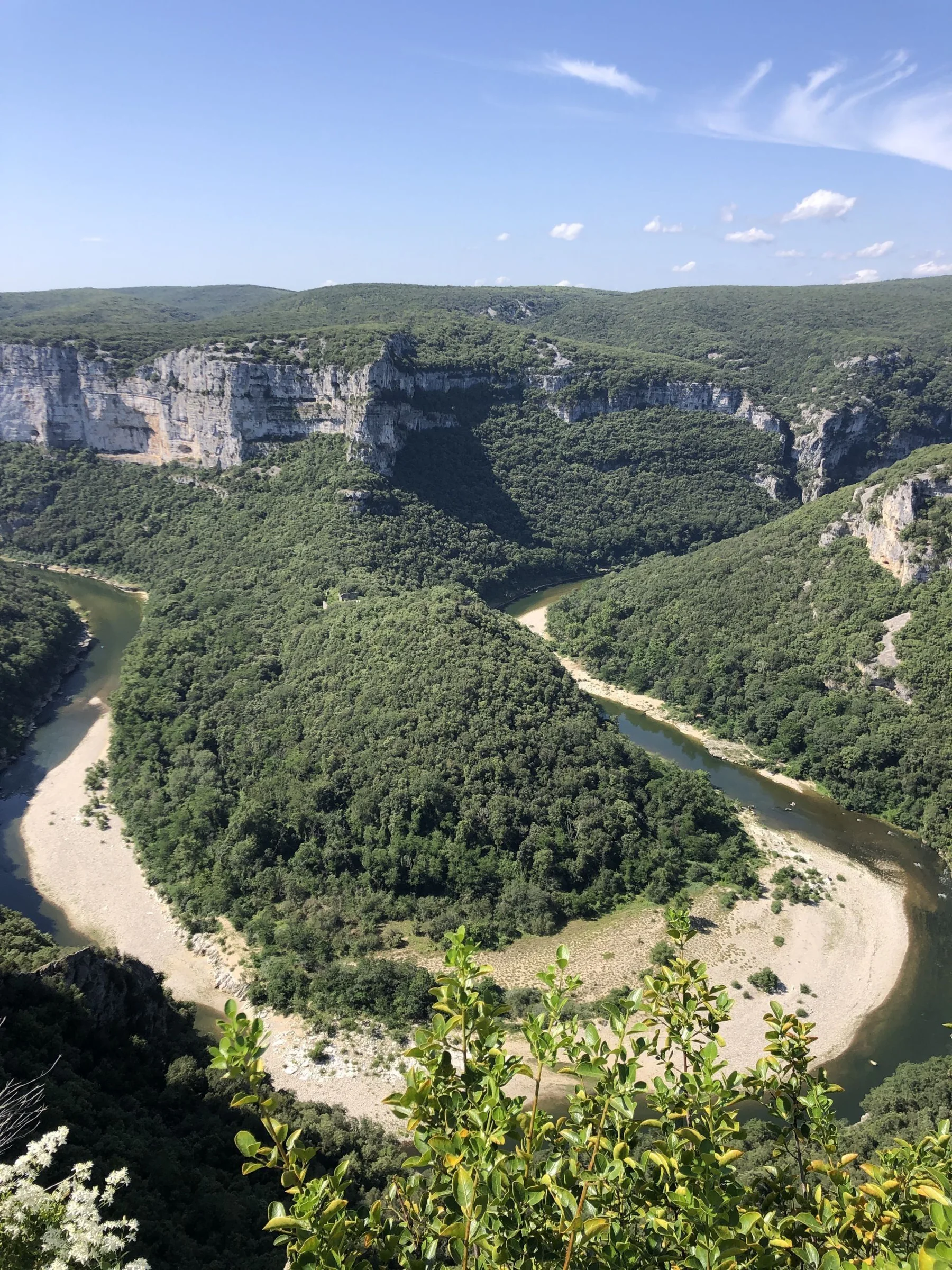
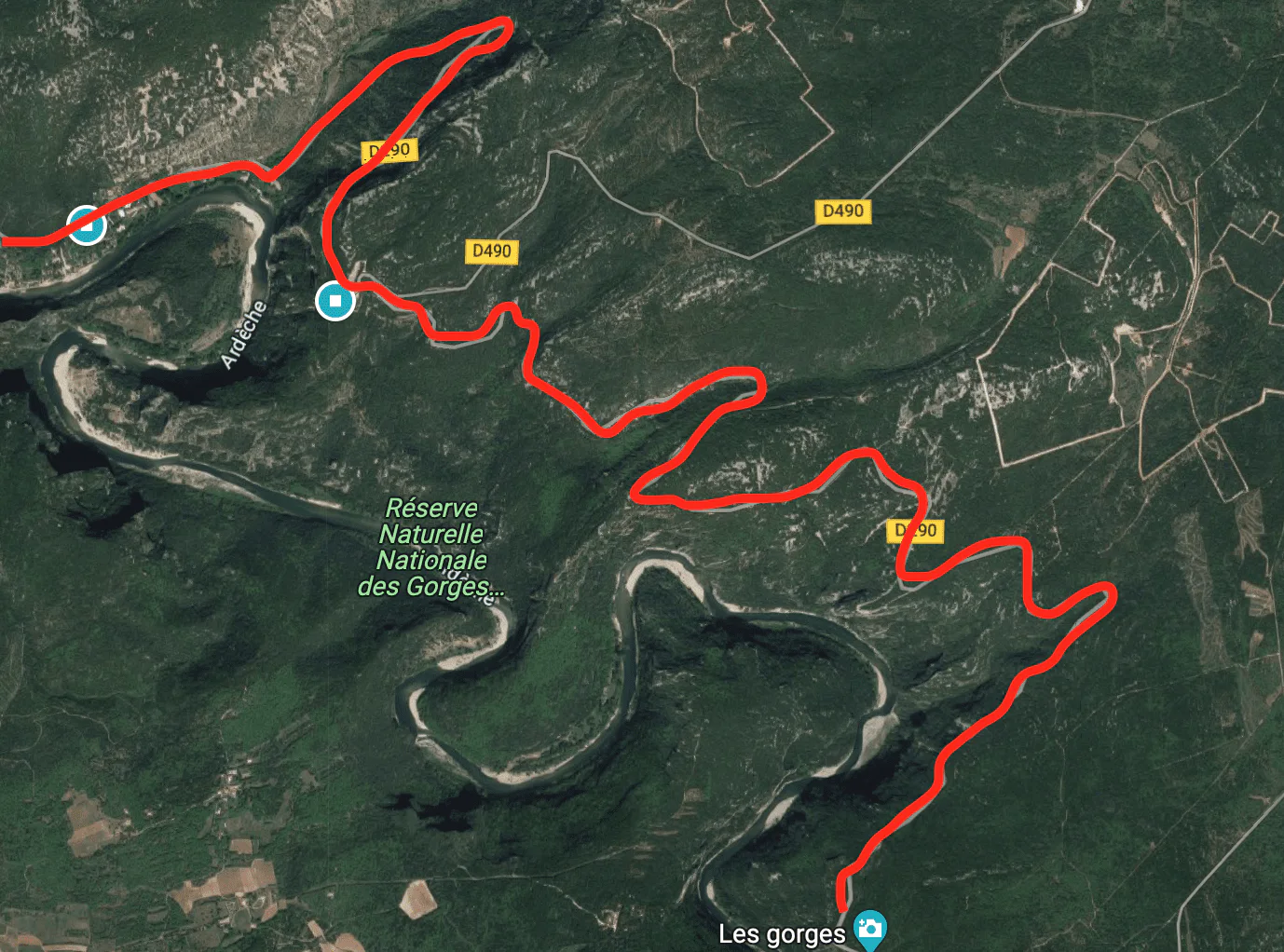
The Ardèche Gorge is about 30 km long and its limestone cliffs along the river are up to 300 metres high. The gorge is lined by a road with viewpoints. The road is winding and if you get car/bus sick, better take bags with you :) Below I've added maps, and in the picture the route of the road is marked in red. In some places it's a real experience, for example when two buses meet.
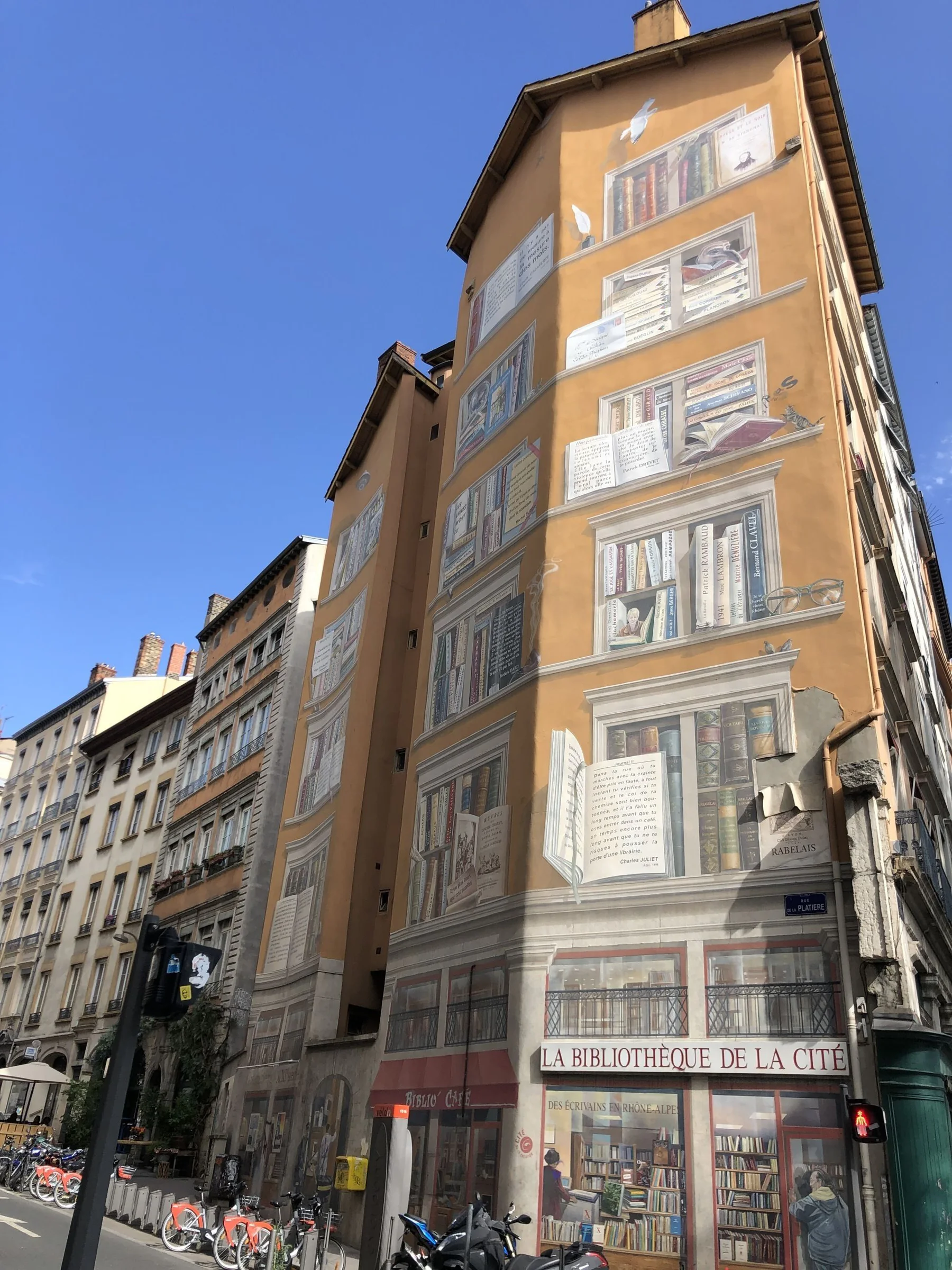
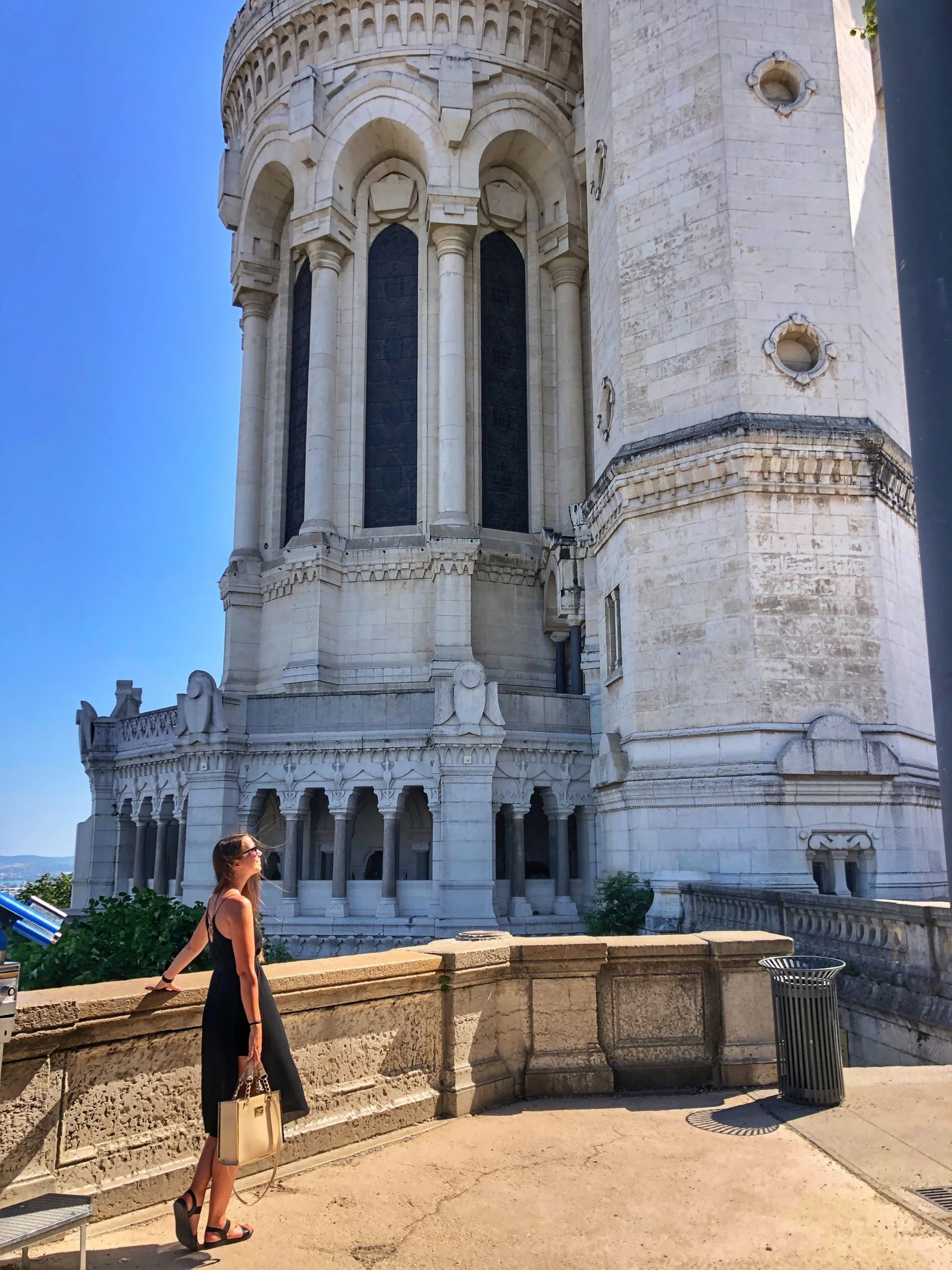
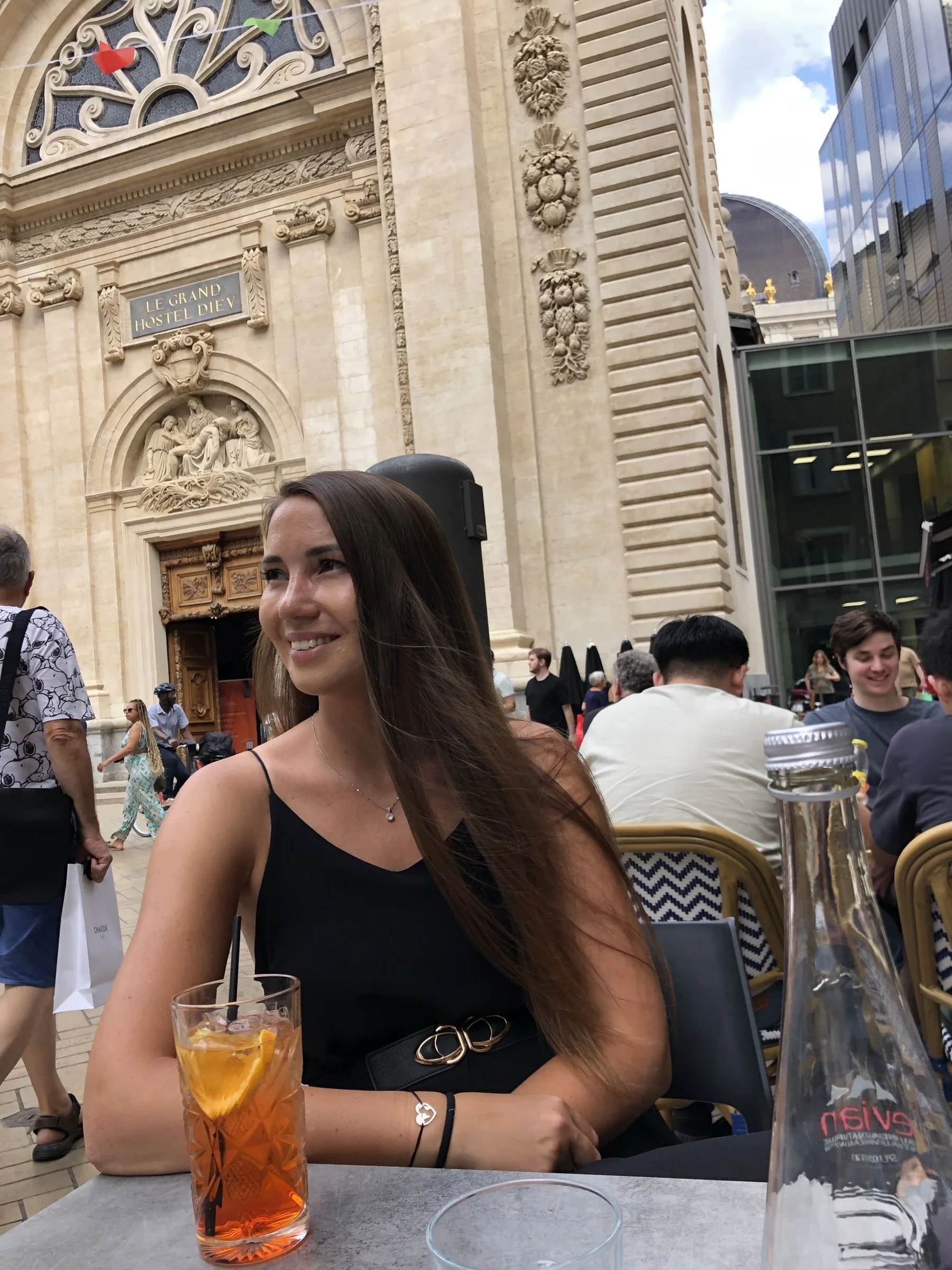
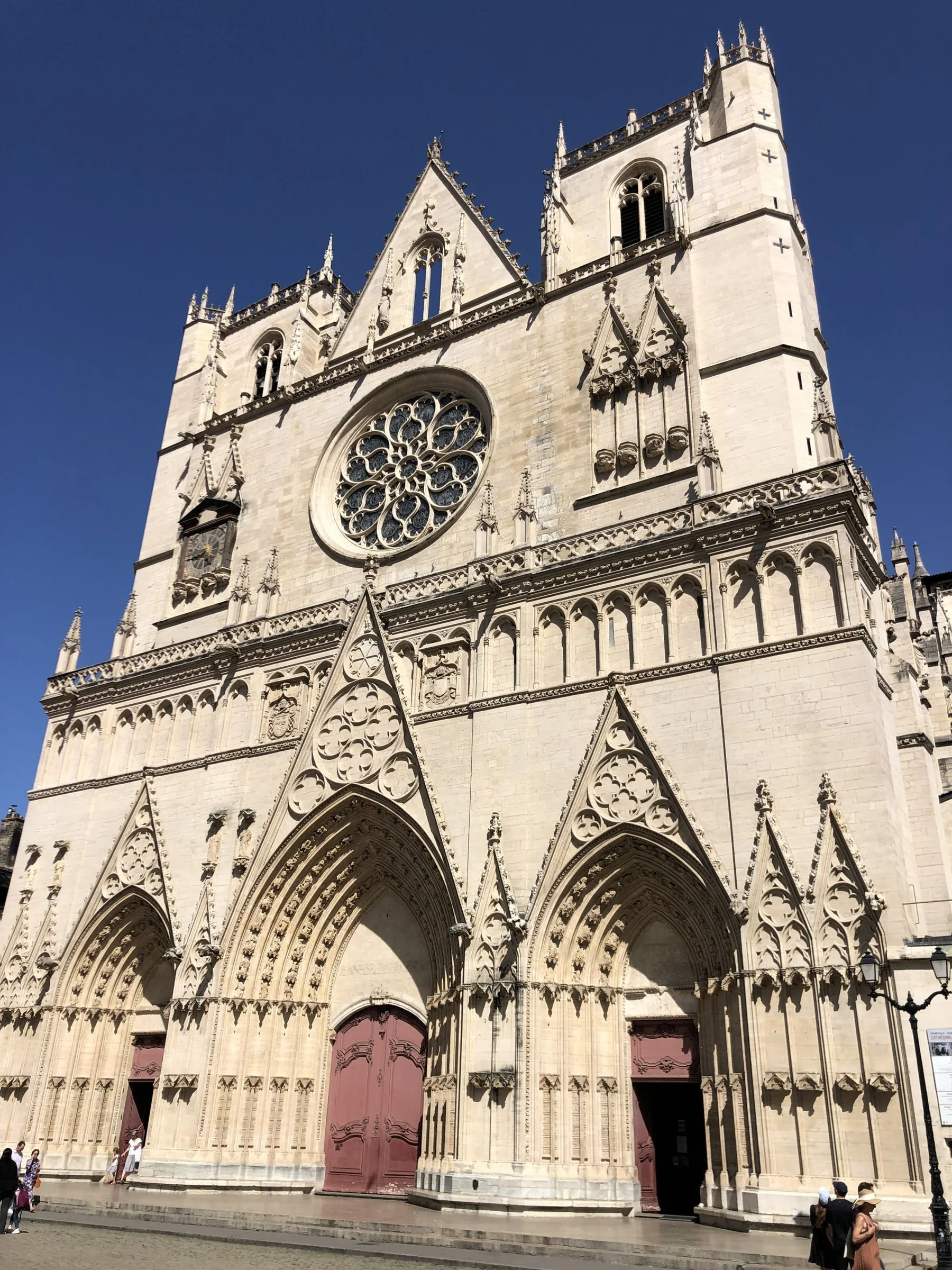
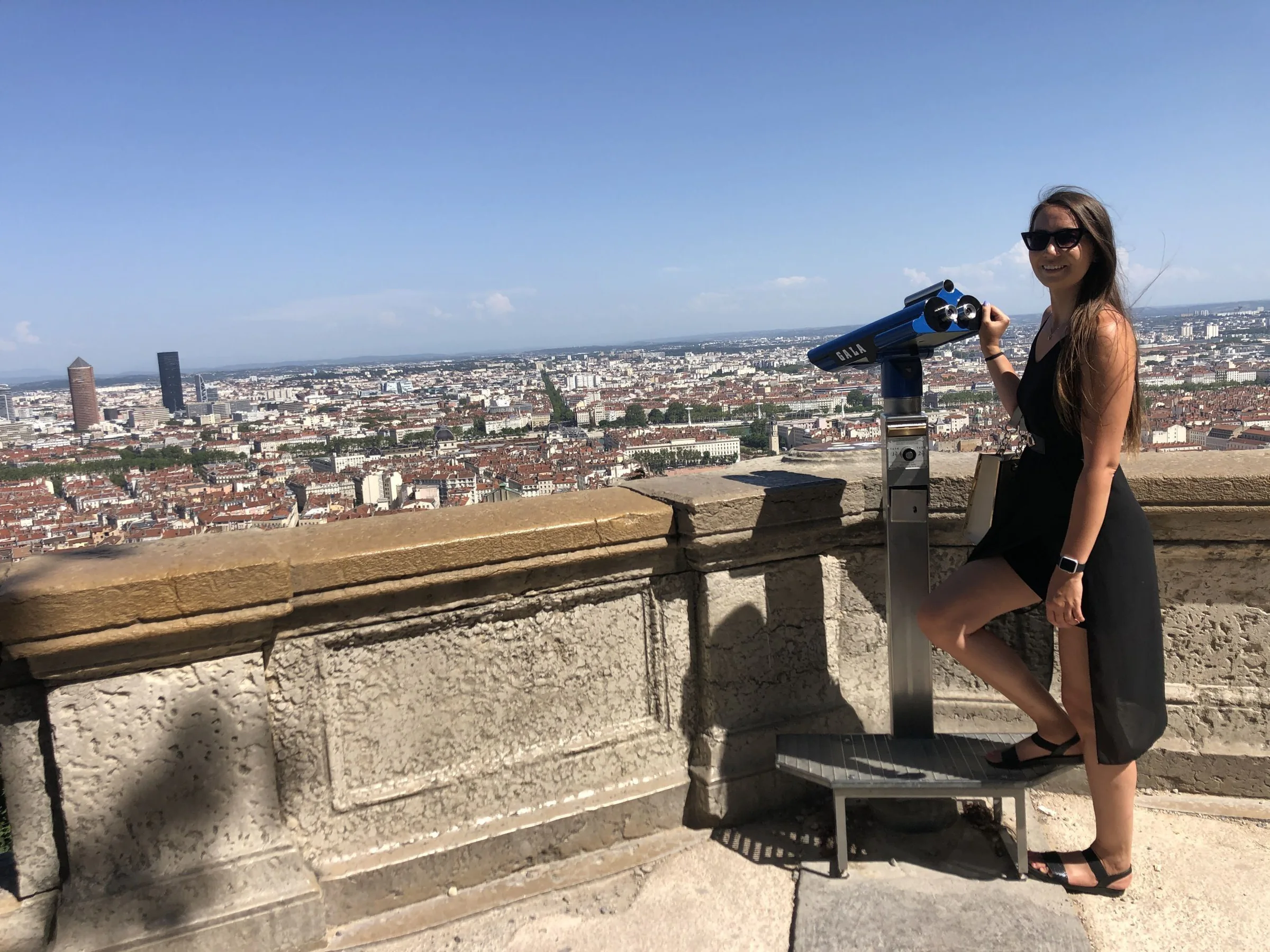
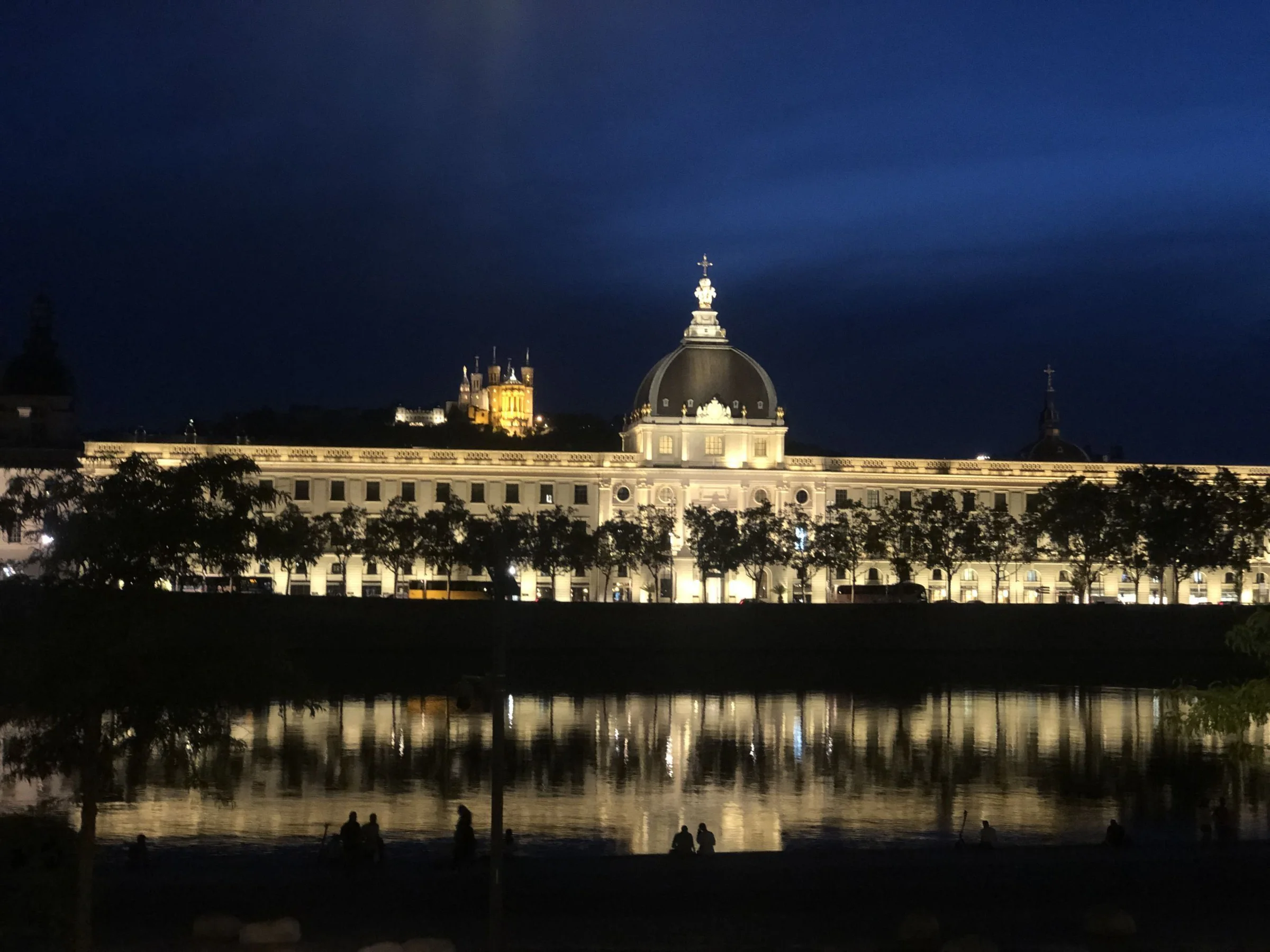
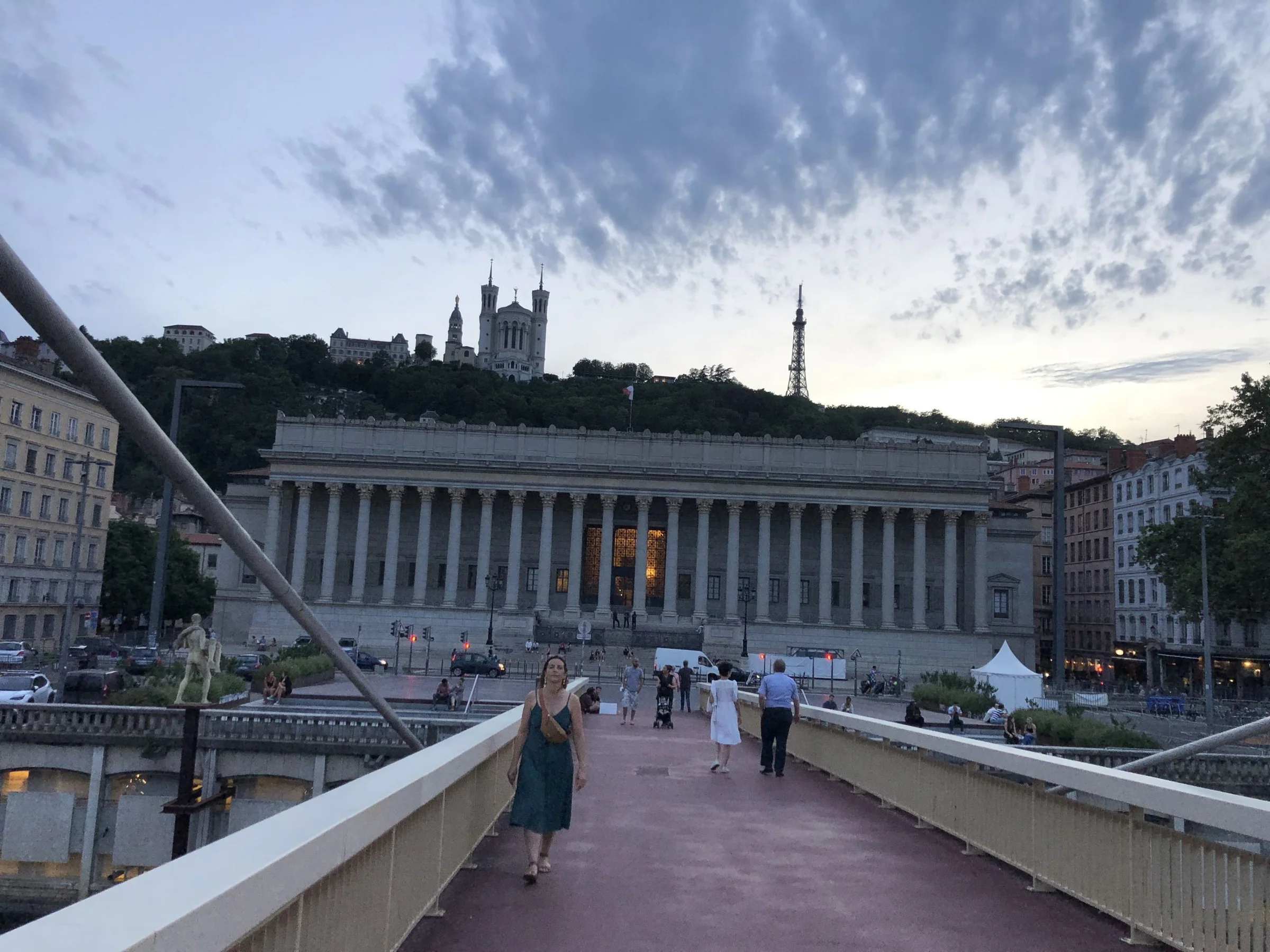
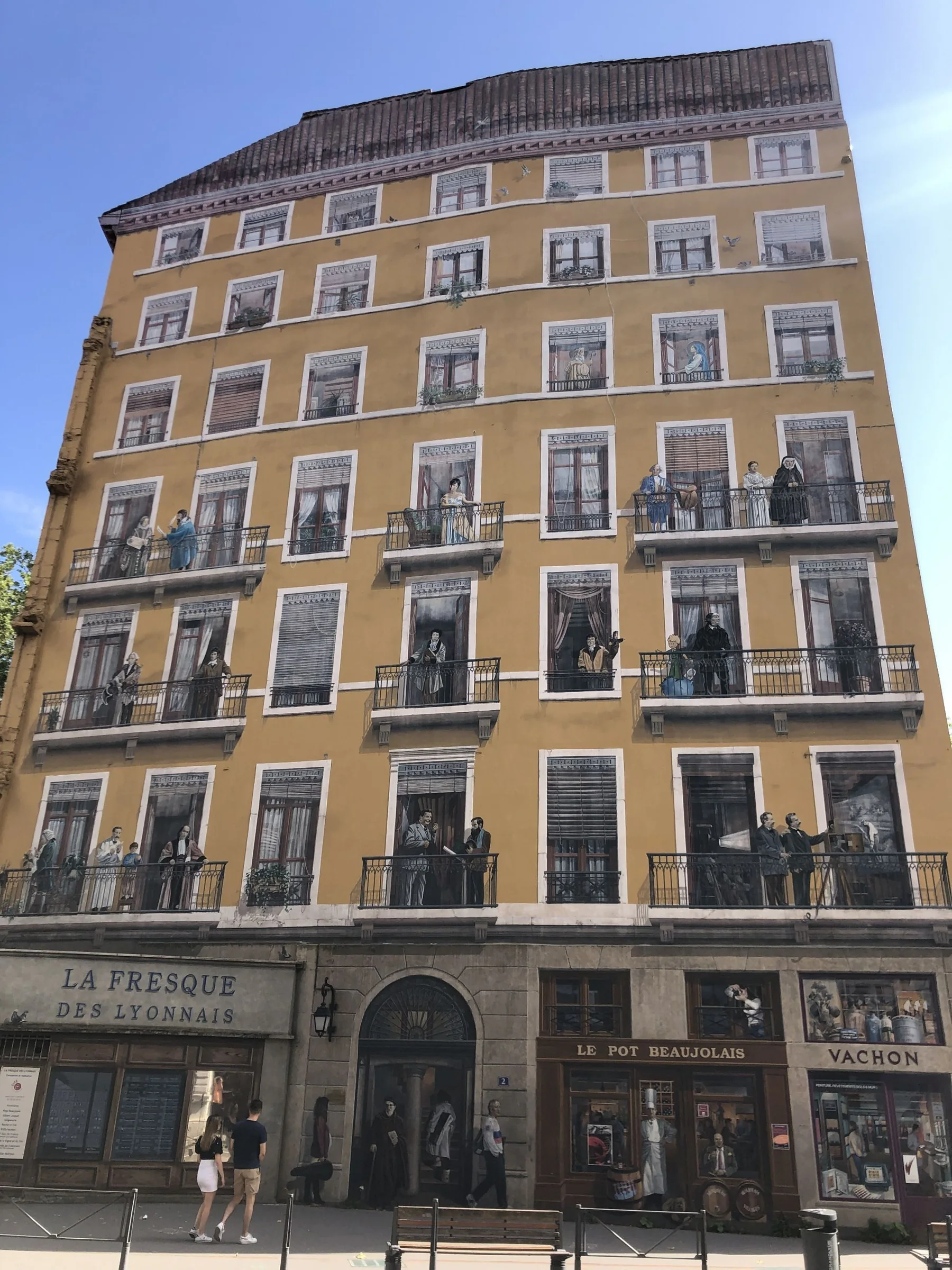
Lyon
Share: Facebook · Save to Pinterest