Denmark is not just Copenhagen and the Little Mermaid
Currency: Danish krone DKK, 1 DKK = 3.4 CZK
Getting there
If you're going by car or coach:
Ferry Puttgarden (Germany) - Rødby (Denmark).
The ferry sails every 30 minutes and you can buy tickets on the spot or on the website. Prices differ depending on what you choose, so check their website beforehand: here
The crossing from Germany to Denmark takes up to 60 minutes.
The crossing from Denmark to Germany takes up to 45 minutes.
It also depends a lot on the weather and the waves.
How it works on the ferry:
Once you've parked on the ferry, everyone has to get out of their cars, coaches, lorries and so on and go up on deck. Nobody is allowed to stay below deck. The doors close behind you and can't be opened until you reach your destination. When you disembark, check which deck you're on and which exit you're using. The decks are marked by number and the entrances by letter. We boarded at B4 and the second time at D3, for example. So you go upstairs, where you can spend time on two decks. The lower one is covered and has a cash machine, shops (duty free), a restaurant (or rather a sort of canteen), a café and of course toilets… and upstairs there's seating both outside and inside. There's plenty of room, so you'll definitely find a seat. When the ship approaches land, they announce it over the microphone. Everyone gets up and goes to the door they came out of. Really do remember the number of that entrance, otherwise it will be a pain to find, and the cars are parked really tightly against each other.
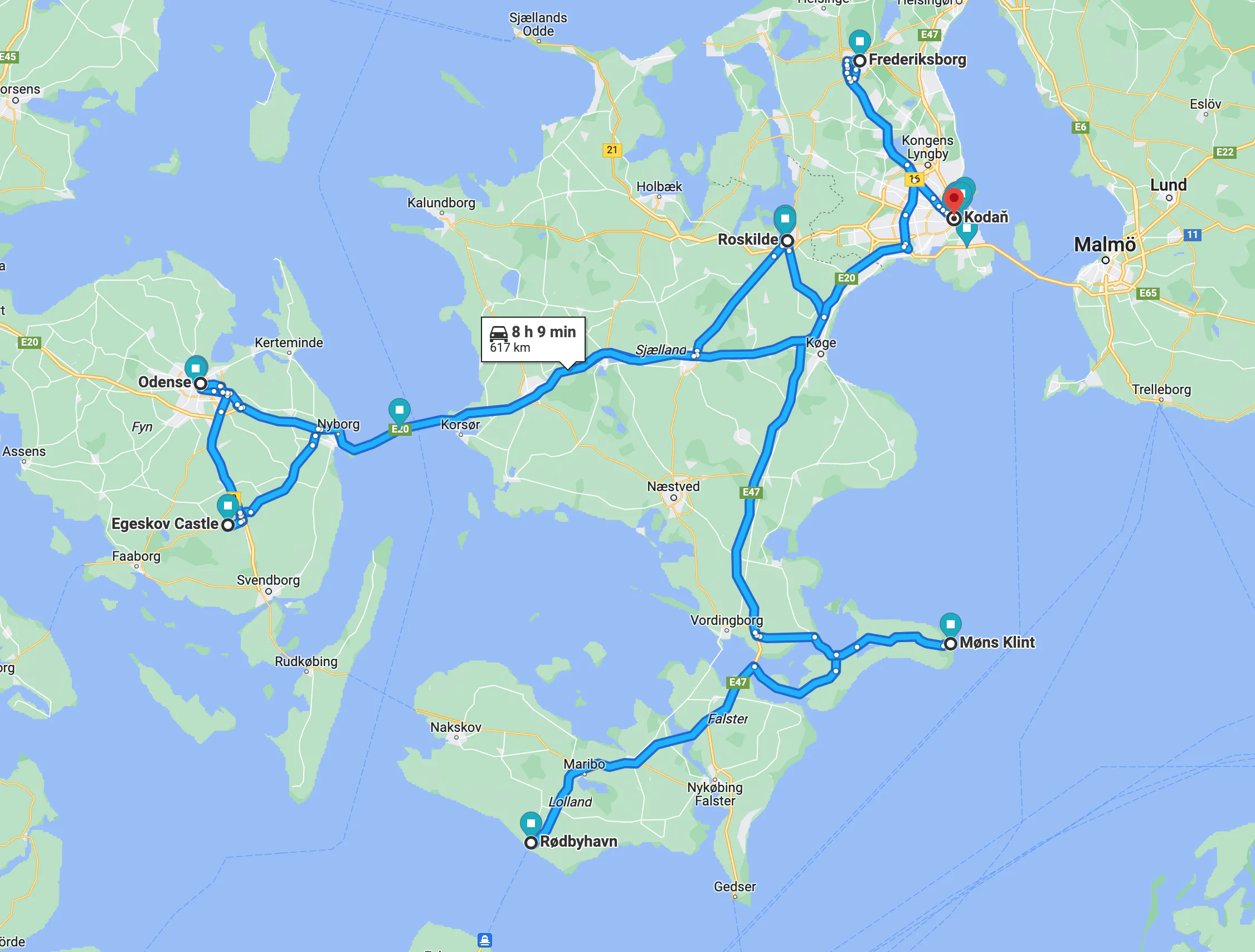
A map of the trip is at the end of the article.
Møns Klint
Admission: free
Time spent: 1.5 hours
Bring: water
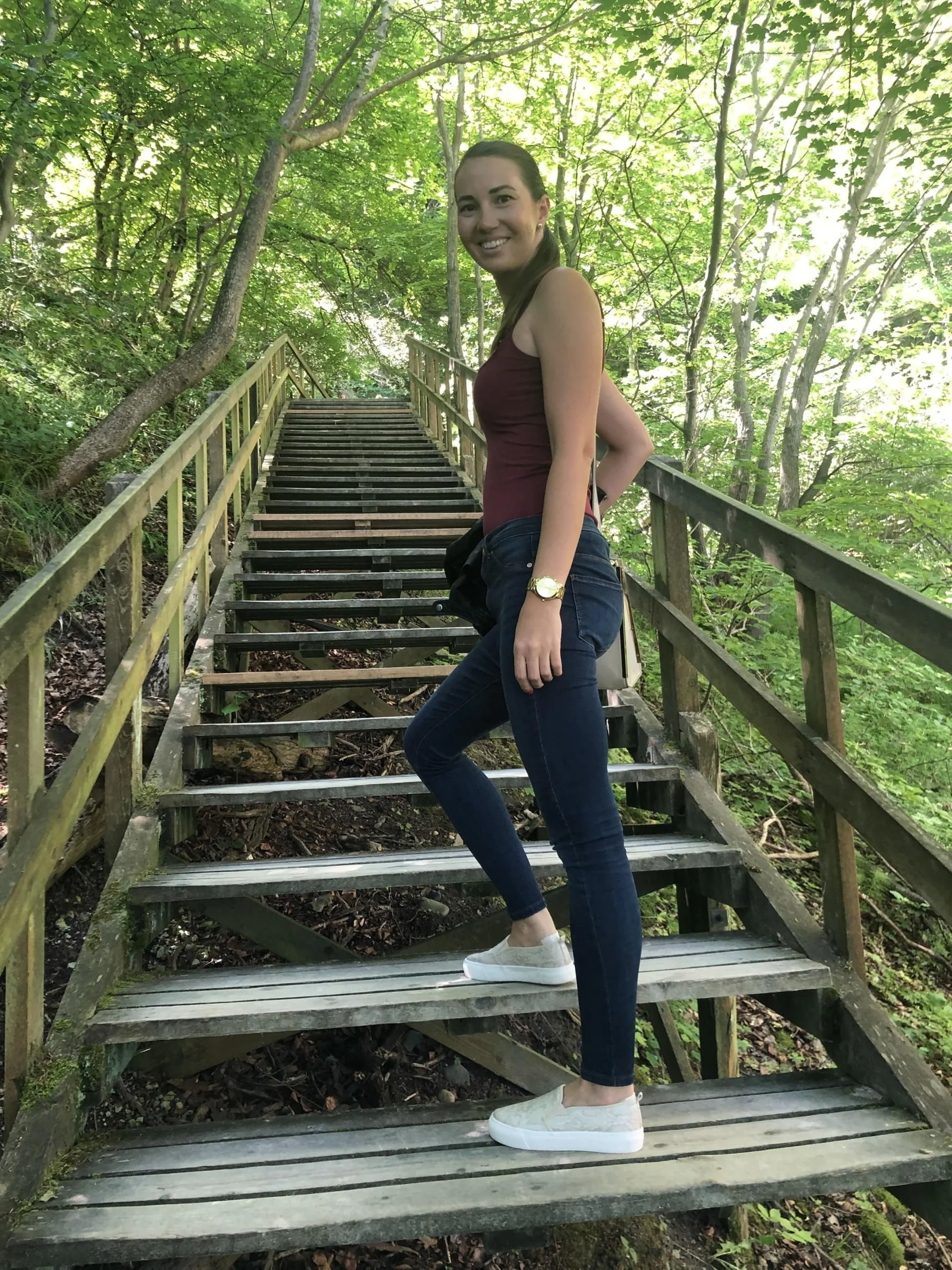
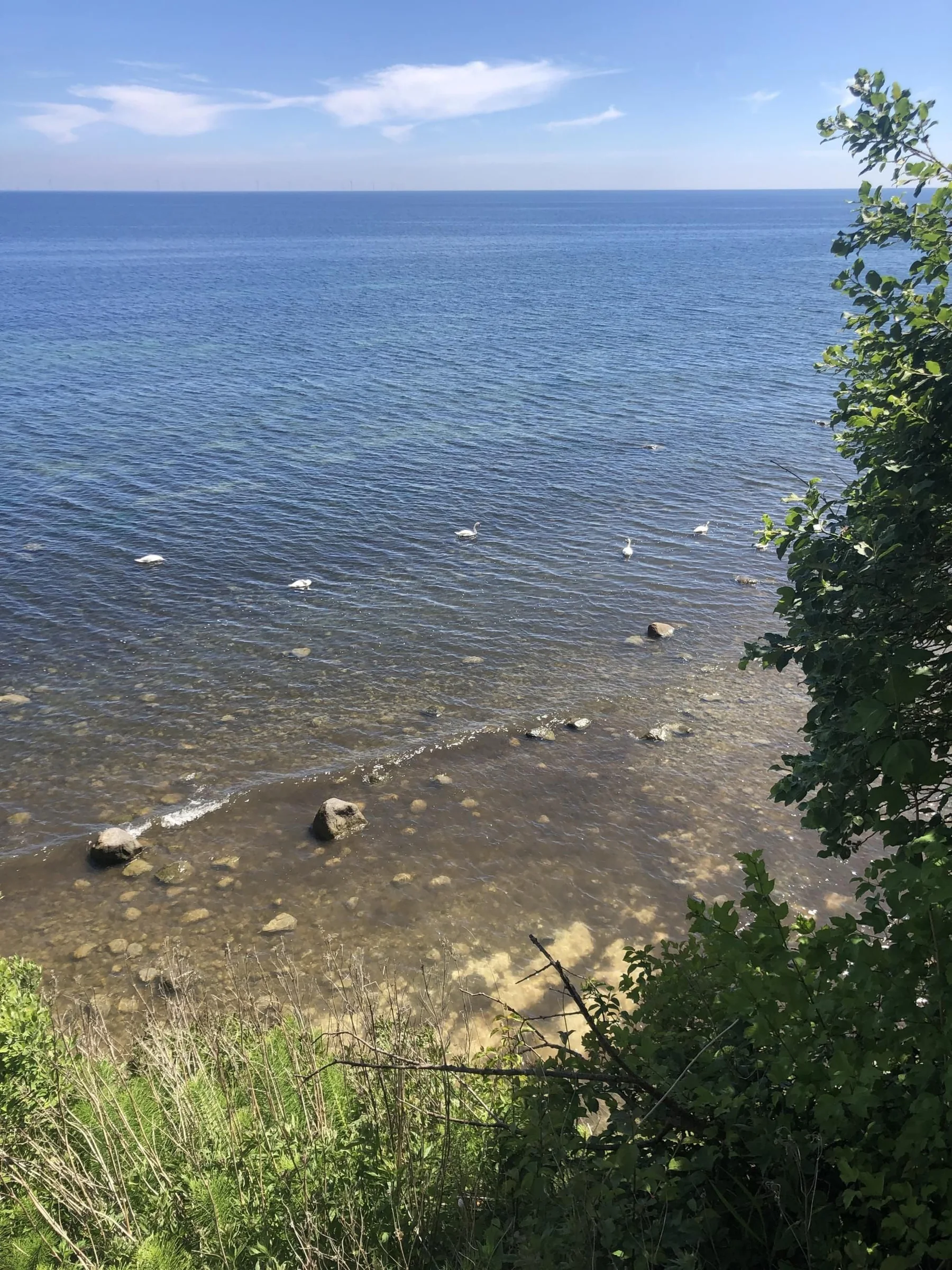
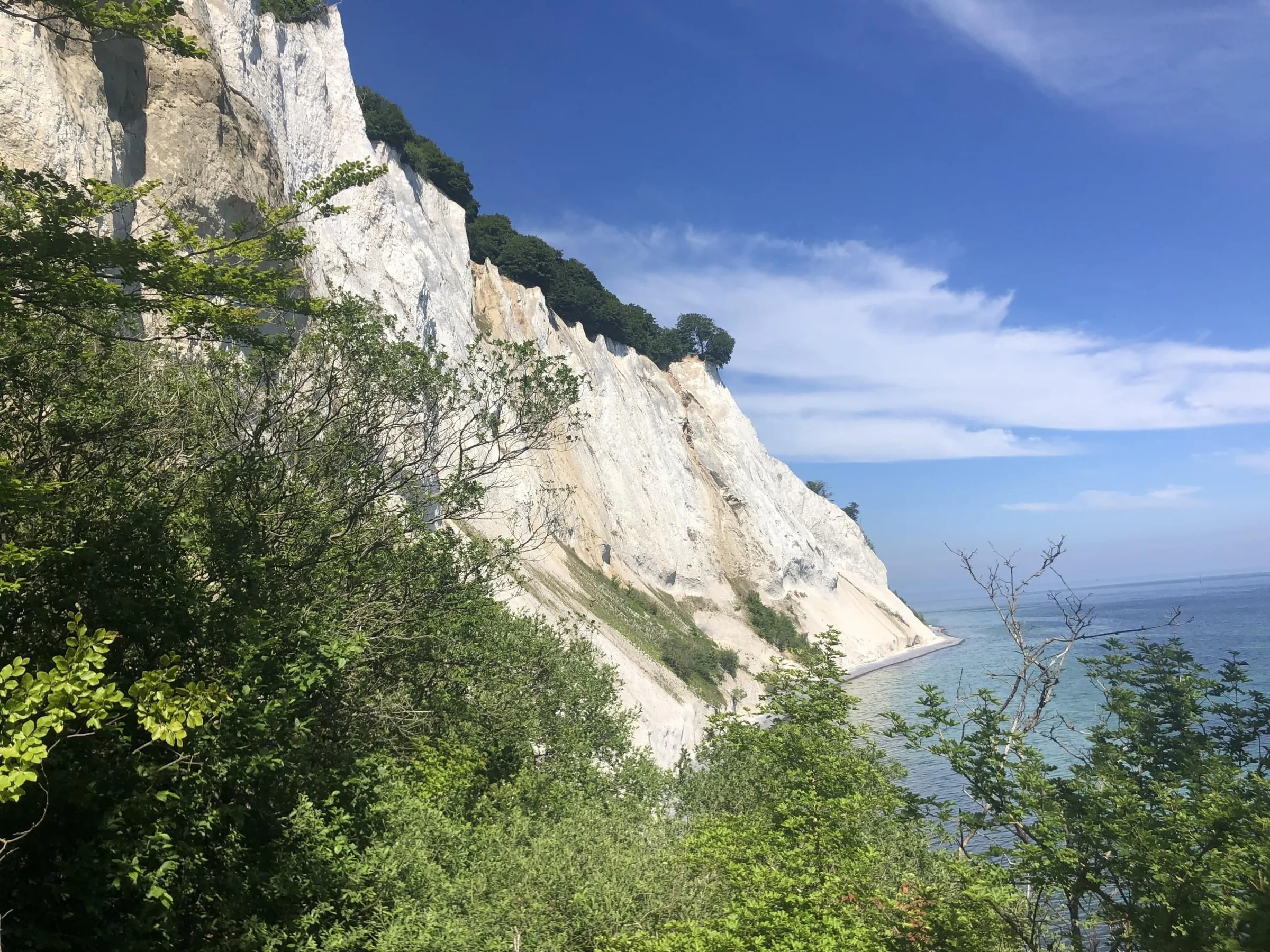
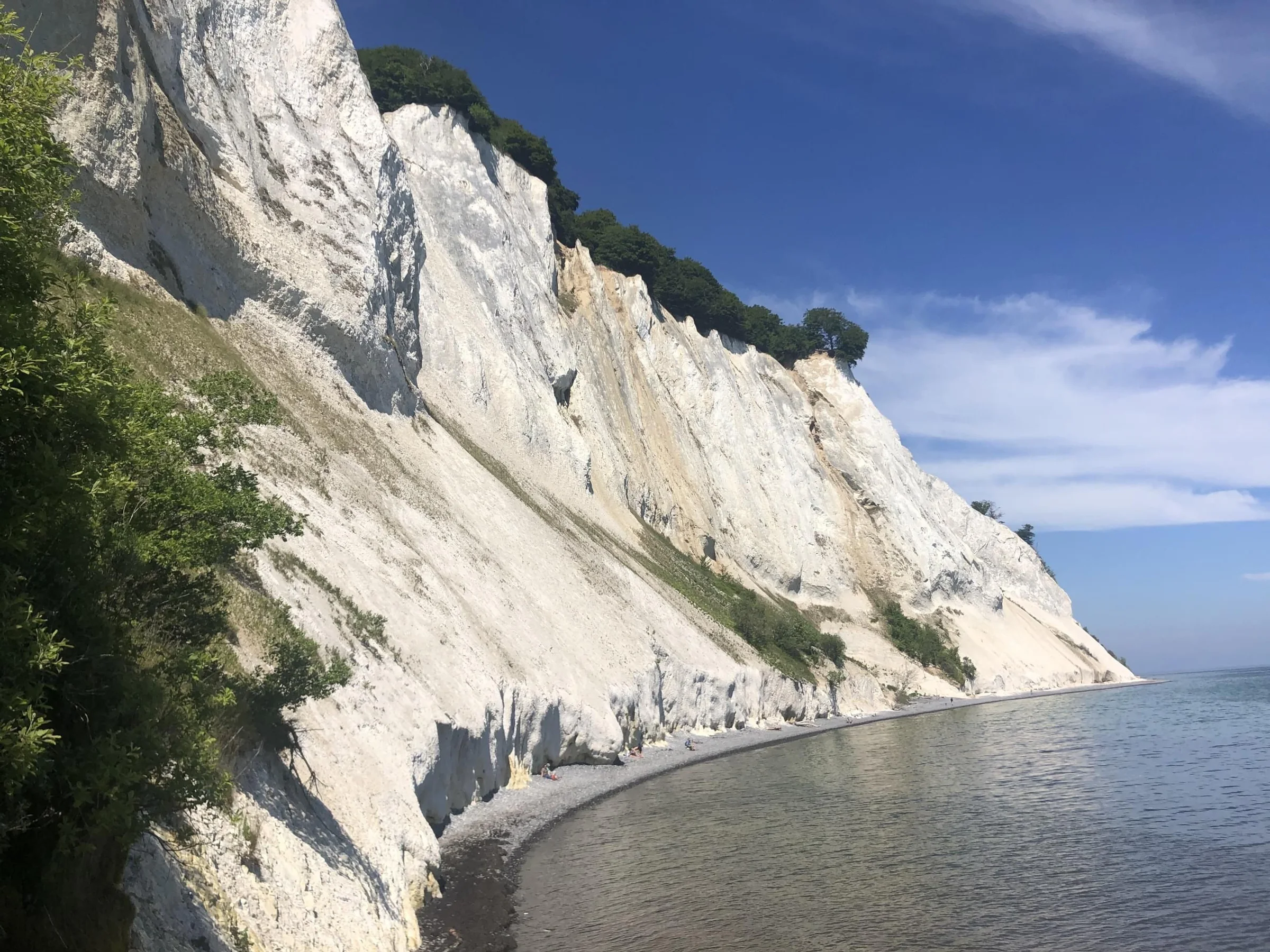
Our first stop in Denmark was Møns Klint. It takes about 1.5 hours to drive there from the port. You go down wooden steps (up to 500 steps). You don't even need sturdy shoes, flip-flops are fine. At the bottom, if it's high tide, you can't reach the beach with dry feet, so you have to take your shoes off and wade across the stones, but it's nothing difficult. The climb back up is slower, but there are benches everywhere so you can rest. At the top there's a museum, which is more for kids, full of dinosaurs and the history of how the cliffs were formed. There's also a restaurant and a souvenir shop.
So what exactly is Møns Klint?
Møns Klint is a coastal chalk cliff on the east of the Danish island of Møn. It's over 6 km long and its highest point reaches 128 metres above sea level. The cliffs formed seventy million years ago from the accumulated shells of microscopic coccolithophore algae, and their present shape was created by the movements of the continental ice sheet during the last ice age. The steep walls often erode, for example in January 2007 there was a large landslide at a spot known as Store Taler, which created a 300-metre-long peninsula. About a quarter of a million tourists visit the site every year.
The Viking Ship Museum in Roskilde
Admission: 160 DKK
Time spent: 40 min
Bring: nothing special.
It takes about 1 hour 45 minutes to get from Møns Klint to Roskilde.
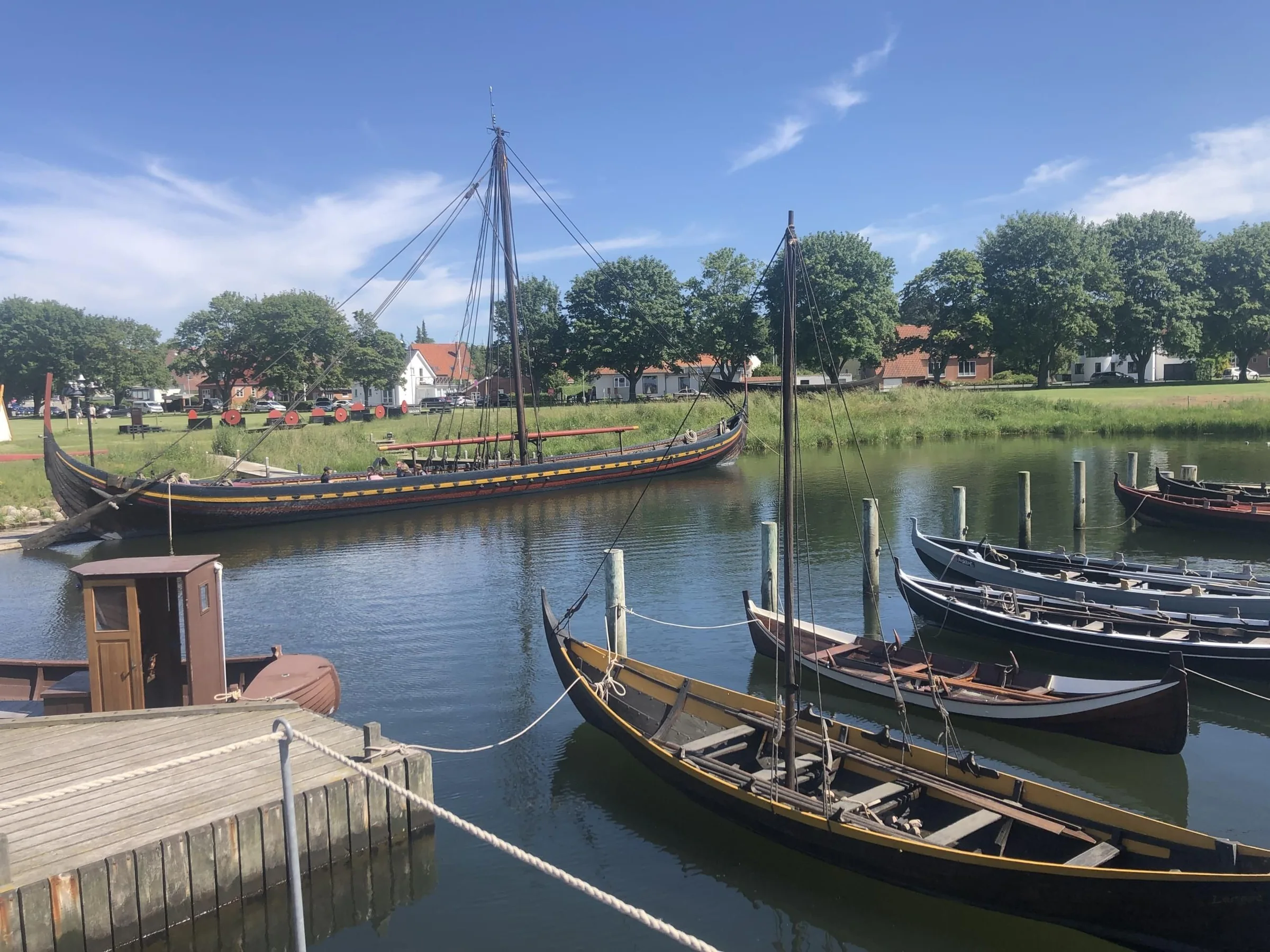
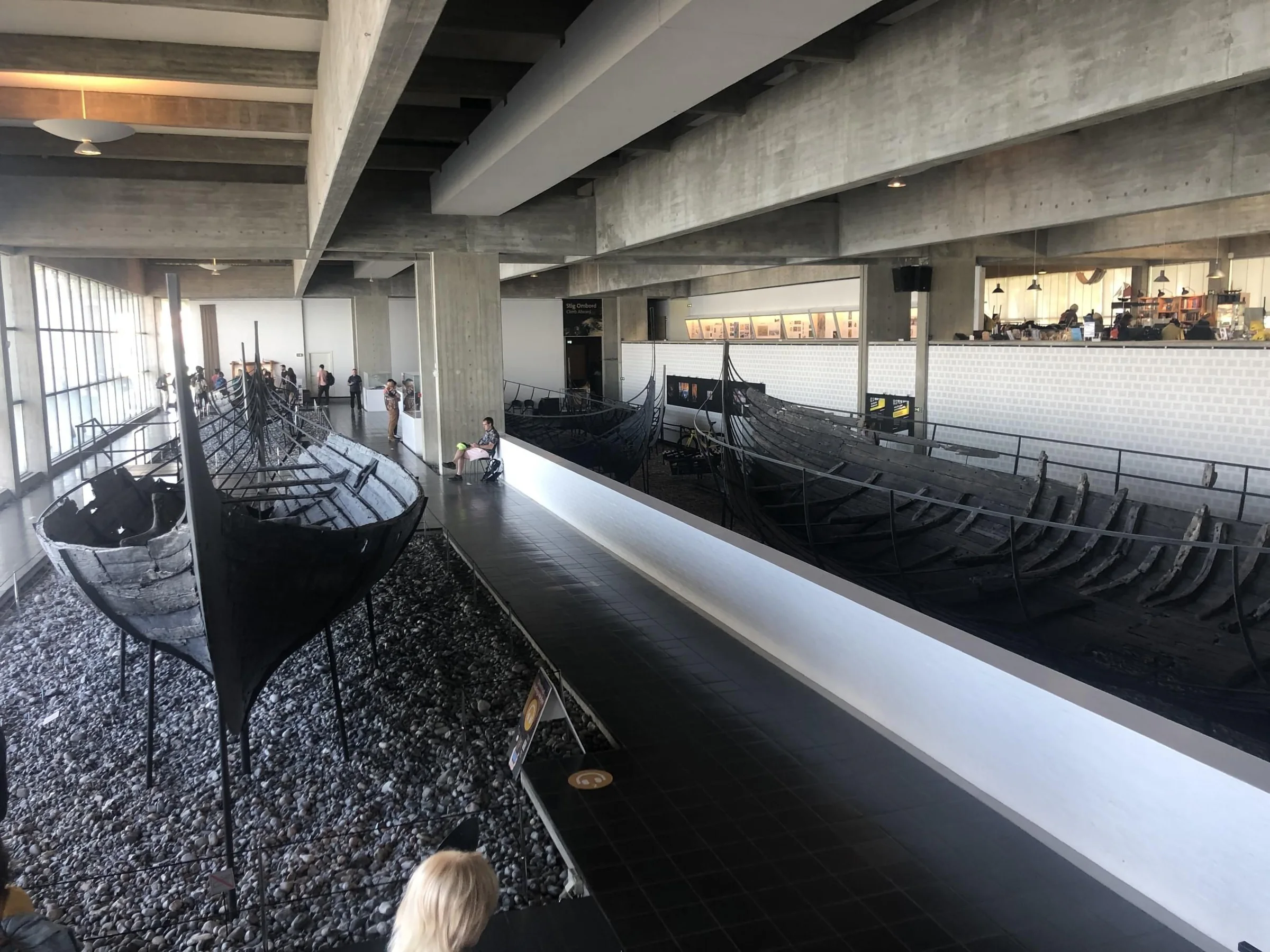
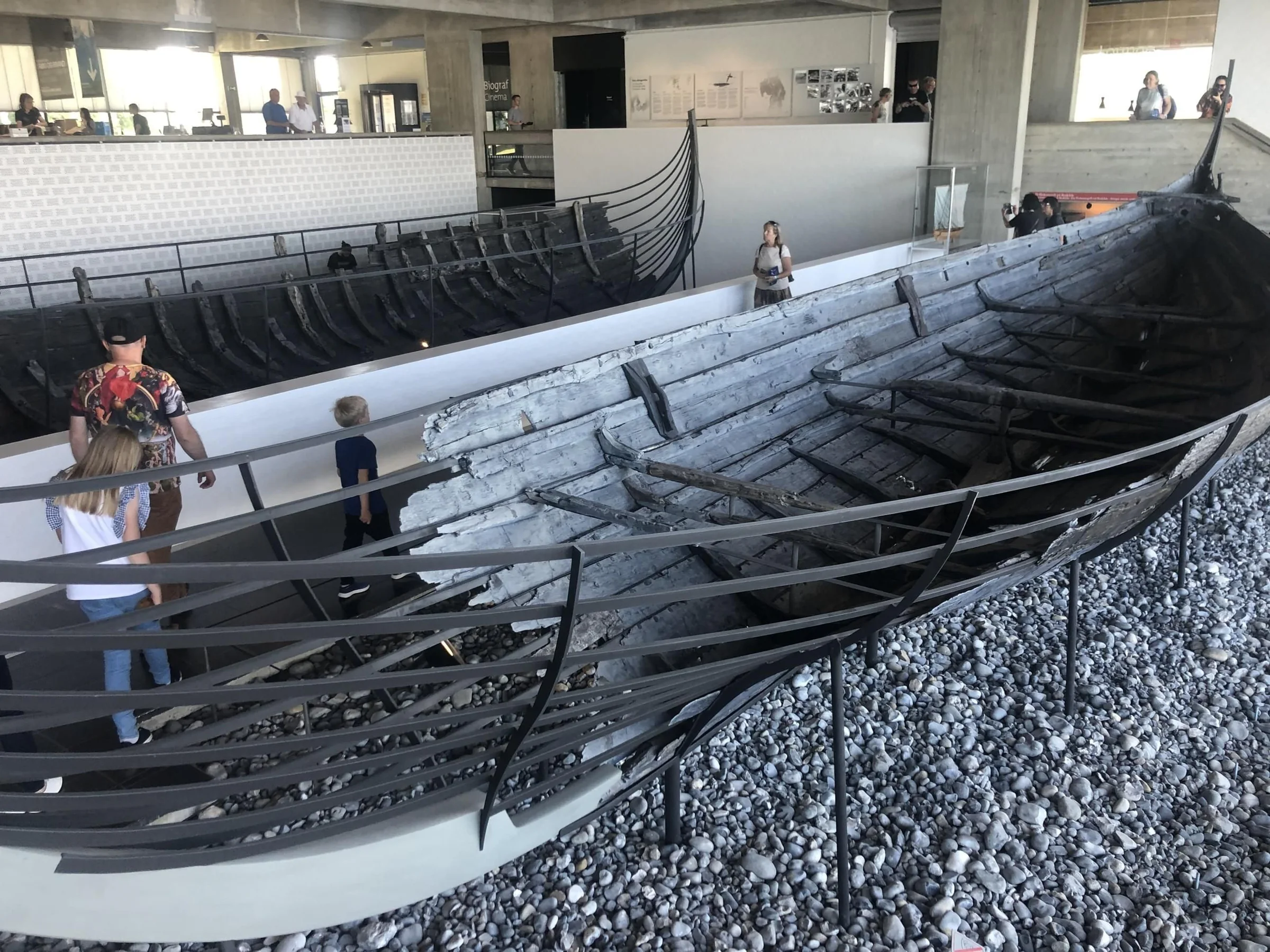
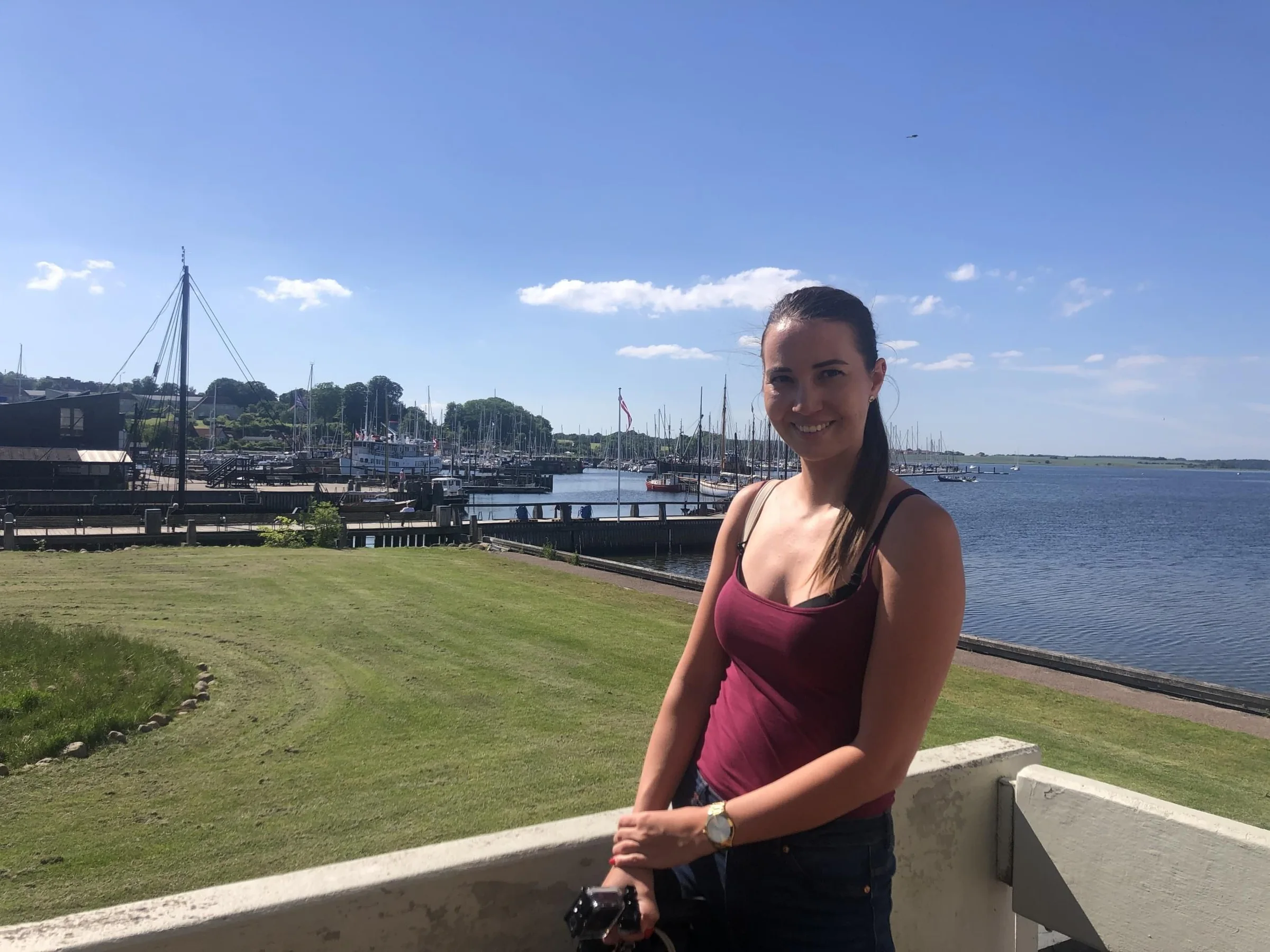
First we visited the Viking Ship Museum. I originally didn't want to, but I'd also been to the Vasa Museum in Stockholm, so I was curious what the museum here would be like.
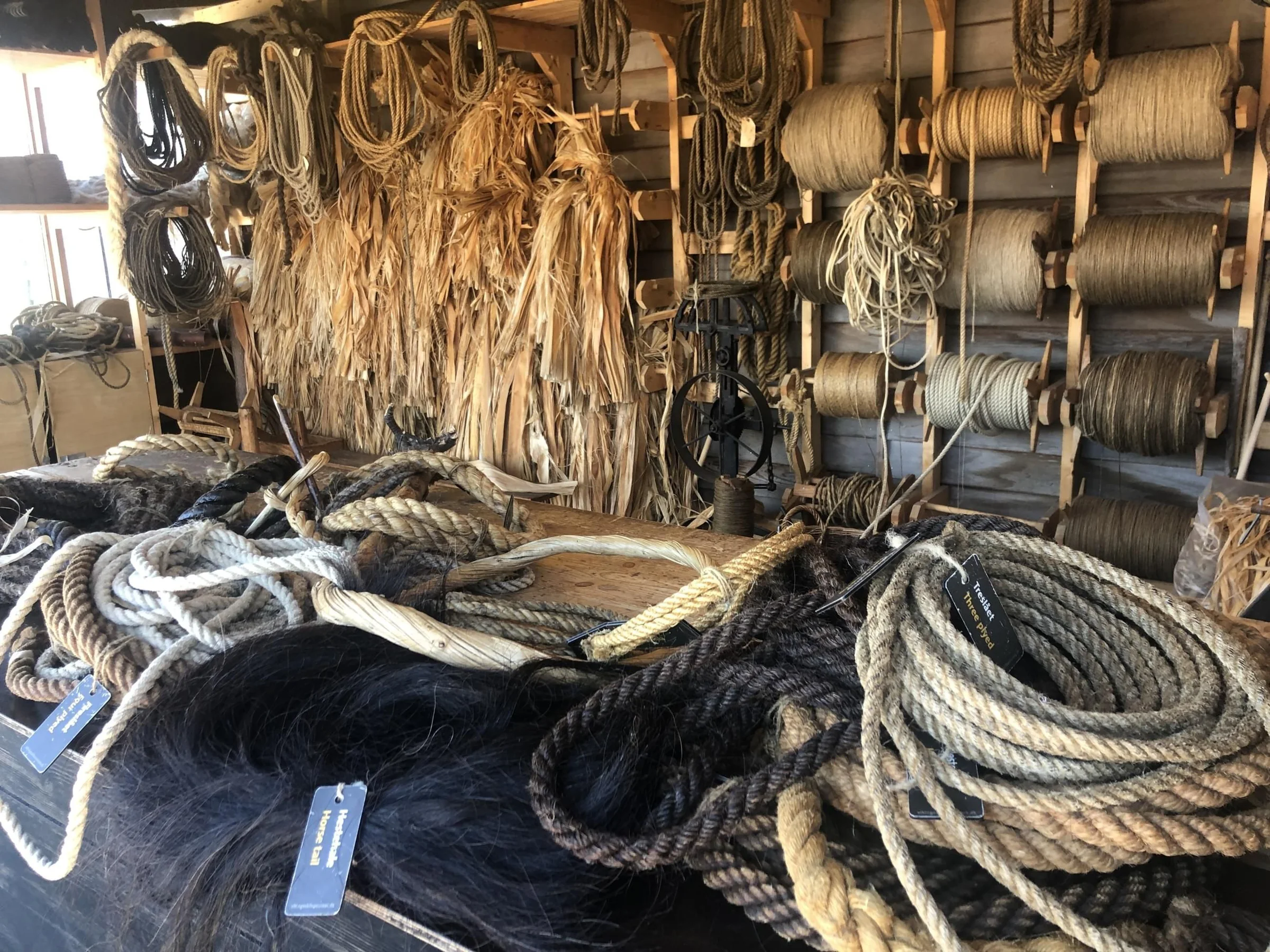
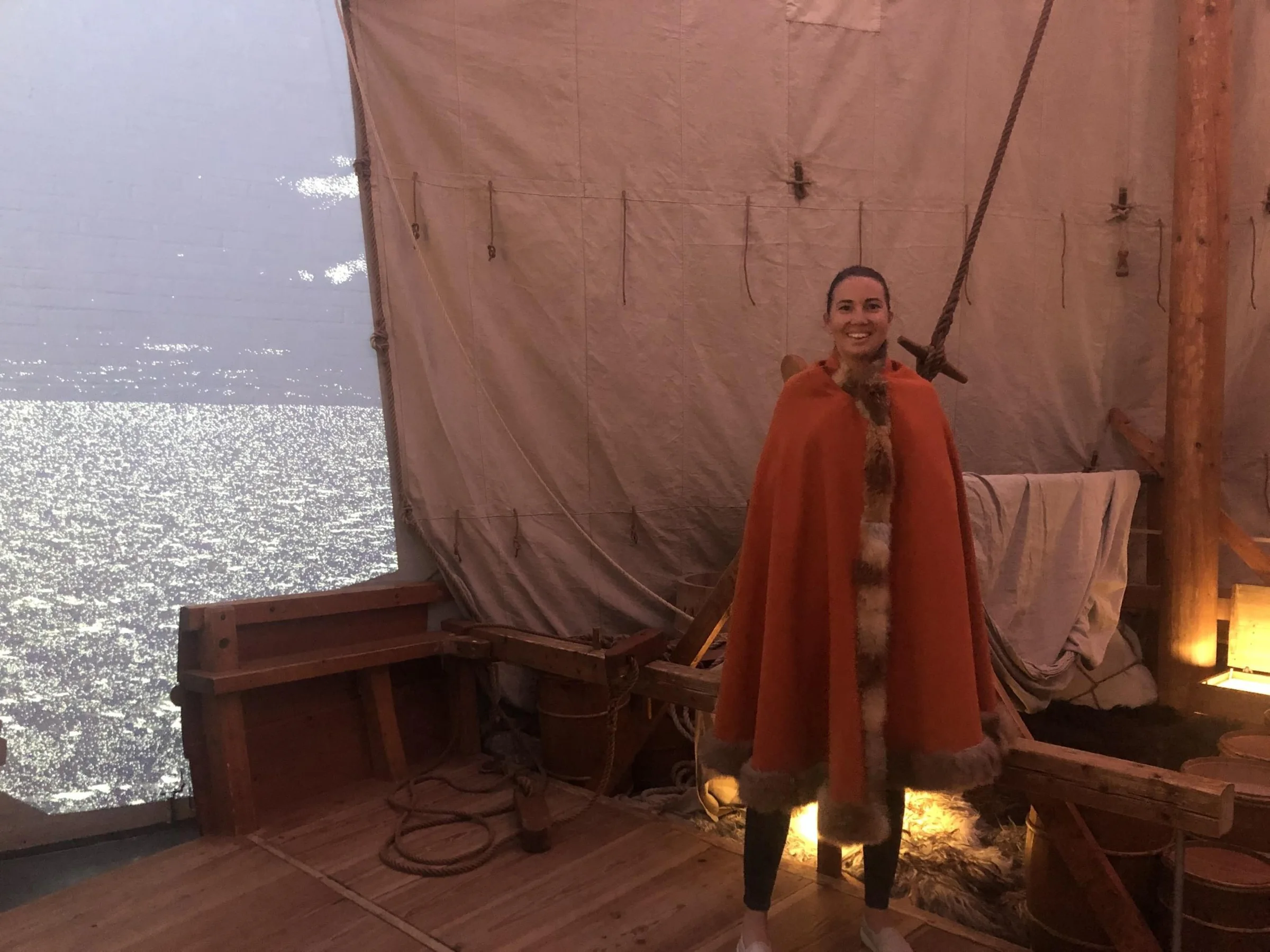
I have to say this museum is a big disappointment and Vasa doesn't come close. You don't have to go, it's a waste of time and money, go for lunch instead. There are just the wrecks of 6 Viking ships and then a dark section with boats and a screen behind you showing the sea, where you can borrow a costume and have your photo taken right on the ship. It ends with a souvenir shop, where I recommend buying Viking mead.
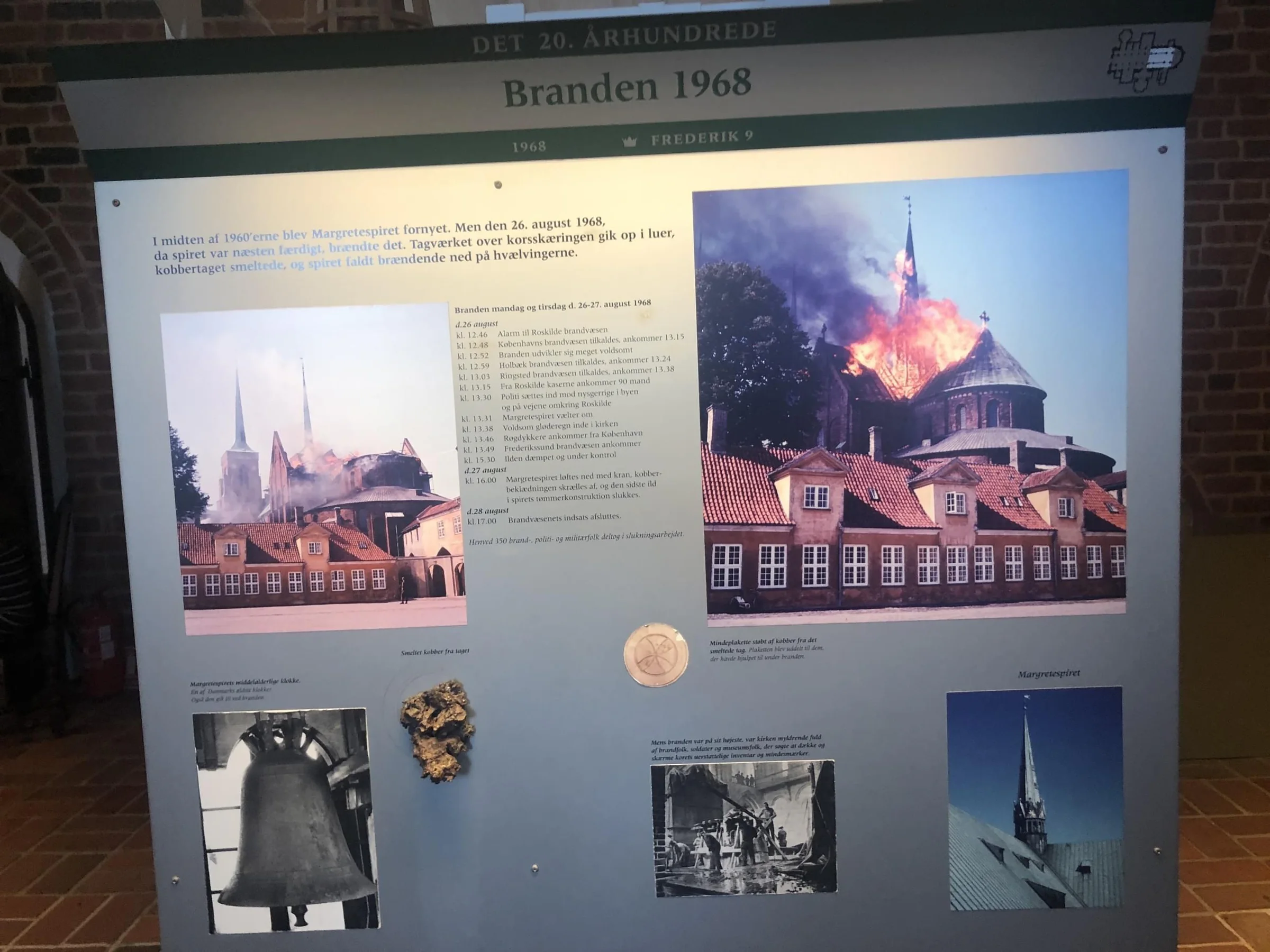
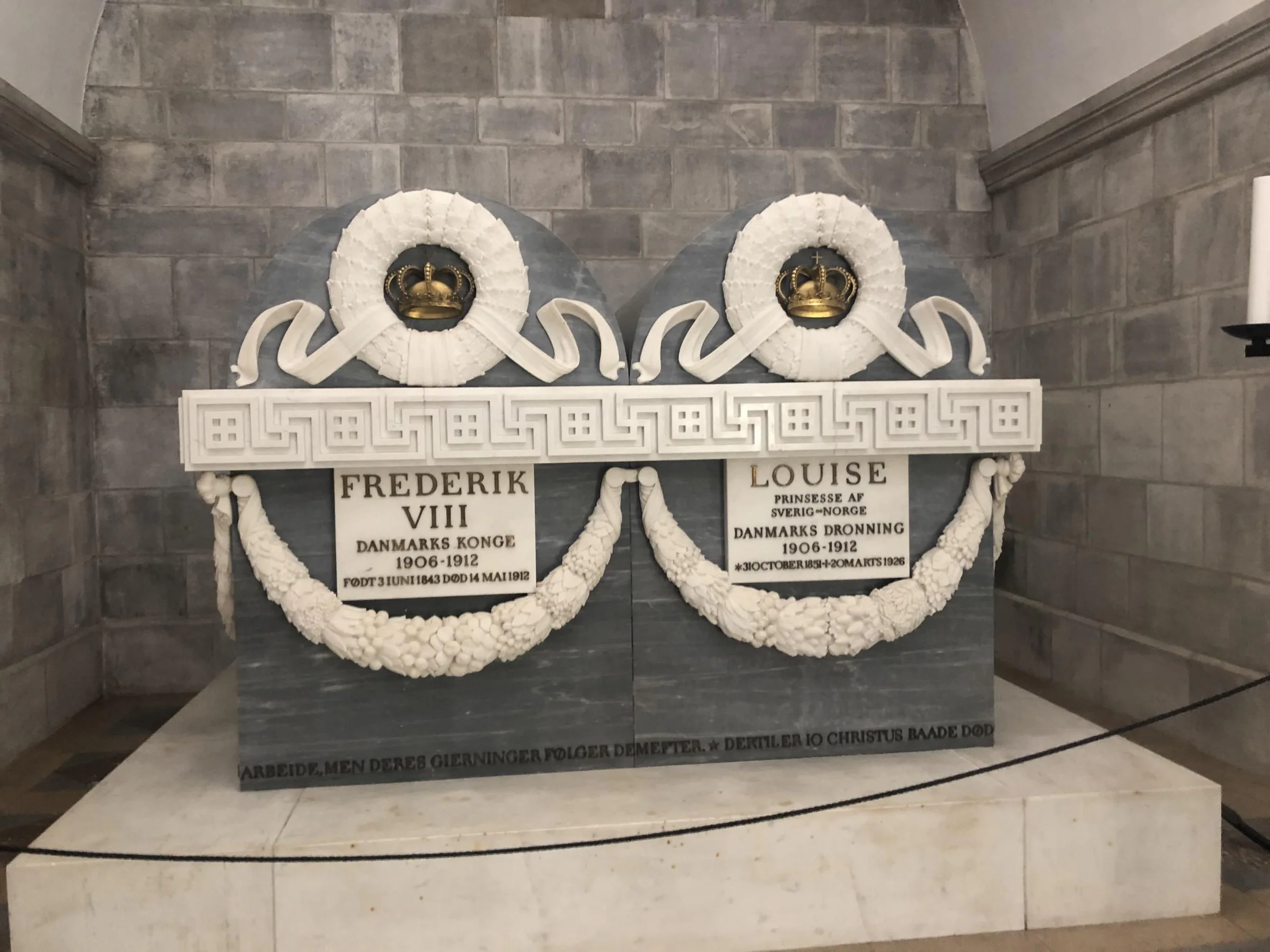
Roskilde Cathedral - Domkirke
Admission: 40 DKK
Time spent: 1 hour
What to bring: remember that in this cathedral you must have your shoulders covered (it isn't compulsory, but it's a matter of respect).
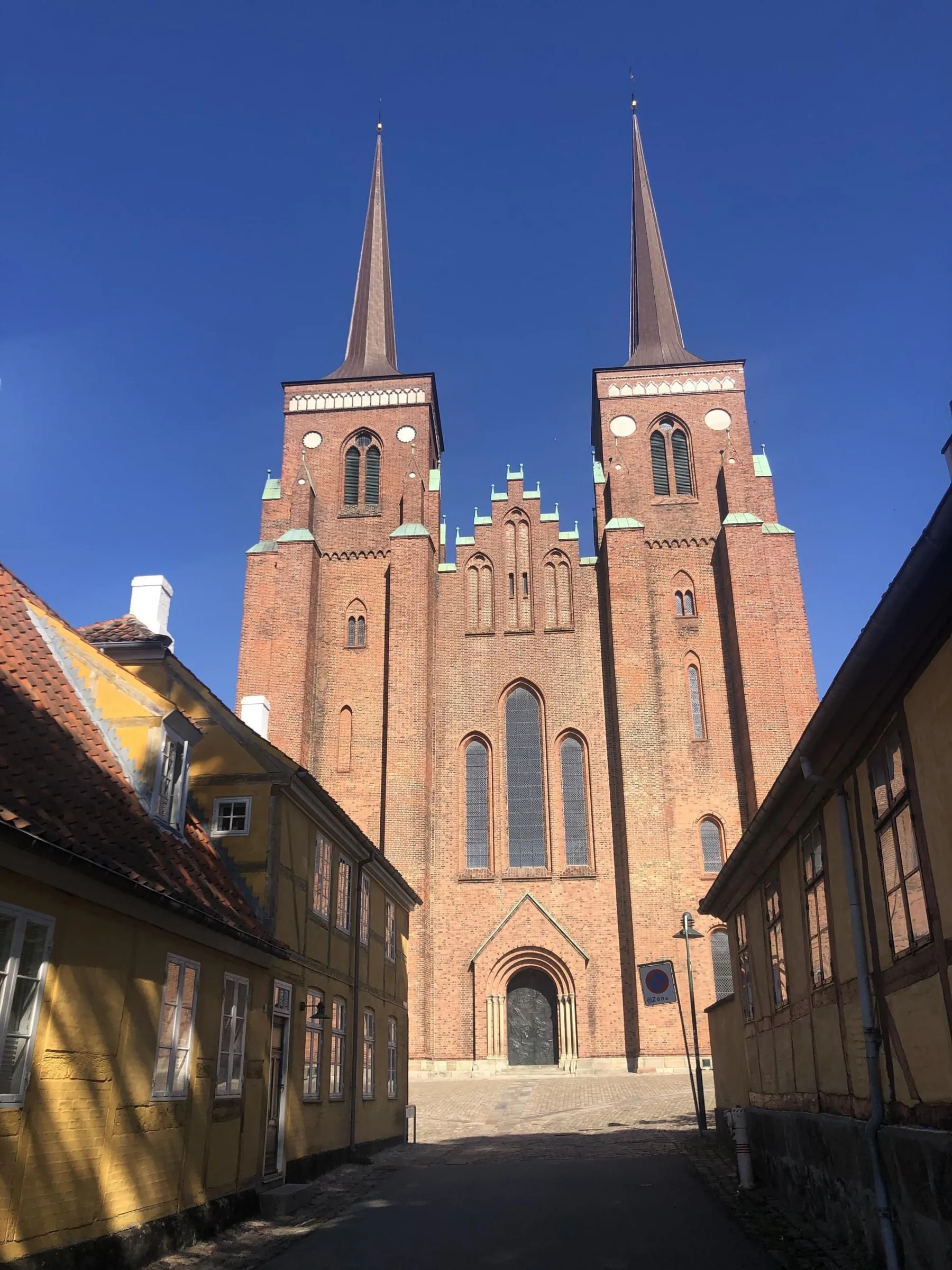
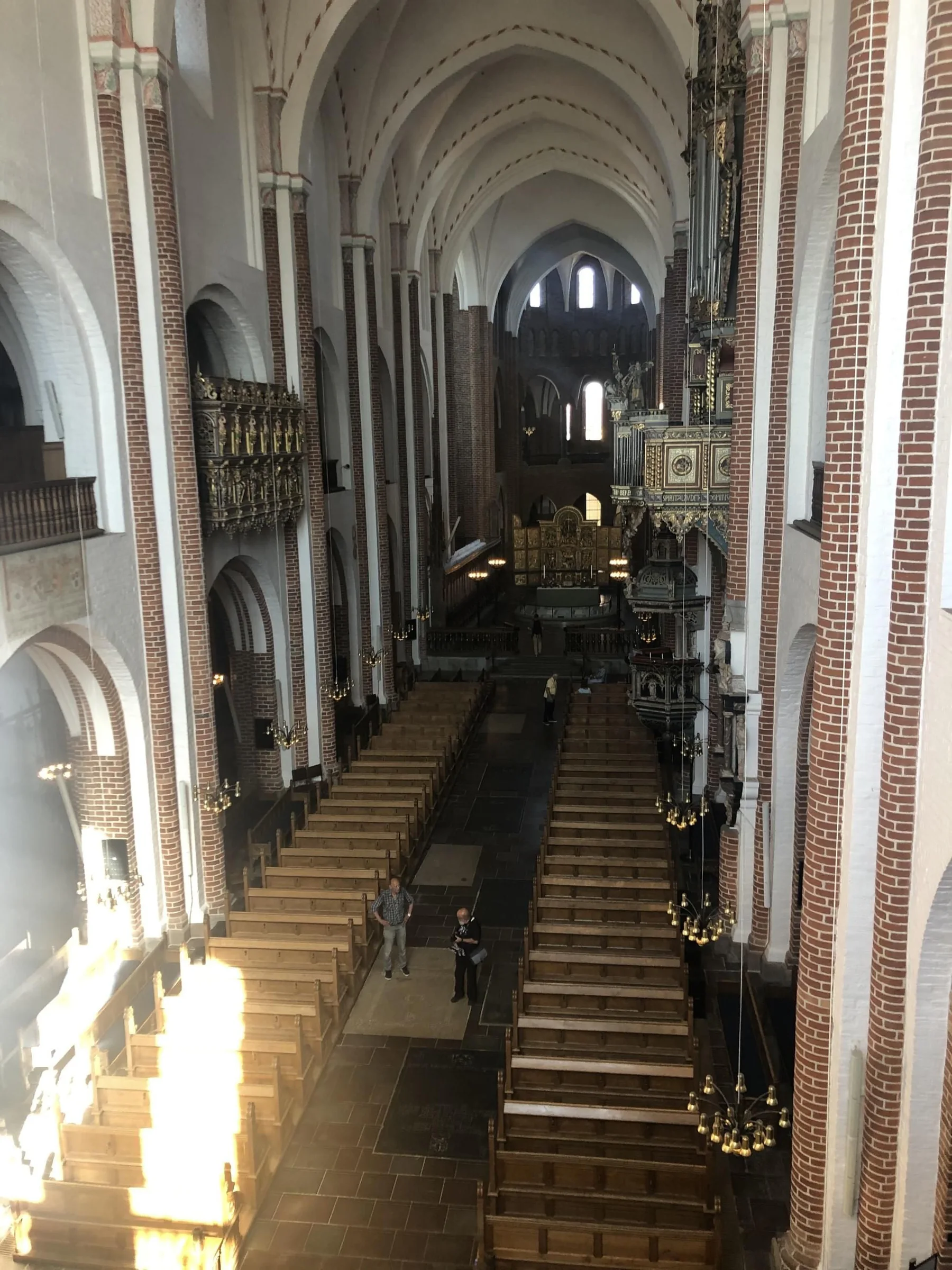
If you're not a fan of cathedrals, you don't really need to visit it. It's a beautiful building and the interior is lovely too, but if the royal family and its history mean nothing to you, feel free to skip it and go for a walk around the centre of Roskilde instead, which is charming.
The brick Lutheran cathedral, begun around 1170, has been the traditional burial place of Danish kings since the 15th century. In total, 22 Danish monarchs are buried in Roskilde, as well as 17 royal consorts. The cathedral is on the UNESCO World Heritage list.
The Great Belt Bridge - Storebæltsbroen
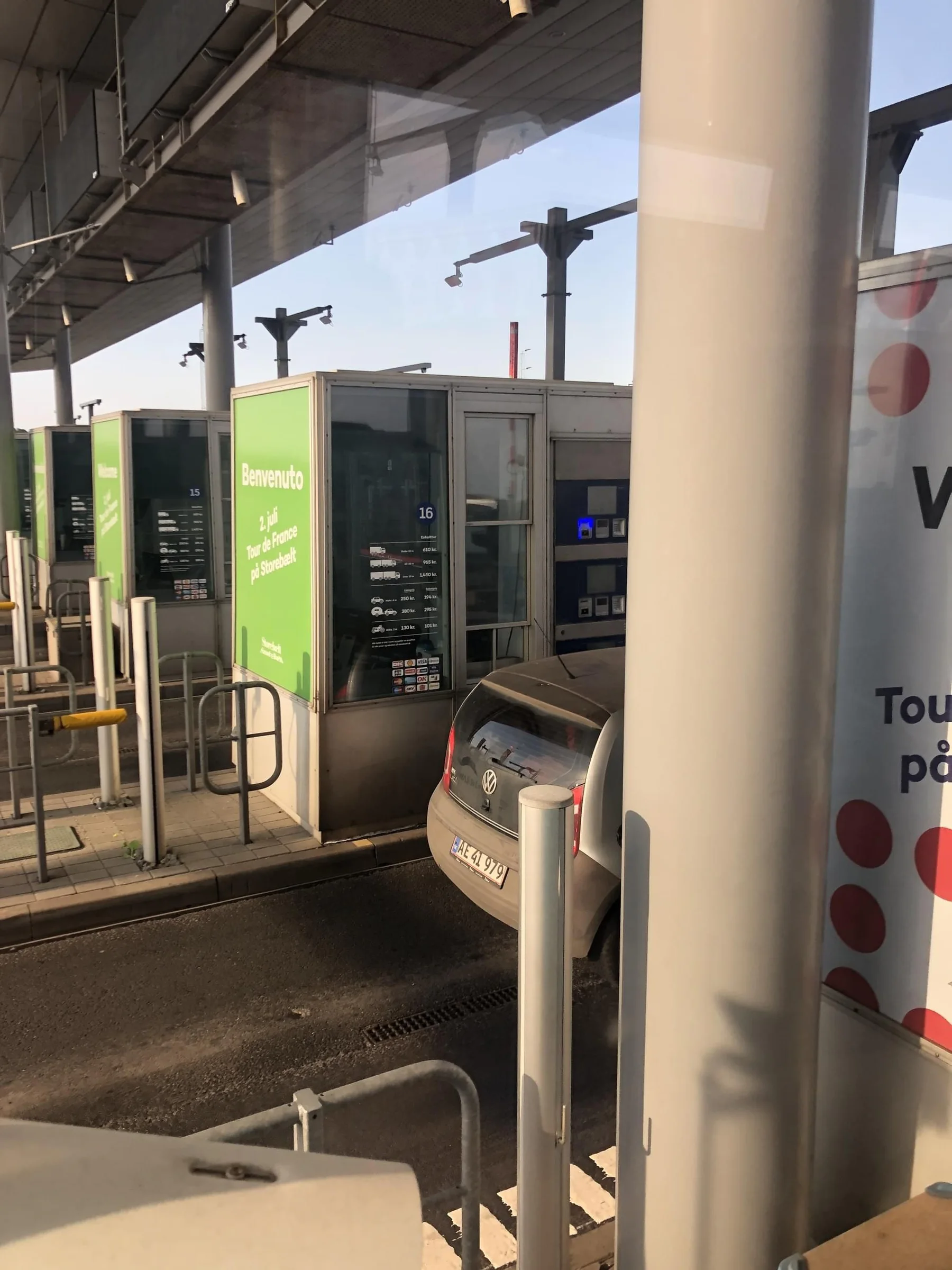
Admission: there's a toll when you enter the bridge - prices in the photo
Drive: 10-15 minutes
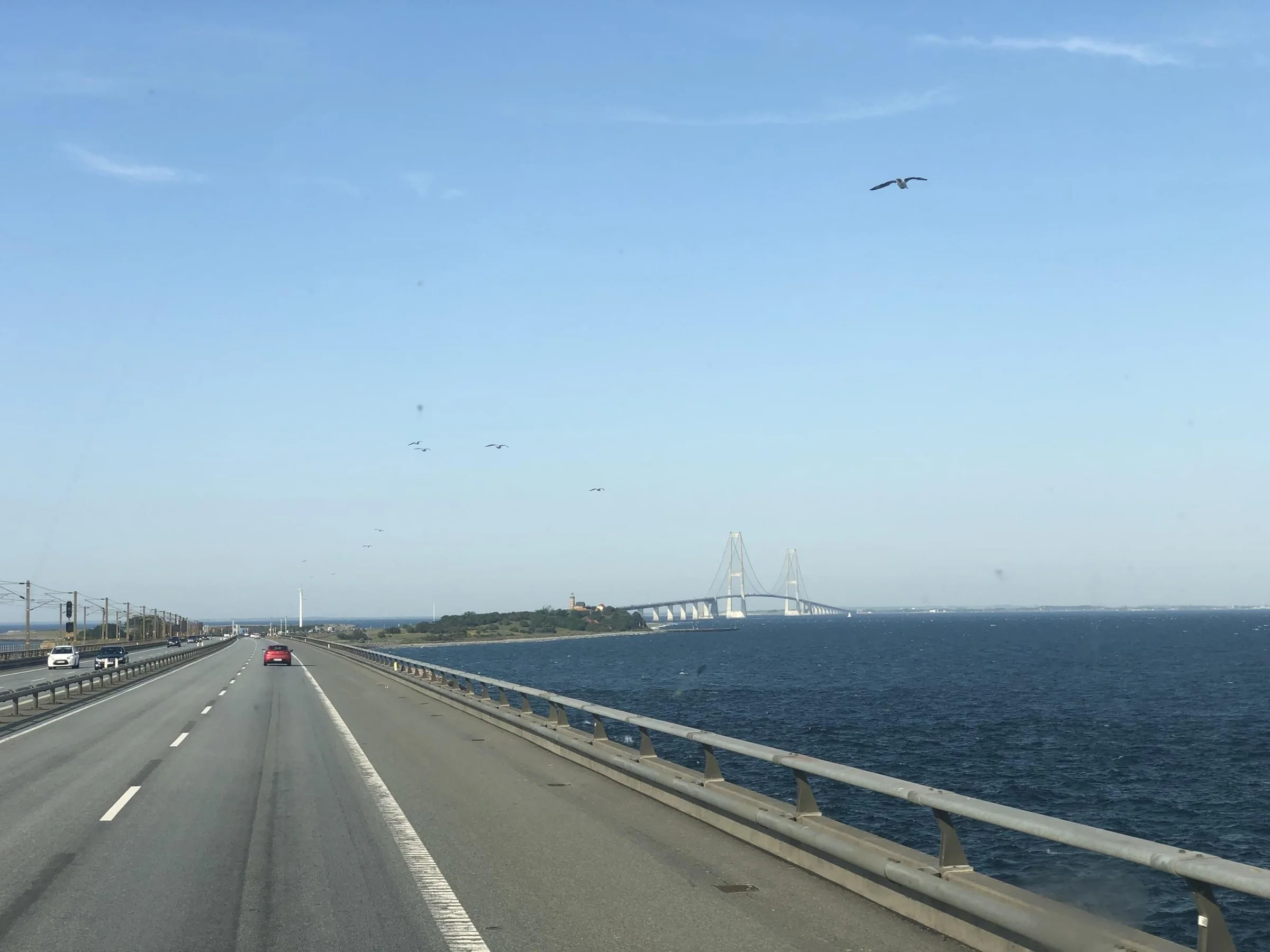
It's a suspension bridge crossing the Great Belt strait between the towns of Korsør and Nyborg, connecting Denmark's two largest islands, Zealand and Funen. The 18 km link across the Great Belt was completed in 1998 and includes a four-lane motorway and a double-track railway. In the western part, from the island of Funen to the islet of Sprogø in the middle of the strait, the motorway and railway run in parallel over a low bridge 6,611 m long, while under the eastern part of the strait the railway dives into a twin undersea tunnel, and the road crosses it on a magnificent suspension bridge 6,790 m long.
It is currently the third longest suspension bridge in the world (after the Akashi Kaikyō Bridge in Japan and the Xihoumen Bridge in China).
The bridge deck is 31 m wide and the main span has a clearance of 65 m, so even the biggest ships can sail underneath. About 24,000 cars cross the Great Belt every day.
With pylons 254 m high, it's the tallest bridge in Denmark.
The islet of Sprogø used to have a women's prison. It held women who liked sex and were considered by society to be promiscuous, dissolute and harmful. Up to 500 women were imprisoned here, some of whom spent seven years here, some even most of their lives. Their only offence was that they liked sex and enjoyed it to the full. In addition, vagrants, thieves and other sexually "unstable" women were locked up here. These women were called free-thinkers in Denmark and were held up as a warning to all young girls. The prison was founded in 1923 by the doctor Christian Keller. Today the island is abandoned and has no permanent residents.
The original island was 4 times smaller. It was artificially enlarged for the construction of the bridge.
Egeskov
pronounced: "ay-skow"
Admission: 180 DKK
Opening hours: 10:00 - 17:00
Time spent: 4-5 hours (but I recommend a whole day)
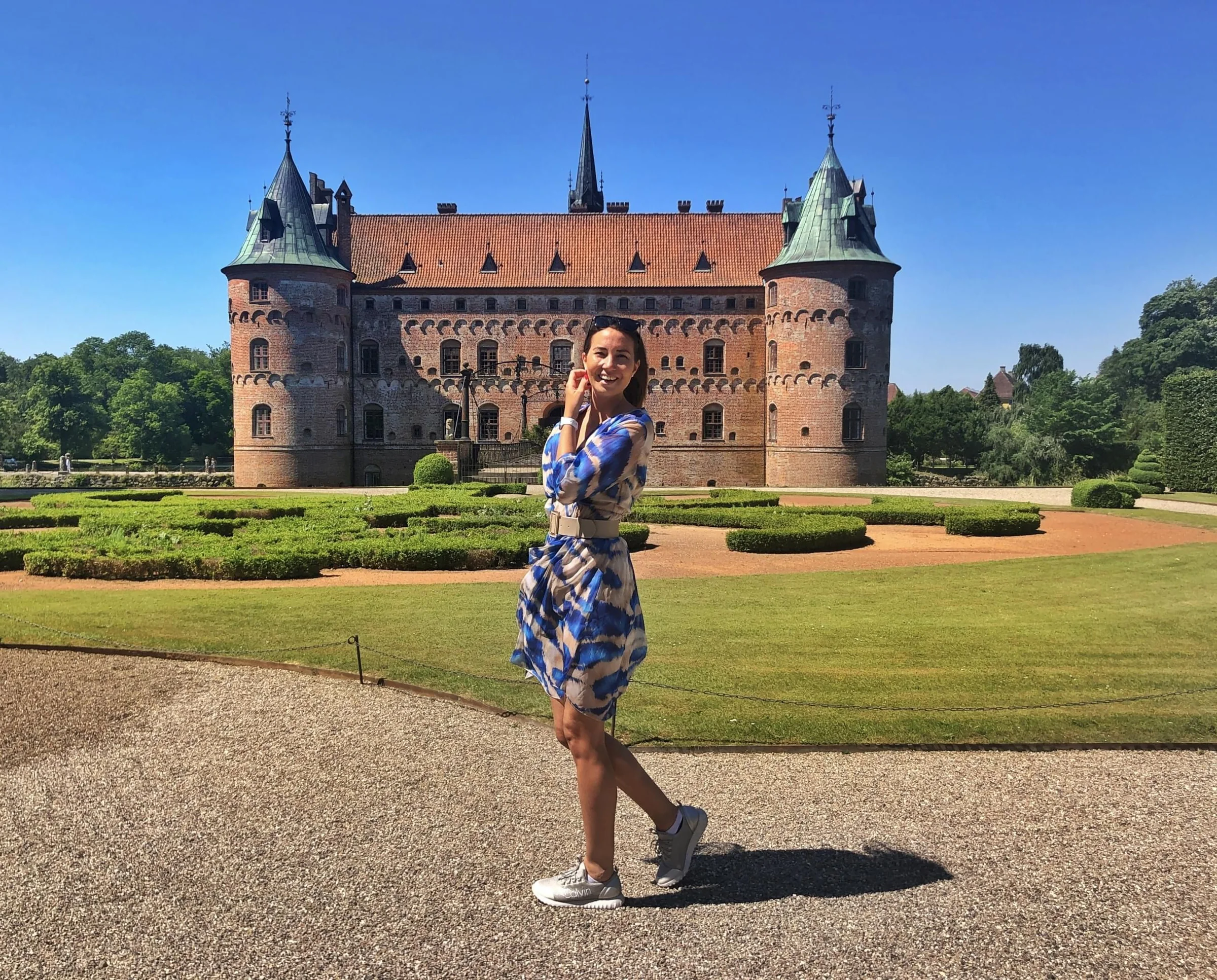
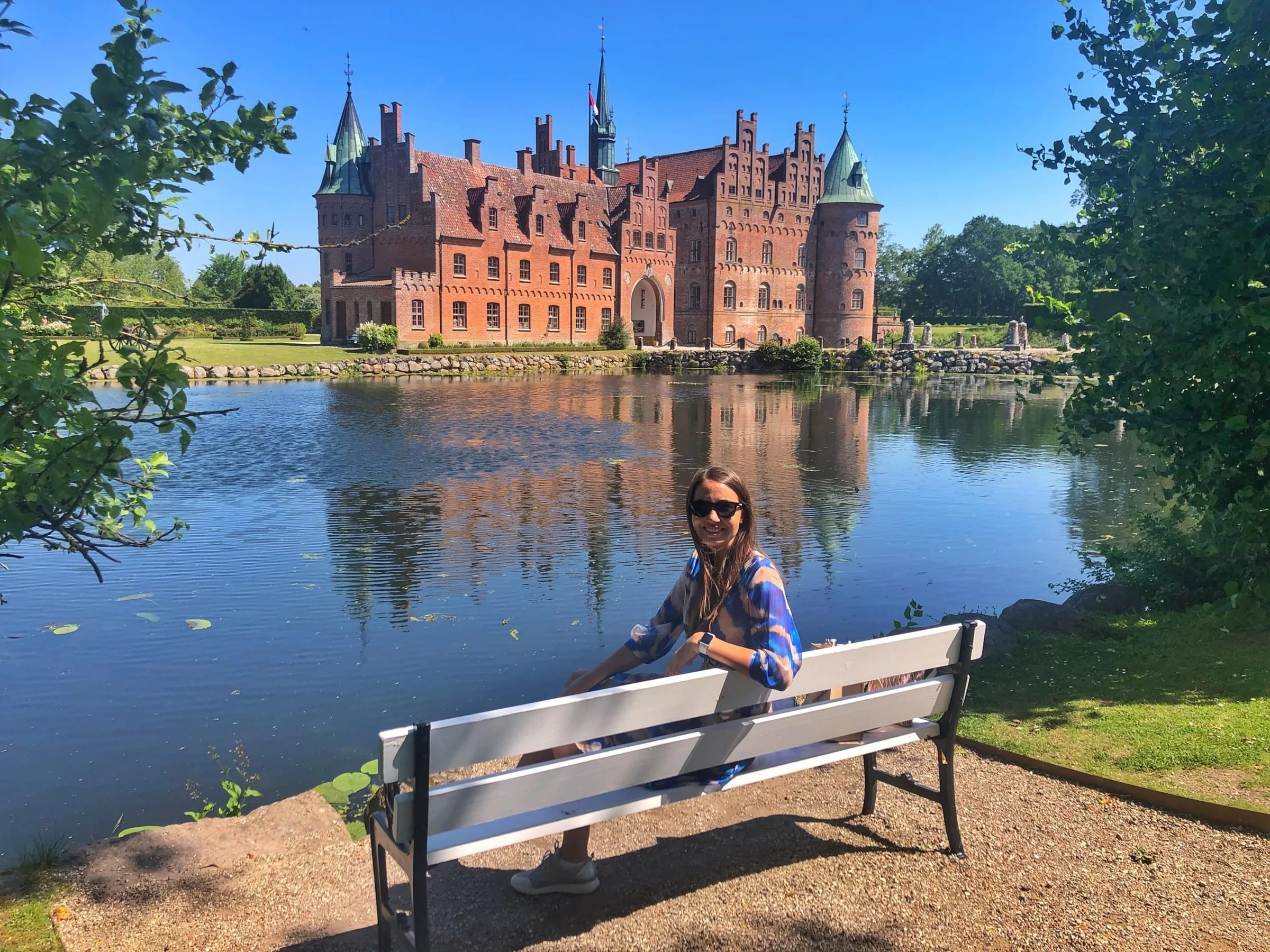
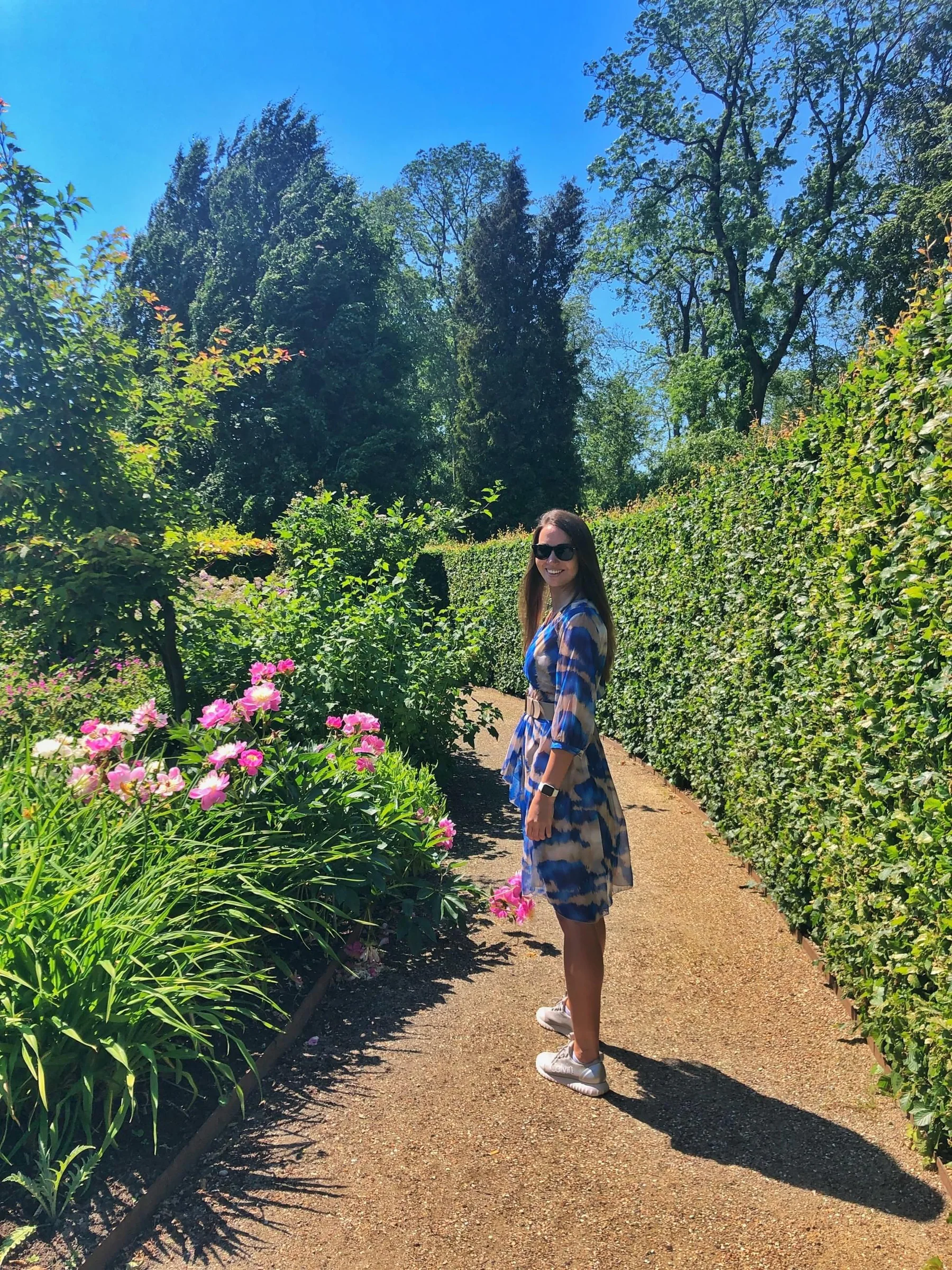
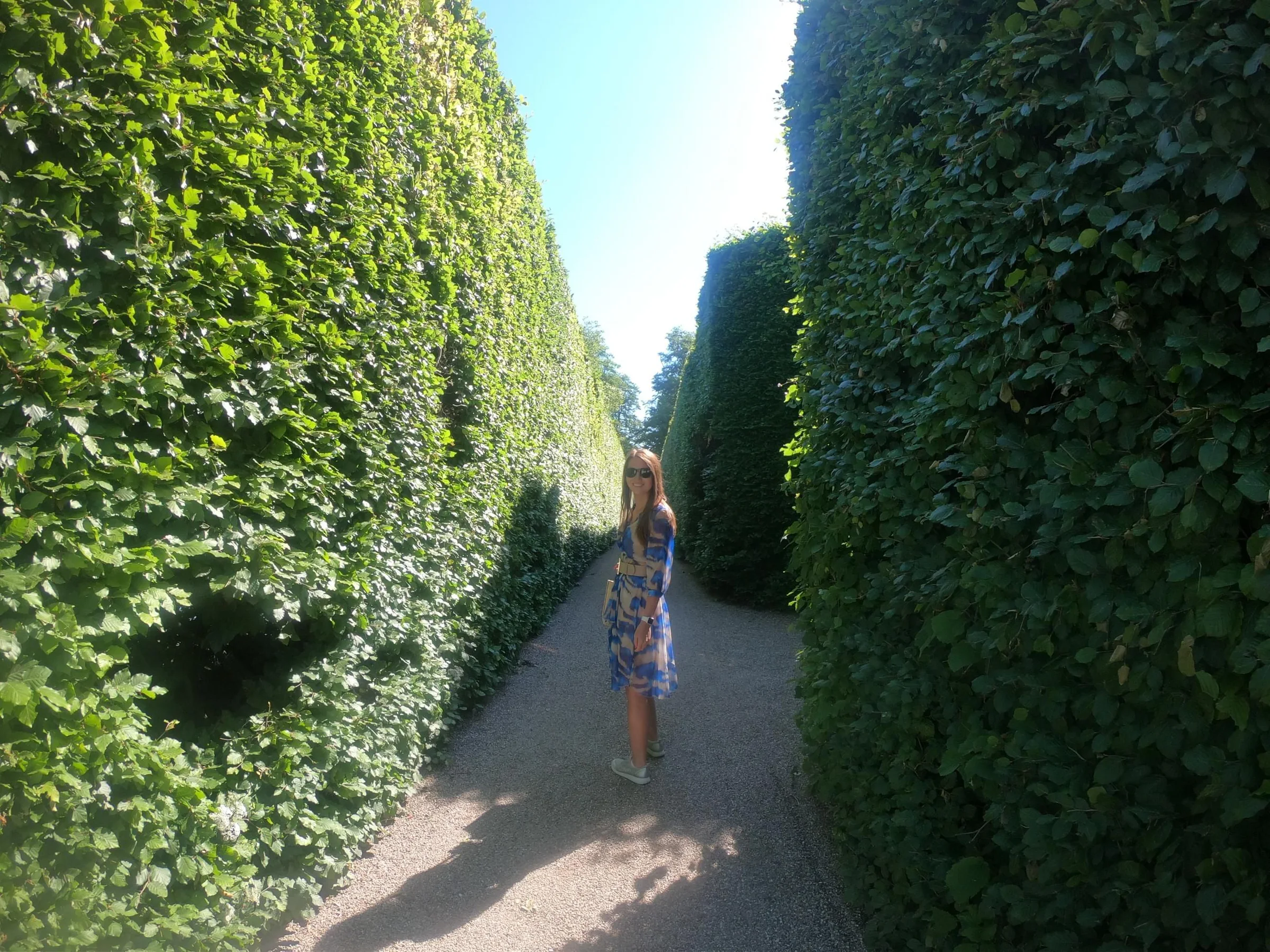
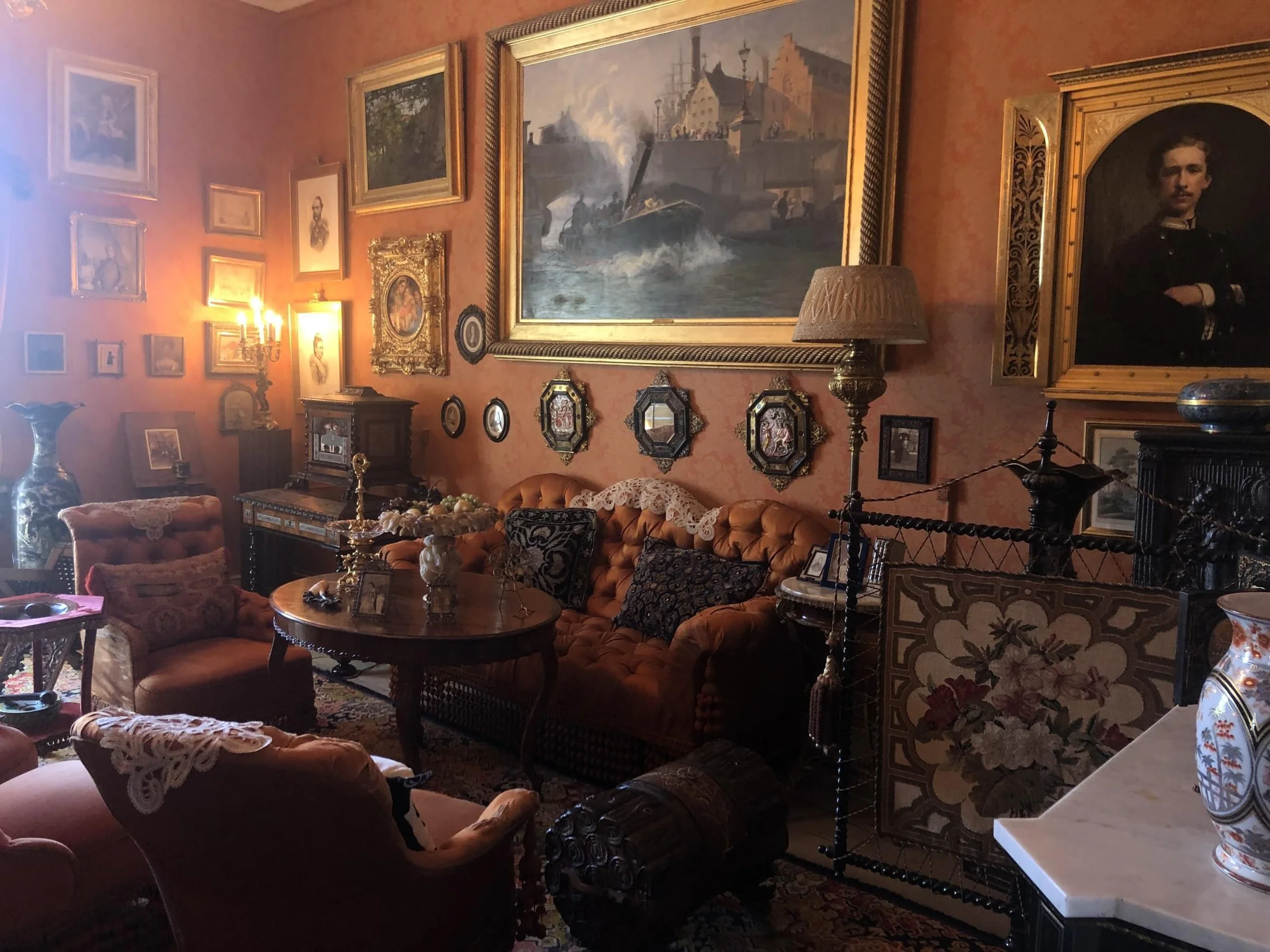
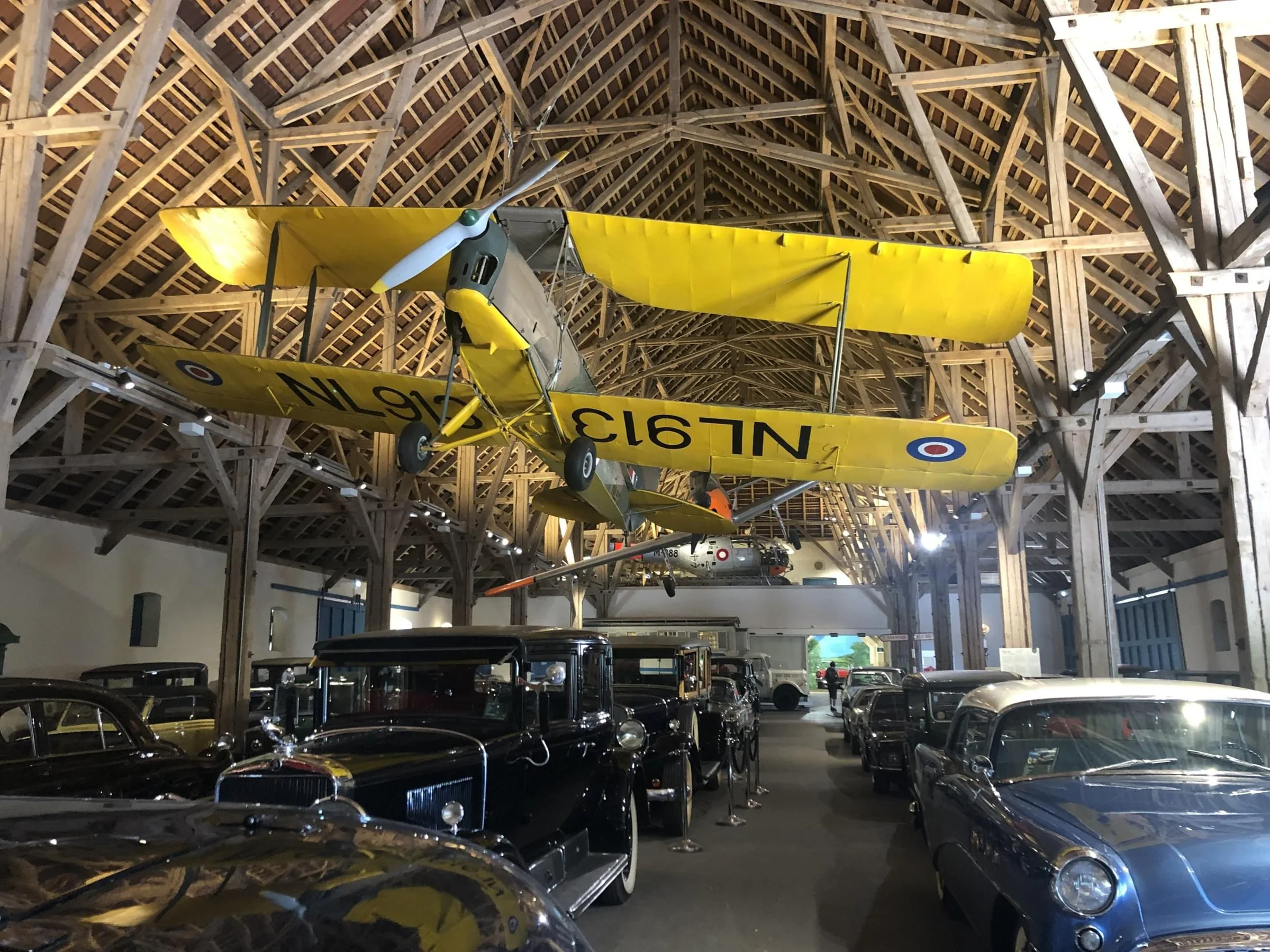
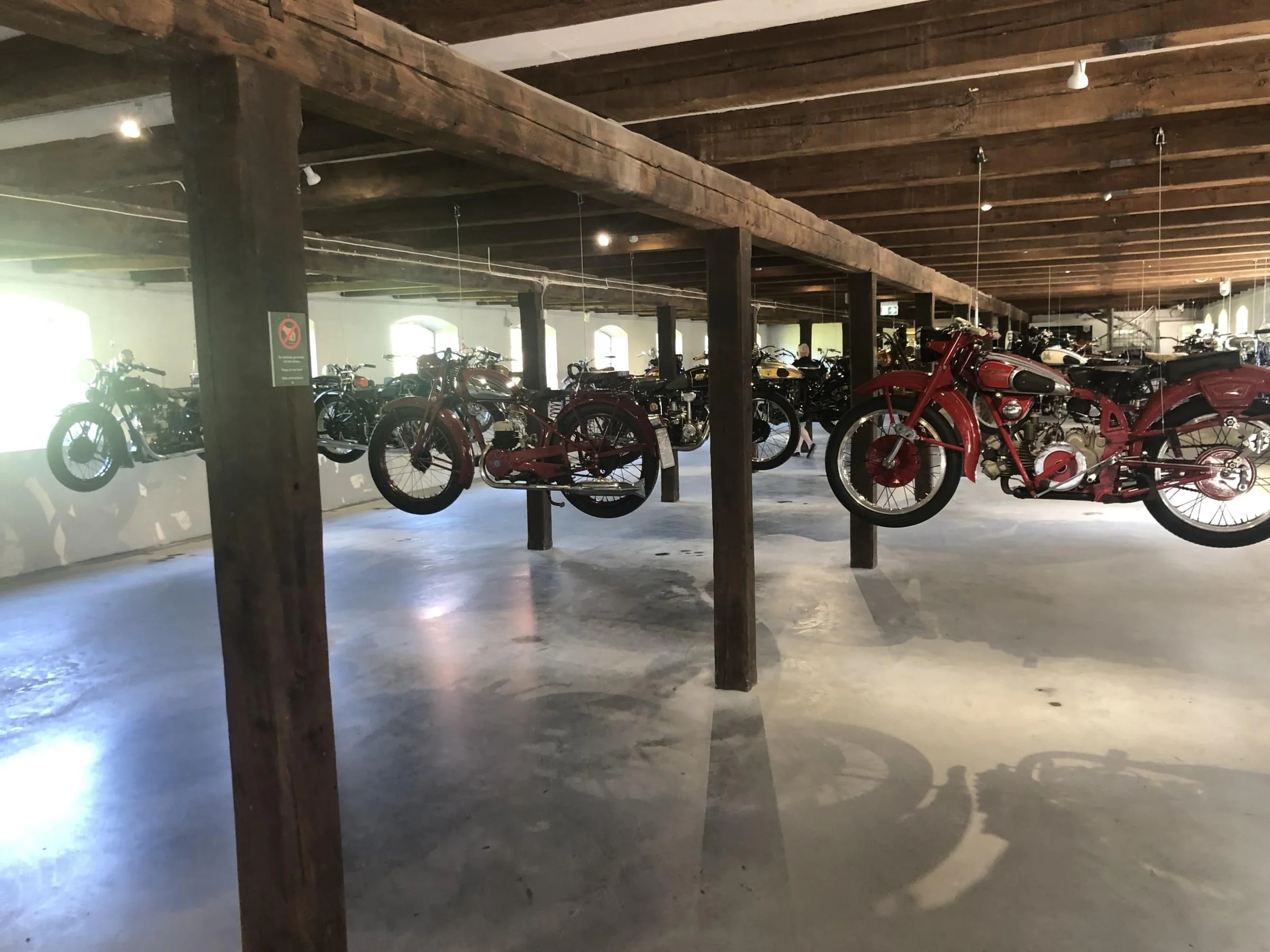
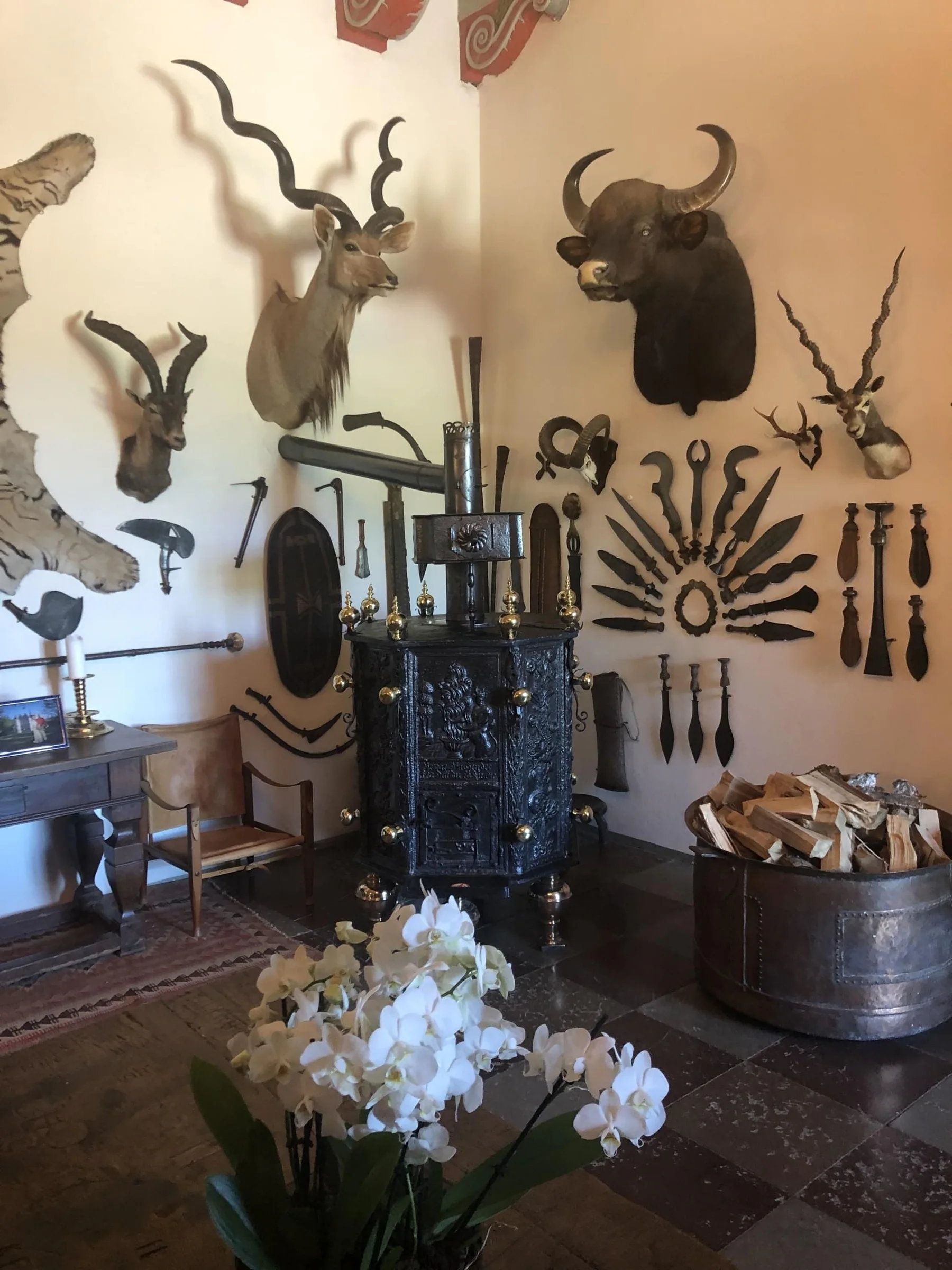
This castle is the reason I went to Denmark. It's so beautiful!! The whole complex is lovely. The castle, the gardens and lots of museums. Here you'll find a camping museum, Falck fire engines, restored carriages, cars, motorbikes, aeroplanes and helicopters. The castle has an exhibition of fashion accessories and dresses. For children there's a maze and a big playground on the grounds.
The complex also has a souvenir shop, cafés and restaurants.
I definitely recommend taking a map at the entrance.
Egeskov is a moated castle built on oak piles, hence the name Egeskov, which means oak forest. A count and countess live in the castle, so not the whole castle is open to the public.

Odense
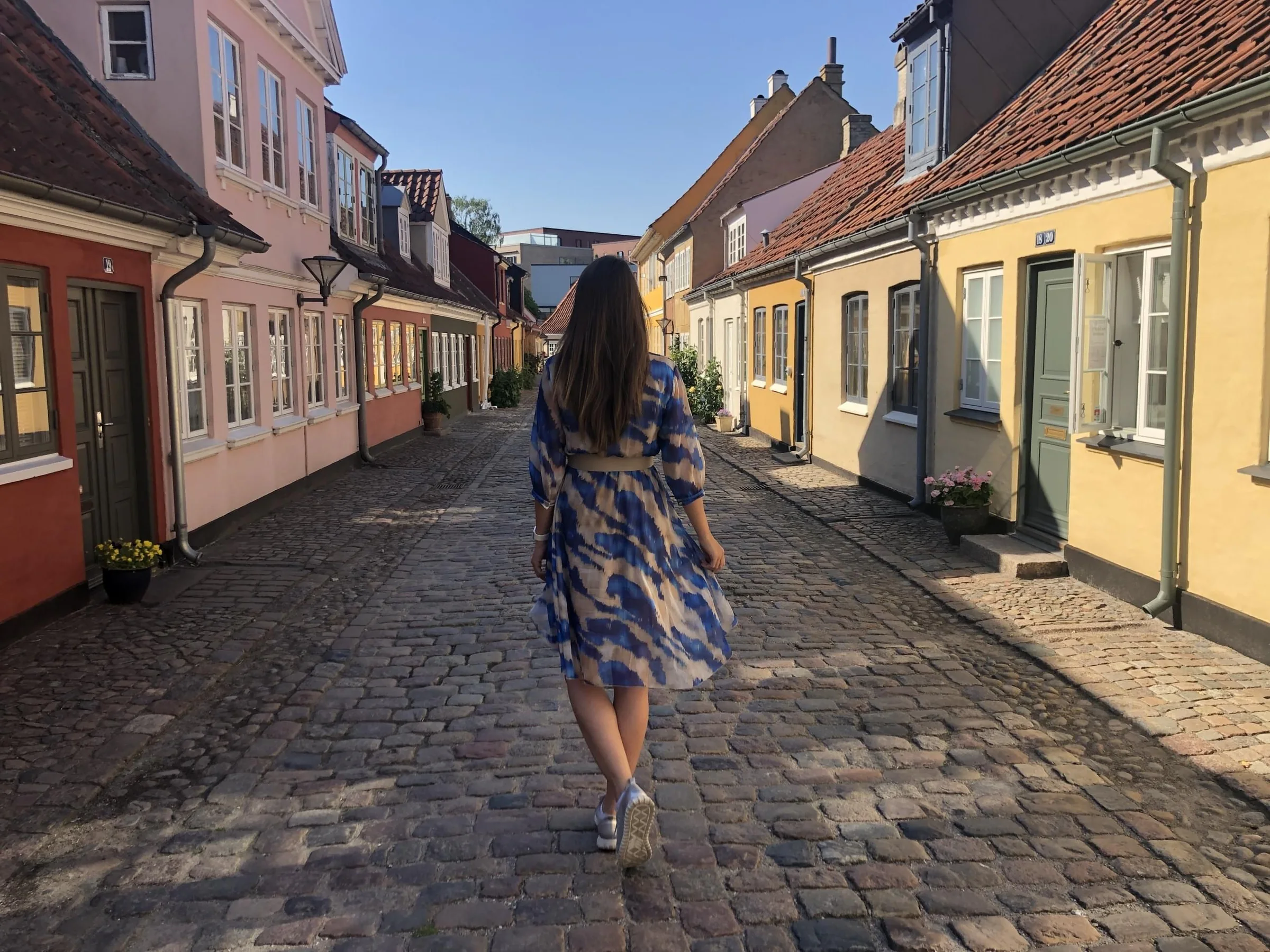
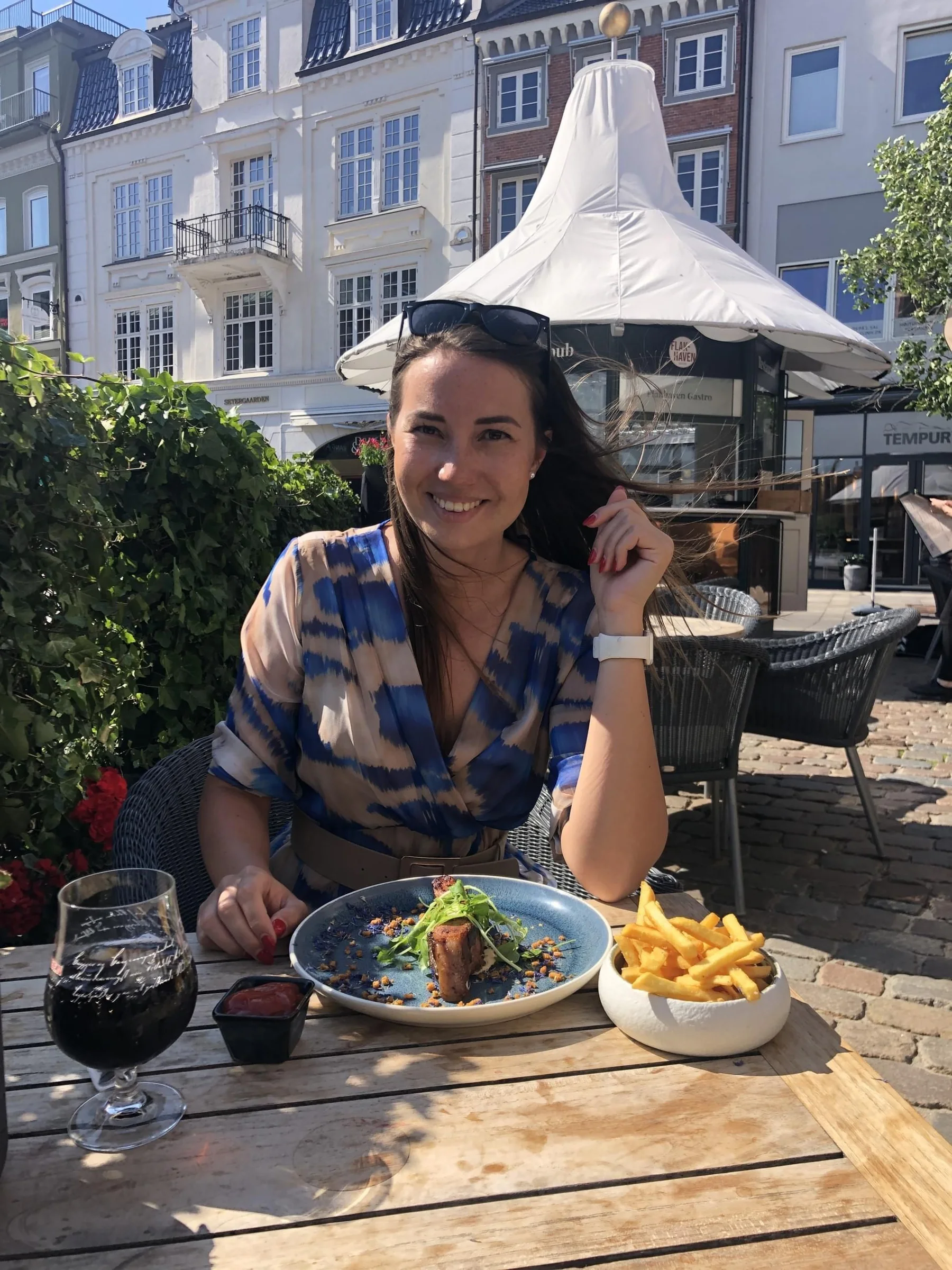
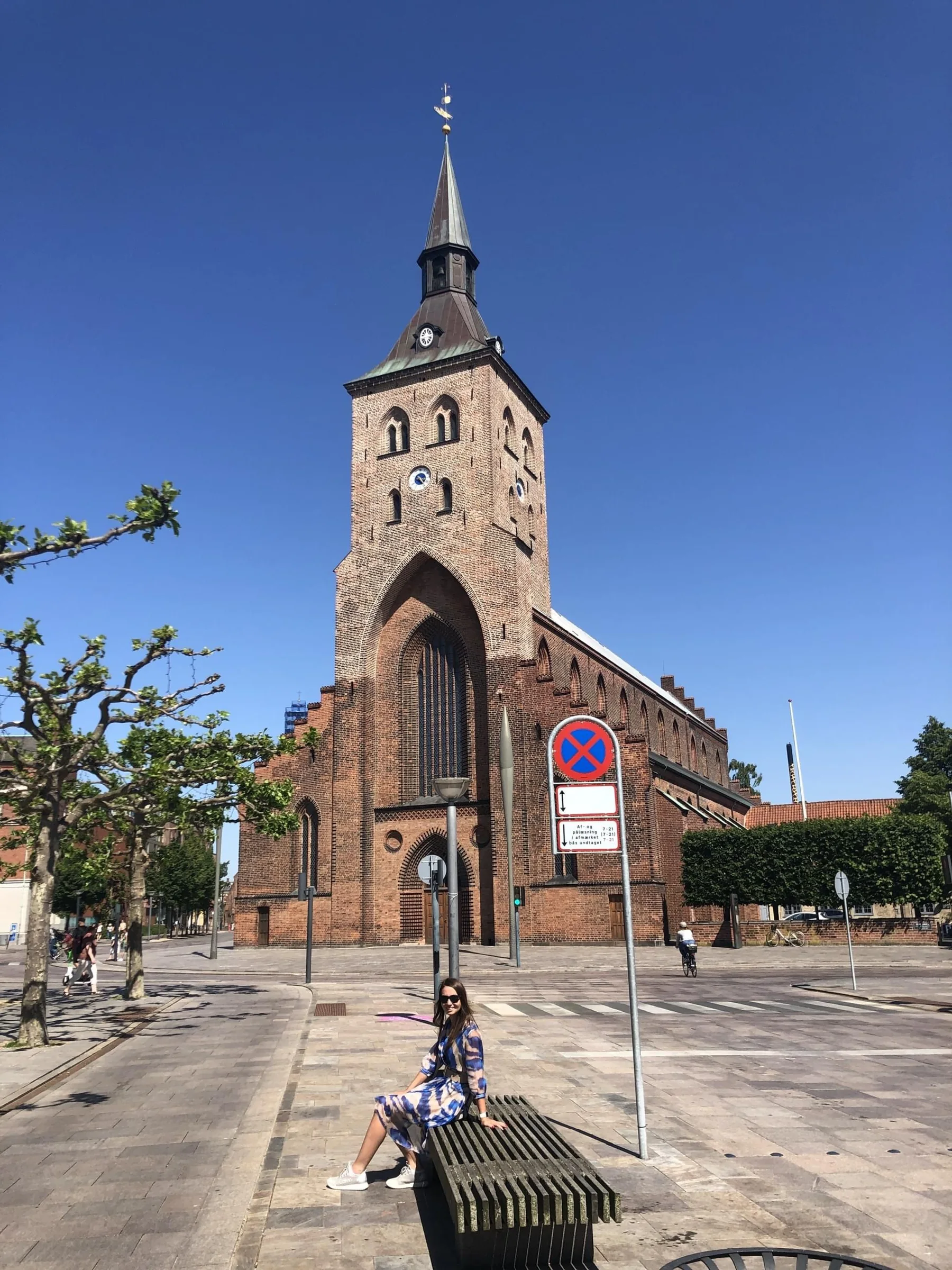
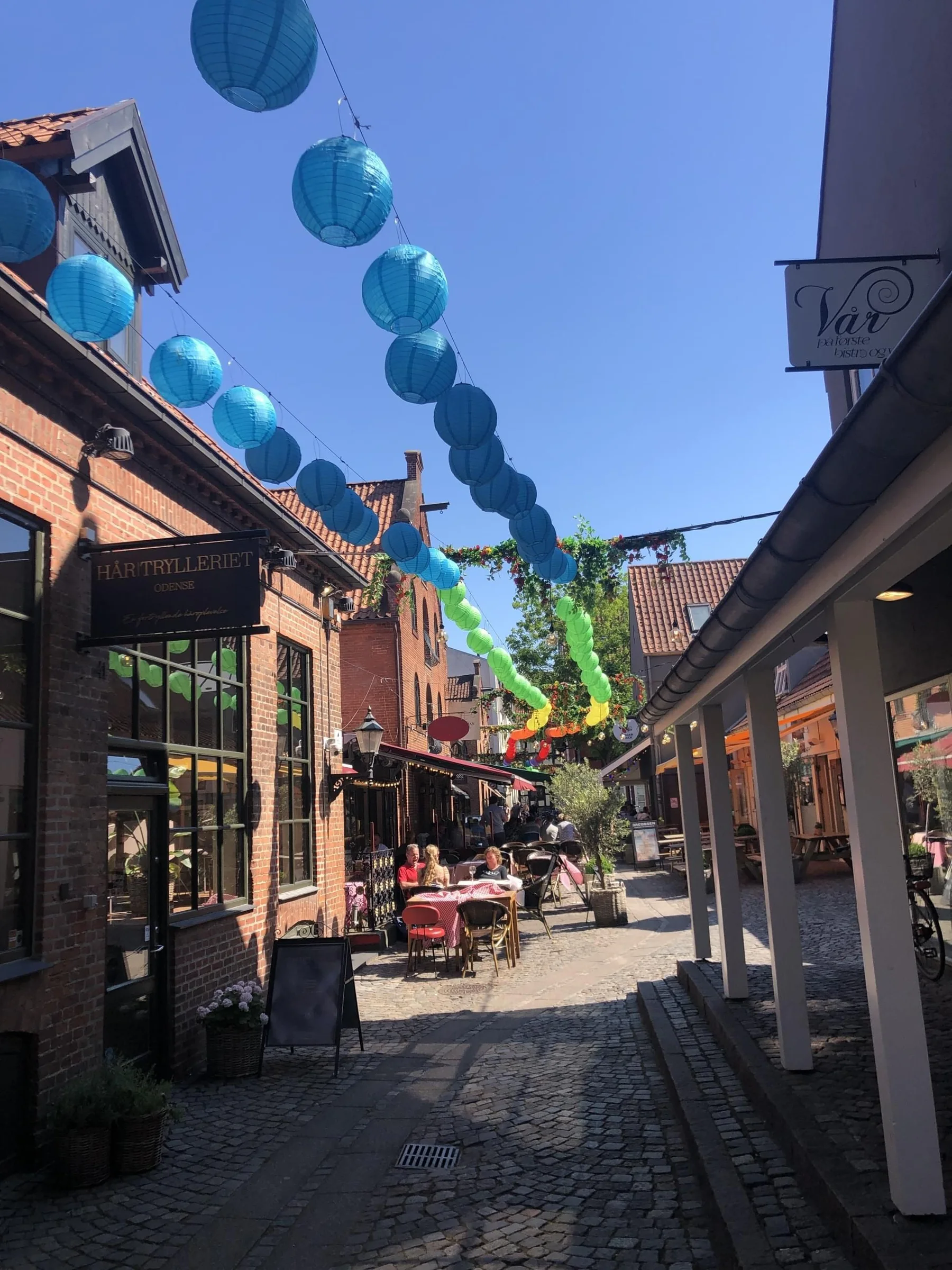
Odense is the third largest city in Denmark and the world-famous writer Hans Christian Andersen was born here. You can visit his birthplace or the museum near the house. From his house, walk to St. Alban's Church, and opposite it is St. Canute's Cathedral. From there continue past the town hall to Vestergade street, where there are lots of restaurants, cafés and little shops.
Frederiksborg
Admission: 200 CZK
Time spent: 3 hours
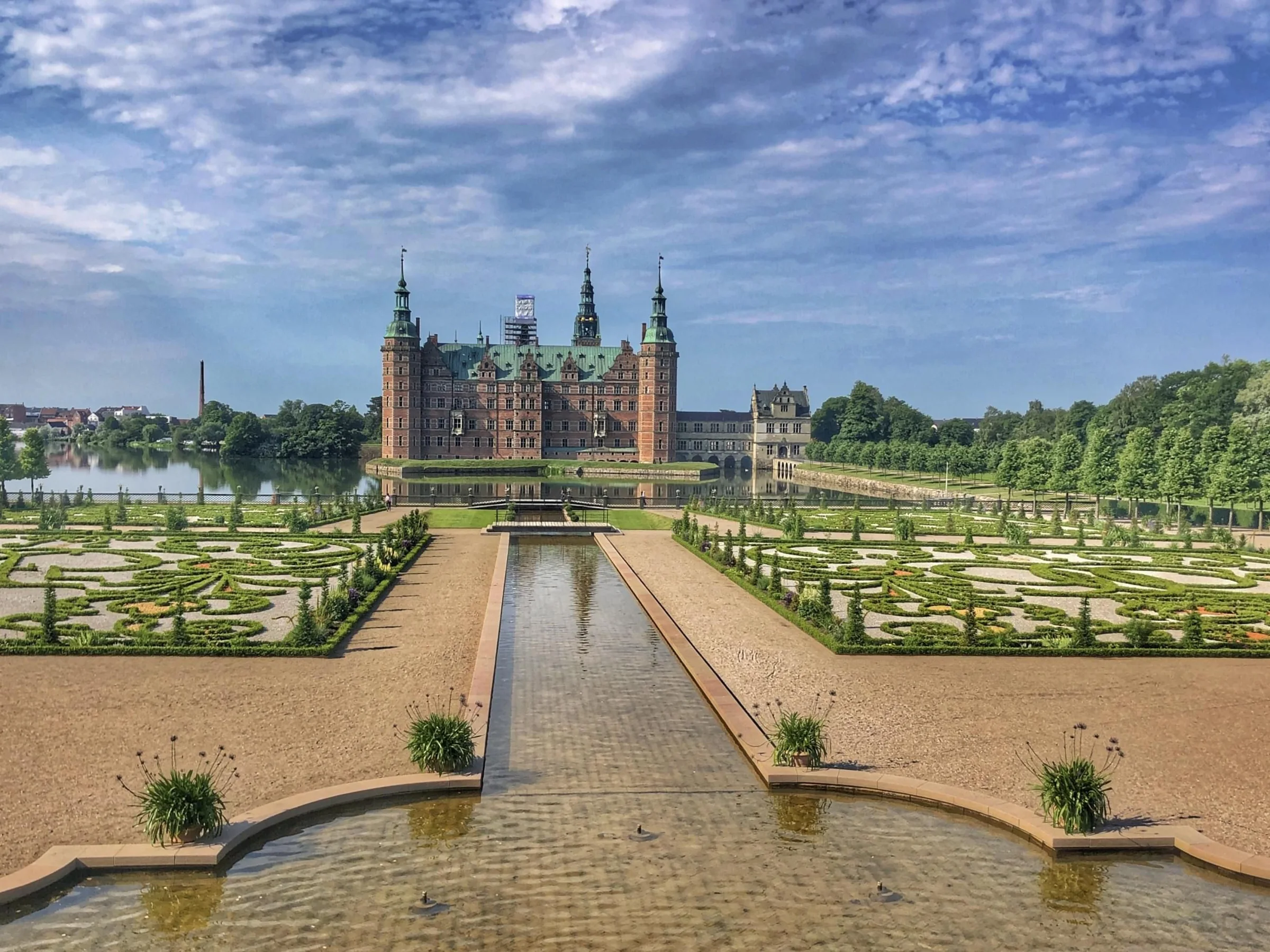
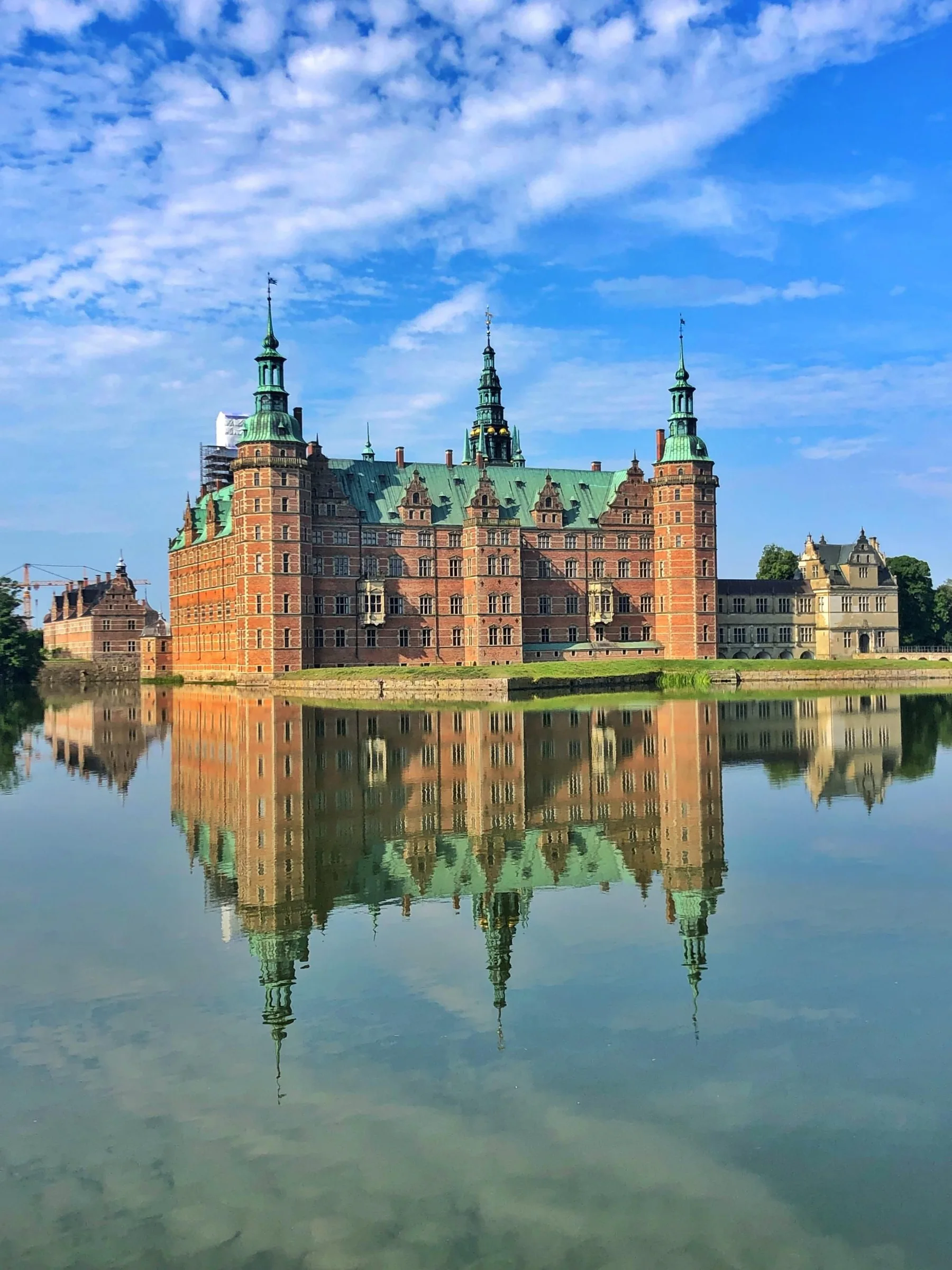
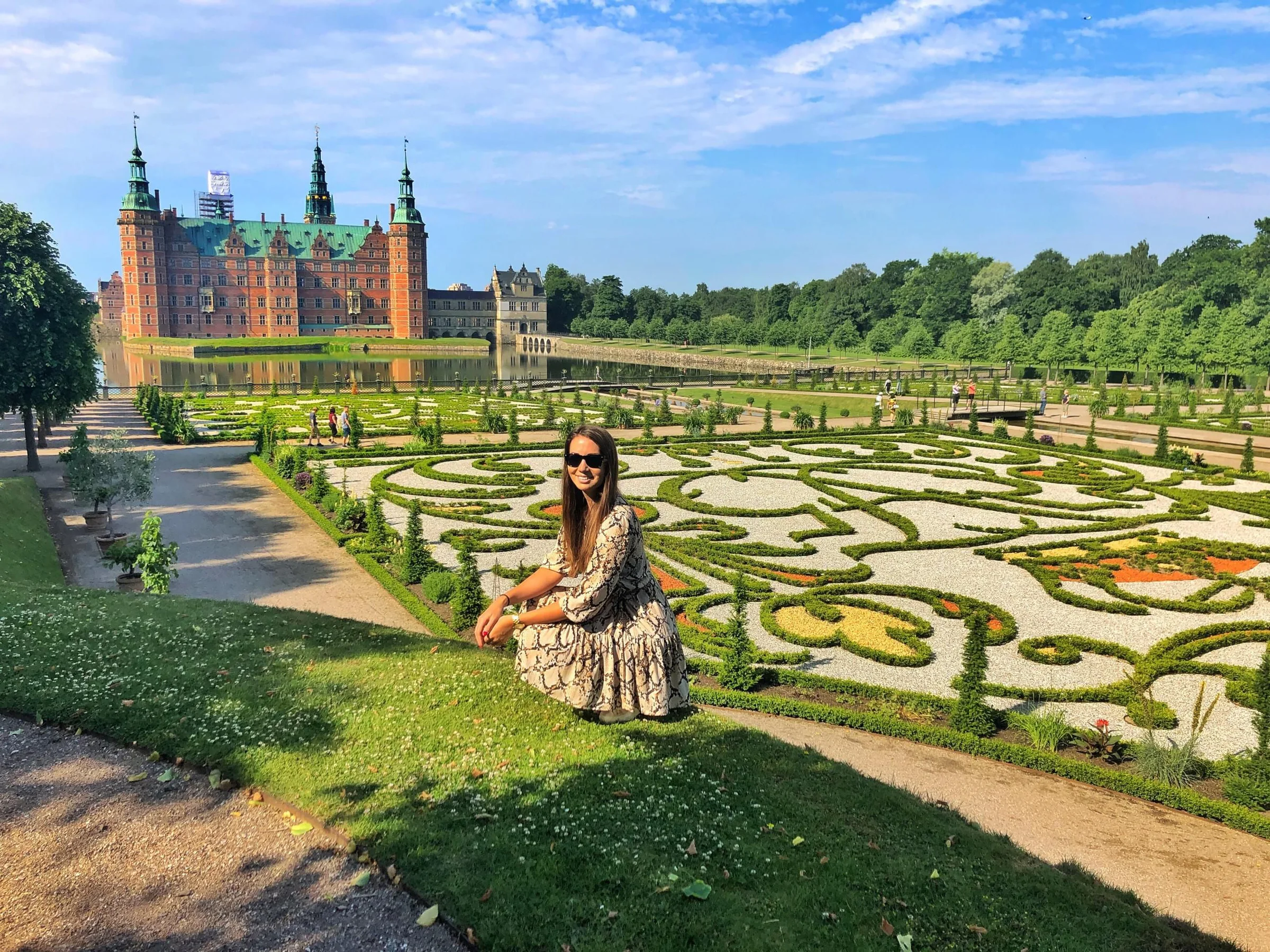
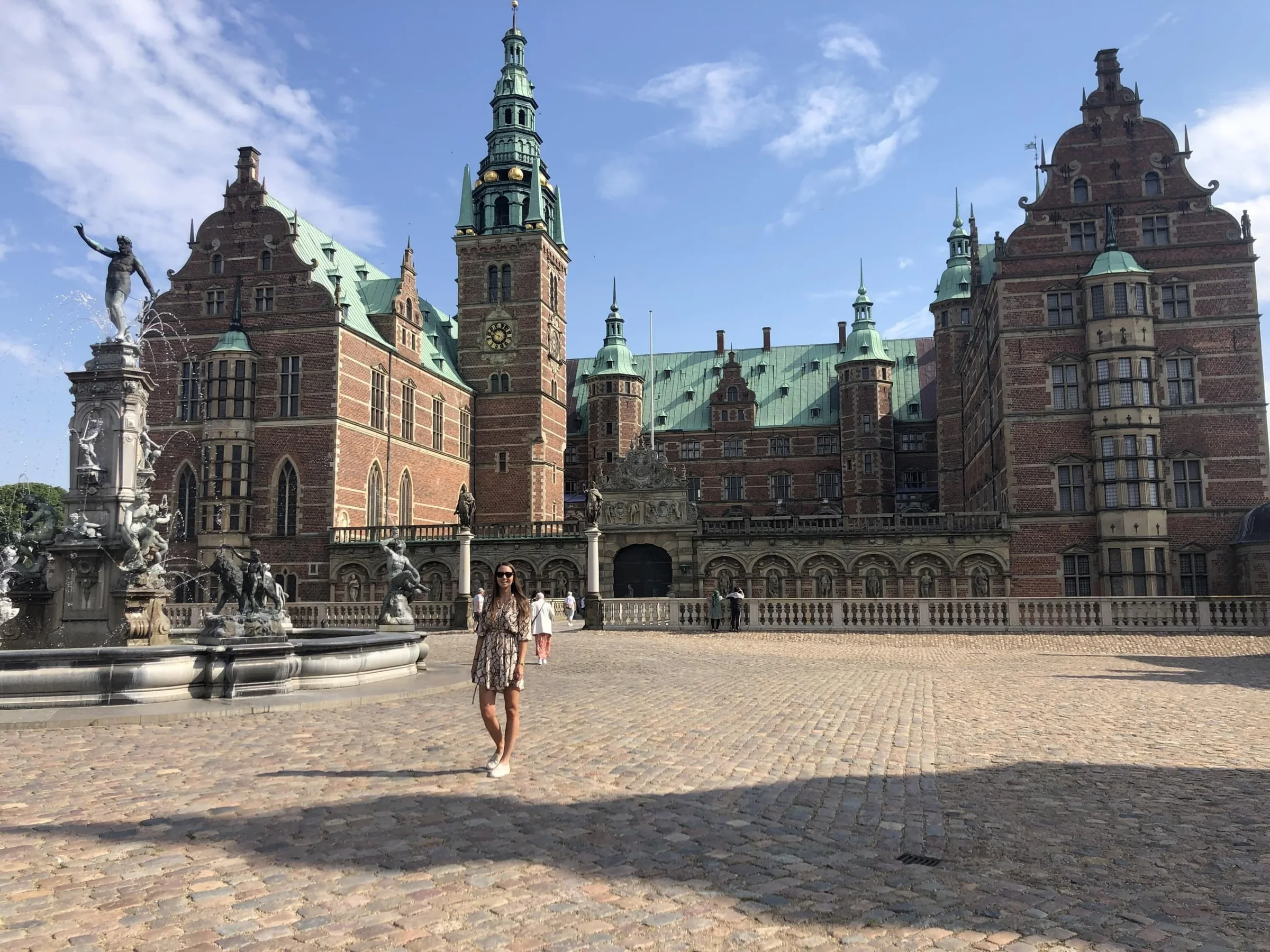
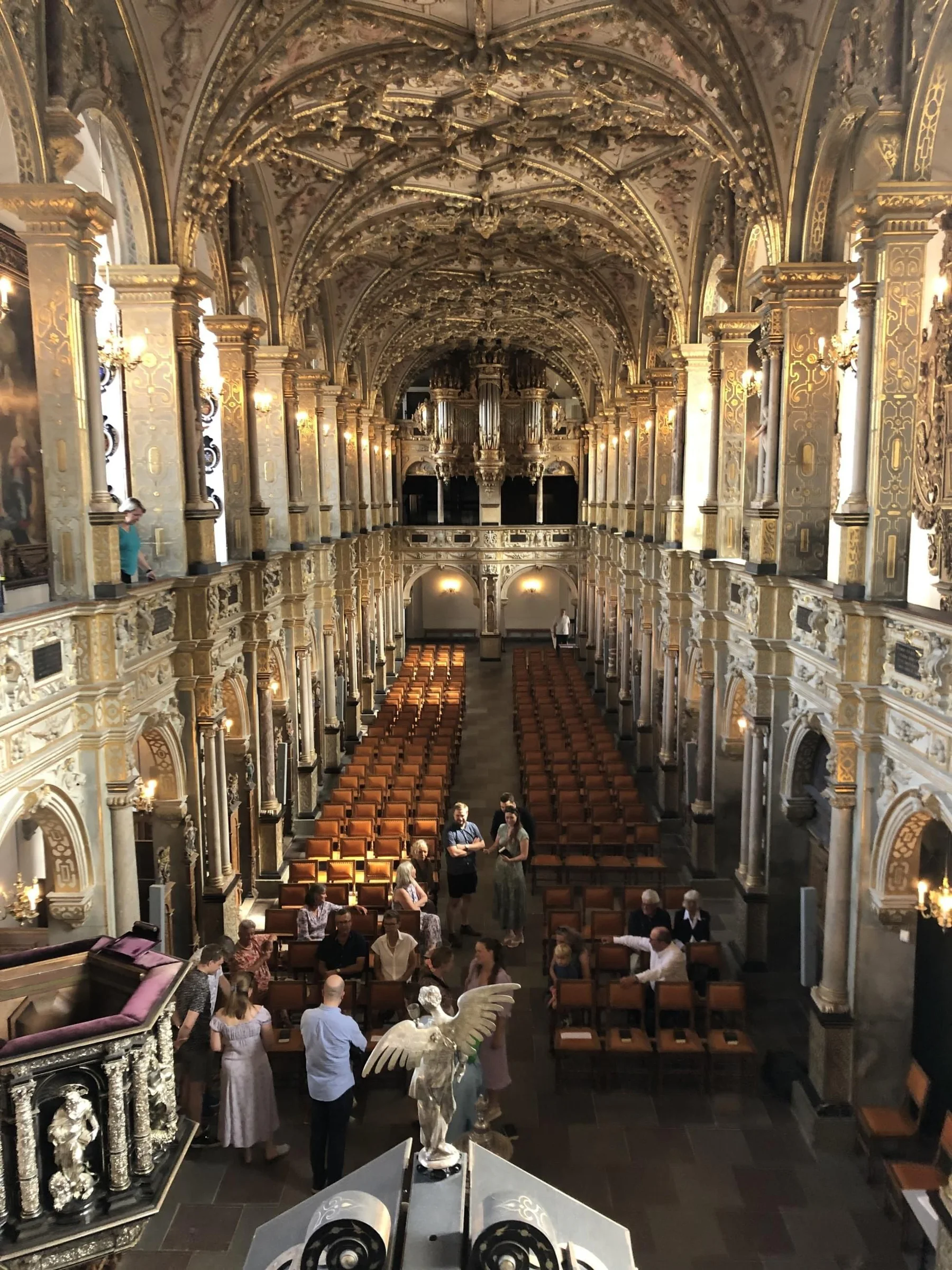
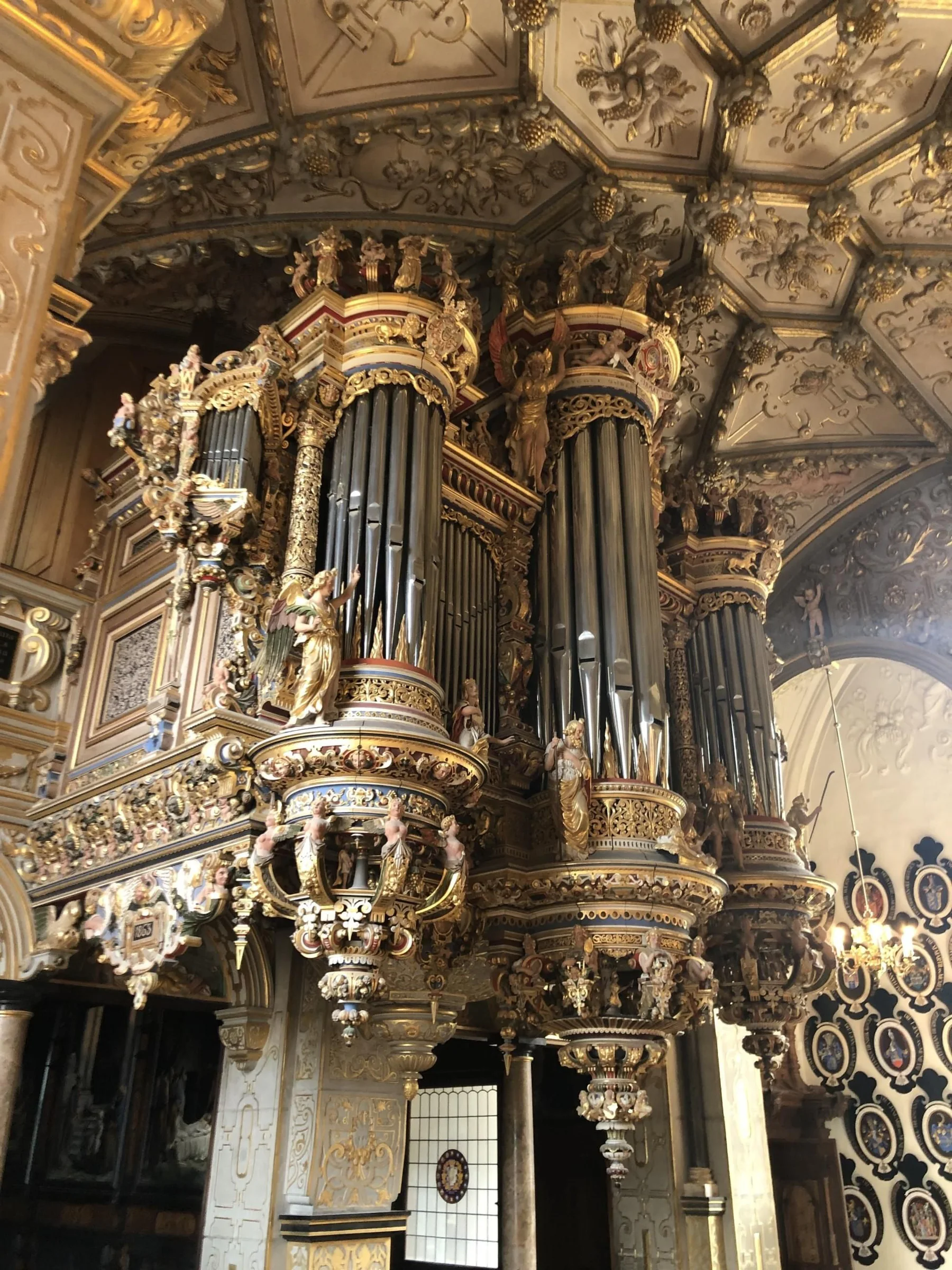
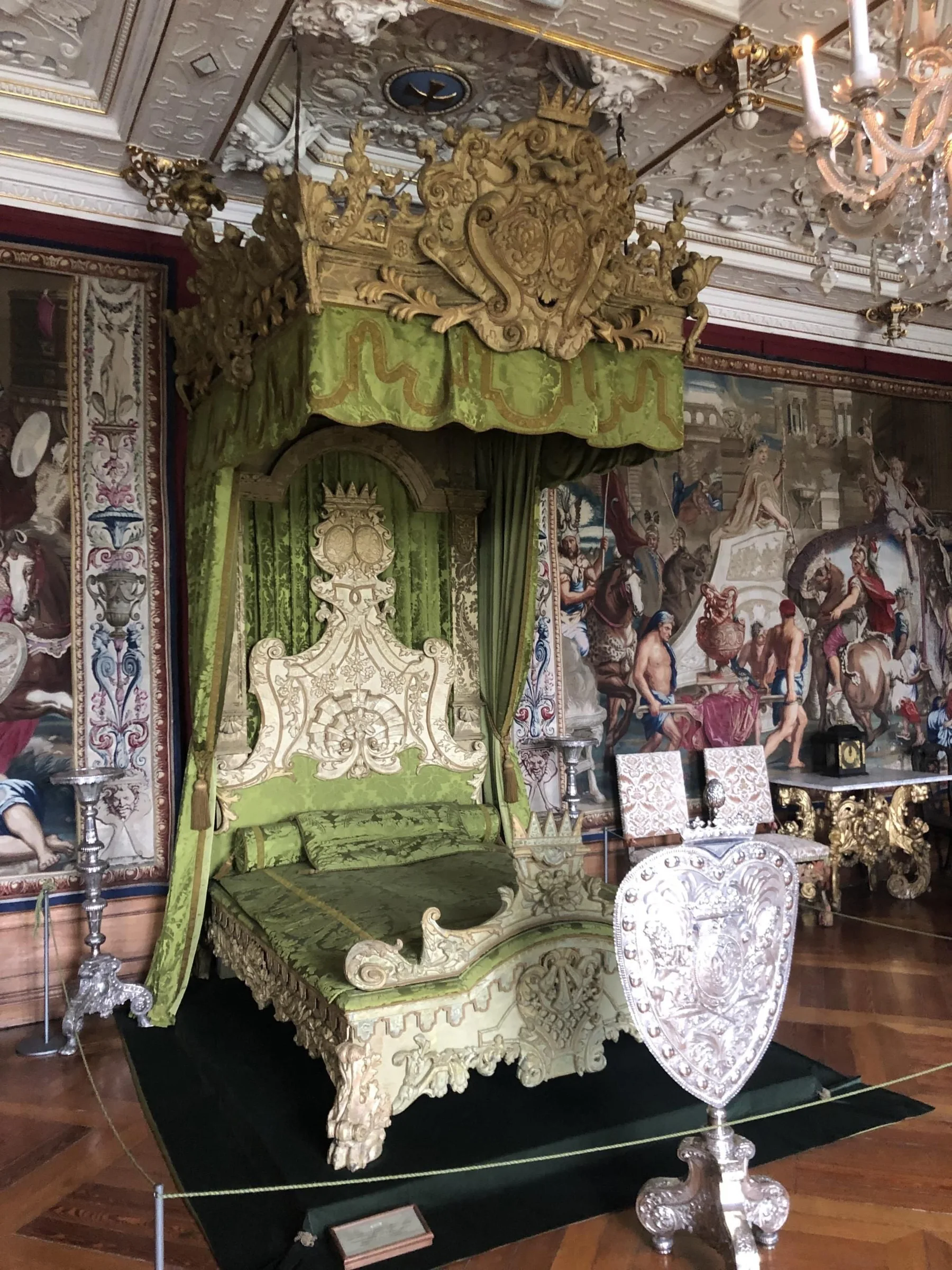
The castle was built by Frederick II in 1520, and 80 years later his son had it pulled down and built the castle that stands there to this day. It's the largest Renaissance building in Scandinavia and lies on small islands in the middle of a lake. All Danish kings were anointed in the castle chapel. In 1859 a fire broke out in the castle and destroyed much of the interior. Today the castle is used as a museum and houses the collections of the National History Museum.
Copenhagen
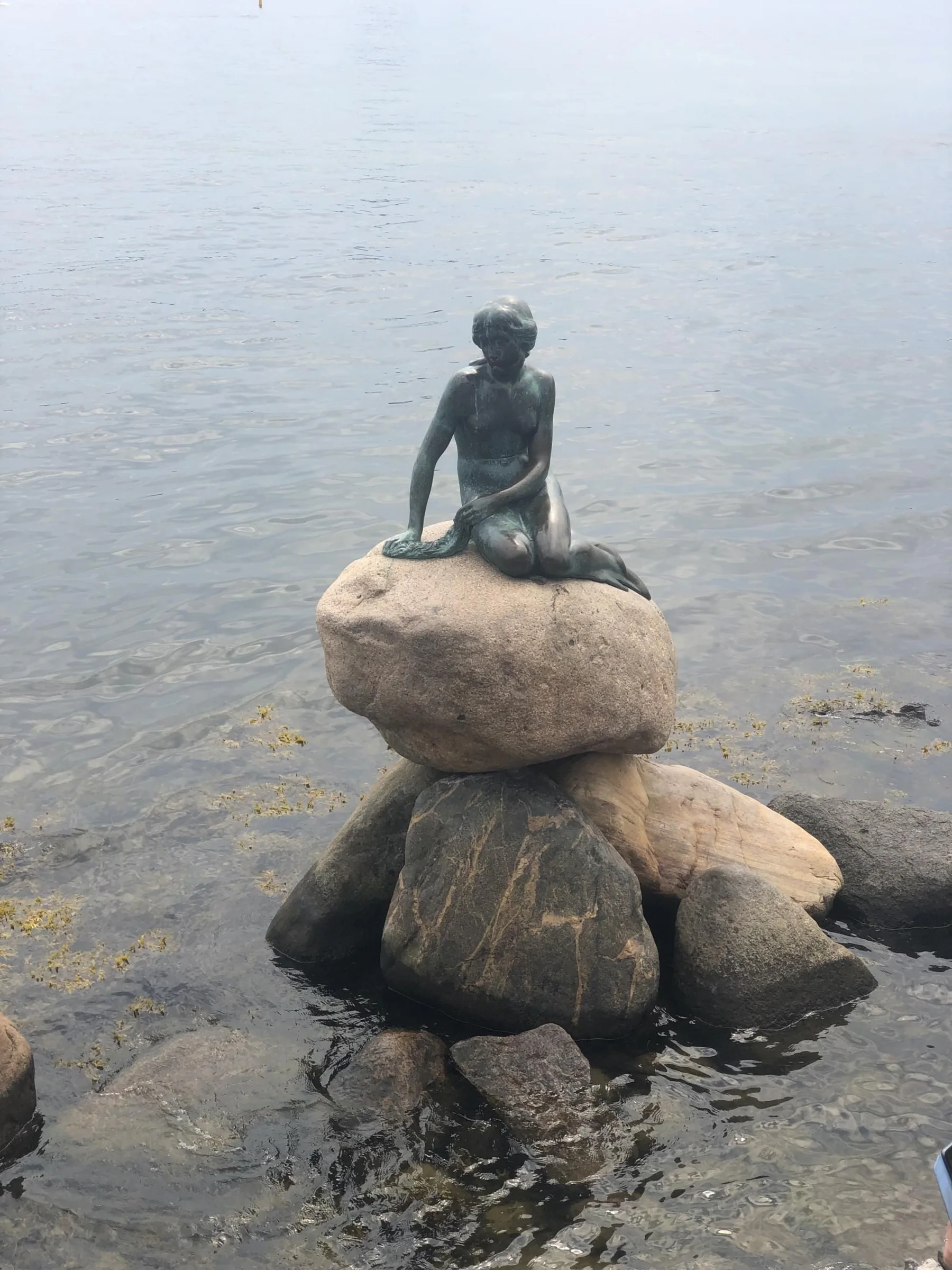
We started our walk right at the Little Mermaid.
The statue was inspired by a ballerina the sculptor admired. She was too shy to undress in front of the sculptor, though, so the statue has the ballerina's face, but the body was modelled on his wife. The statue has been a target of vandals several times and has lost its head or an arm. Once it was even separated from its rock with explosives and thrown into the sea. Because of all the "attacks" and people climbing on the statue, it was moved out into the water so that nobody can reach it with dry feet.
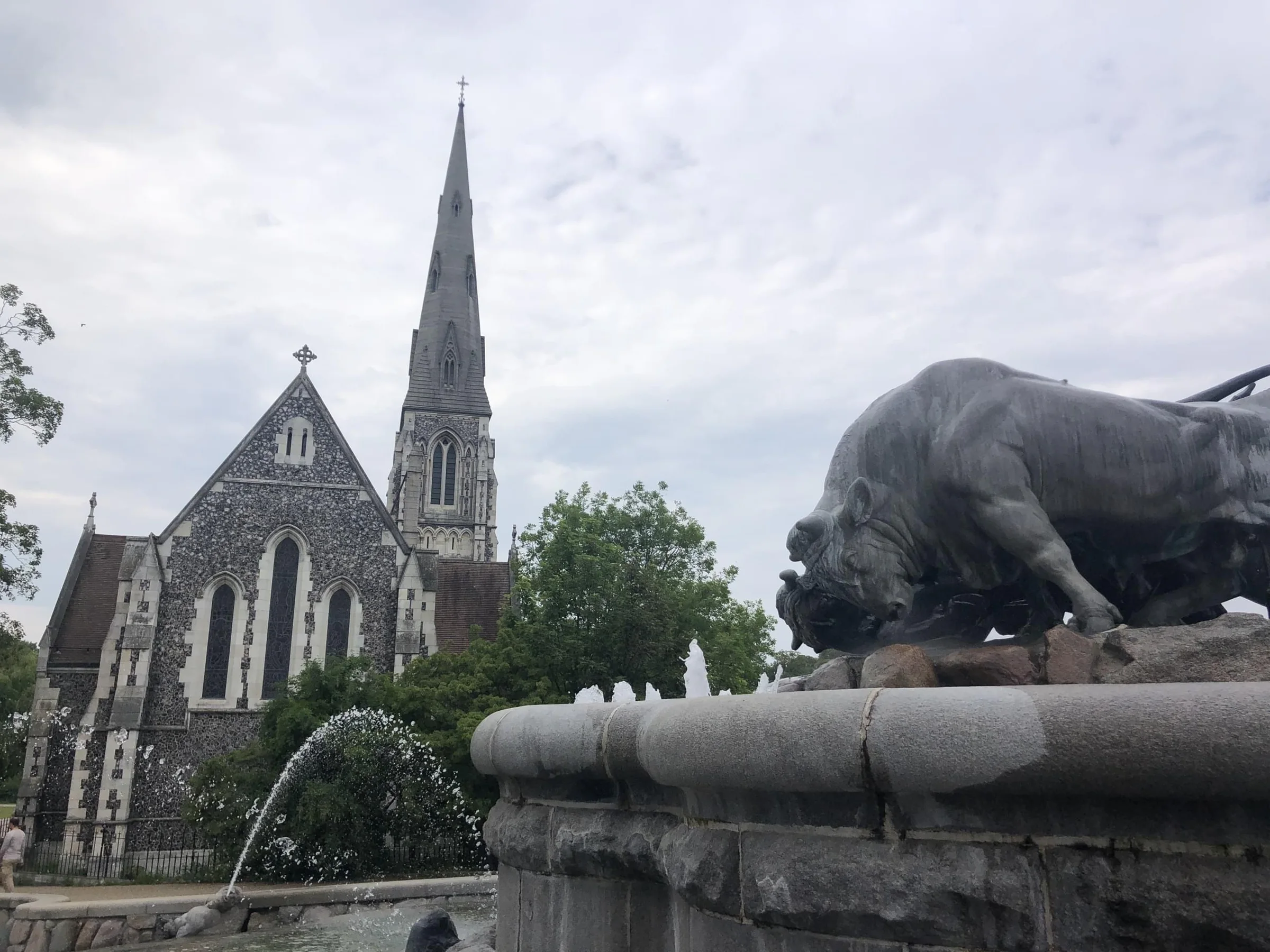
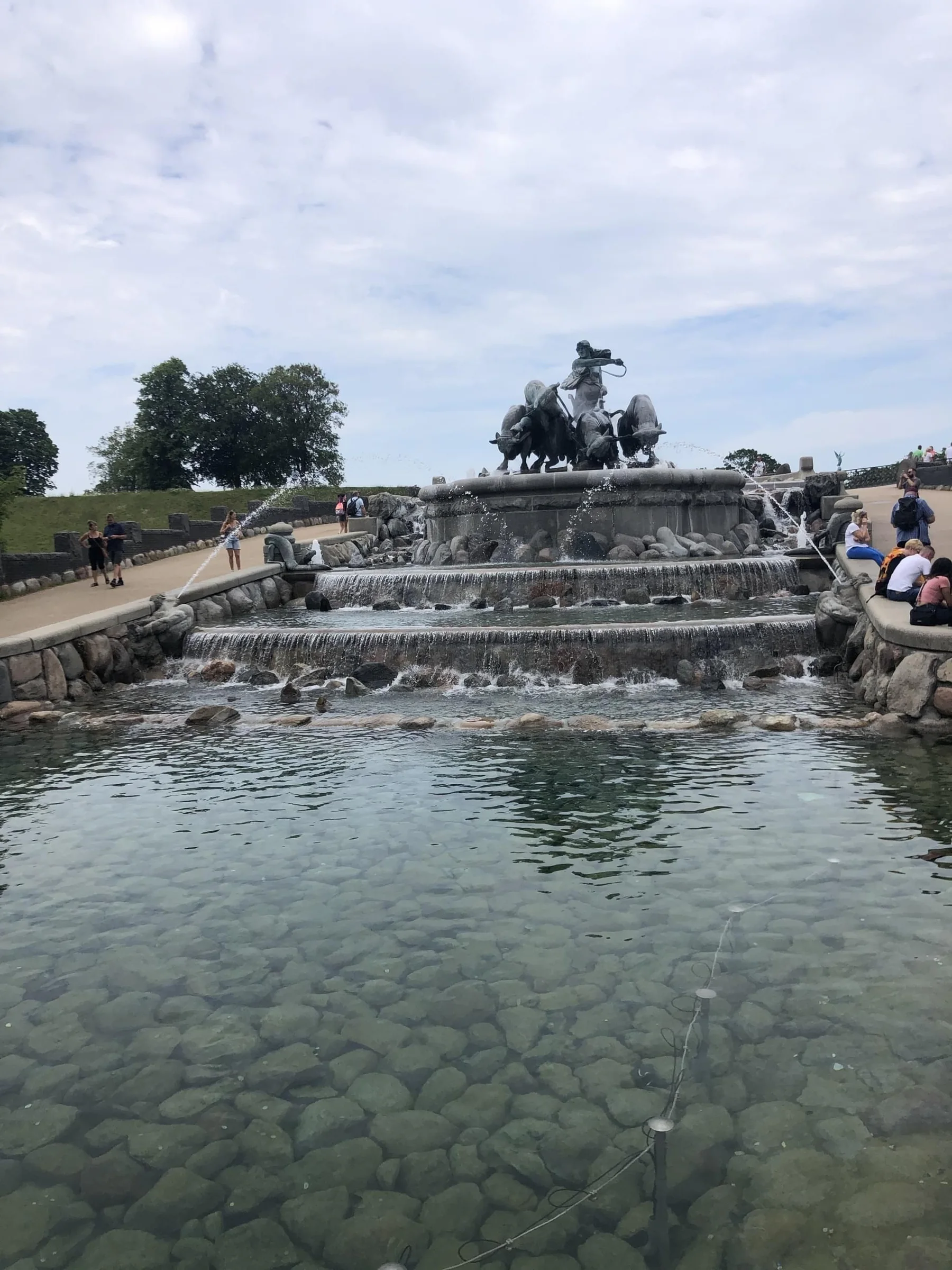
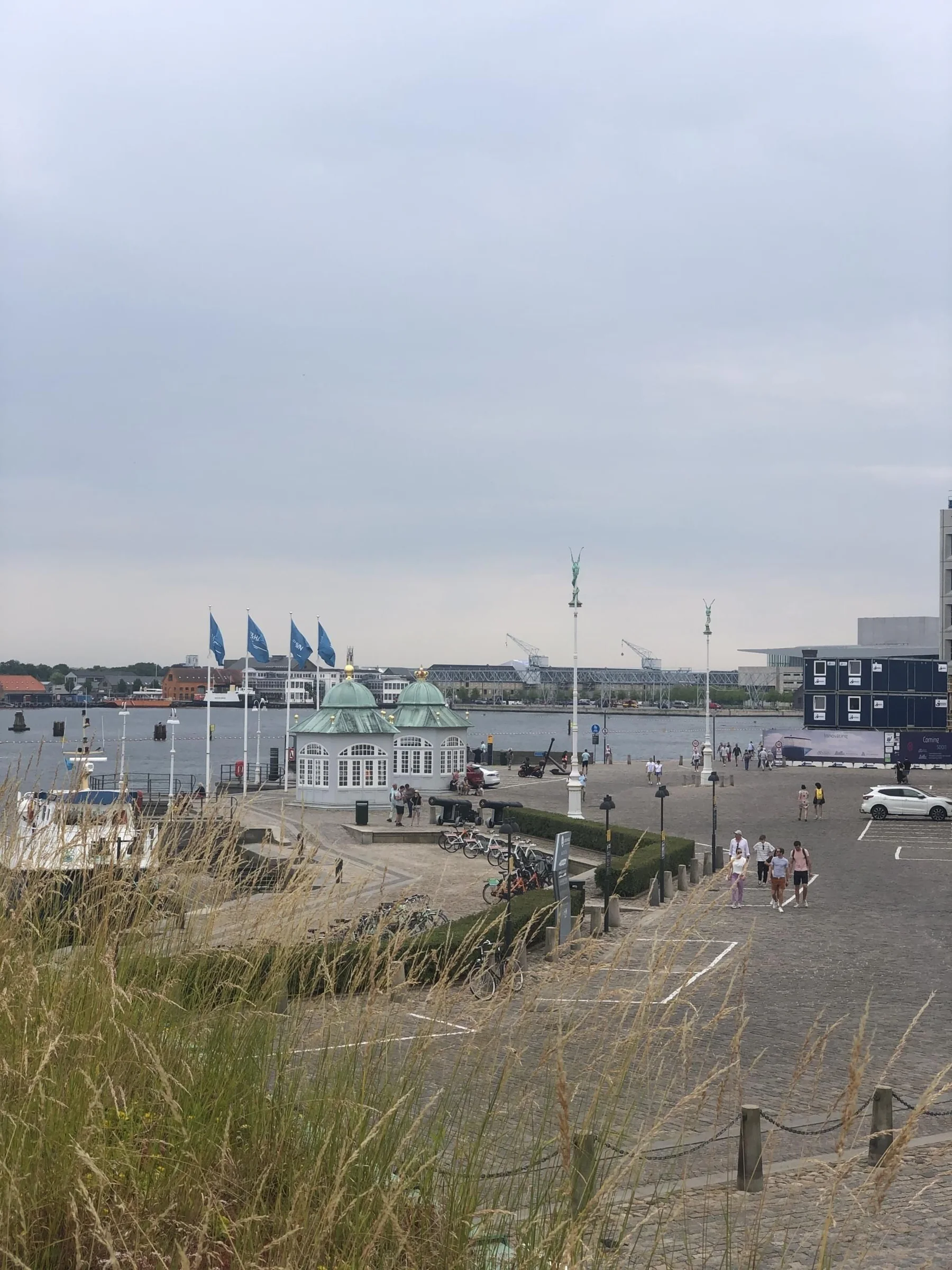
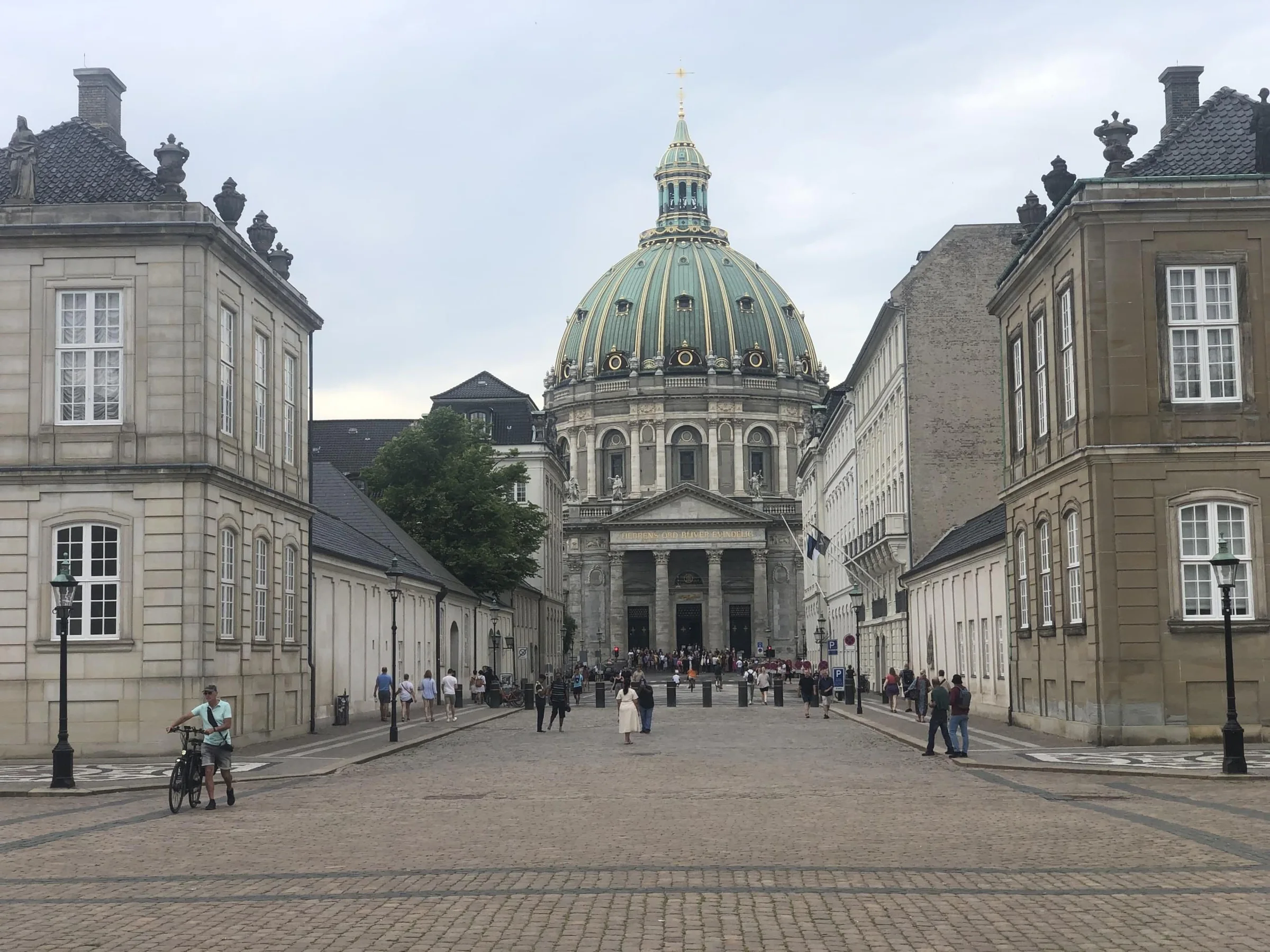
From the Little Mermaid we continued along the sea to the Gefion Fountain, with St. Alban's Church next to it. By the sea you'll see two pavilions that serve the royal family as a "waiting room" for the boat. From there we continued to Frederik's Church and on to Rosenborg Castle with the King's Garden. It's right in the centre of the city and houses the Danish crown jewels and royal jewellery.
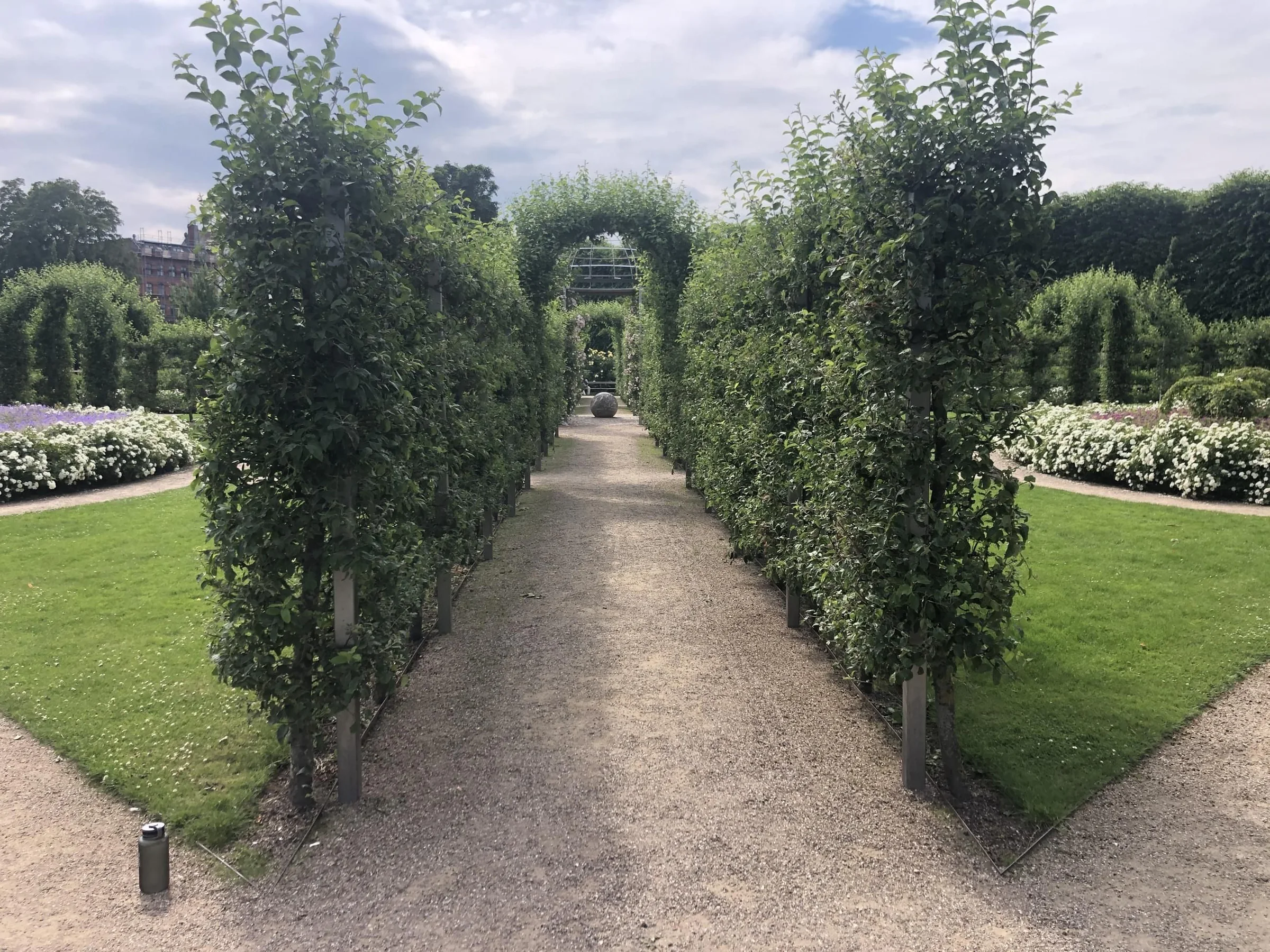
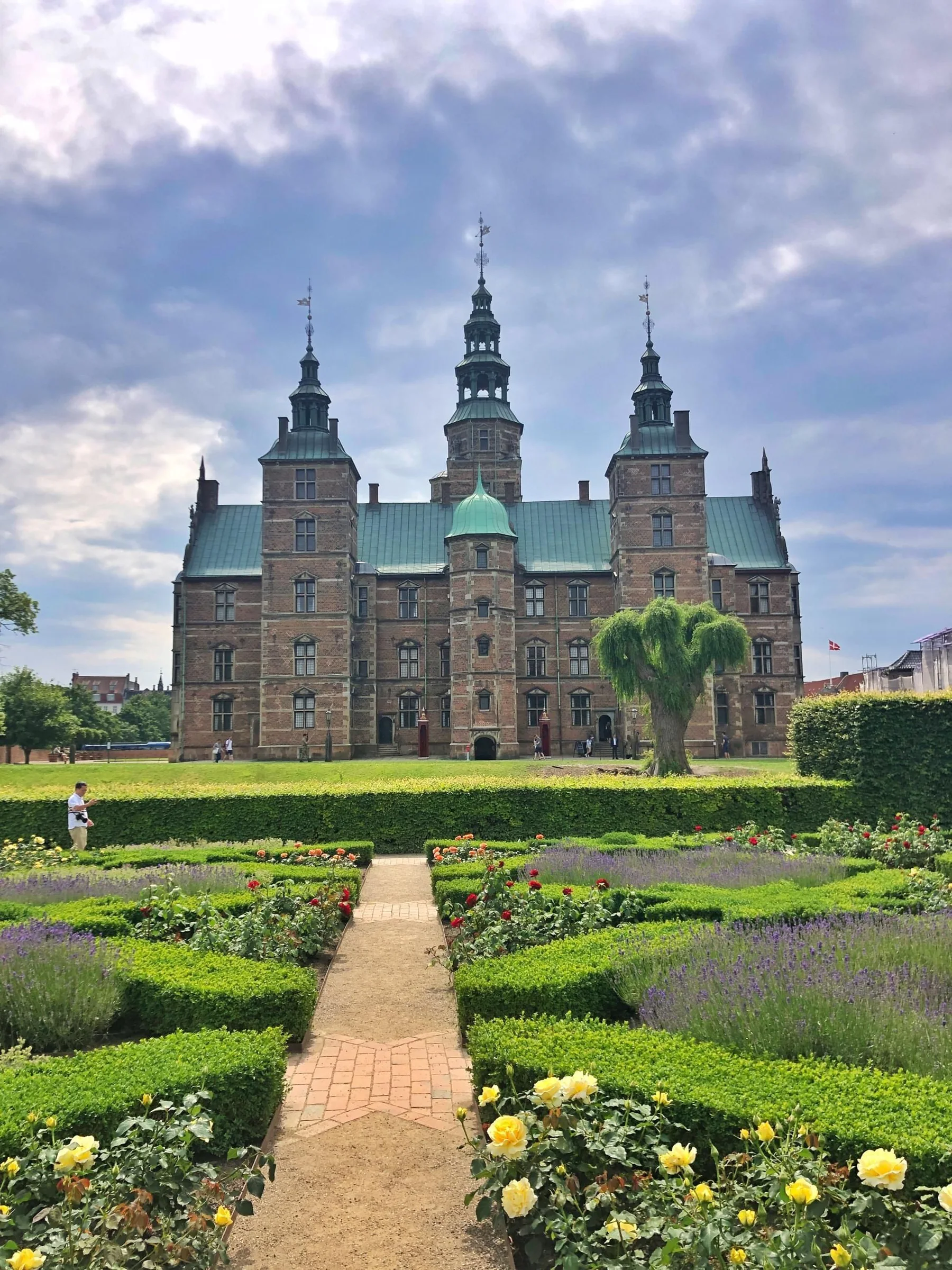
The Round Tower
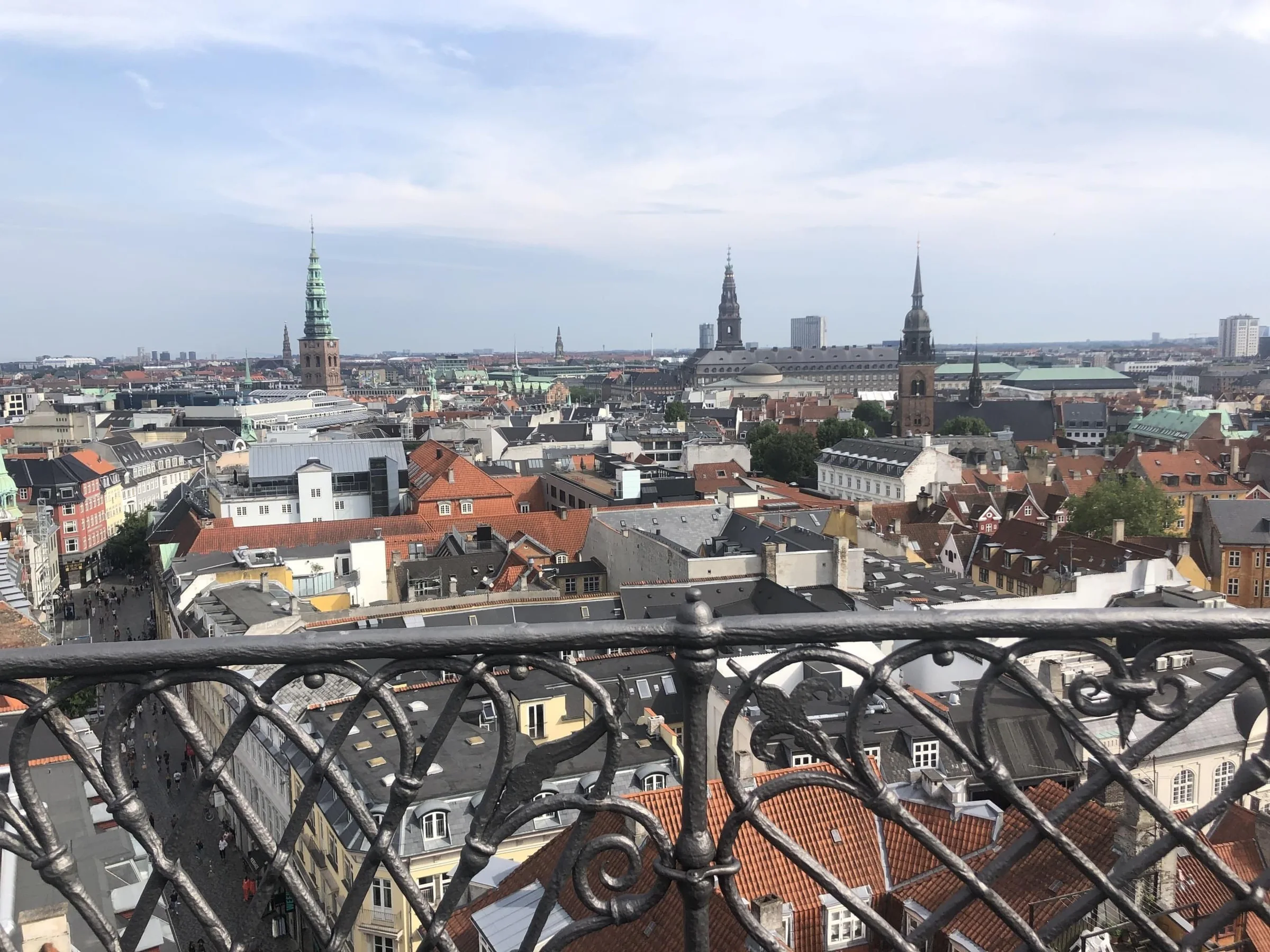
The Round Tower is also worth a visit. Inside there are no stairs, but a long spiral ramp. Empress Catherine the Great, for example, had herself driven up in a horse-drawn carriage. Today cycling races are held there. From the top you have a beautiful view of the whole of Copenhagen. The way up takes about 3 minutes on foot.
Admission is 40 DKK.
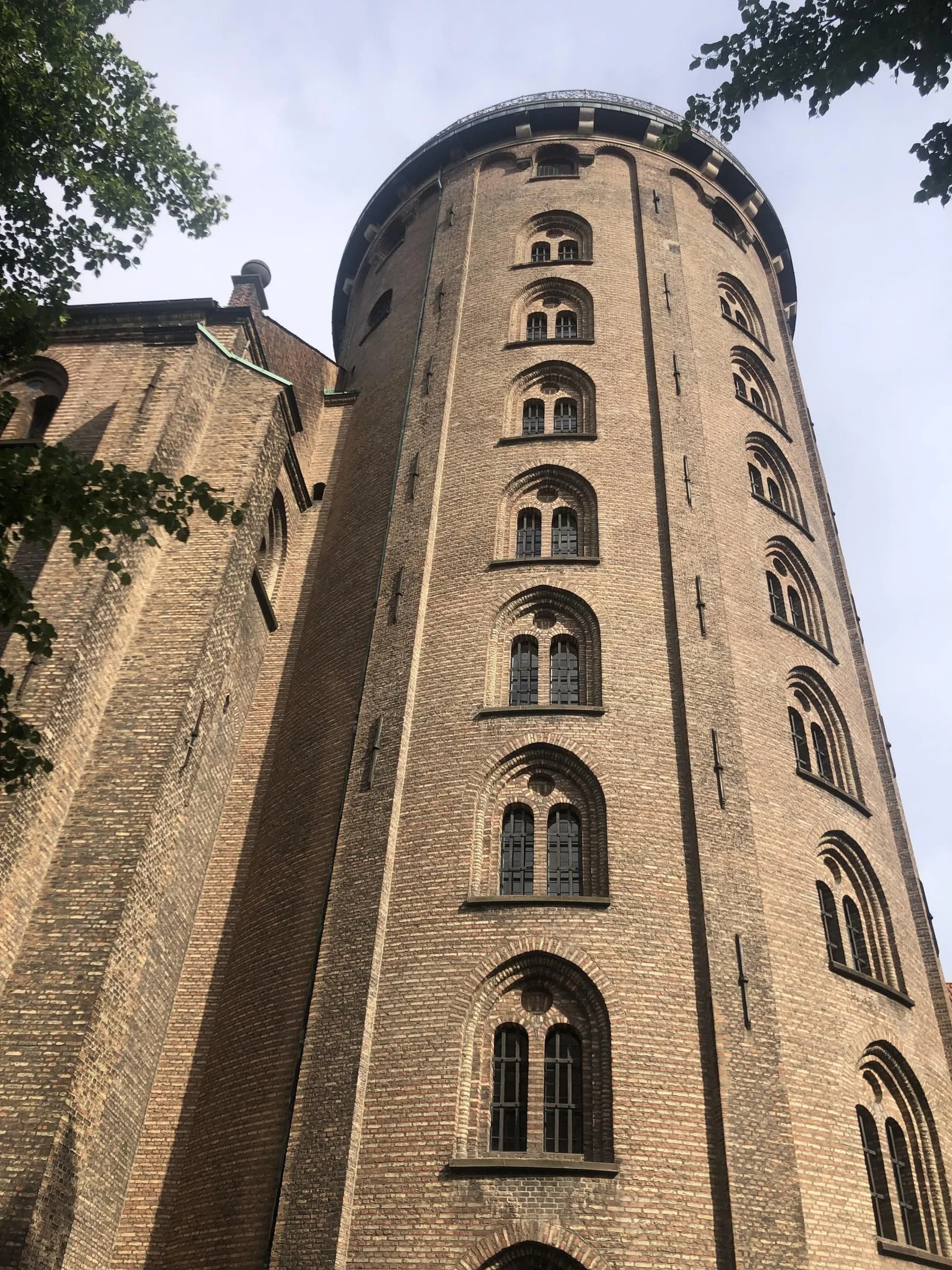
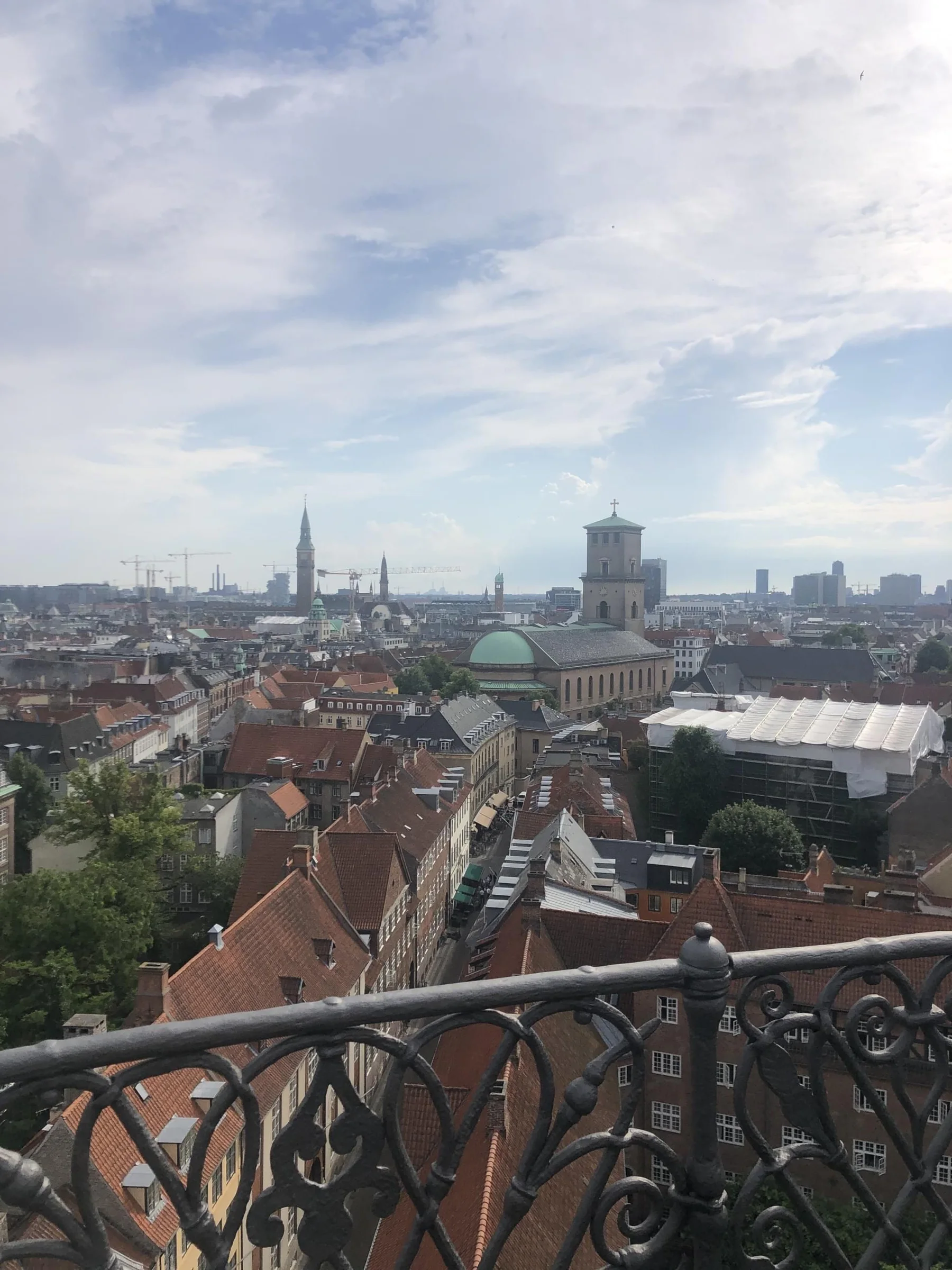
Nyhavn
Pronounced: "nyu-hown"
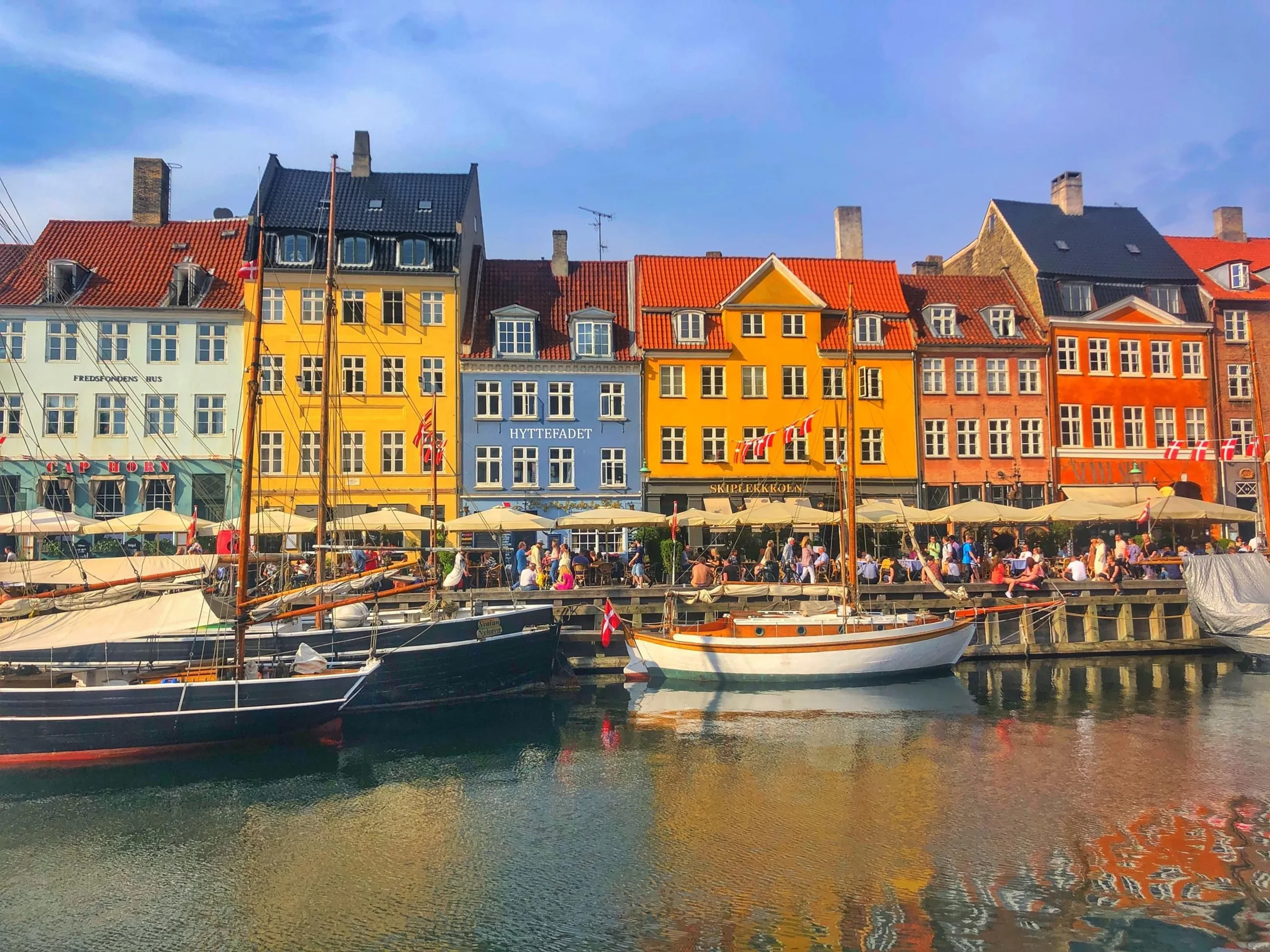
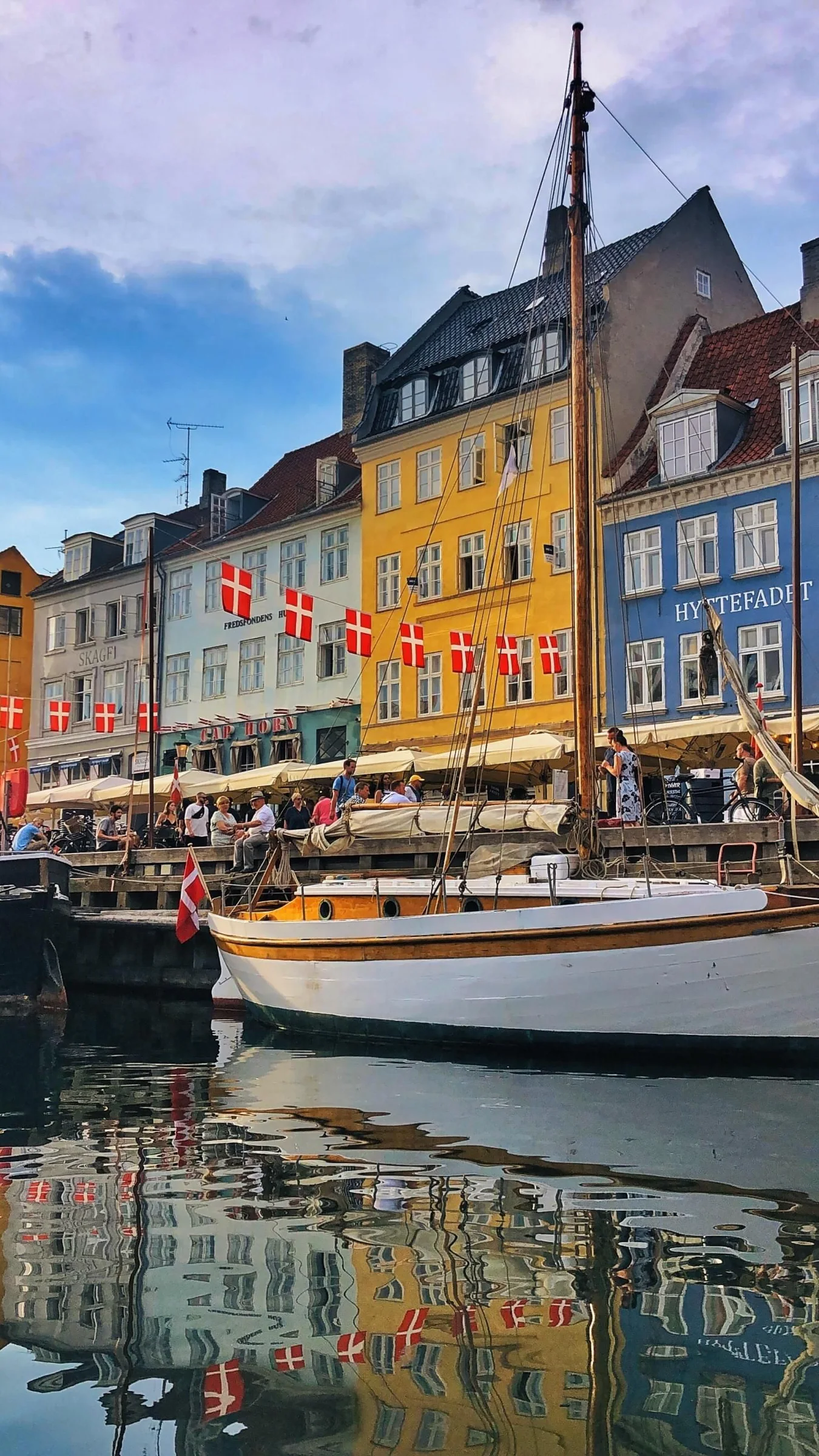
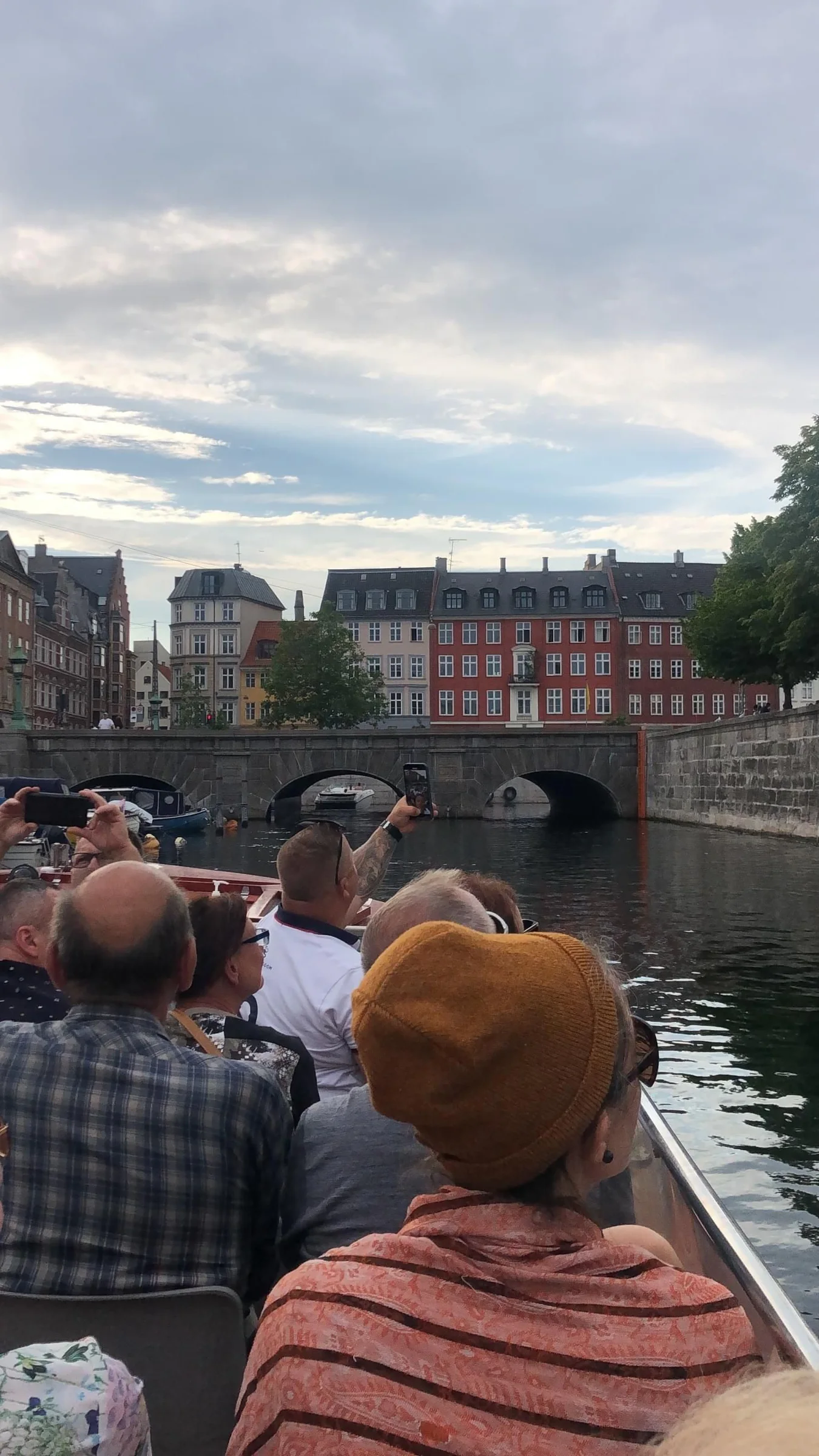
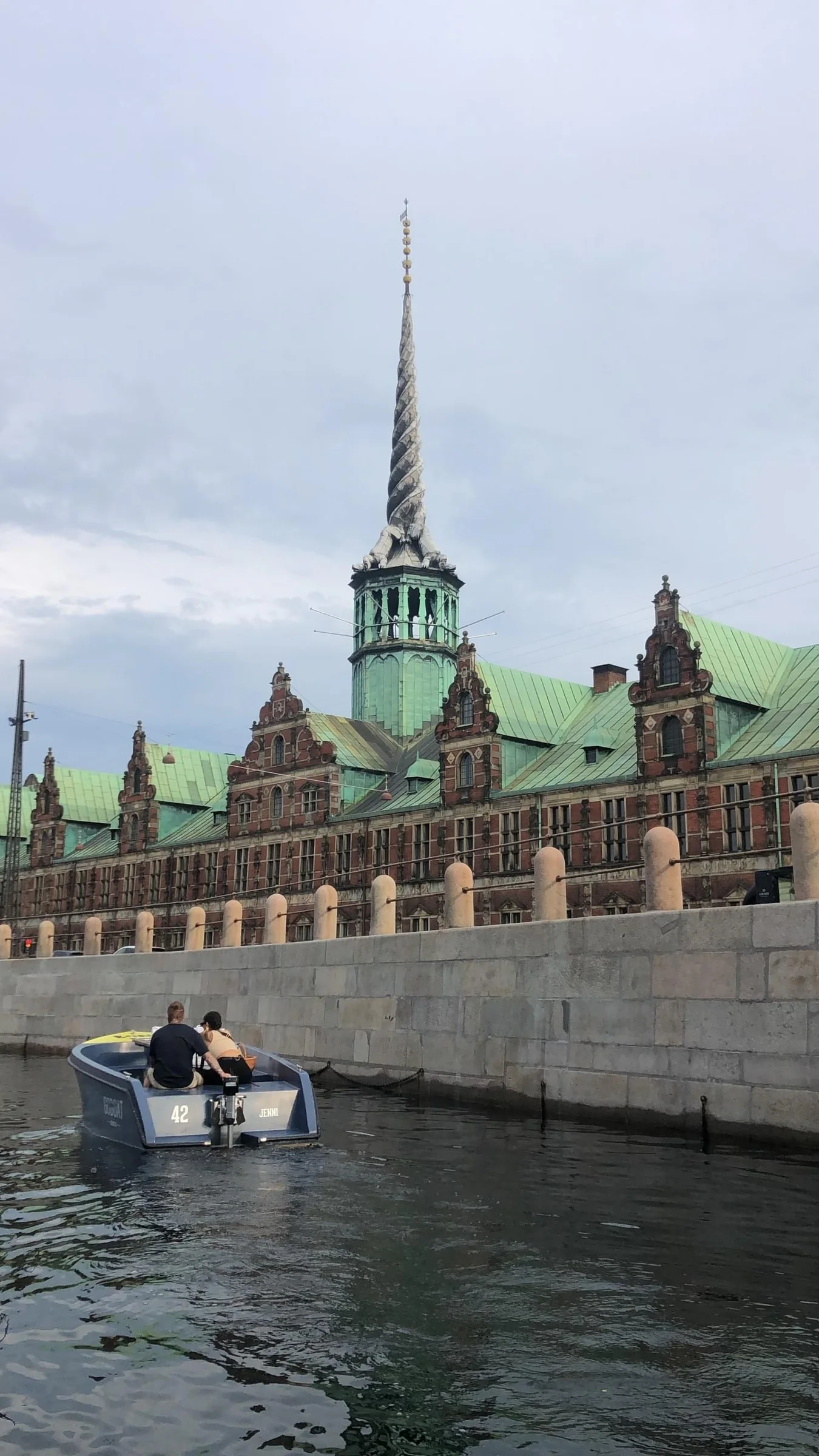
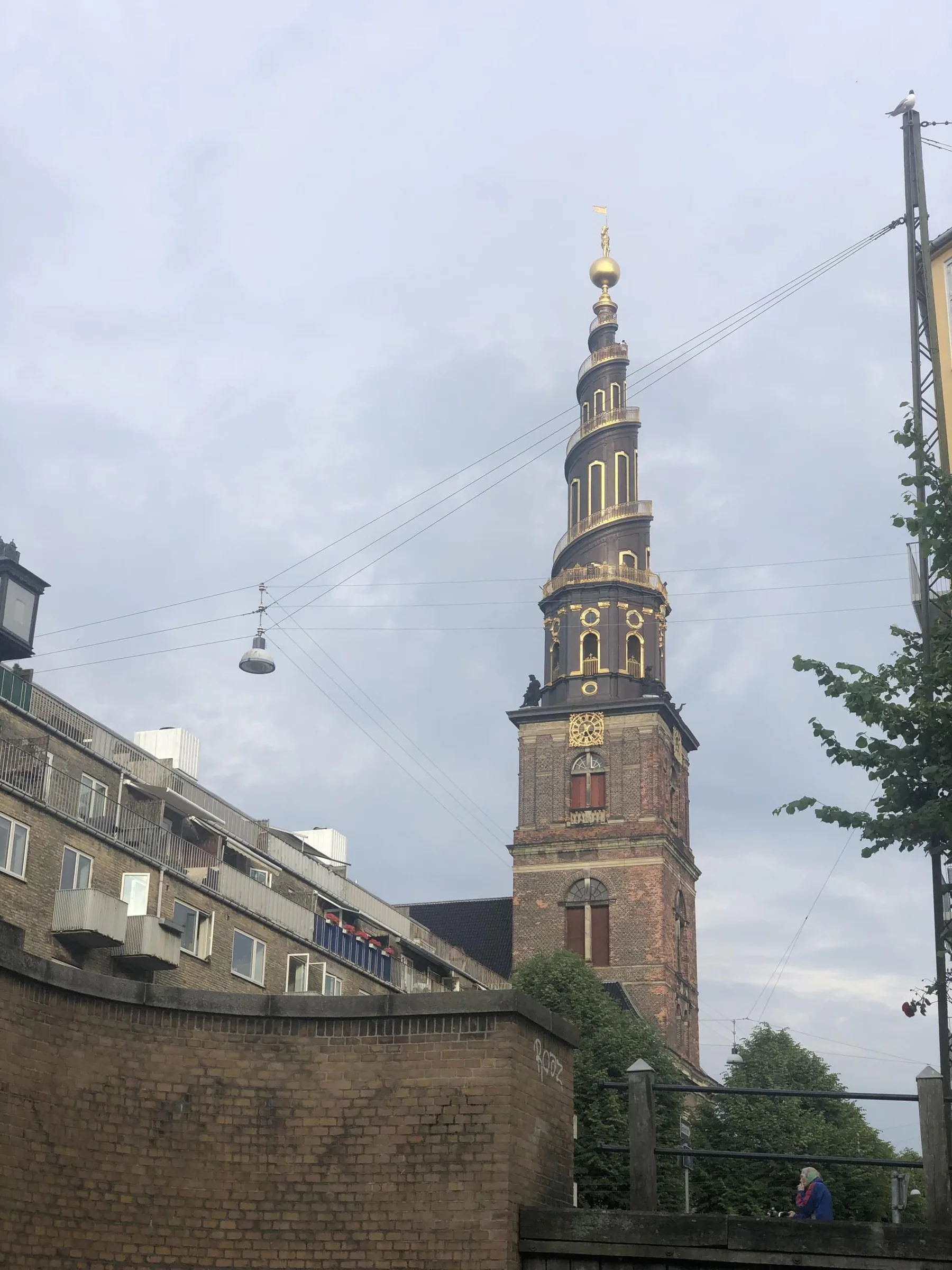
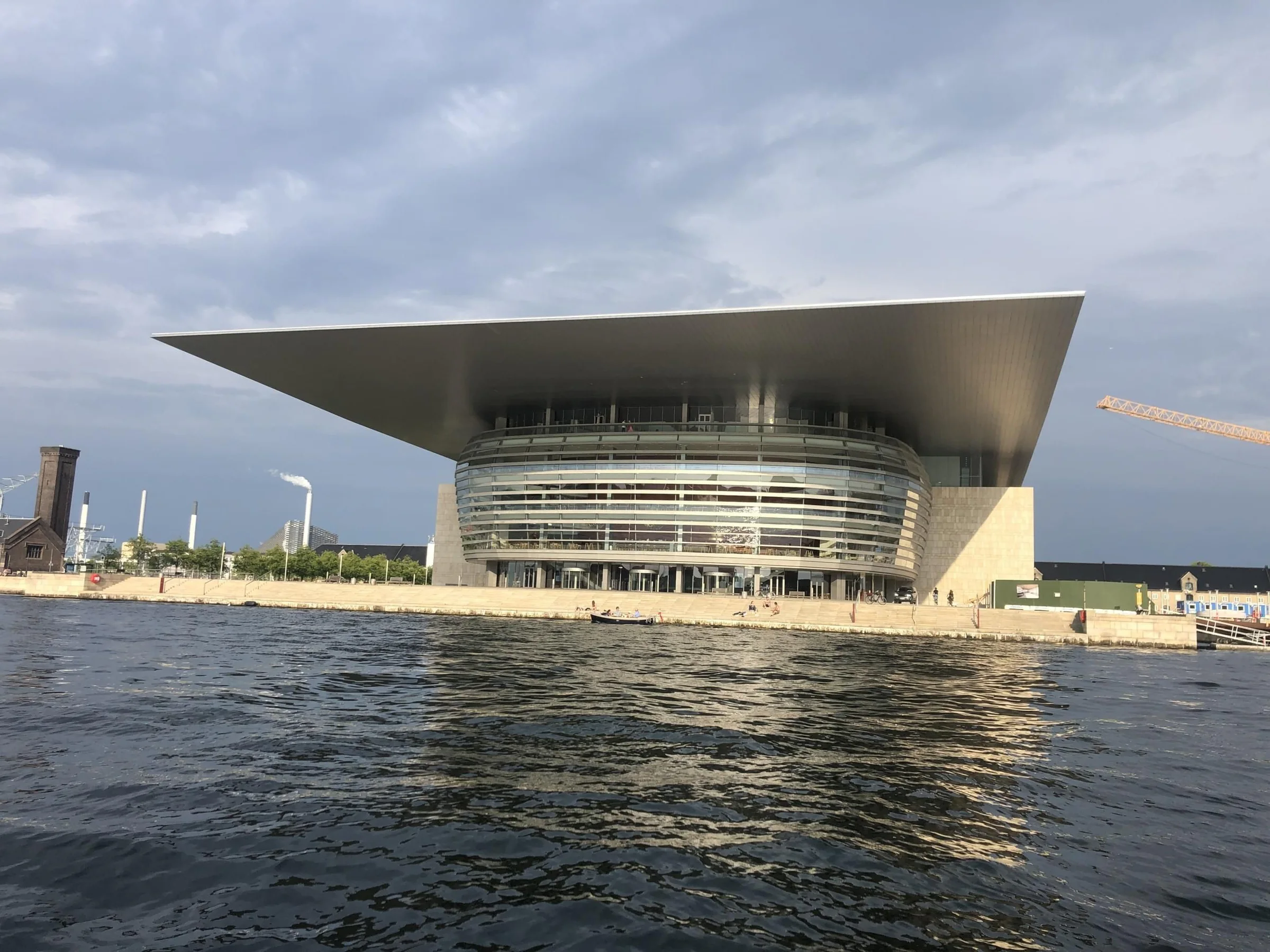
The harbour with its picturesque colourful houses is the icon of the city. At the harbour I recommend buying tickets for a boat cruise. The cruise lasts 1 hour and costs 109 DKK.
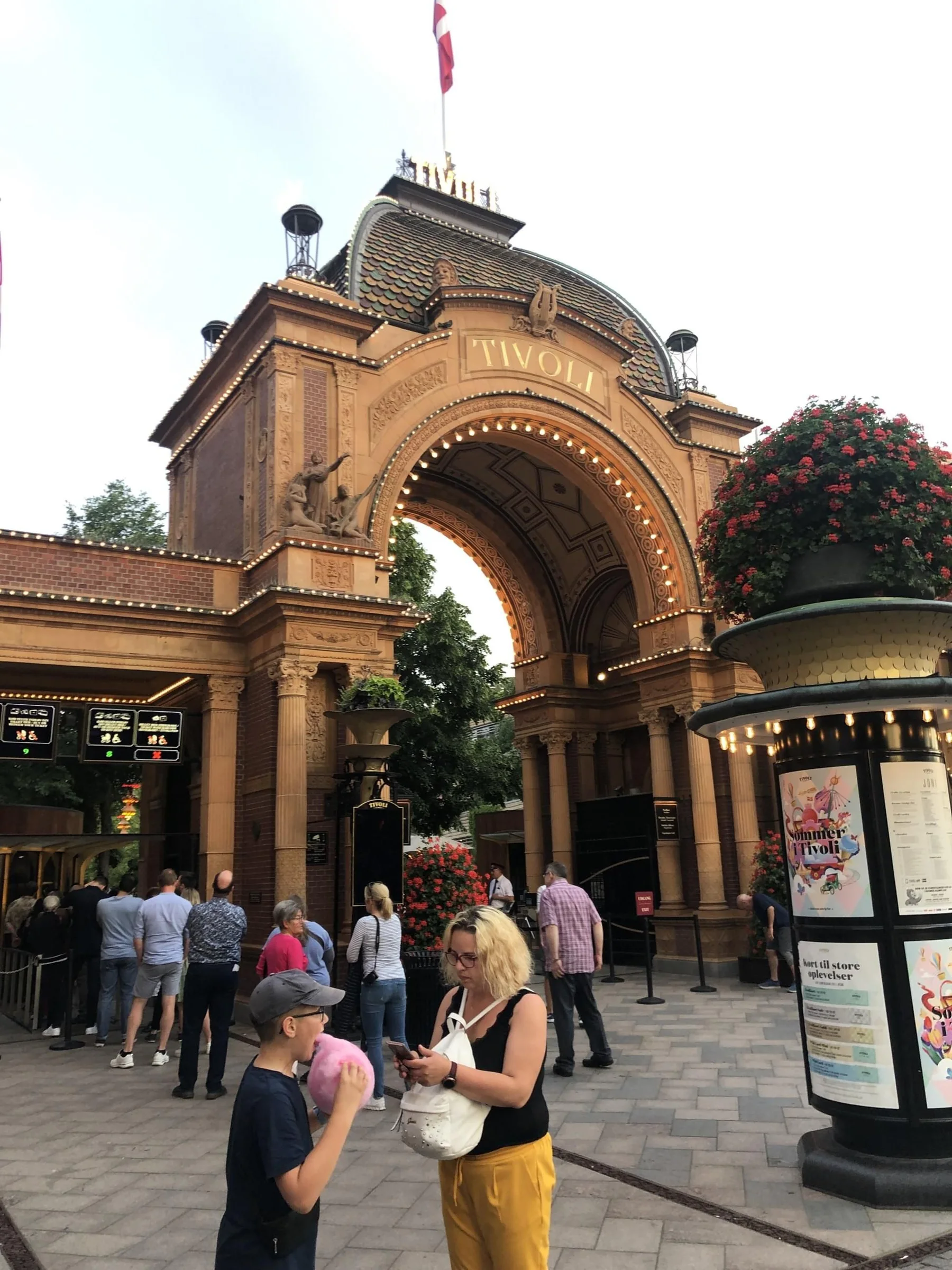
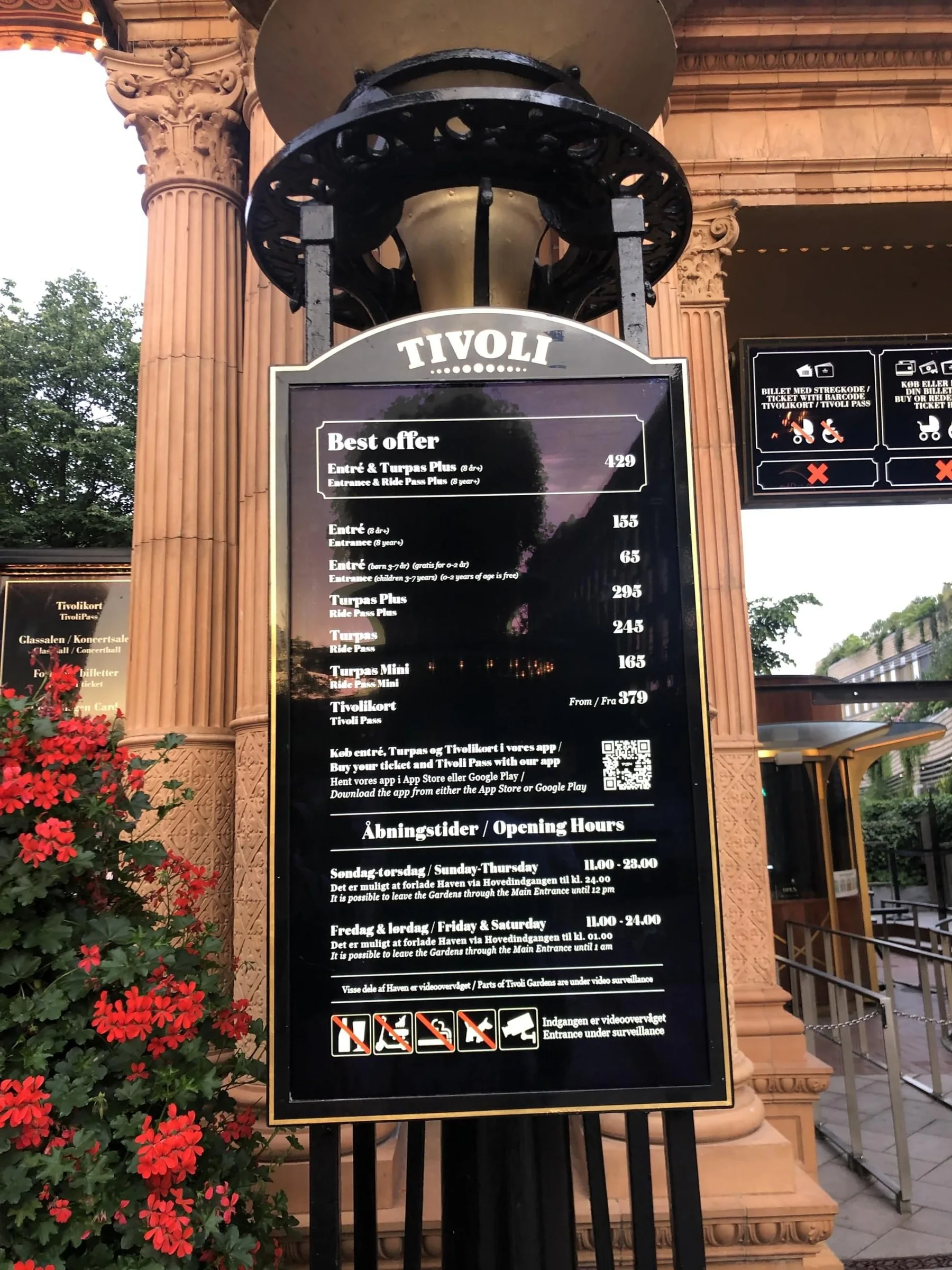
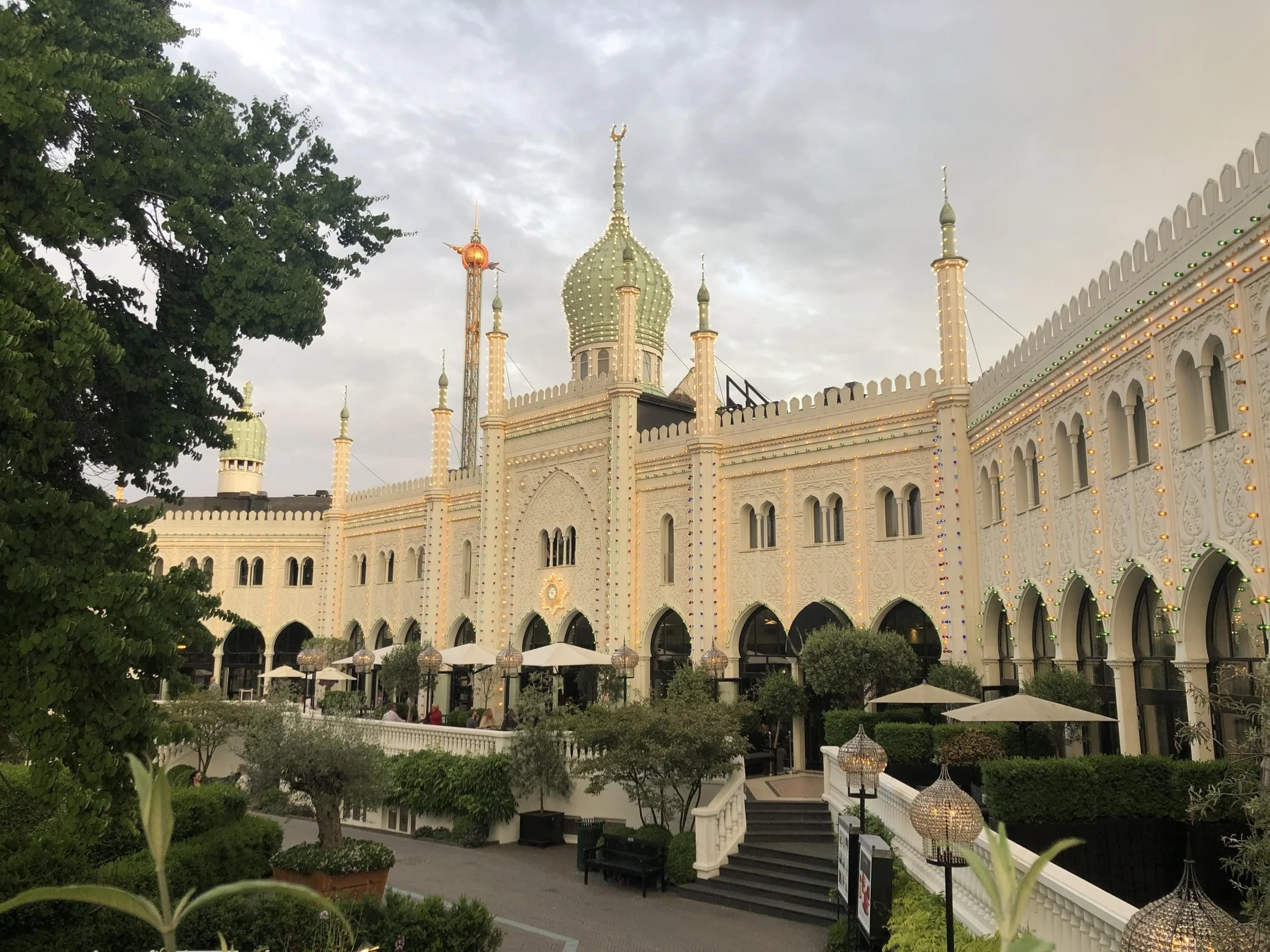
Tivoli
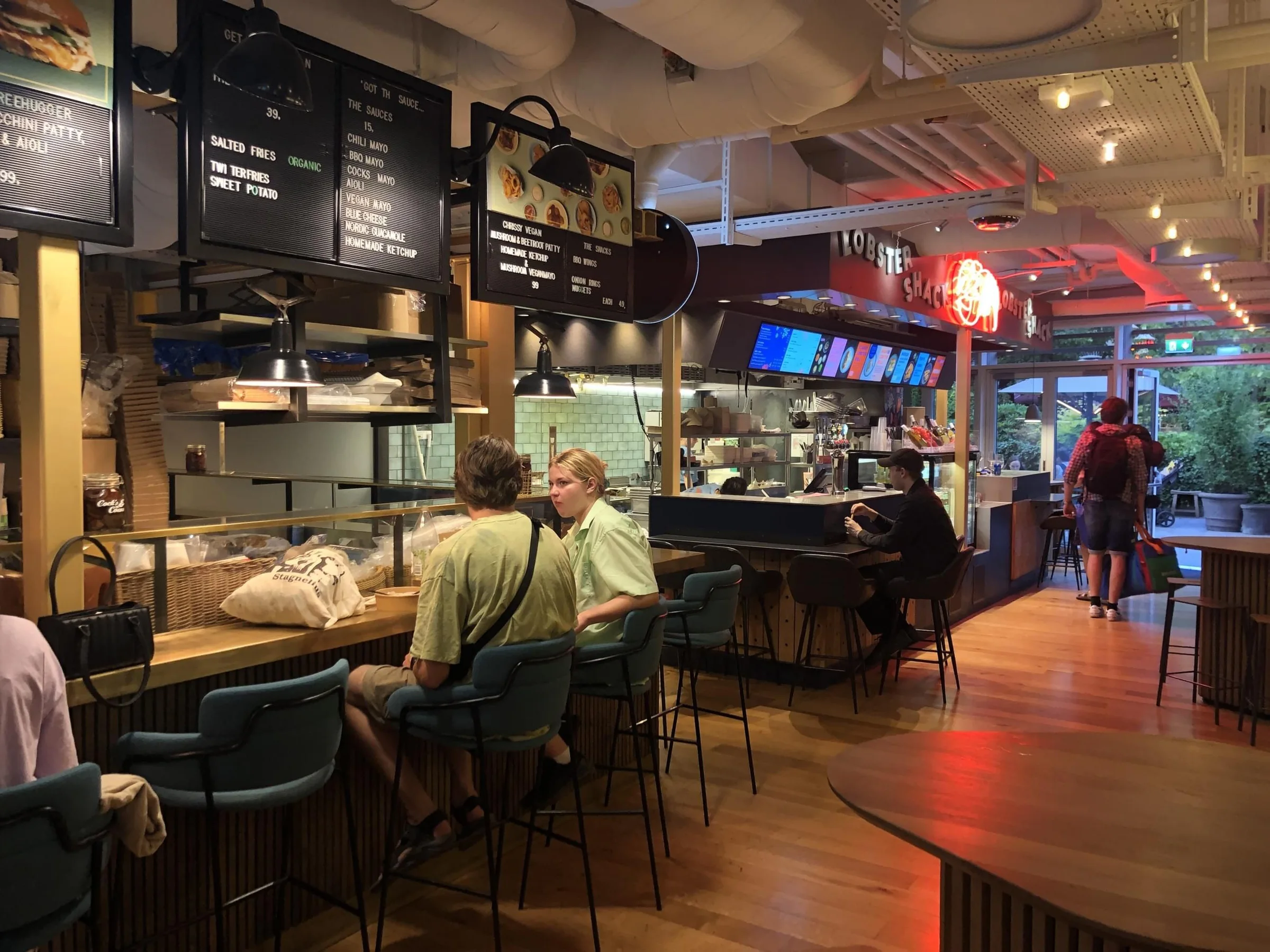
In the end we didn't visit the Tivoli amusement park. But what I can recommend are the restaurants around Tivoli. It's something like Manifesto in Prague, except that most of the restaurants are indoors. It's called Tivoli Food Hall and you'll find it here. Definitely go here for food, there's an endless choice and it's not as overpriced as the rest of Denmark.


Map of Denmark
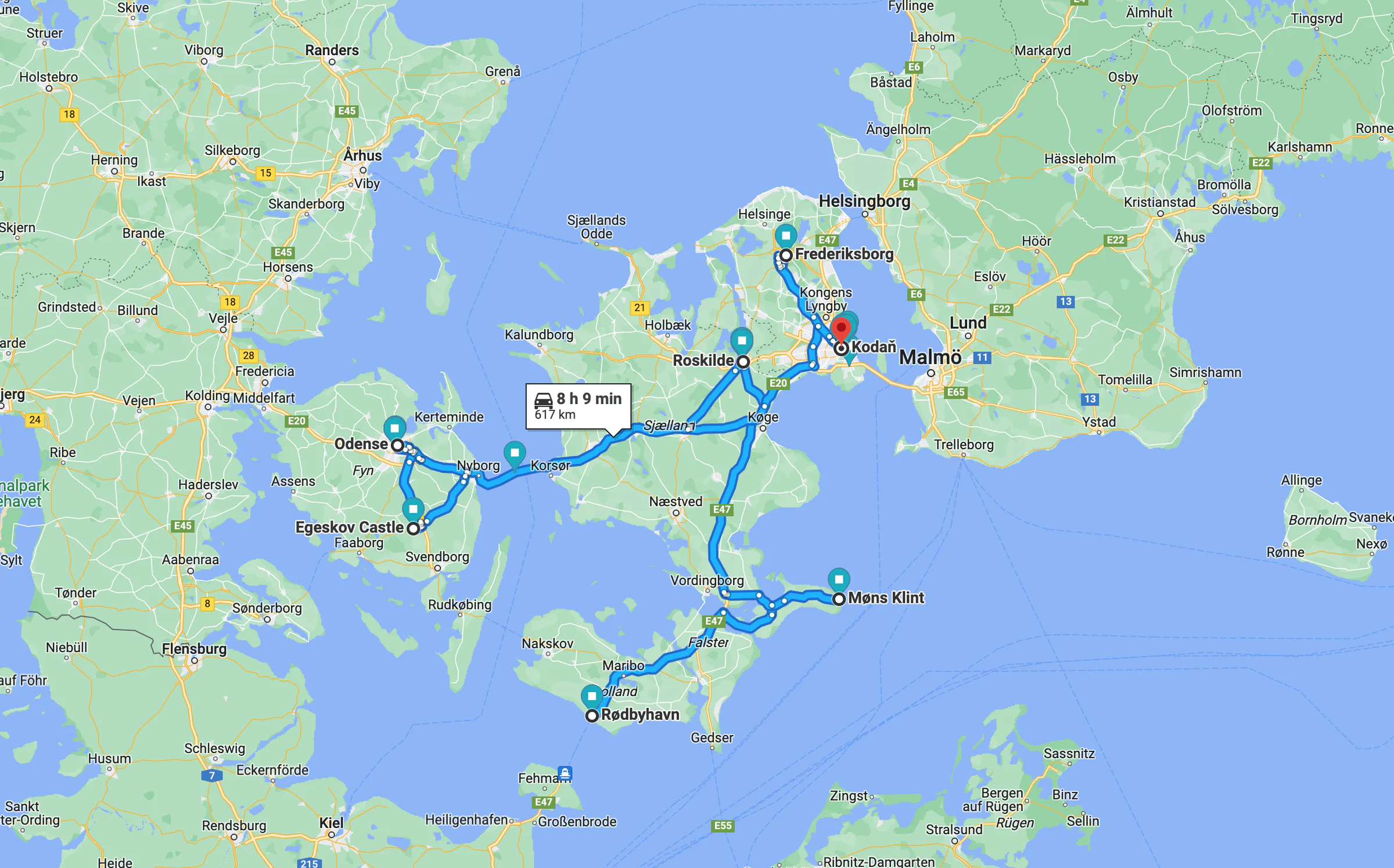
Map of Denmark - route of the trip (zoomed-in version)
Share: Facebook · Save to Pinterest